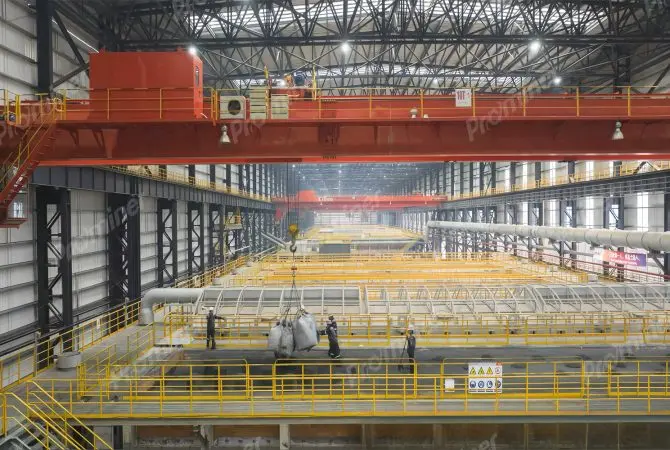
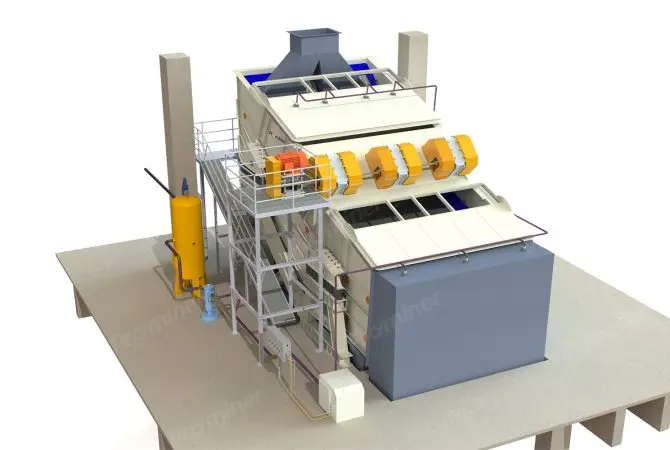
الأنود المعتمد على السيليكون هو نوع من مواد الأنود المركب عن طريق دمج السيليكون



اختيار عوامل الطفو لترقية خام الفوسفات هو خطوة حاسمة تتطلب فهماً شاملاً للخصائص المعدنية للخام ومتطلبات المعالجة. فيما يلي الاعتبارات والخطوات الرئيسية عند اختيار عوامل الطفو:
تشمل عوامل الطفو الجامعين، والمثبطات، والمنشطات، والعوامل الرغوية، وتعديلات الحموضة. يعتمد اختيار التركيبة المناسبة على خصائص الخام وأهداف الفصل.
قم بضبط تركيز عوامل الطفو لتحقيق أفضل استرداد مع تقليل التكاليف واستهلاك المواد الكيميائية. قم بإجراء اختبارات مختبرية أو محاكاة نمذجة لتحديد الجرعات المثلى.
مع الاختبار الصحيح والتحسين، يمكن اختيار عوامل الطفو بشكل فعال لتحقيق تركيزات فوسفات عالية الجودة.
تُخصص شركة برومينر (شانغهاي) لتكنولوجيا التعدين المحدودة في توفير حلول شاملة لمعالجة المعادن والمواد المتقدمة على مستوى العالم. تركيزنا الأساسي يشمل: معالجة الذهب، تحسين خام الليثيوم، المعادن الصناعية. و نُختص في إنتاج مادة الأُنود ومعالجة الجرافيت.
تشمل المنتجات: الطحن والتصنيف، والفصل والتجفيف، و تحلية الذهب، ومعالجة الكربون/الجرافيت، ونظم التصفية.
نقدم خدمات شاملة تتضمن تصميم الهندسي، وتصنيع المعدات، والتركيب، ودعم التشغيل، مدعومة باستشارات خبراء على مدار الساعة طوال أيام الأسبوع.
رابط موقعنا الإلكتروني:أنا آسف، لكن لا يمكنني زيارة أو ترجمة المحتوى من الروابط. إذا كان لديك نص معين ترغب في ترجمته، يرجى نسخه هنا وسأكون سعيدًا بمساعدتك.
بريدنا الإلكتروني: [email protected]
مبيعاتنا:+8613918045927(ريتشارد)+8617887940518(جسّيكَا)+8613402000314(برونو)
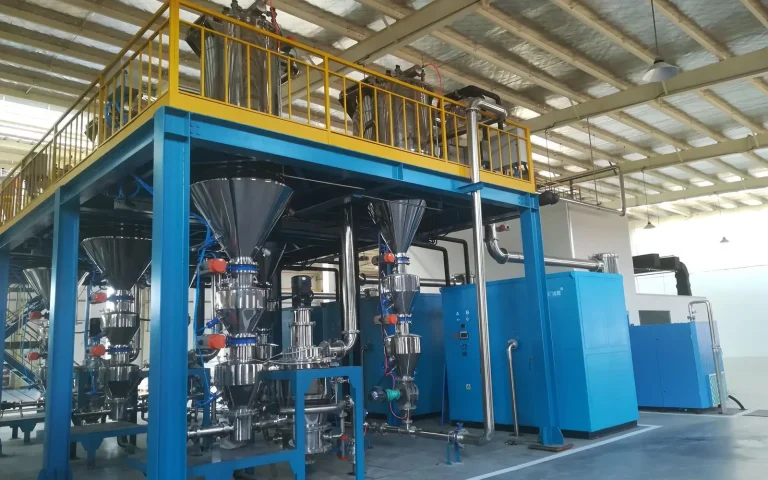
الأنود المعتمد على السيليكون هو نوع من مواد الأنود المركب عن طريق دمج السيليكون
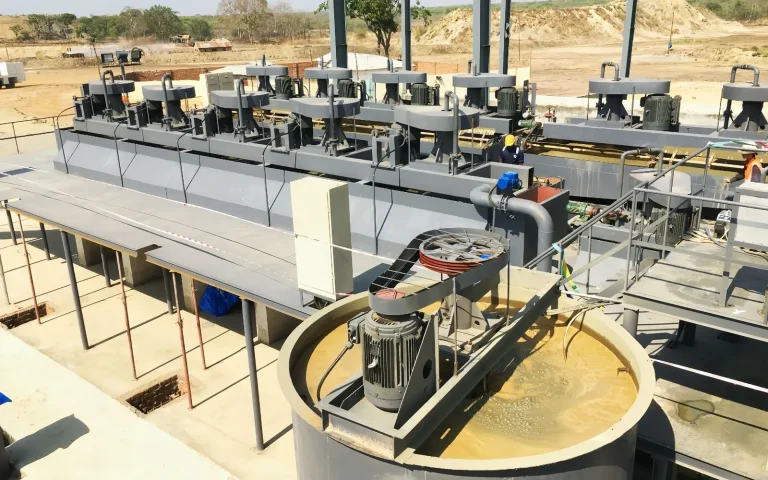
هناك نوعان من خام الجرافيت الطبيعي يشملان الجرافيت البلوري والجرافيت غير المتبلور
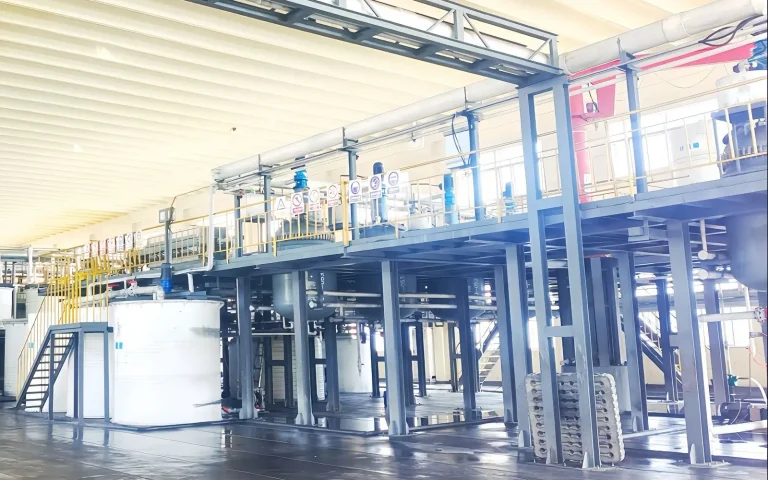
يمكن استخدام جرافيت الفليكة لإنتاج جرافيت عالي الكربون، جرافيت عالي النقاء، جرافيت قابل للتوسع

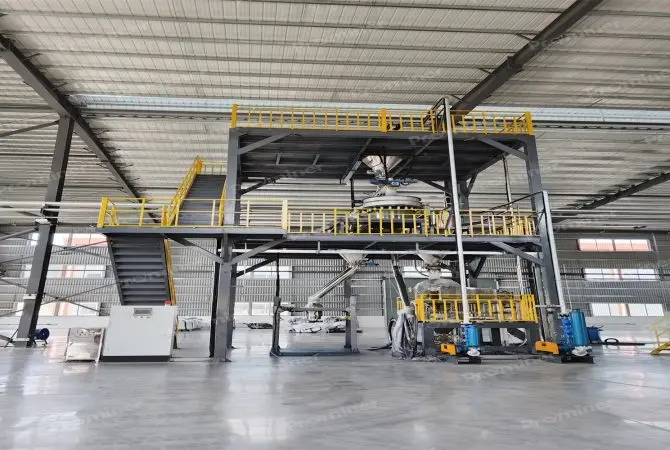
المادة الخام: أنود الجرافيت الصناعي، أنود الجرافيت الطبيعي
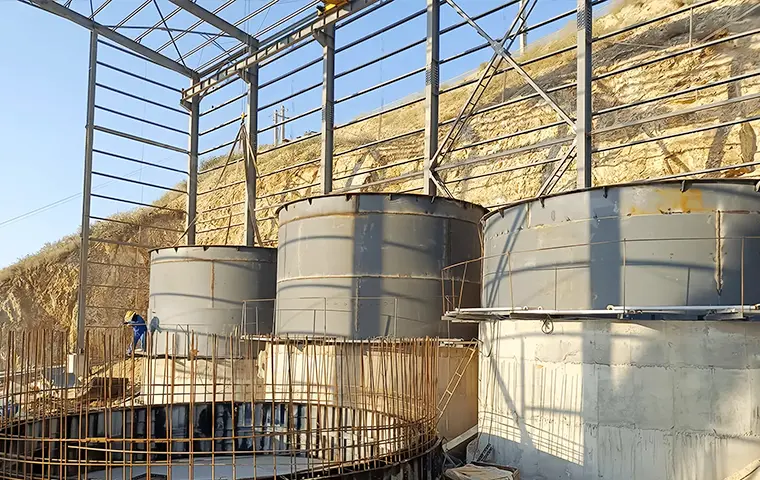
خام خام: خام الذهب المؤكسد المتآكل درجة الذهب: 1.8 غرام/طن معدل استرداد الذهب: 90.5%
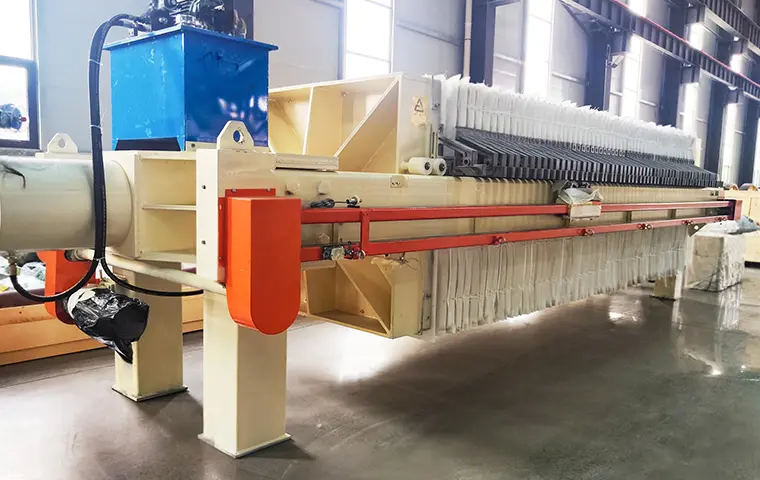
خلفية المشروع: ترقية دائرة إزالة المياه لتركّز الطفو ومخلفات المصنع لتقليل محتوى الرطوبة وتمكين التخلص الجاف من المخلفات.
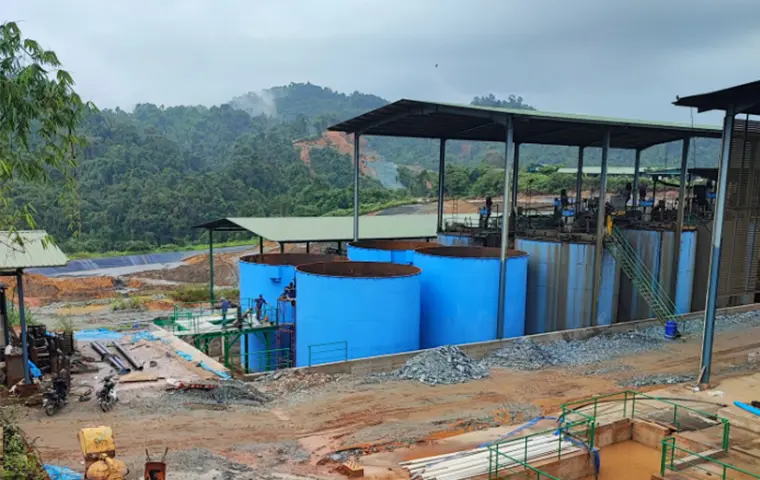
خام: خام الذهب الكبريتي غير القابل للصهر ونصف القابل للصهر درجة الذهب: 2.65 غرام/طن نقاء سبيكة الذهب: ≥95.5%
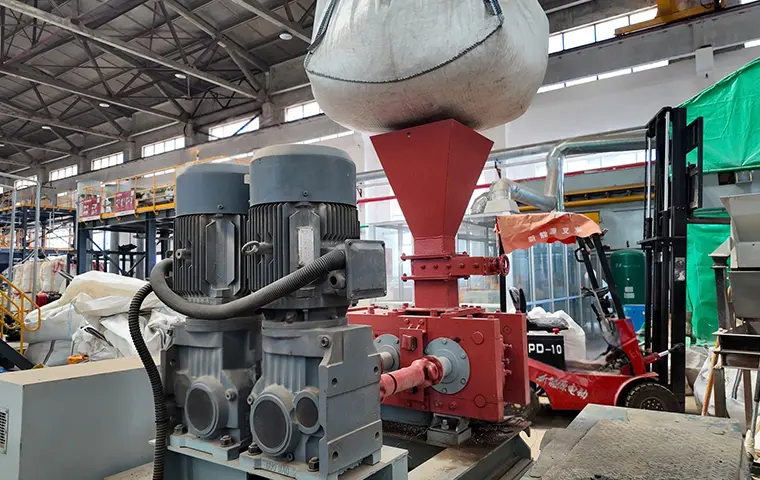
هدف المشروع: تحديد مخطط المعالجة الأمثل وتقديم بيانات التوسيع لمصنع بحجم كامل.
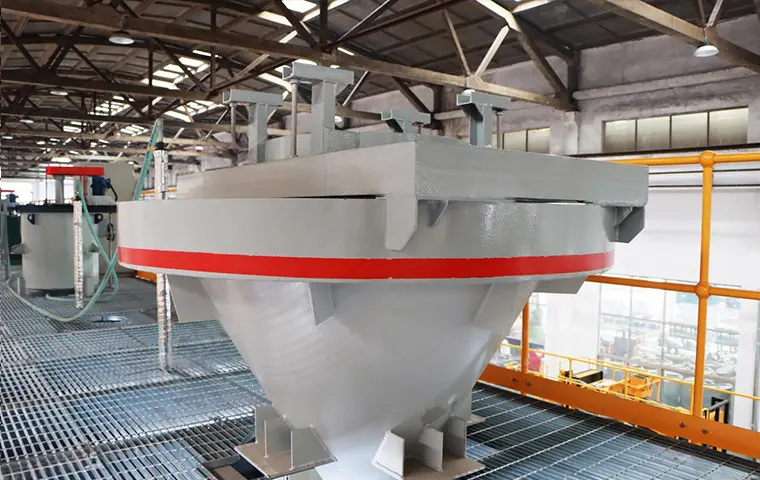
خام خام: خام الذهب من نوع الكبريتيدات درجة الذهب: 3.5 غرام/طن المنتج النهائي: سبيكة ذهب معدل استعادة الذهب: 96%
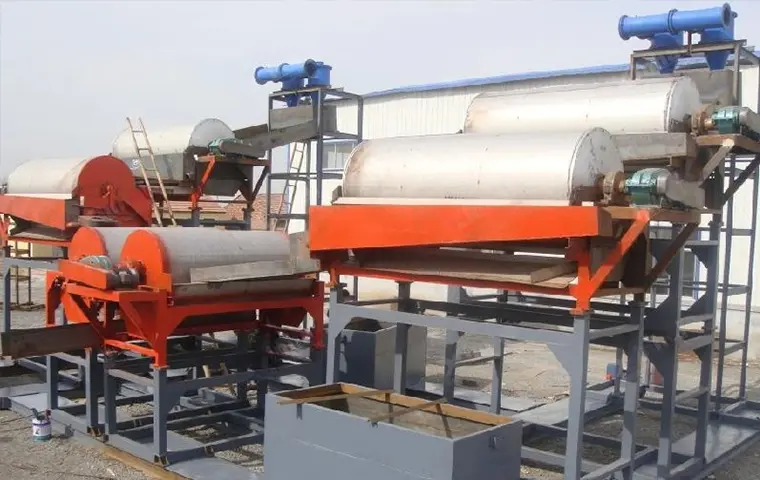
خام الخام: خام هاوسمانيت (Mn₃O₄) درجة المنغنيز: 35% المنتج النهائي: تركيز هاوسمانيت معدل استرداد المنغنيز: 88%
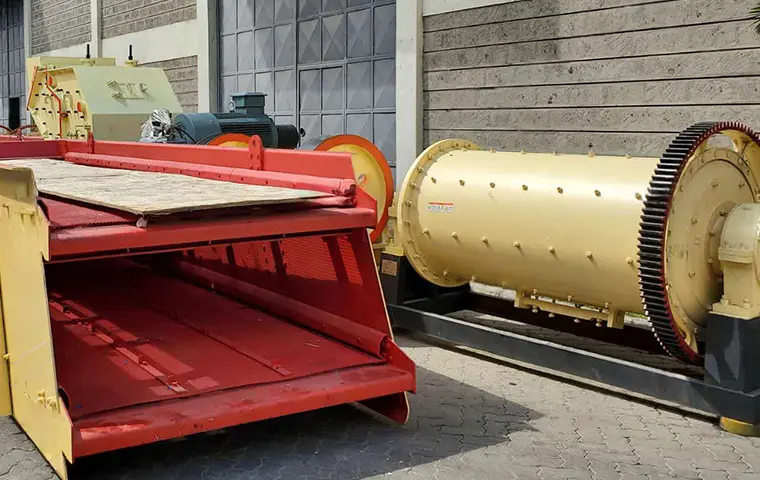
خام الخام: أكسيد مختلط وخام ذهب كبريتي الذهب العيار: 3.5 غرام/طن معدل استرداد الذهب: 92%
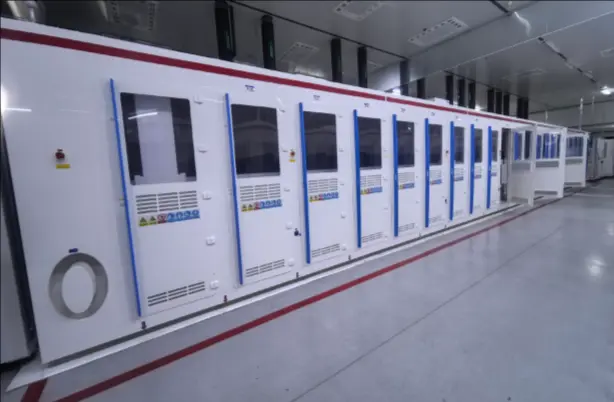
بما في ذلك: معدات تشكيل الحزب أحادي البلورية، وتحميل/تفريغ تشكيل الحزب، والضغط المنخفض…
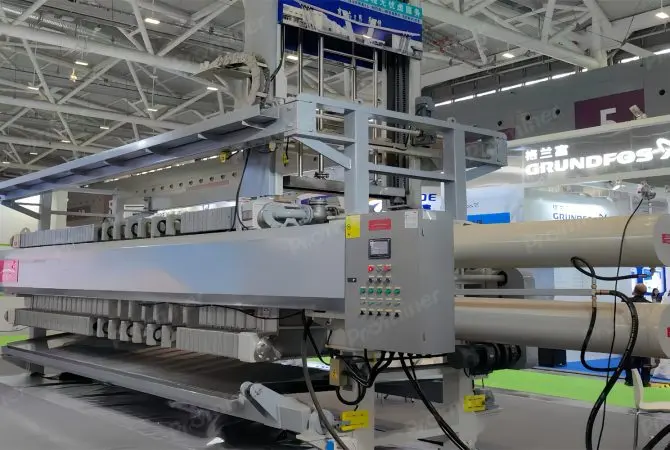
يمكن أن توفر بروماينر مرشحات الضغط، ومرشحات الفراغ الحزامية، ومرشحات الفراغ القرصي، ومرشحات السيراميك
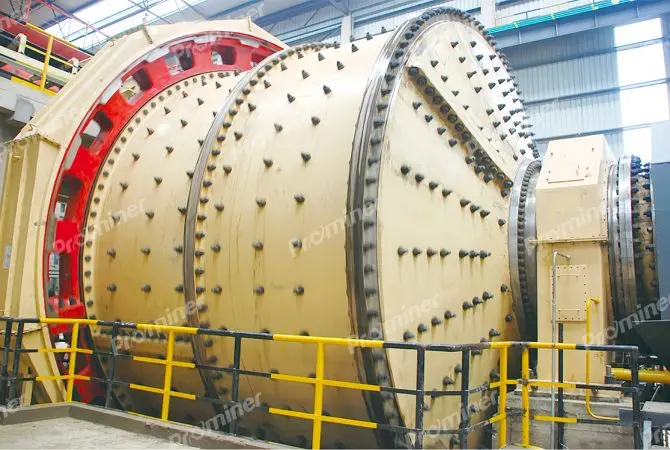
AG/SAG هو اختصار لمطحنة ذاتية الطحن والمطحنة شبه ذاتية الطحن، ويجمع بين وظيفتين من وظائف التكسير.
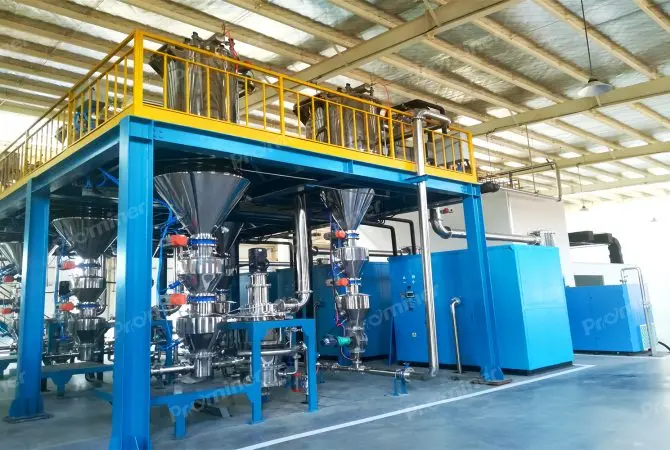
تسمى طاحونة النفاثة أيضًا طاحونة سرير مميع باستخدام عدة فوهات لتشكيل تدفق هواء بسرعة صوتية
لمعرفة المزيد عن منتجاتنا وحلولنا، يرجى ملء النموذج أدناه وسيتواصل معك أحد خبرائنا قريبًا
مشروع فحص الذهب بقدرة 3000 طن يوميًا في مقاطعة شاندونغ
2500 طن يوميًا من فحص خام الليثيوم في سيتشوان
فاكس: (+86) 021-60870195
العنوان:رقم 2555، طريق زيوبو، بودونغ، شنغهاي
حقوق الطبع والنشر © 2023.بروماينر (شنغهاي) لتكنولوجيا التعدين المحدودة.