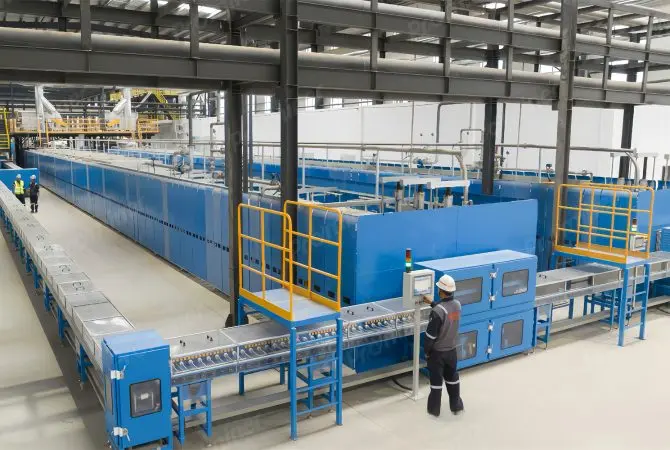
تتكون مادة أنود الجرافيت الصناعي بشكل رئيسي من فحم بترولي منخفض الكبريت عالي الجودة



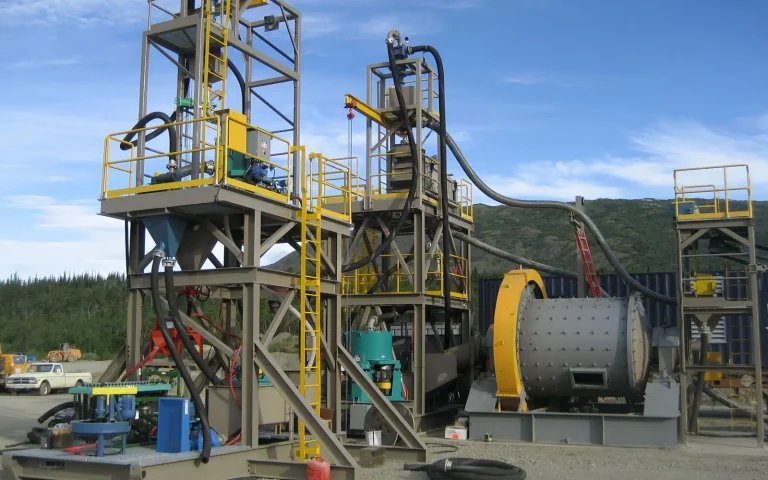
الكاسيتيريت (SnO₂)، الخام الرئيسي للقصدير، يتطلب تقنيات معالجة محددة لتحقيق استخراج فعال للقصدير. تشمل التقنيات الأكثر فعالية لمعالجة معادن الكاسيتيريت اليوم ما يلي:
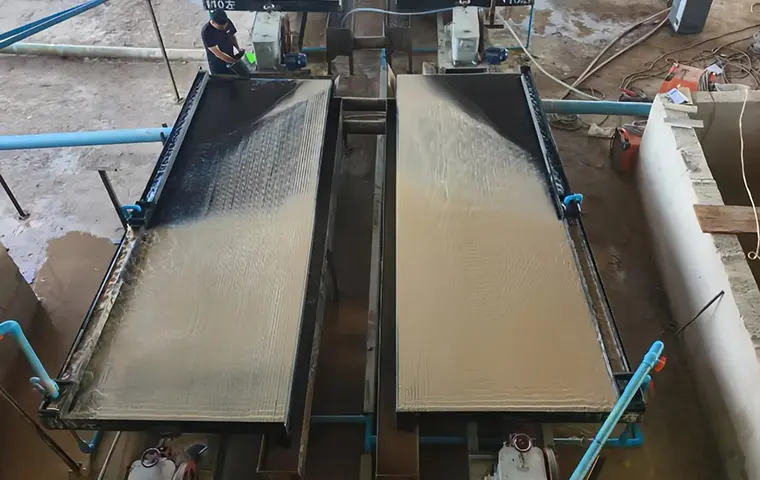
تتميز الكاسيتيريت بكثافتها النوعية العالية، مما يجعل فصل الجاذبية طريقة أساسية لمعالجتها. تشمل التقنيات الحديثة المستندة إلى الجاذبية:
على الرغم من أن الكاسيتيريت ليس عادةً مستجيبًا للاستخلاص بالتعويم نظرًا لخصائصه الكيميائية، فقد أدت التطورات في مواد التعويم (مثل جابهات الكبريت السلفونية) إلى تحسين كفاءة تعويم الكاسيتيريت، خاصةً للجزيئات الدقيقة. يمكن استخدام هذه التقنية بالتزامن مع طرق الجاذبية لتحقيق نتائج أفضل.
عادة ما يتضمن معالجة الكاسيتيريت إزالة الحديد والشوائب الأخرى (مثل المغنيتيت أو الهيماتيت). تُستخدم الفواصل المغناطيسية عالية الكثافة لفصل الكاسيتيريت غير المغناطيسي عن الشوائب المغناطيسية.
الكاسيترايت موصل كهربائياً مقارنةً بالعديد من معادنه المرتبطة. تفصل الفواصل الكهروستاتيكية بشكل فعال المادة المطحونة ناعماً، مما يضمن فصل الكاسيترايت عن الشوائب.
عند معالجة الكاسيتريت الناعم جداً، فإن تنشيط الأيونات الفلورية يُحسِّن استجابته للتعويم. هذا الأمر مهم بشكل خاص للجزيئات الدقيقة جداً التي يصعب استعادتها.
تركز الطرق الهيدرومعدنية الناشئة على العلاجات الكيميائية لتحريك القصدير مباشرة. هذه الطرق مفيدة بشكل خاص في معالجة الخامات المعقدة أو المقاومة حيث تكون الجاذبية والفصل بالطفو أقل فعالية.
تسمح التطورات في تقنيات فرز الخام الآلي، مثل الفلوروسنس بالأشعة السينية (XRF) وطيف near-infrared، بالتركيز المسبق الفعال لأكاسيد القصدير من خلال تمييز المعادن القيمة عن النفايات.
لقد أدى الطلب المتزايد على القصدير إلى ضرورة تطوير تقنيات لاستعادة الكاسيتيريت الفائق الدقة. تستخدم تقنيات استعادة الجسيمات الدقيقة المحسنة مواد كيميائية متخصصة للتعويم، ودوامات مائية، ومصنفات حديثة.
مع تراجع درجات خام القصدير، أصبحت إعادة تدوير القصدير من المصادر الثانوية (مثل النفايات الإلكترونية، واللحام) مكملًا مهمًا لعملية معالجة القصدير.
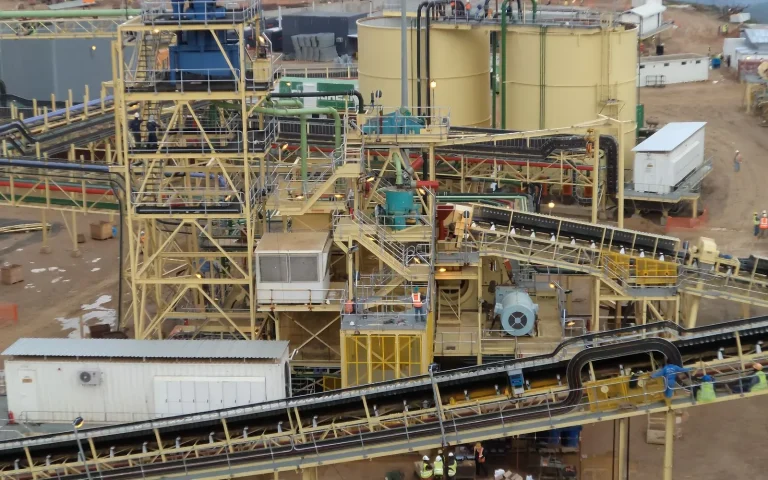
A combination of these technologies is often employed in cassiterite processing plants to optimize tin recovery and meet modern production requirements.
A: تختلف خصائص المعادن بشكل كبير حتى ضمن نفس جسم الخام. يضمن الاختبار المهني (مثل التحليل الكيميائي، تحليل حيود الأشعة السينية، والتصوير المجهري الإلكتروني) أن تكون خريطة التدفق محسّنة لدرجة خامك وحجم التحرير المحددين. يمنع ذلك عدم التوافق المكلف في المعدات ويضمن أعلى معدلات استرداد ممكنة لمشروعك.
A: نحن نحتفظ بمخزون دائم من قطع الغيار الأساسية (مثل بطانات الكسارات، وشبكات الشاشة، ومواد طحن). للعملاء الدوليين، نقدم قائمة "قطع الغيار الموصى بها لمدة عامين" مع عملية الشراء الأولية. الدعم الفني متاح على مدار الساعة طوال أيام الأسبوع عبر الفيديو عن بُعد، ويمكن ترتيب زيارات ميدانية لاحتياجات الصيانة المعقدة.
أ: نعم. نحن نرسل فريقاً من المهندسين الميكانيكيين والكهربائيين ذوي الخبرة إلى الموقع للإشراف على التركيب والتشغيل واختبار الحمولة للمعدات. كما نقدم تدريباً شاملاً في الموقع لمشغليكم المحليين لضمان تشغيل سلس على المدى الطويل.
A: بالتأكيد. نحن متخصصون في تقديم خدمات EPCM (الهندسة، الشراء، إدارة البناء). يشمل ذلك كل شيء من الفحوصات الأولية للخامات وتصميم المناجم إلى تصنيع المعدات واللوجستيات وتكامل المصانع على نطاق كامل، مما يضمن انتقالاً سلساً من المرحلة الخضراء إلى مرحلة الإنتاج.
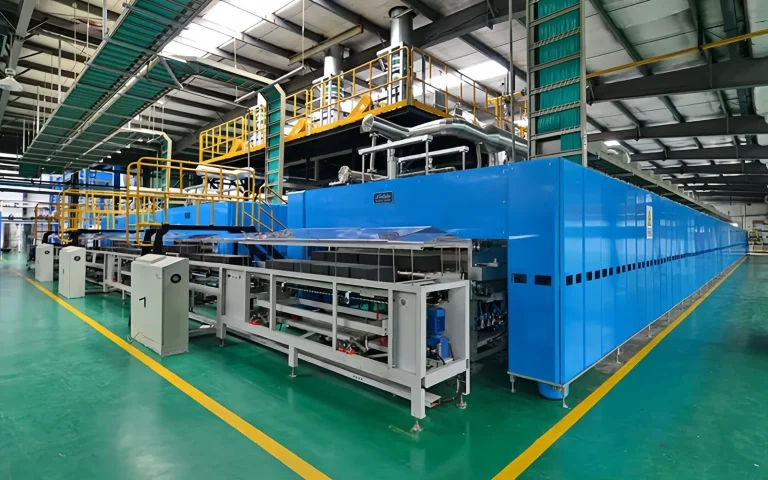
تتكون مادة أنود الجرافيت الصناعي بشكل رئيسي من فحم بترولي منخفض الكبريت عالي الجودة
أشهر الأنواع الخارجية من المعادن هو الذهب الطيني والذي يُعرف أيضًا باسم الذهب الثانوي. يشير الذهب الطيني إلى

خام خام: خام كبريتيد الأنتيمون مع عروق الكوارتز درجة الأنتيمون: 3.5% درجة التركيز: 55%
خام المعادن: خام الكالسيت CaCO3 الدرجة: 85% المنتج النهائي: مسحوق الكالسيت المغلف وغير المغلف (325 – 2500 شبكة)
خام خام: خام الموليبدينوم من النوع الكبريتيدي (الموليبدينيت) درجة الرأس: 0.15% مو درجة التركيز: ≥ 55% مو
خام خام: رمال نهرية من أنظمة الأنهار الداخلية في جنوب غرب الصين، تحتوي على الزركون، الروتيل، الإلمينيت، ومعادن ثقيلة أخرى
خام خام: ليبيدوليت، سبودومين، معادن العصارة: الكوارتز، الفلسبار، الميكا درجة Li₂O: 0.8%
خام الخام: خام الجرافيت المتبلور على شكلflakes. نسبة الكربون في التغذية: 8-12% (متغيرة) المنتج النهائي: تركيز جرافيت متبلور عالي النقاء
خام معدني: خام الذهب من نوع أكسيد درجة الذهب: 2.5 غم/طن نقاء سبيكة الذهب: 96%
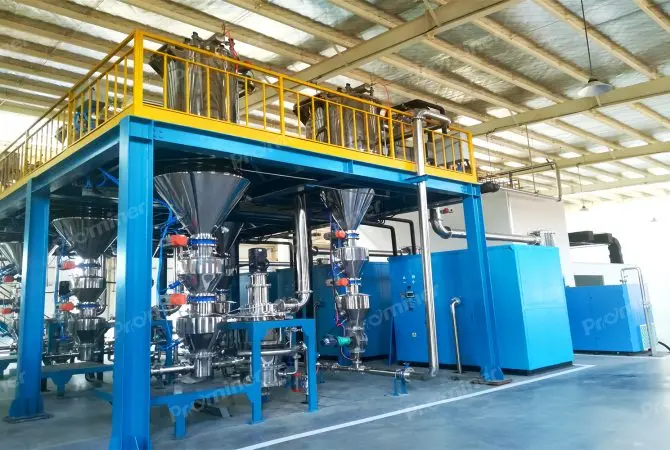
تسمى طاحونة النفاثة أيضًا طاحونة سرير مميع باستخدام عدة فوهات لتشكيل تدفق هواء بسرعة صوتية
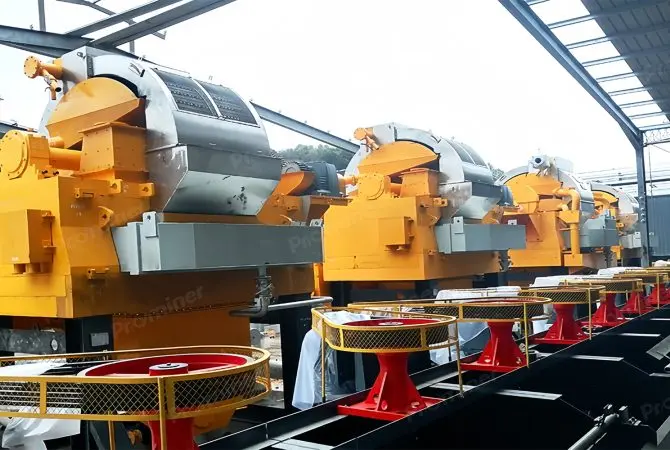
يمكن أن توفر بروماينر أنواعًا مختلفة من الفواصل المغناطيسية HIMS (فاصل مغناطيسي عالي الكثافة)
لمعرفة المزيد عن منتجاتنا وحلولنا، يرجى ملء النموذج أدناه وسيتواصل معك أحد خبرائنا قريبًا
مشروع فحص الذهب بقدرة 3000 طن يوميًا في مقاطعة شاندونغ
2500 طن يوميًا من فحص خام الليثيوم في سيتشوان
فاكس: (+86) 021-60870195
العنوان:رقم 2555، طريق زيوبو، بودونغ، شنغهاي
حقوق الطبع والنشر © 2023.بروماينر (شنغهاي) لتكنولوجيا التعدين المحدودة.