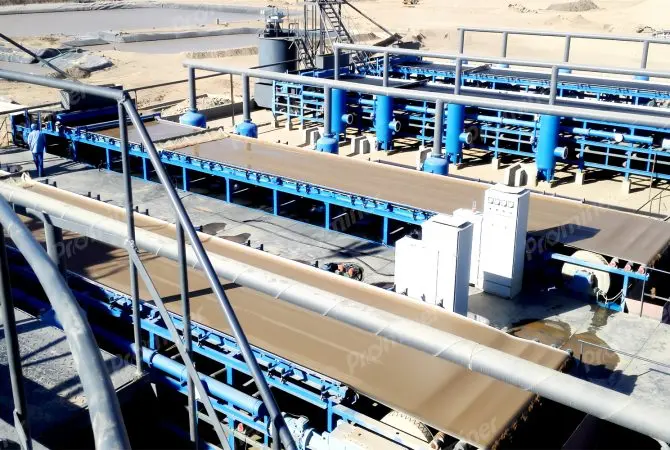
Prominer kan de complete oplossing bieden voor het maken van natuurlijke grafietanodematerialen, inclusief malen




Designing an effective flotation process flow is essential for maximizing mineral recovery, improving concentrate grade, and ensuring cost-efficient plant operation. The principle process flow is determined through a systematic evaluation of ore characteristics, metallurgical performance, and economic considerations. Below are the key steps and factors involved in determining the appropriate flotation process flow.
The foundation of any flotation process design is a thorough understanding of the ore properties. This includes:
Mineralogical analysis, such as microscopic examination and X-ray diffraction, provides critical information for selecting the appropriate flotation strategy.
Laboratory-scale flotation tests are essential to establish the basic process parameters. These tests help determine:
Batch flotation tests are typically performed first, followed by locked-cycle tests to simulate continuous operation. The results guide the development of a preliminary process flow.
Based on test results, the flotation circuit structure is designed. Common flotation circuit configurations include:
The number of cleaning stages depends on the desired concentrate quality and impurity removal requirements.
Grinding plays a crucial role in flotation performance. The grinding process must achieve sufficient mineral liberation without excessive overgrinding.
Belangrijke overwegingen zijn:
Proper grinding ensures that valuable minerals are exposed for flotation while minimizing slimes that may negatively affect recovery.
The reagent scheme directly influences separation efficiency. Selection involves:
Reagent selection is optimized based on laboratory tests and cost-effectiveness. In complex ores, reagent combinations may require extensive testing to achieve selective separation.
The flotation process flow must also incorporate downstream handling systems, such as:
Environmental regulations and water availability often influence the design of these systems.
Before finalizing the principle process flow, pilot-scale tests are often conducted to verify laboratory results under continuous operating conditions. These tests provide data on:
An economic evaluation is then carried out to balance capital investment, operating costs, and expected revenue from concentrate production.
After integrating all technical and economic data, the principle process flow is finalized. However, optimization continues during plant operation through:
Continuous monitoring ensures that the flotation system adapts to variations in ore characteristics.
Determining the principle process flow for flotation is a comprehensive process that combines mineralogical analysis, laboratory testing, circuit design, and economic assessment. A well-designed flotation flow not only improves recovery and concentrate quality but also enhances long-term operational efficiency and profitability.
A: Voor grafietbronnen moet een volledige oplossing zowel de natuurlijke grafietflotatie als verwerking op diepte omvatten. Het balpkart- en hydrocyclonsysteem dienen als de basis voor het maalproces. Voor de productie van geavanceerde anodenmaterialen is de vormpers essentieel om de tapdichtheid te verbeteren en de specifieke oppervlakte te verminderen. Daarnaast is het Prominer-coatingsysteem, dat coating- en granulatiefuncties combineert, een belangrijke stap in de verwerking van winstgevende anodenmaterialen.
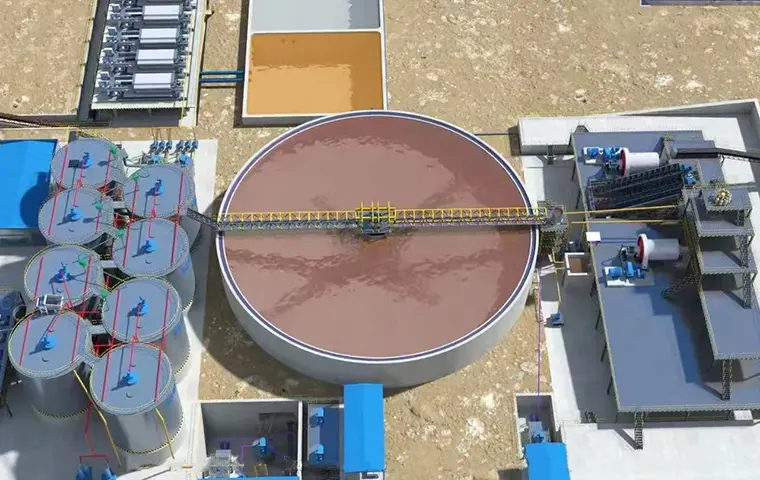
A: Processelectie hangt volledig af van de eigenschappen van het erts. Het Gold CIL/CIP-proces is een zeer populaire en effectieve manier om hoogwaardig oxidatiegouderts te verwerken. Voor veel andere goudprojecten blijft flotatie de meest populaire verwerkingsmethode. Voor eigenaren die bij de eerste fase willen besparen op investeringen, zijn vatstroom- of heap-stroombiolevering flexibele en economische opties. We raden aan te beginnen met een lab- en proefproces om de meest efficiënte en wetenschappelijke processtroom te bepalen.
A: Magnetische scheiding is cruciaal voor mijnverrijking. We bieden zowel HIMS (Hoge Intensiteit) als LIMS (Lage Intensiteit) magnetische scheiders om verschillende magneet eigenschappen van mineralen aan te kunnen. In een geoptimaliseerd plantontwerp wordt deze technologie geïntegreerd met een hoogrenderend breeksysteem—gebruikmakend van enkelcilinder- of meercilinder hydraulische kegelbrekers—en een maalproces. Dit zorgt ervoor dat afvalgesteente vroeg wordt afgewezen, wat de productiviteit aanzienlijk verbetert en energie bespaart.
A: Het ontwerpen van een succesvolle plant vereist een uitgebreide EPC (Engineering, Procurement, and Construction) dienstverlening. Belangrijke overwegingen zijn onder andere engineeringontwerp (site surveys, bemonsteringsgidsen en PFD-tekeningen) en maatwerk voor apparatuur om ervoor te zorgen dat de machines aansluiten bij de specifieke eigenschappen van het ertsmateriaal. Bijvoorbeeld, Prominer kan lineaire schermen aanpassen tot wel 5,1 meter breed voor grootschalige sortering en ontwatering. Tot slot zijn professionele on-site diensten, inclusief toezicht op civiele werken en ingebruikname, essentieel voor een langdurige stabiele werking.
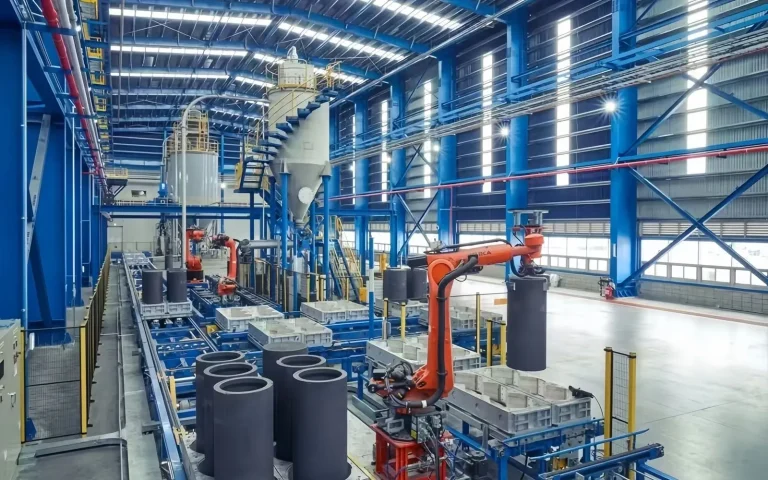
Prominer kan de complete oplossing bieden voor het maken van natuurlijke grafietanodematerialen, inclusief malen
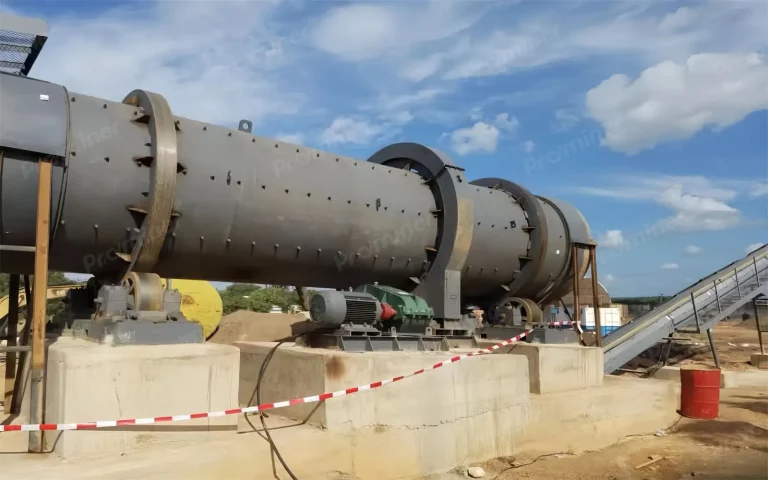
Heap leaching is een traditionele cyanide leaching verwerkingswijze die flexibel en economisch is om goud te extraheren
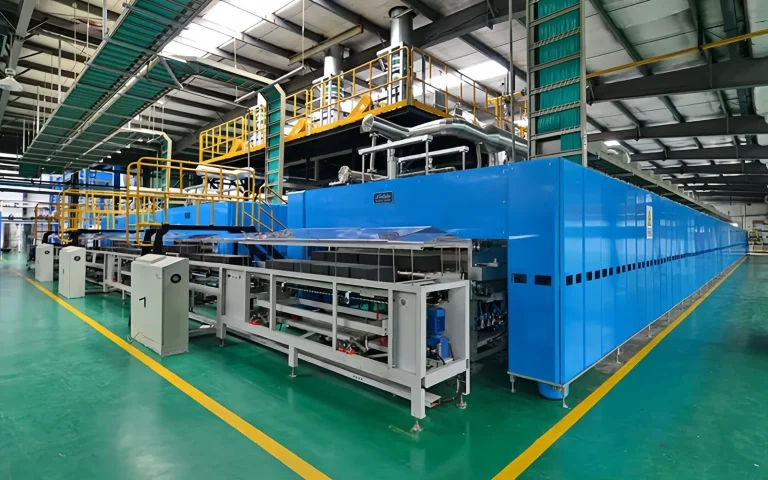
Kunstmatige grafietanodematerialen zijn voornamelijk gemaakt van petroleumkoks met een laag zwavelgehalte van hoge kwaliteit

Ruwe erts: Limoniettype lateriet nikkelerts Ni-gehalte: 1,2% Co-gehalte: 0,12%
Ruweerts: Sulfide Type Kopererts (Hoofdzakelijk Chalcopyriet) Kopergraden: 0,8% Eindproduct: Koperconcentraat
Ruwe Ores: Alluviaal gouderts uit rivierbedding Goudgehalte: 0,8 g/t
Ruw materiaal: Hoogcalciumkalk Eindproduct: Cementgrondstofpoeder (200 mesh) & bouwaggregaten
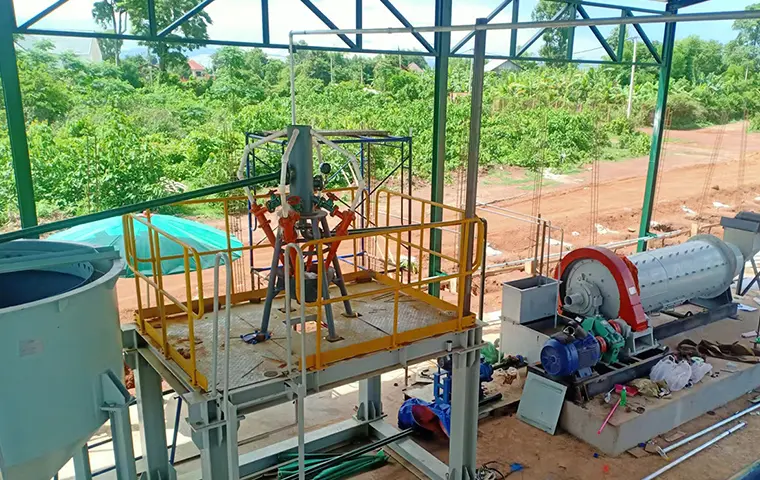
Kenmerken: Compacte indeling, volledige procesdekking, lage investeringskosten en snelle implementatie. Ontworpen voor Startups & Kleine Mijnen — Uw flexibele en efficiënte goudoplossing!
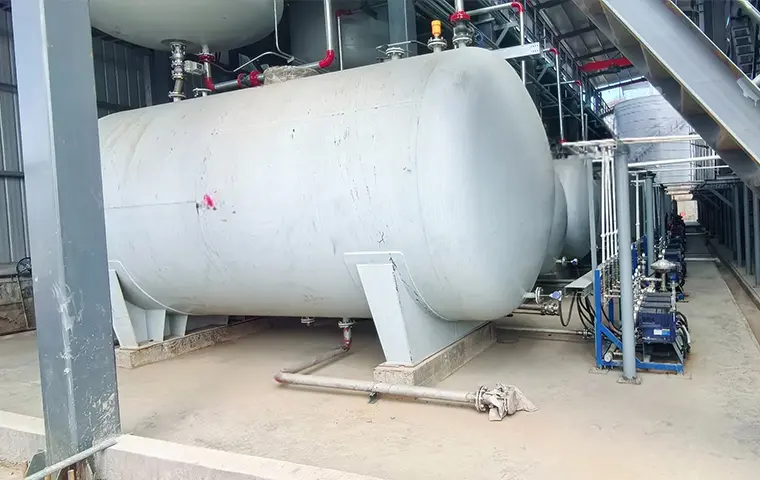
Ruwe Erts: Spodumene Lithium Erts Li2O Gehalte: 1,5% Concentratie Gehalte: 6,0%
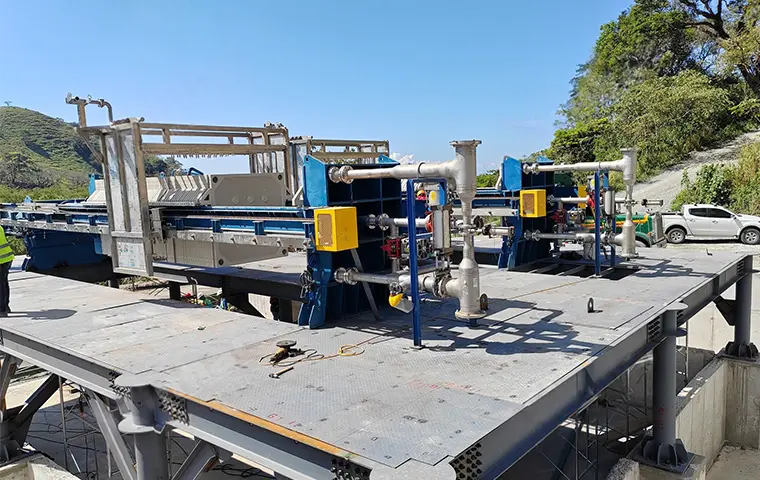
Ruwe Oren: Oxide- en Overgangsgouderts Goudgrade: 3,5 g/t Goudherstelpercentage: 93%
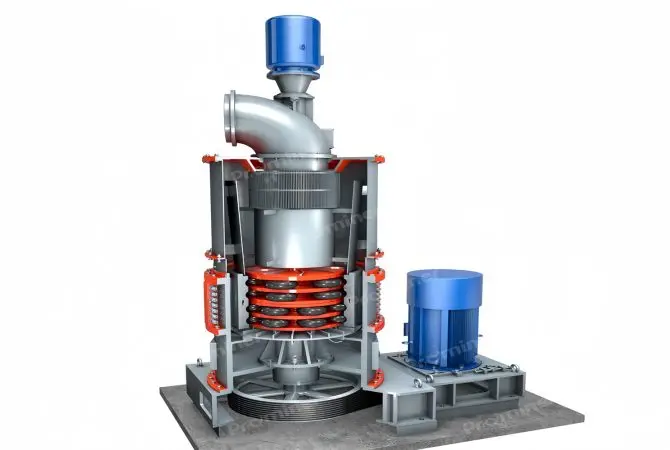
Wij kunnen de roller mill leveren voor het maken van ultrafijne poeder die geschikt is om te malen
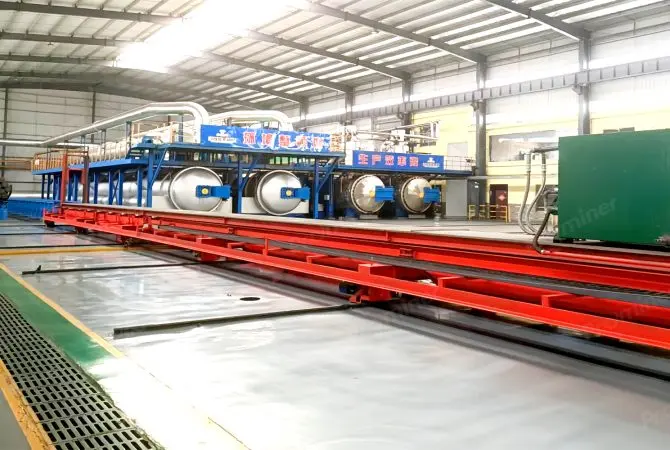
We kunnen hete-in en koude-uit type hogedrukimpregnatie van eenmaal gebakken grafiet bieden
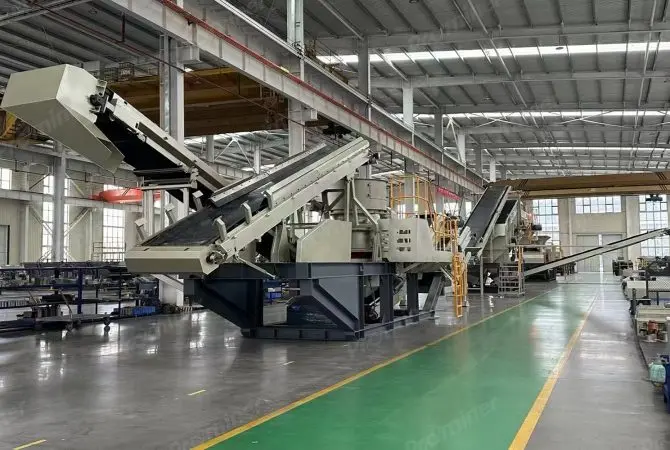
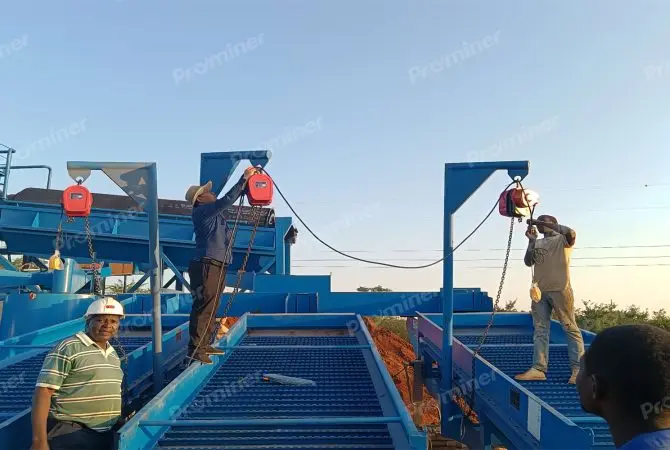
Skid gemonteerde draagbare crusher, gebaseerd op de markteisen voor gemakkelijker verplaatsen van de ene locatie naar de andere
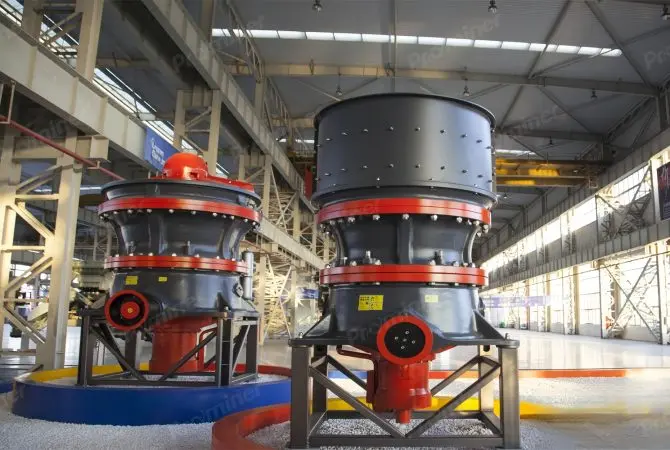
Single-cylinder hydraulische cone crusher heeft twee series op basis van verschillende caviteiten, S-caviteit is ontworpen
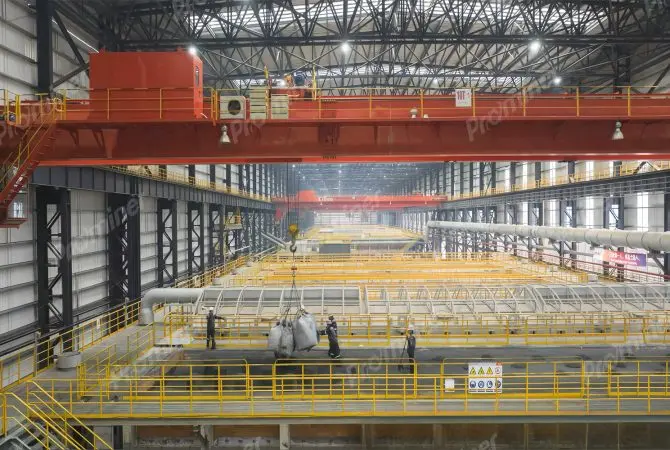
Wij kunnen verschillende soorten grafitiseringsovens leveren voor het veranderen van koolstofmateriaal
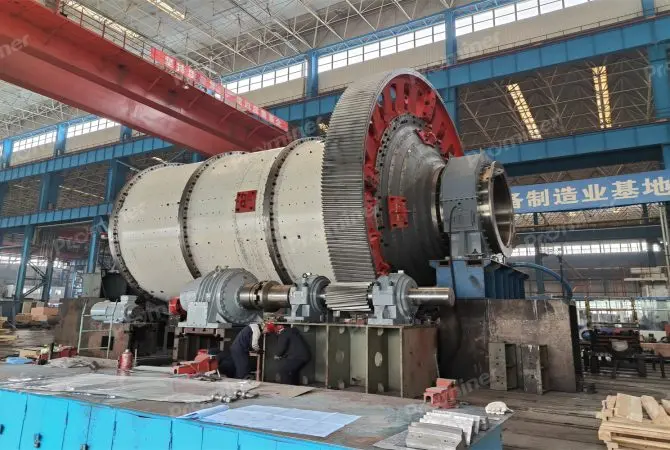
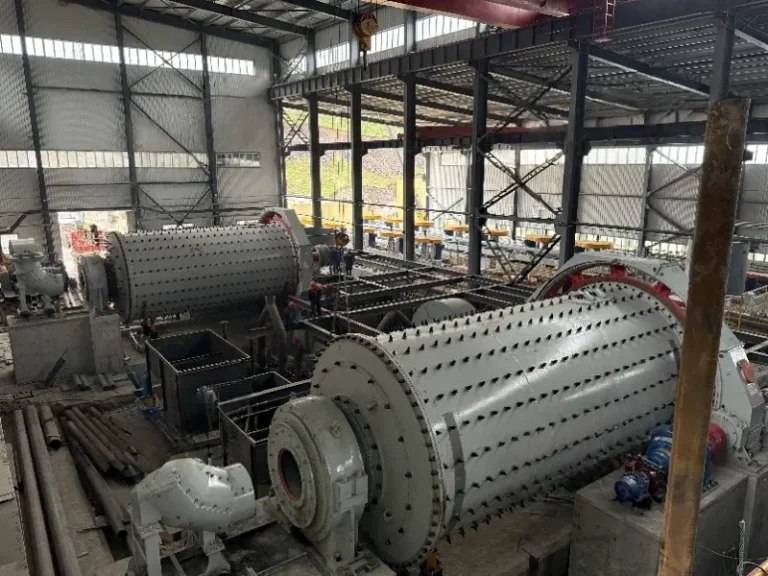
We kunnen een grate-type balmolen ontwerpen en vervaardigen voor primaire mineralenverwerking
Om meer te weten te komen over onze producten en oplossingen, vul alstublieft het onderstaande formulier in en een van onze experts zal u binnenkort terugbellen
3000 TPD goud flotatieproject in de provincie Shandong
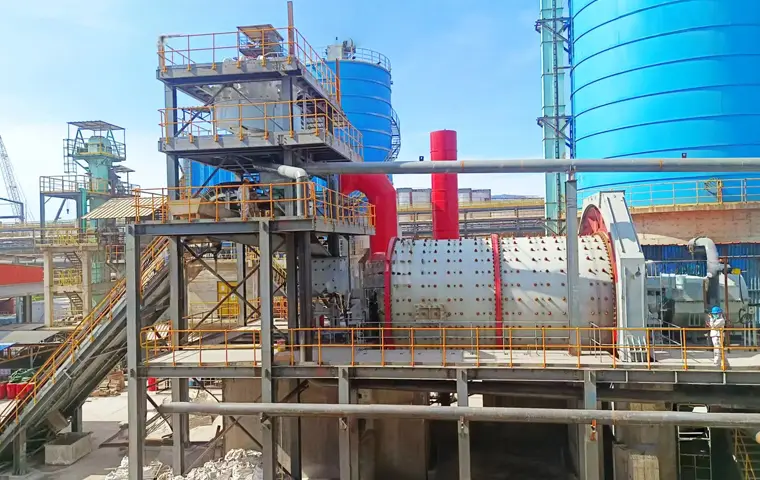
2500 TPD lithiumerts flotatie in Sichuan
Fax: (+86) 021-58779592
Adres:Kamer 606, Gebouw D3, Fase II, Chuansha Business Center, Long 777, Miaochuan Road, Pudong Nieuwgebied, Shanghai, China
Auteursrecht © 2023.Prominer (Shanghai) Mining Technology Co., Ltd.