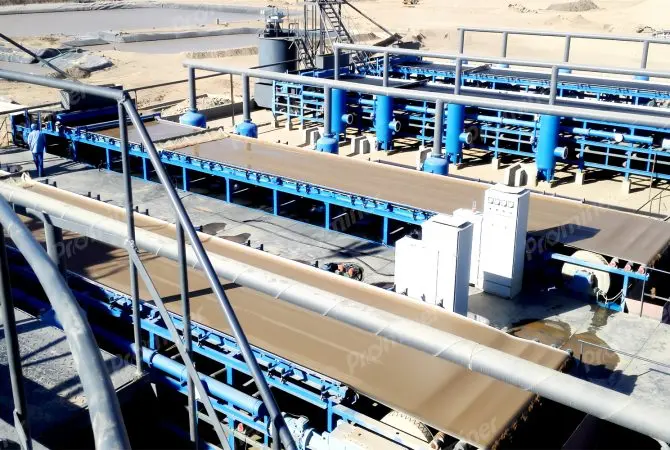
Prominer kann die vollständige Lösung zur Herstellung von Materialien für natürliche Graphitanoden einschließlich Mahlen bereitstellen.




Designing an effective flotation process flow is essential for maximizing mineral recovery, improving concentrate grade, and ensuring cost-efficient plant operation. The principle process flow is determined through a systematic evaluation of ore characteristics, metallurgical performance, and economic considerations. Below are the key steps and factors involved in determining the appropriate flotation process flow.
The foundation of any flotation process design is a thorough understanding of the ore properties. This includes:
Mineralogical analysis, such as microscopic examination and X-ray diffraction, provides critical information for selecting the appropriate flotation strategy.
Laboratory-scale flotation tests are essential to establish the basic process parameters. These tests help determine:
Batch flotation tests are typically performed first, followed by locked-cycle tests to simulate continuous operation. The results guide the development of a preliminary process flow.
Based on test results, the flotation circuit structure is designed. Common flotation circuit configurations include:
The number of cleaning stages depends on the desired concentrate quality and impurity removal requirements.
Grinding plays a crucial role in flotation performance. The grinding process must achieve sufficient mineral liberation without excessive overgrinding.
Wichtige Überlegungen umfassen:
Proper grinding ensures that valuable minerals are exposed for flotation while minimizing slimes that may negatively affect recovery.
The reagent scheme directly influences separation efficiency. Selection involves:
Reagent selection is optimized based on laboratory tests and cost-effectiveness. In complex ores, reagent combinations may require extensive testing to achieve selective separation.
The flotation process flow must also incorporate downstream handling systems, such as:
Environmental regulations and water availability often influence the design of these systems.
Before finalizing the principle process flow, pilot-scale tests are often conducted to verify laboratory results under continuous operating conditions. These tests provide data on:
An economic evaluation is then carried out to balance capital investment, operating costs, and expected revenue from concentrate production.
After integrating all technical and economic data, the principle process flow is finalized. However, optimization continues during plant operation through:
Continuous monitoring ensures that the flotation system adapts to variations in ore characteristics.
Determining the principle process flow for flotation is a comprehensive process that combines mineralogical analysis, laboratory testing, circuit design, and economic assessment. A well-designed flotation flow not only improves recovery and concentrate quality but also enhances long-term operational efficiency and profitability.
A: Für Graphitvorkommen sollte eine vollständige Lösung sowohl die Flotation von Naturgraphit als auch die Tiefverarbeitung abdecken. Das Kugelmühlen- und Hydrozyklonsystem dient als grundlegende MahleStufe. Für die Herstellung fortschrittlicher Anodematerialien ist die Formmaschine unerlässlich, um die Schüttdichte zu verbessern und die spezifische Oberfläche zu reduzieren. Zusätzlich ist das Prominer-Beschichtungssystem, das Beschichtungs- und Granulierungsfunktionen kombiniert, ein entscheidender Schritt bei der Verarbeitung von hochprofitorientierten Anodematerialien.
A: Die Prozessauswahl hängt vollständig von den Eigenschaften des Erzes ab. Das Gold-CIL/CIP-Verfahren ist eine sehr beliebte und effektive Methode zur Verarbeitung von hochgradigem oxidischem Golderz. Für viele andere Goldprojekte bleibt die Flotation die populärste Verarbeitungsmethode. Für Eigentümer, die in der Anfangsphase Investitionen sparen möchten, sind Nassleaching oder Hügelabbau flexible und wirtschaftliche Optionen. Wir empfehlen, mit einem Labor- und Pilotversuch zu beginnen, um den effizientesten und wissenschaftlichsten Prozessablauf zu bestimmen.
A: Magnetische Trennung ist entscheidend für die Mineralaufwertung. Wir bieten sowohl HIMS (Hochintensitäts) als auch LIMS (Niedrigintensitäts) Magnetabscheider an, um verschiedenen magnetischen Eigenschaften der Mineralien gerecht zu werden. In einem optimierten Anlagenlayout wird diese Technologie mit einem Hochleistungsspeicherungssystem – das entweder Einzelschicht- oder Mehrzylinderschächte-Hydraulik- kone crusher nutzt – und einem Mahlwerk kombiniert. Dadurch wird Abraum frühzeitig ausgeschieden, was die Produktivität erheblich verbessert und Energie spart.
A: Die Gestaltung einer erfolgreichen Anlage erfordert einen umfassenden EPC-Dienst (Engineering, Beschaffung und Bau). Wichtige Aspekte umfassen das Ingenieurdesign (Standortbesichtigungen, Probennahmeleitung und PFD-Zeichnungen) sowie die Anpassung der Ausrüstung, um sicherzustellen, dass die Maschinen den spezifischen Erzmerkmalen entsprechen. Zum Beispiel kann Prominer lineare Siebe bis zu einer Breite von 5,1 m für groß angelegte Klassierung und Entwässerung anpassen. Schließlich sind professionelle Vor-Ort-Dienste, einschließlich Überwachung der Bauarbeiten und Inbetriebnahme, entscheidend für einen langfristig stabilen Betrieb.
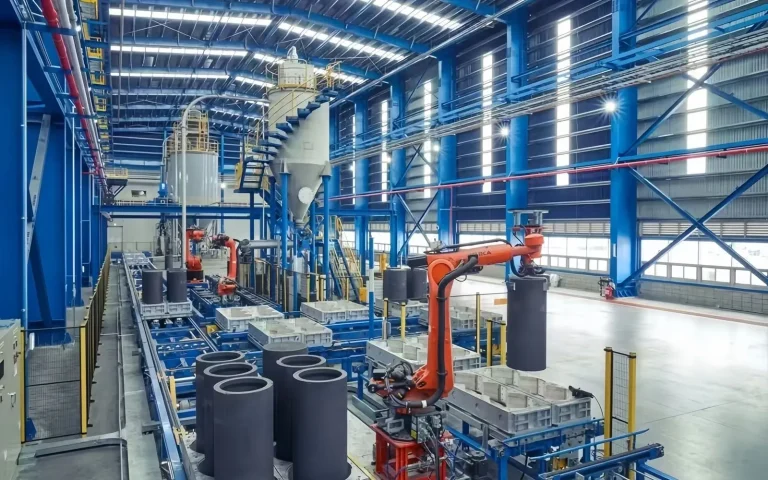
Prominer kann die vollständige Lösung zur Herstellung von Materialien für natürliche Graphitanoden einschließlich Mahlen bereitstellen.
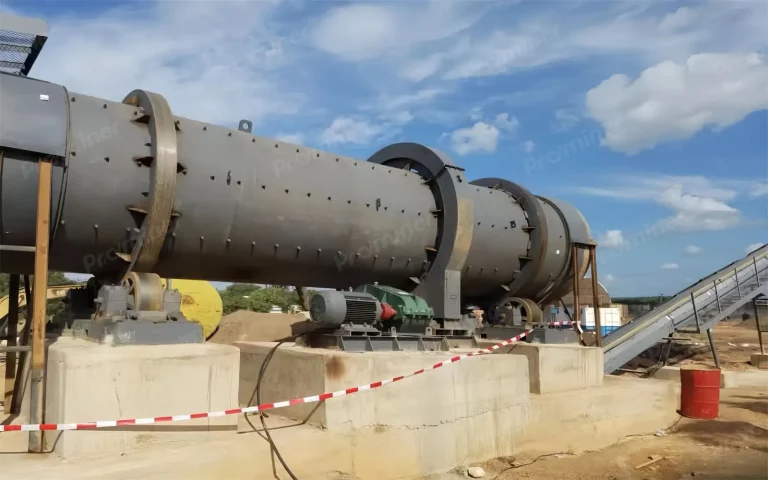
Heap-Leaching ist eine traditionelle Methode zur Cyanid-Auslaugung, die flexibel und wirtschaftlich zur Goldgewinnung ist.
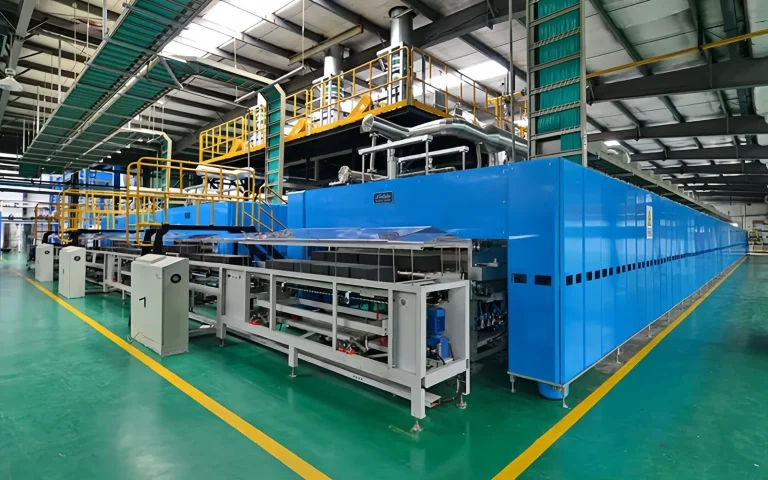
Künstliche Graphitanodenmaterialien bestehen hauptsächlich aus hochwertigem, schwermetallfreiem Petroleumkoks.

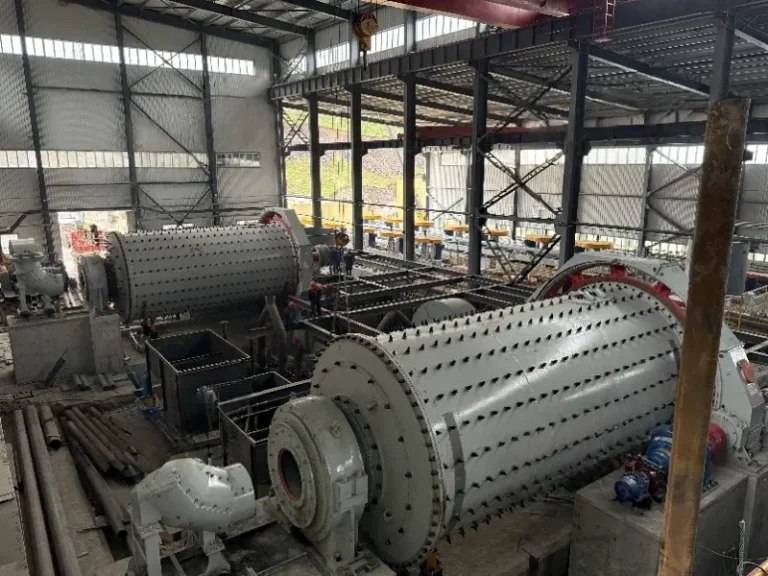
Roherz: Limonit-Laterit-Nickel-Erz Ni-Gehalt: 1,2 % Co-Gehalt: 0,12 %
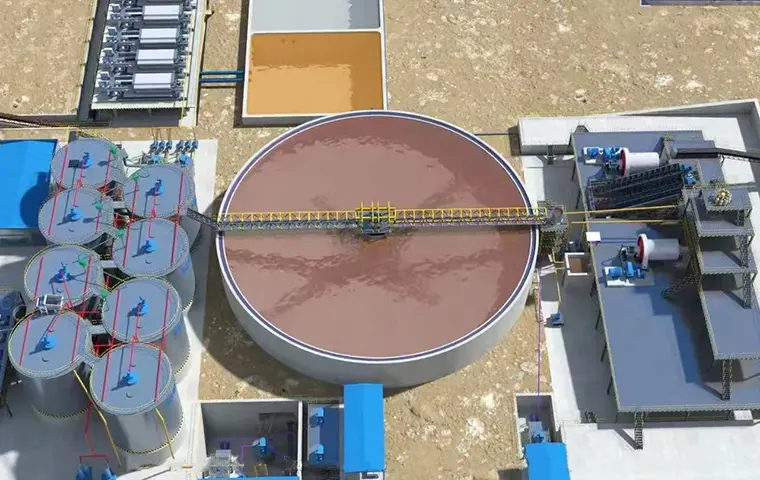
Rohmineral: Sulfidtyp Kupfererz (hauptsächlich Chalcopyrit) Kupfergehalt: 0,8% Endprodukt: Kupferkonzentrat
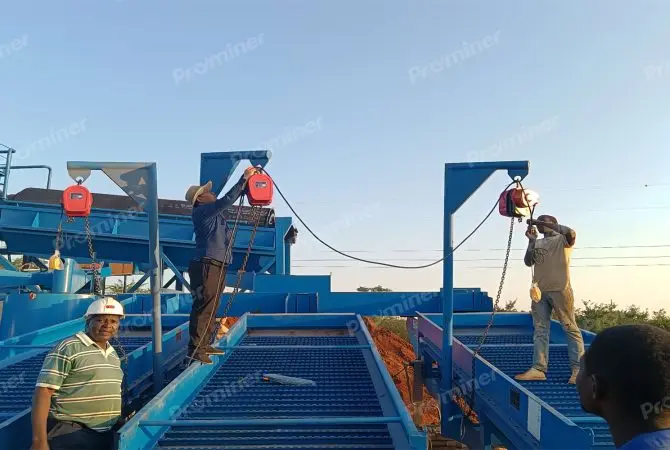
Rohmineral: Alluvialgolderz von Flussbett Goldgehalt: 0,8 g/t
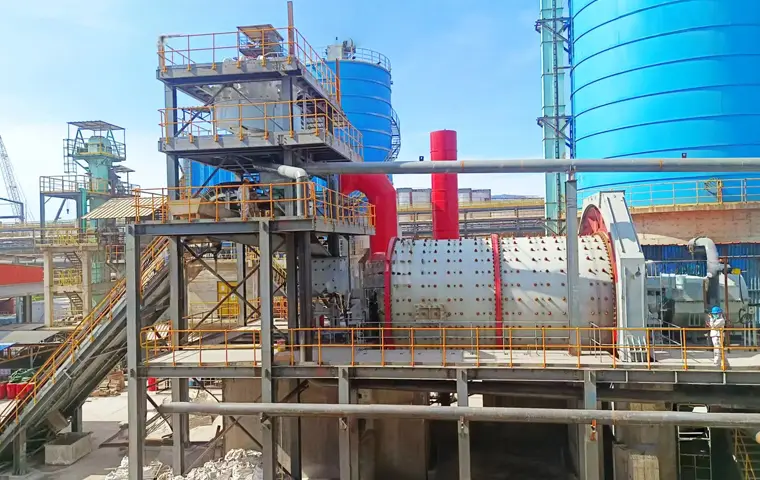
Rohmaterial: Hochkalziumkalk Endprodukt: Zementrohmehl (200 Maschen) & Baustoffzuschlagstoffe
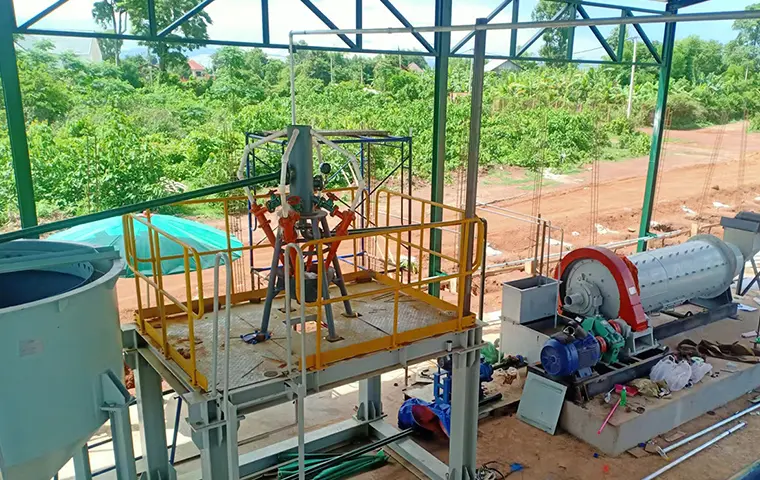
Merkmale: Kompakte Anordnung, vollständige Prozessabdeckung, niedrige Investitionskosten und schnelle Implementierung. Entwickelt für Startups und kleine Minen — Ihre flexible und effiziente Goldlösung!
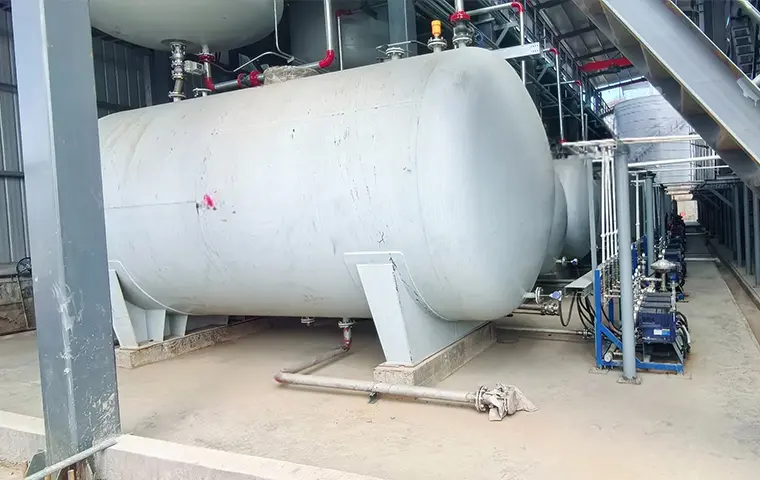
Rohmineral: Spodumen-Lithiumerz Li2O-Gehalt: 1,5% Konzentration: 6,0%
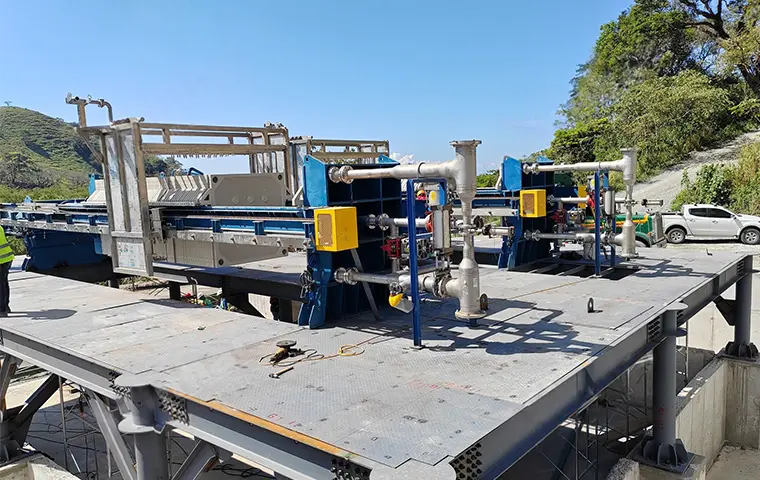
Rohmineral: Oxid- und Übergangs-Golderz Goldgehalt: 3,5 g/t Goldrückgewinnungsrate: 93%
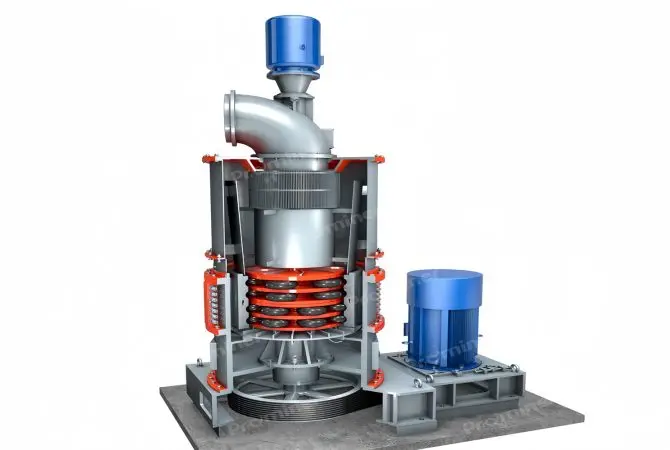
Wir können die Walzenmühle zur Herstellung von ultrafeinem Pulver anbieten, die geeignet ist, um zu mahlen
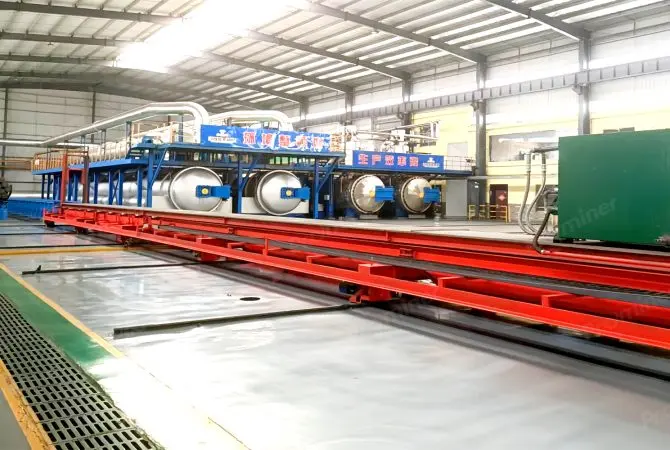
Wir können eine Hochdruck-Imprägnierung mit heißem Eingang und kaltem Ausgang von einmal gebackenem Grafit anbieten
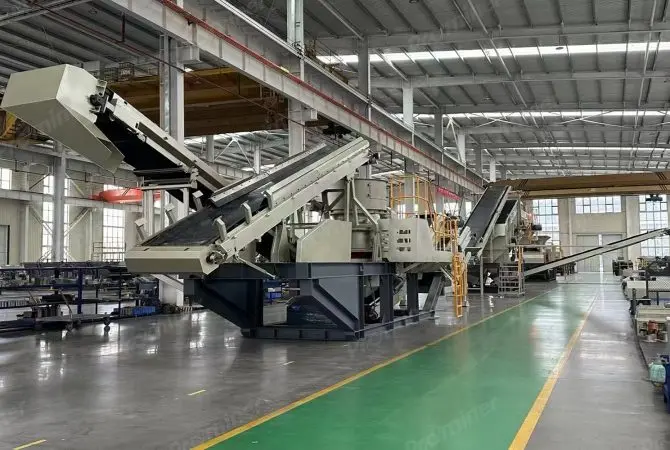
Skid-montierter tragbarer Crusher, basierend auf den Marktanforderungen für einfaches Bewegen von einem Standort
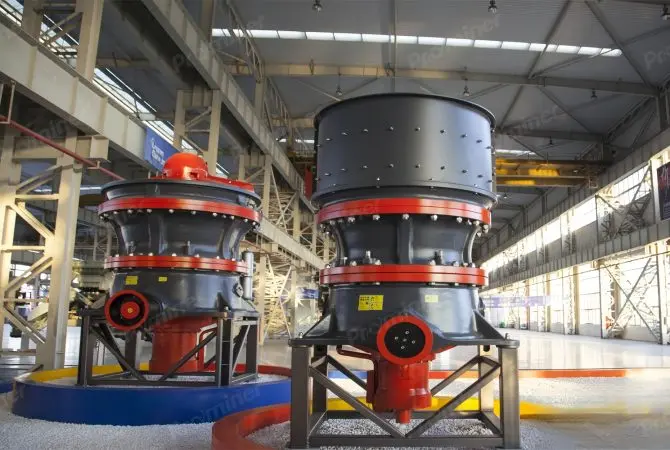
Einzelzylinder hydraulischer Kegelbrecher hat zwei Serien basierend auf unterschiedlichen Kavitäten, die S-Kavität ist entworfen
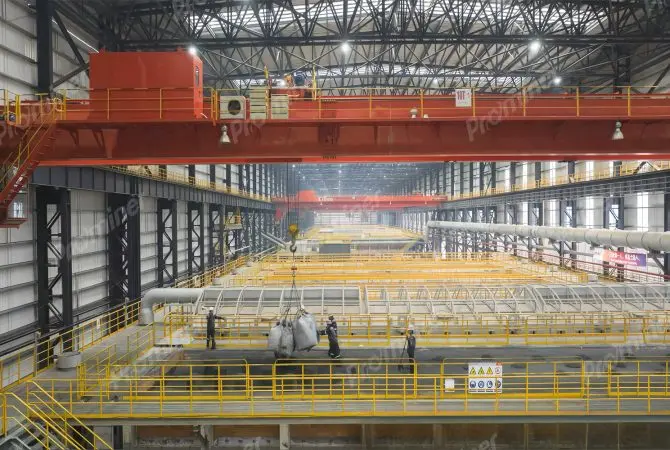
Wir können verschiedene Arten von Graphitierungsöfen für die Umwandlung von Kohlenstoffmaterial bereitstellen
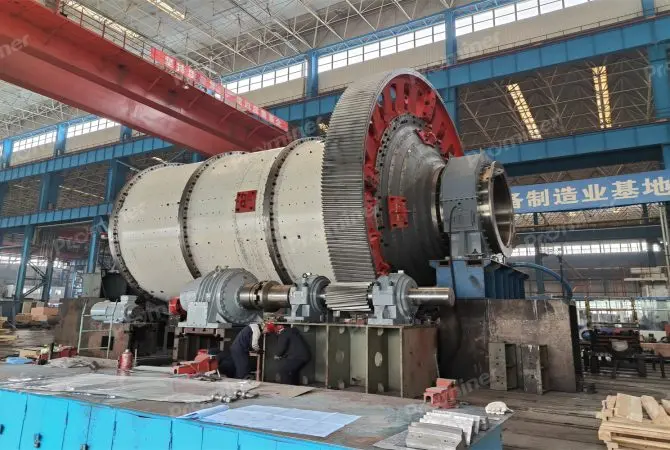
Wir können eine Gitterkugel-Mühle für die primäre Mineralvermahlung entwerfen und herstellen
Um mehr über unsere Produkte und Lösungen zu erfahren, füllen Sie bitte das untenstehende Formular aus, und einer unserer Experten wird sich in Kürze bei Ihnen melden.
3000 TPD Goldflotationsprojekt in der Provinz Shandong
2500 TPD Lithiumerzfloation in Sichuan
Fax: (+86) 021-58779592
Adresse:Zimmer 606, Gebäude D3, Phase II, Chuansha Business Center, 777 Long, Miaochuan Straße, Pudong New Area, Shanghai, China
Urheberrecht © 2023.Prominer (Shanghai) Mining Technology Co., Ltd.