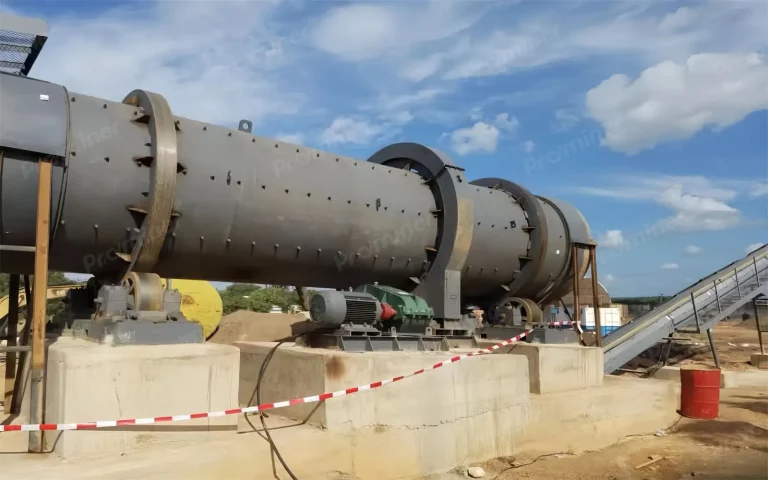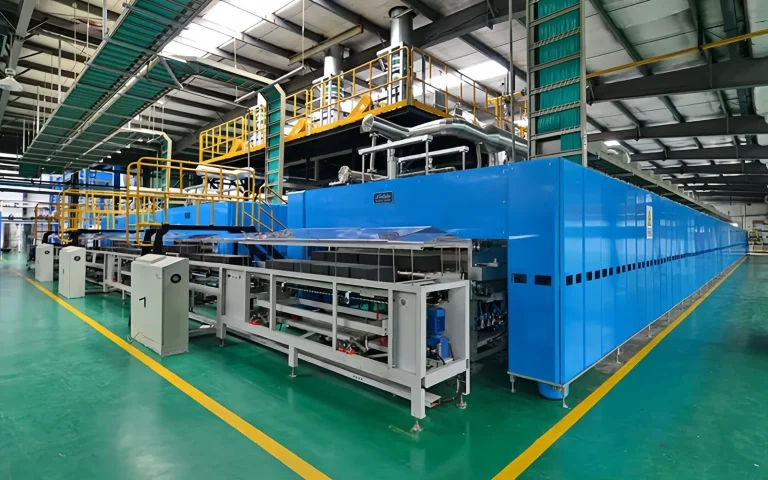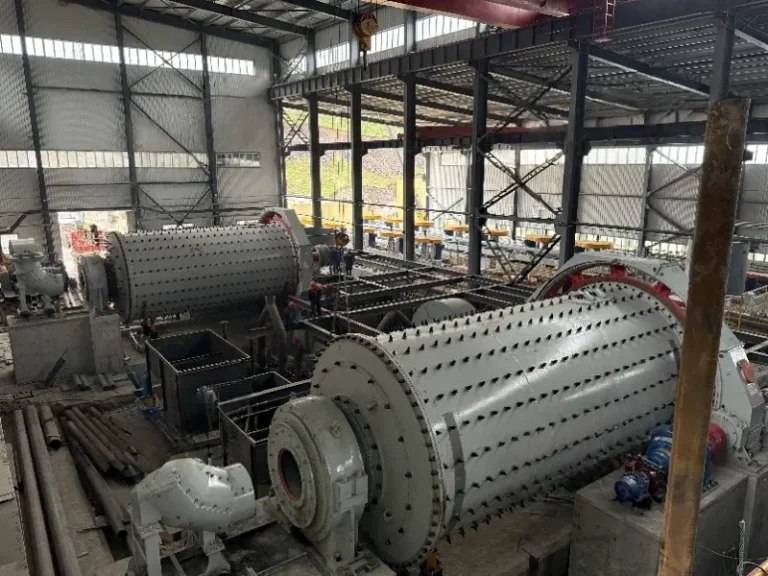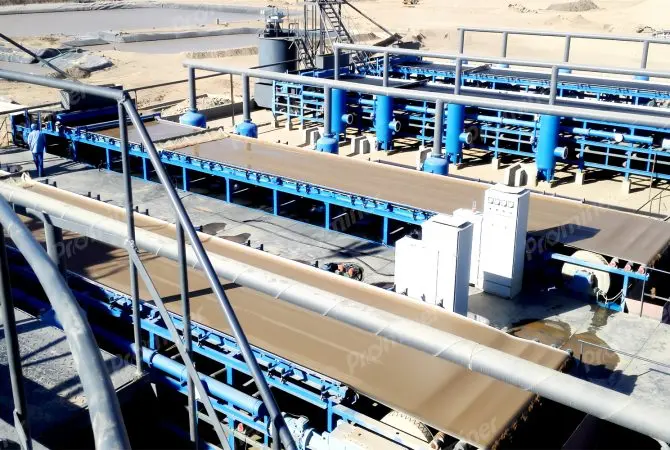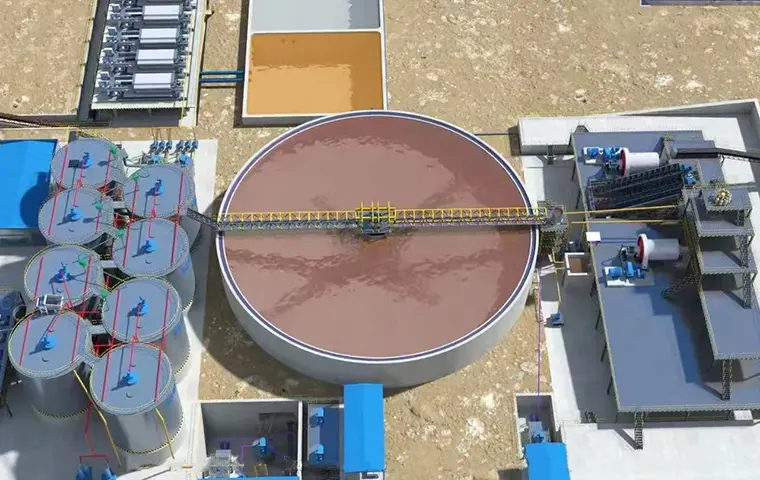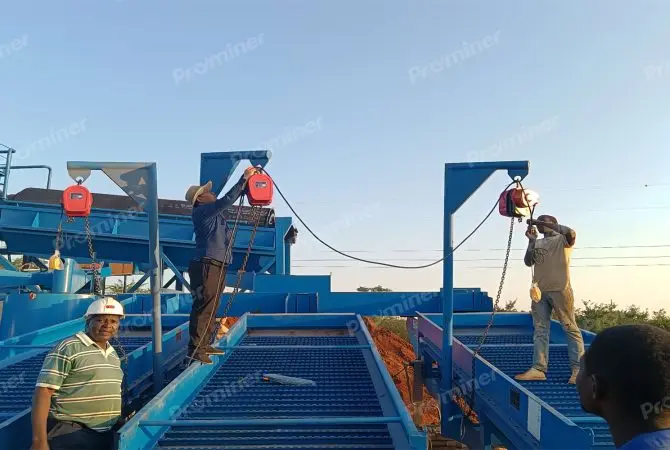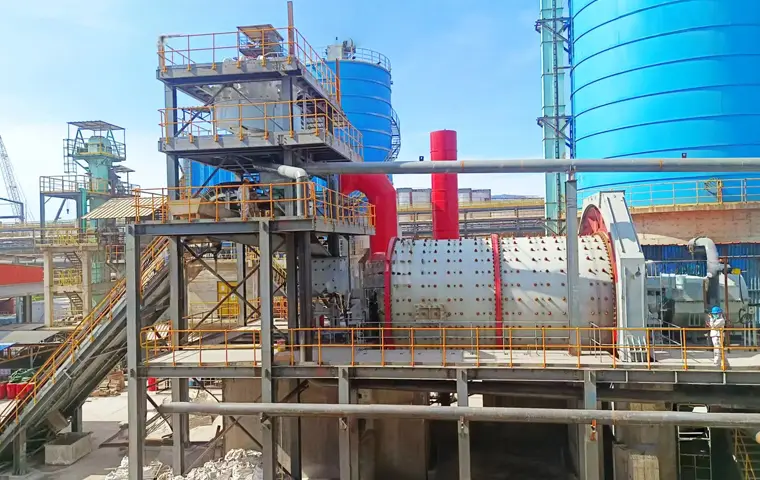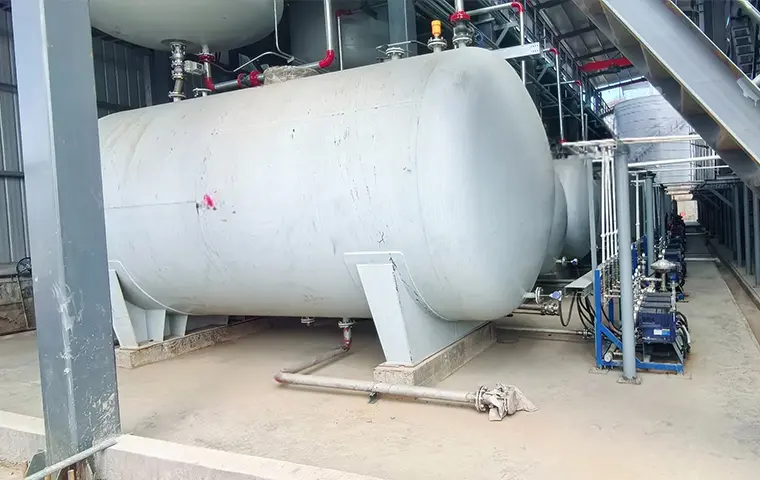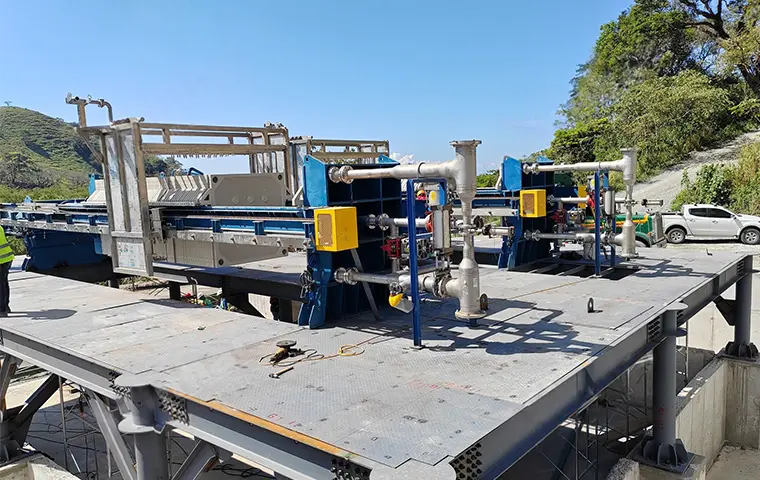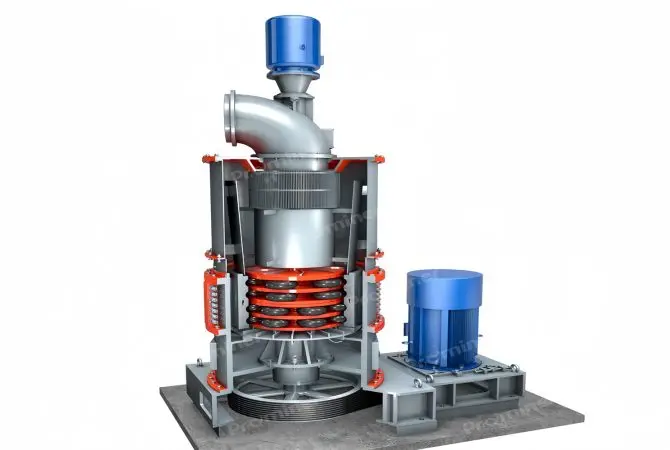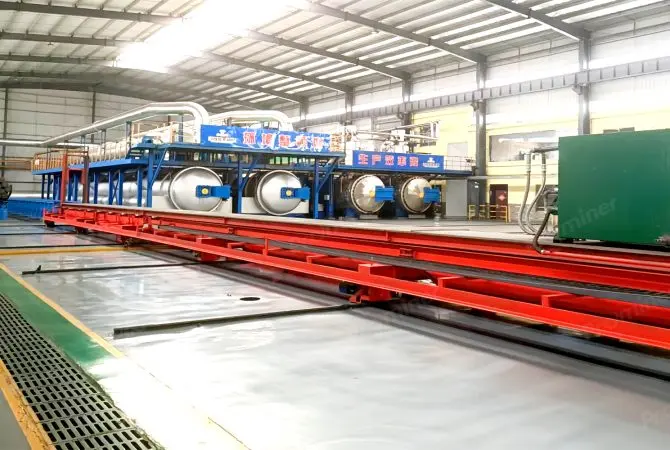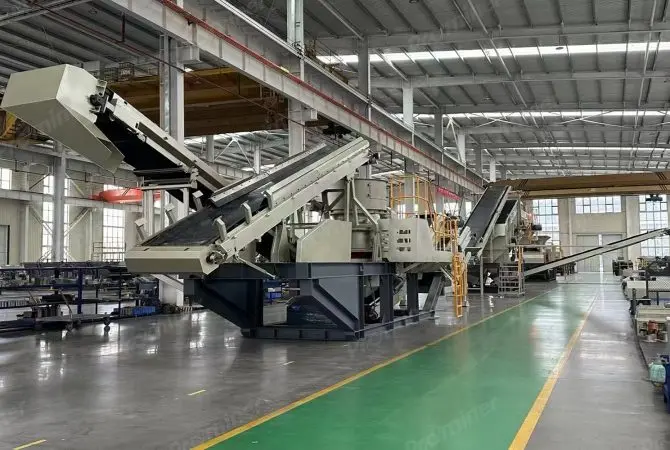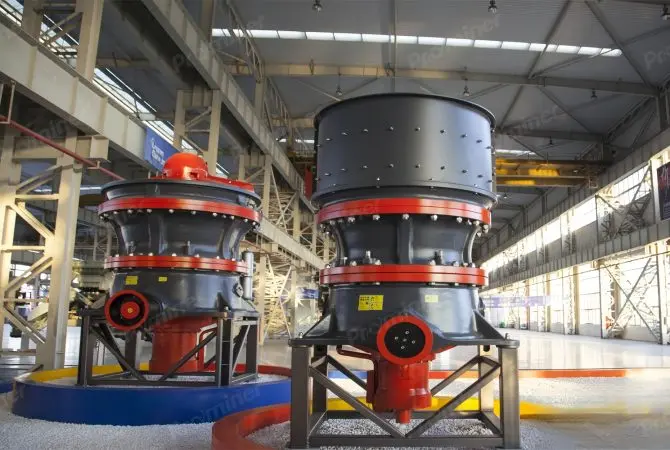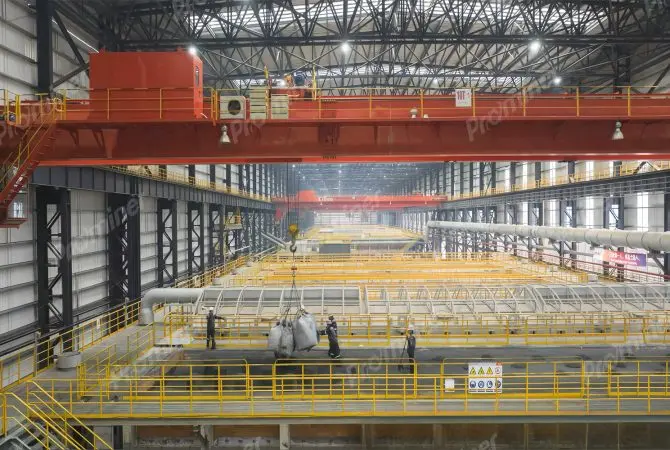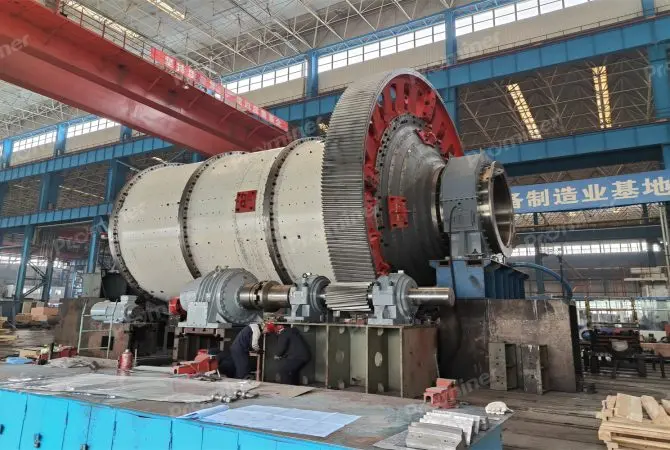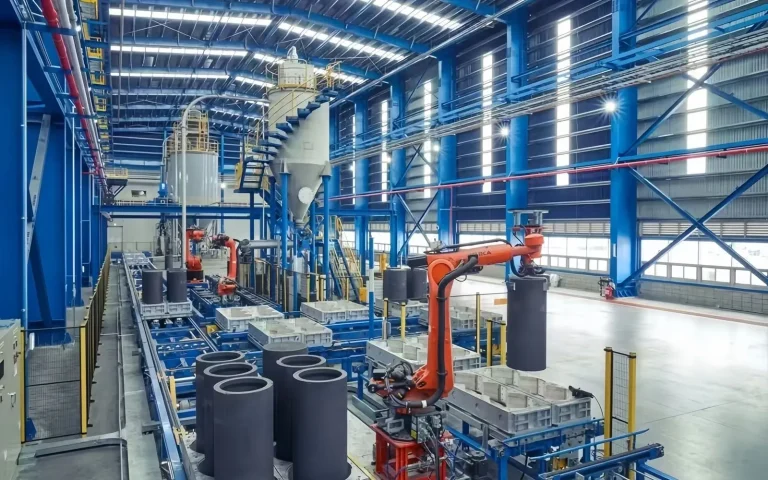
プロミナーは、天然グラファイトアノード材料の製造に関する完全なソリューションを提供でき、粉砕を含みます




Designing an effective flotation process flow is essential for maximizing mineral recovery, improving concentrate grade, and ensuring cost-efficient plant operation. The principle process flow is determined through a systematic evaluation of ore characteristics, metallurgical performance, and economic considerations. Below are the key steps and factors involved in determining the appropriate flotation process flow.
The foundation of any flotation process design is a thorough understanding of the ore properties. This includes:
Mineralogical analysis, such as microscopic examination and X-ray diffraction, provides critical information for selecting the appropriate flotation strategy.
Laboratory-scale flotation tests are essential to establish the basic process parameters. These tests help determine:
Batch flotation tests are typically performed first, followed by locked-cycle tests to simulate continuous operation. The results guide the development of a preliminary process flow.
Based on test results, the flotation circuit structure is designed. Common flotation circuit configurations include:
The number of cleaning stages depends on the desired concentrate quality and impurity removal requirements.
Grinding plays a crucial role in flotation performance. The grinding process must achieve sufficient mineral liberation without excessive overgrinding.
主要なポイントには以下が含まれます:
Proper grinding ensures that valuable minerals are exposed for flotation while minimizing slimes that may negatively affect recovery.
The reagent scheme directly influences separation efficiency. Selection involves:
Reagent selection is optimized based on laboratory tests and cost-effectiveness. In complex ores, reagent combinations may require extensive testing to achieve selective separation.
The flotation process flow must also incorporate downstream handling systems, such as:
Environmental regulations and water availability often influence the design of these systems.
Before finalizing the principle process flow, pilot-scale tests are often conducted to verify laboratory results under continuous operating conditions. These tests provide data on:
An economic evaluation is then carried out to balance capital investment, operating costs, and expected revenue from concentrate production.
After integrating all technical and economic data, the principle process flow is finalized. However, optimization continues during plant operation through:
Continuous monitoring ensures that the flotation system adapts to variations in ore characteristics.
Determining the principle process flow for flotation is a comprehensive process that combines mineralogical analysis, laboratory testing, circuit design, and economic assessment. A well-designed flotation flow not only improves recovery and concentrate quality but also enhances long-term operational efficiency and profitability.
A: 黒鉛資源に関しては、自然黒鉛の浮選と深加工の両方を包含する完全なソリューションが必要です。ボールミルとハイドロサイクロンシステムは、基本的な粉砕段階として機能します。高級陽極材料の生産には、成形ミルが必要不可欠であり、比重を向上させて比表面積を低減します。さらに、コーティングと顆粒化の機能を兼ね備えたProminerコーティングシステムは、高利益率の陽極材料を処理する上で重要なステップです。
A:プロセスの選択は、鉱石の特性に完全に依存します。ゴールドCIL/CIPプロセスは、高品位酸化型金鉱を処理するための非常に一般的で効果的な方法です。多くの他の金鉱プロジェクトでは、フローテーションが最も人気のある処理方法です。投資を初期段階で節約したい所有者には、バット浸出や堆積浸出が柔軟で経済的な選択肢です。最も効率的で科学的なプロセスフローを決定するために、まず実験室やパイロットテストから始めることをお勧めします。
磁気分離は鉱物の品質向上にとって重要です。私たちは、異なる鉱物の磁気特性に対応するために、HIMS(高強度)およびLIMS(低強度)の磁気分離機を提供しています。最適化されたプラント設計では、この技術は単一シリンダーまたは多シリンダーの油圧式円錐破砕機を備えた高性能破砕システムとグラインドシステムと統合されています。これにより、不要な岩石を早期に排除し、生産性を大幅に向上させ、省エネルギーを実現します。
A:成功するプラントの設計には、総合的なEPC(エンジニアリング、調達、建設)サービスが必要です。主要な考慮事項には、エンジニアリング設計(現地調査、採取ガイドライン、PFD図面)や機器のカスタマイズが含まれ、これにより機械が特定の鉱石の特性に適合するようにします。例えば、Prominerは大規模なグレーディングや脱水用に、最大で5.1メートル幅のリニアスクリーンをカスタマイズ可能です。最後に、土木工事の監督や試運転を含む専門的な現地サービスは、長期的に安定した運用を実現するために不可欠です。

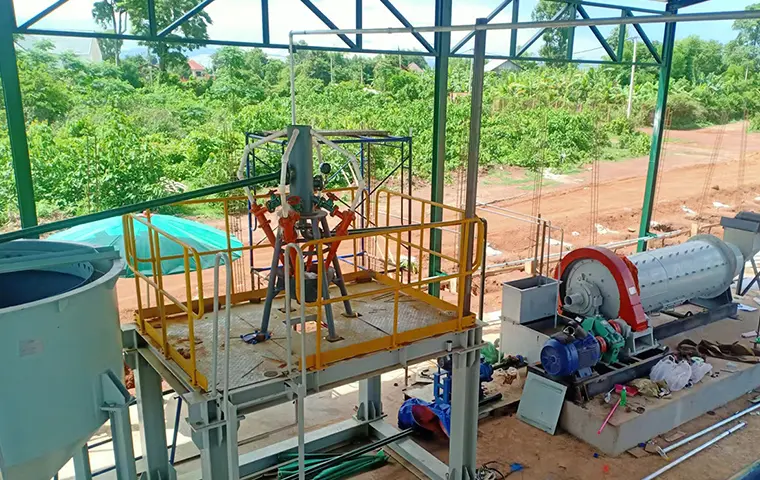
特徴:コンパクトなレイアウト、全プロセスのカバー、低投資コスト、迅速な導入。スタートアップおよび小規模鉱山向けに設計された、柔軟で効率的な金ソリューションです!
私たちの製品とソリューションについて詳しく知るためには、以下のフォームに記入してください。私たちの専門家の一人がすぐにご連絡いたします
ファックス: (+86) 021-58779592
住所:中国上海浦东新区苗川路777号川沙商务中心D3楼606室第二期
著作権 © 2023.プロマイナー(上海)鉱業技術有限公司