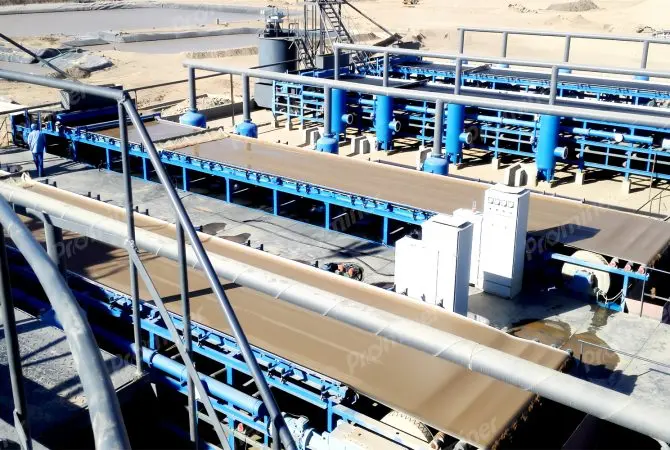
Hard koolstof anodemateriaal is het meest voorkeursmateriaal voor commercialisering van natrium-ionbatterijen


/
/
What Are Effective Methods for Quartz Processing via Flotation and Chemical Beneficiation?


Quartz is one of the most abundant minerals in the Earth’s crust and is widely used in glassmaking, ceramics, electronics, and high-purity silicon applications. However, raw quartz often contains impurities such as iron oxides, feldspar, mica, clay minerals, and heavy minerals. To meet industrial quality standards—especially for high-purity quartz—advanced processing techniques such as flotation and chemical beneficiation are employed.
Below is an overview of effective methods used in quartz purification.
The effectiveness of quartz beneficiation depends on the type and distribution of impurities. Common contaminants include:
The primary goal of processing is to increase SiO₂ content while minimizing metallic and non-metallic impurities. High-end industries, such as semiconductor and photovoltaic manufacturing, may require silica purity levels above 99.9%.
Flotation is one of the most efficient techniques for separating quartz from associated minerals based on differences in surface properties.
In this method, quartz is floated while impurities are depressed. Cationic collectors such as amines are commonly used under acidic or neutral pH conditions.
Key steps include:
This method is particularly effective when quartz is the primary valuable mineral.
Reverse flotation is widely used in quartz beneficiation. Instead of floating quartz, impurities such as feldspar and iron-bearing minerals are floated away.
Reverse flotation is often preferred for high-purity quartz production because it improves selectivity and reduces silica loss.
Iron impurities significantly affect quartz quality. Targeted flotation can remove iron-bearing minerals using:
This combination improves overall purification results.
When physical and flotation methods are insufficient to meet purity standards, chemical beneficiation is applied to remove trace contaminants.
Acid leaching is one of the most effective chemical purification techniques. It removes iron oxides and other metallic impurities from quartz surfaces and grain boundaries.
Common acids used:
Leaching is typically conducted under controlled temperature and agitation to maximize reaction efficiency.
For ultra-high purity quartz, mixed acid systems (e.g., HCl + HF) are used. This method:
Strict safety and environmental protocols are required due to the corrosive and toxic nature of these chemicals.
In some cases, alkali treatment followed by calcination helps loosen impurity phases before acid leaching. Thermal treatment can also:
This pre-treatment step increases the effectiveness of subsequent chemical purification.
The most effective quartz processing plants combine multiple techniques in a staged approach:
This integrated process maximizes silica recovery while achieving high purity levels suitable for demanding industrial applications.
Several factors affect flotation and chemical beneficiation performance:
Careful optimization of these parameters is essential to achieve both high recovery rates and superior product quality.
Effective quartz processing requires a combination of physical separation, flotation techniques, and chemical beneficiation. Flotation is highly efficient for removing feldspar, mica, and iron-bearing minerals, while acid leaching ensures the removal of trace contaminants for high-purity applications.
By integrating these methods into a well-designed process flow, producers can achieve the stringent purity standards required in modern industries such as glass manufacturing, electronics, and solar energy production.
A: Voor grafietbronnen moet een volledige oplossing zowel de natuurlijke grafietflotatie als verwerking op diepte omvatten. Het balpkart- en hydrocyclonsysteem dienen als de basis voor het maalproces. Voor de productie van geavanceerde anodenmaterialen is de vormpers essentieel om de tapdichtheid te verbeteren en de specifieke oppervlakte te verminderen. Daarnaast is het Prominer-coatingsysteem, dat coating- en granulatiefuncties combineert, een belangrijke stap in de verwerking van winstgevende anodenmaterialen.
A: Processelectie hangt volledig af van de eigenschappen van het erts. Het Gold CIL/CIP-proces is een zeer populaire en effectieve manier om hoogwaardig oxidatiegouderts te verwerken. Voor veel andere goudprojecten blijft flotatie de meest populaire verwerkingsmethode. Voor eigenaren die bij de eerste fase willen besparen op investeringen, zijn vatstroom- of heap-stroombiolevering flexibele en economische opties. We raden aan te beginnen met een lab- en proefproces om de meest efficiënte en wetenschappelijke processtroom te bepalen.
A: Magnetische scheiding is cruciaal voor mijnverrijking. We bieden zowel HIMS (Hoge Intensiteit) als LIMS (Lage Intensiteit) magnetische scheiders om verschillende magneet eigenschappen van mineralen aan te kunnen. In een geoptimaliseerd plantontwerp wordt deze technologie geïntegreerd met een hoogrenderend breeksysteem—gebruikmakend van enkelcilinder- of meercilinder hydraulische kegelbrekers—en een maalproces. Dit zorgt ervoor dat afvalgesteente vroeg wordt afgewezen, wat de productiviteit aanzienlijk verbetert en energie bespaart.
A: Het ontwerpen van een succesvolle plant vereist een uitgebreide EPC (Engineering, Procurement, and Construction) dienstverlening. Belangrijke overwegingen zijn onder andere engineeringontwerp (site surveys, bemonsteringsgidsen en PFD-tekeningen) en maatwerk voor apparatuur om ervoor te zorgen dat de machines aansluiten bij de specifieke eigenschappen van het ertsmateriaal. Bijvoorbeeld, Prominer kan lineaire schermen aanpassen tot wel 5,1 meter breed voor grootschalige sortering en ontwatering. Tot slot zijn professionele on-site diensten, inclusief toezicht op civiele werken en ingebruikname, essentieel voor een langdurige stabiele werking.
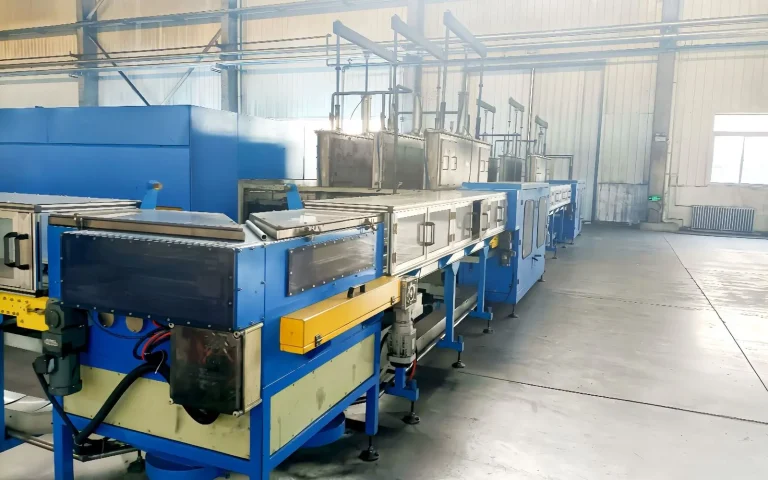
Hard koolstof anodemateriaal is het meest voorkeursmateriaal voor commercialisering van natrium-ionbatterijen
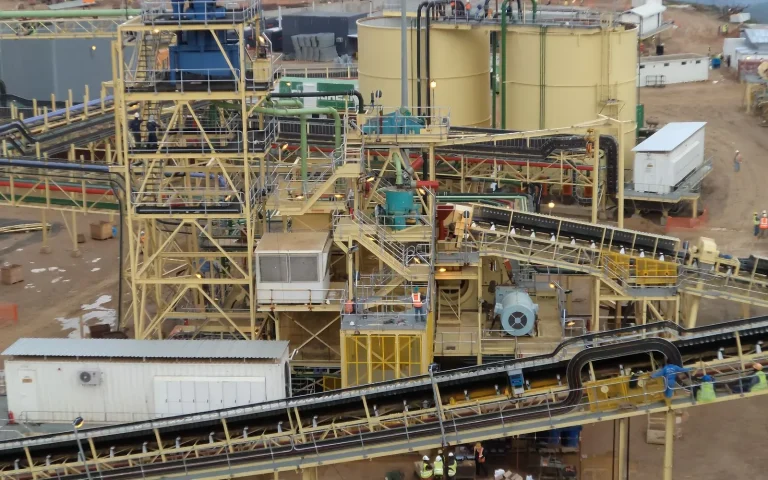
Flotatie is de meest populaire verwerkingswijze in goudertsverwerkingsprojecten. Omdat het flotatieproces
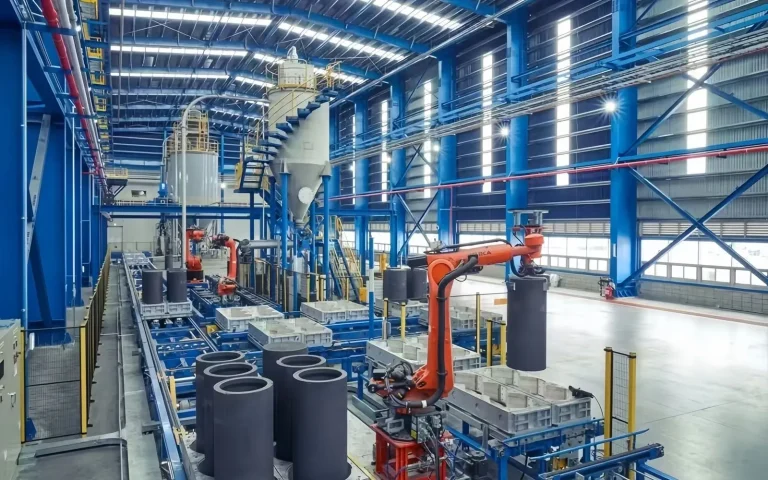
Lever de complete oplossing voor het maken van grafiet anodematerialen, inclusief malen, vormen, zuivering…

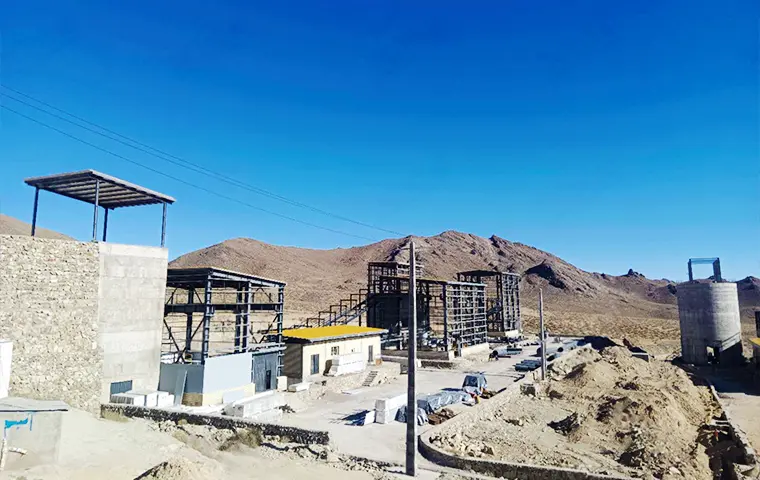
Grondstof: Sulfide Type Kopererts Kopergehalte: 0,8% Eindproduct: Koperconcentraat
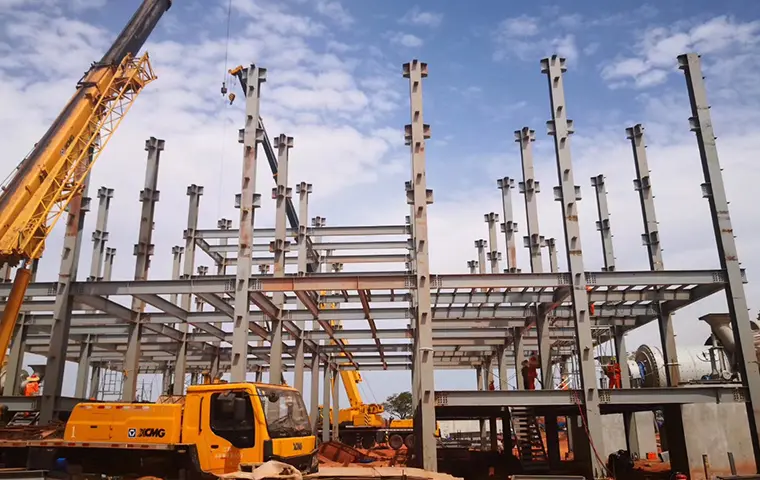
Gelegen in Guinee, beschikt dit grootschalige project over een verwerkingscapaciteit van 15.000 TPD (Ton per dag).

Ruw erts: Lithiumrijk hectorietklei (Li₂O: 0,6-1,0%) Eindproduct: Batterijkwaliteit lithiumcarbonaat
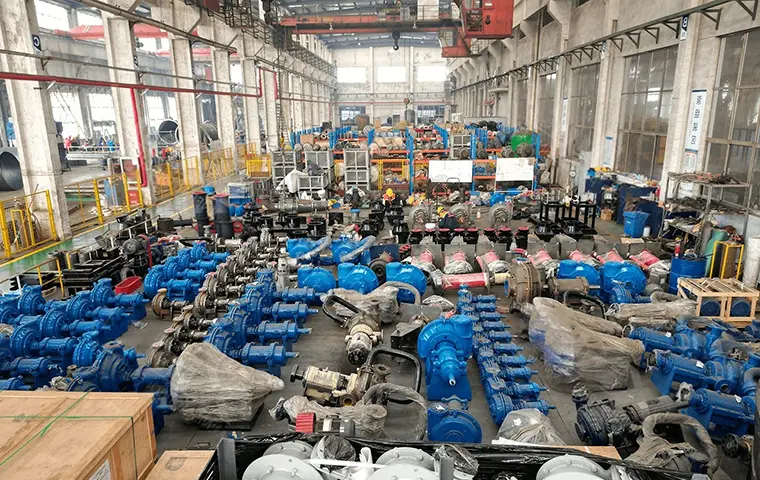
Ruwe Erts: Kristallijne Vlokkengrafiet Erts Voeding Koolstofgehalte: 8–12% (Variabel) Eindproduct: Hoogwaardige Vlokkengrafiet Concentrate
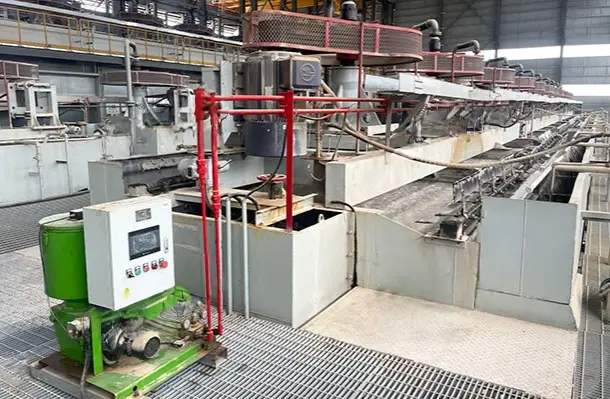
Ruwe erts: Porfyr goud-kopererts Goudgehalte: 0,8-1,5 g/t Kopergehalte: 0,6-0,9%
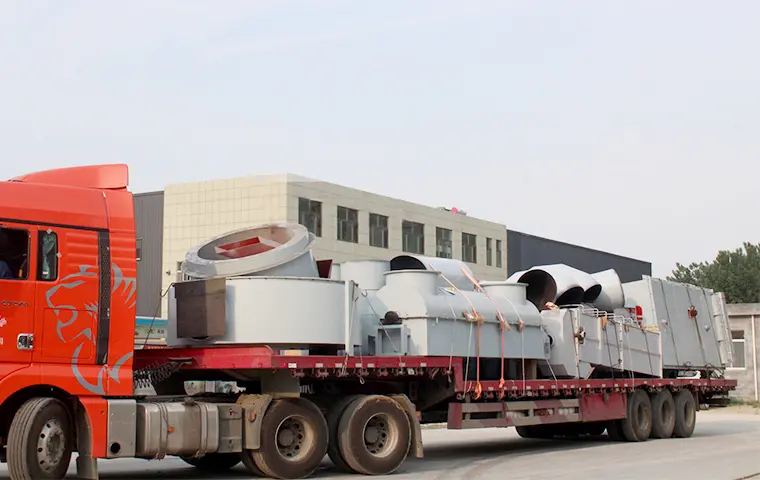
Grondstof: Kwartsoer Projecttype: Apparatuurlevering en installatiesupport
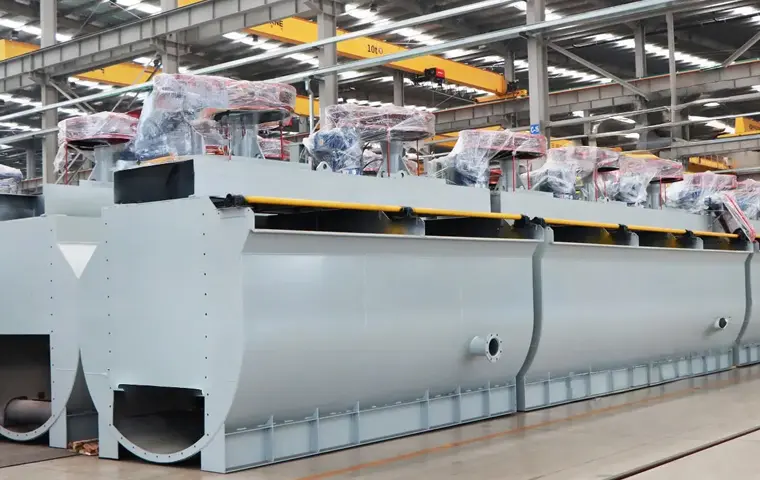
Ruwe Erts: Sulfide-type gouderts met pyriet Goudgraad: 3,8 g/t Concentratiegraad: 42 g/t Au
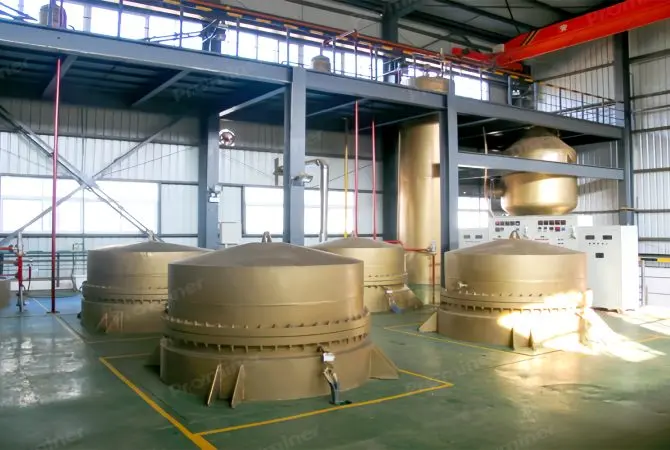
Prominer kan het complete raffinage- en smeltingssysteem voor het goud CIL-project ontwerpen en leveren
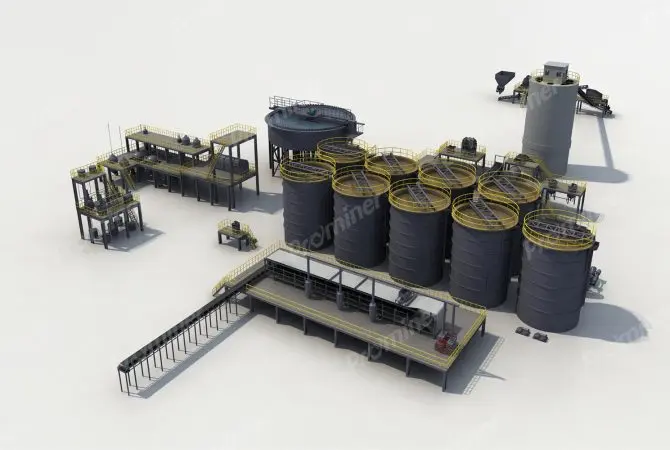
Prominer kan de complete oplossing voor het CIL (carbon in leaching) systeem bieden
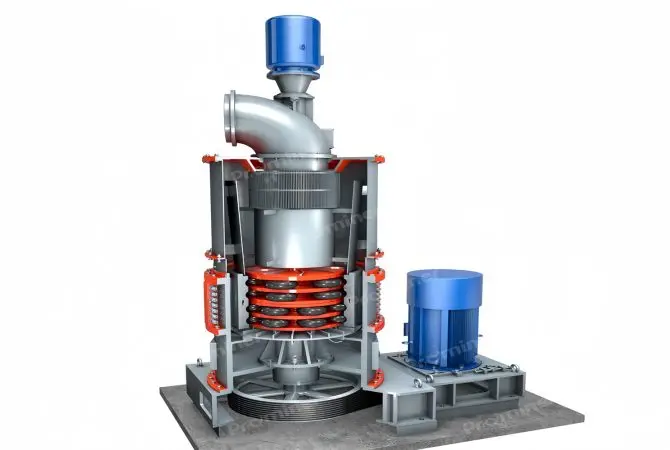
Wij kunnen de roller mill leveren voor het maken van ultrafijne poeder die geschikt is om te malen
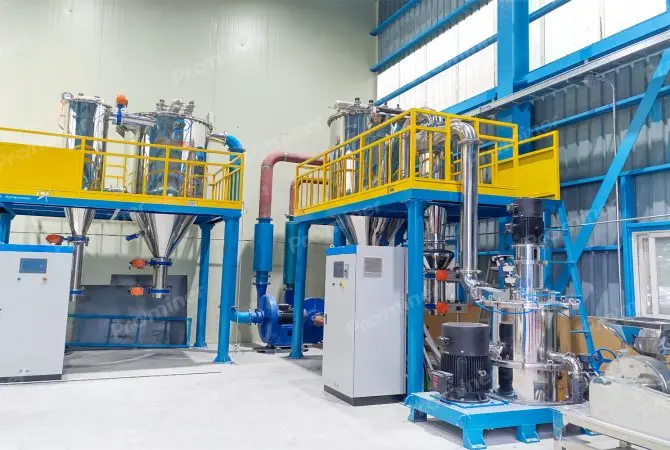
Onze impactmolen is een hogesnelheidsmechanische molen voor ultrafijne maling en voornamelijk
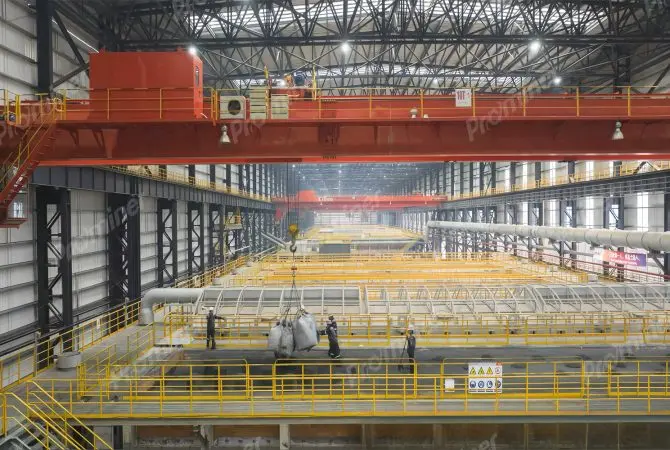
Wij kunnen verschillende soorten grafitiseringsovens leveren voor het veranderen van koolstofmateriaal
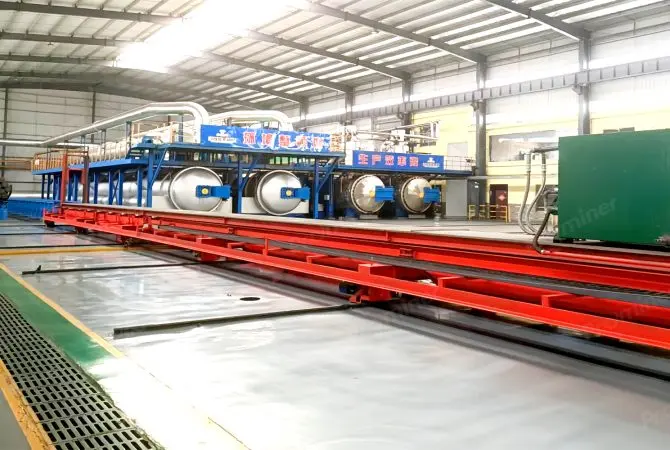
We kunnen hete-in en koude-uit type hogedrukimpregnatie van eenmaal gebakken grafiet bieden
Om meer te weten te komen over onze producten en oplossingen, vul alstublieft het onderstaande formulier in en een van onze experts zal u binnenkort terugbellen
3000 TPD goud flotatieproject in de provincie Shandong
2500 TPD lithiumerts flotatie in Sichuan
Fax: (+86) 021-58779592
Adres:Kamer 606, Gebouw D3, Fase II, Chuansha Business Center, Long 777, Miaochuan Road, Pudong Nieuwgebied, Shanghai, China
Auteursrecht © 2023.Prominer (Shanghai) Mining Technology Co., Ltd.