Najbardziej znaną z rud egzogenicznych jest złoto aluwialne, zwane również złotem placerskim. Złoto aluwialne odnosi się


/
/
What Processes and Equipment Are Essential for Graphite Mineral Beneficiation?


Graphite mineral beneficiation is a crucial process for transforming raw graphite ore into high-quality concentrates suitable for industrial applications such as lithium-ion batteries, refractories, lubricants, and expandable graphite products. Because graphite is naturally hydrophobic and occurs in various forms—flake, amorphous, and vein—its beneficiation process requires carefully selected techniques and equipment to maximize recovery and purity.
Below are the essential processes and equipment involved in graphite mineral beneficiation.
The first step in graphite beneficiation is size reduction. The goal is to liberate graphite flakes from the surrounding gangue minerals while preserving flake size, which directly affects product value.
Key Equipment:
Grinding must be carefully controlled. Excessive grinding can damage graphite flakes and reduce their market value, especially for large-flake graphite.
After crushing and grinding, the material is screened and classified to separate appropriately sized particles and prepare them for flotation.
Key Equipment:
Proper classification ensures optimal flotation performance and minimizes over-grinding.
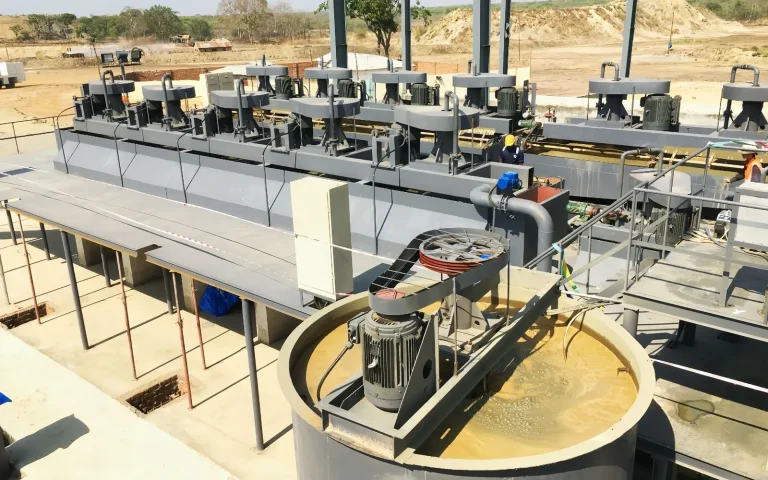
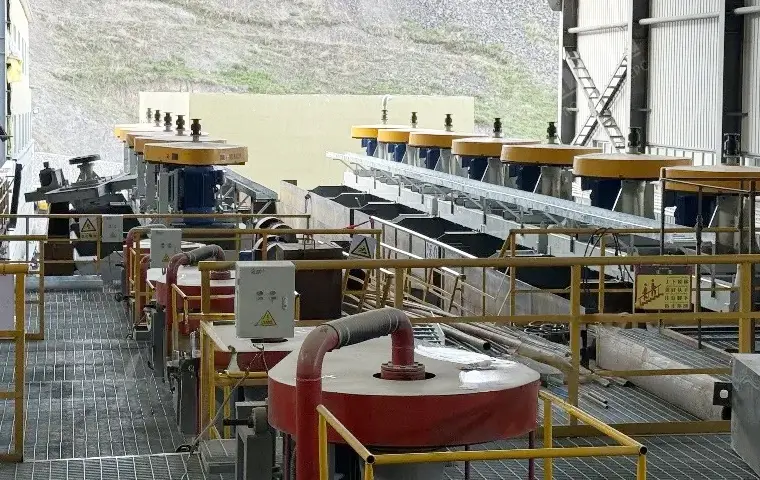
Flotation is the core process in graphite beneficiation. Because graphite is naturally hydrophobic, it responds well to froth flotation, allowing it to be separated from hydrophilic gangue minerals.
Przegląd procesu:
Key Equipment:
Multiple flotation stages—roughing, scavenging, and cleaning—are often required to achieve high-grade graphite concentrate.
To improve concentrate grade, intermediate graphite concentrates may undergo regrinding followed by additional flotation stages.
Key Equipment:
This step is especially important when producing high-purity flake graphite for battery applications.
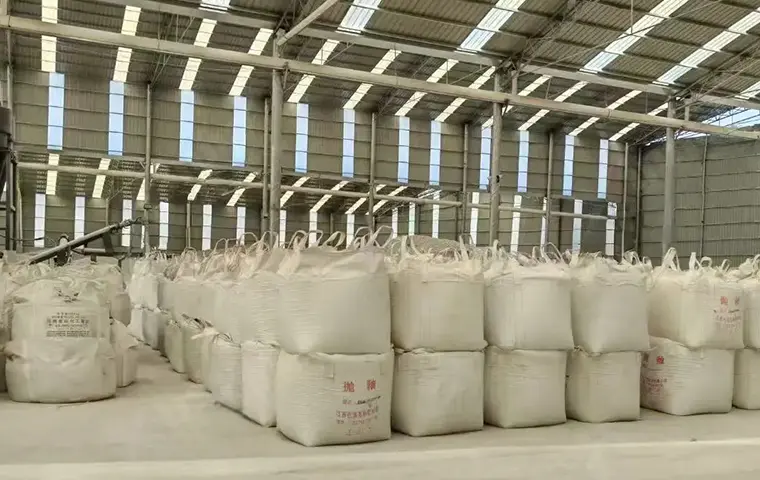
After flotation, the graphite concentrate must be dewatered and dried before further processing or packaging.
Key Equipment:
Efficient dewatering improves handling, storage, and transportation of the final product.
For high-end applications such as lithium-ion battery anodes, graphite must reach purities of 99.9% or higher. Additional purification methods are used after flotation.
Common Purification Methods:
Key Equipment:
The choice of purification method depends on required purity levels, environmental considerations, and cost.
Graphite beneficiation also requires proper management of tailings and environmental protection systems.
Key Equipment and Systems:
Sustainable beneficiation practices reduce environmental impact and improve regulatory compliance.
Graphite mineral beneficiation involves a combination of crushing, grinding, flotation, regrinding, dewatering, and purification processes. The most critical stage is flotation, leveraging graphite’s natural hydrophobicity for efficient separation. Carefully selected equipment—such as crushers, mills, flotation cells, thickeners, and dryers—ensures optimal recovery, high product quality, and cost-effective operation.
As demand for high-purity graphite continues to grow, especially in battery and energy storage industries, advanced beneficiation technologies and efficient equipment selection play an increasingly vital role in maximizing resource value and meeting market specifications.
A: W przypadku zasobów grafitu, kompletne rozwiązanie powinno obejmować zarówno flotację grafitu naturalnego, jak i głęboką obróbkę. Młynek kulowy oraz system hydrocyclonów służą jako podstawowy etap mielenia. Dla zaawansowanej produkcji materiałów anody, niezbędny jest prasa formująca, która poprawia gęstość mączki i redukuje powierzchnię właściwą. Dodatkowo, system powlekania Prominer, łączący funkcje powlekania i granulacji, jest kluczowym etapem w przetwarzaniu wysokoprawnych materiałów anody.
A: Wybór procesu całkowicie zależy od cech rudy. Proces Gold CIL/CIP jest bardzo popularnym i skutecznym sposobem przetwarzania rud złota typu tlenkowego o dużej zawartości. Dla wielu innych projektów złota, flotacja pozostaje najpopularniejszą metodą przetwarzania. Dla właścicieli chcących zaoszczędzić na inwestycjach na etapie początkowym, opcje takie jak leaching w zbiornikach lub heap leaching są elastycznymi i ekonomicznymi rozwiązaniami. Zalecamy rozpoczęcie od testów laboratoryjnych i pilotażowych, aby wyznaczyć najbardziej efektywny i naukowo uzasadniony schemat procesu.
A: Magnetyczne separacja jest kluczowa dla wzbogacania minerałów. Oferujemy separatory magnetyczne HIMS (o wysokiej intensywności) oraz LIMS (o niskiej intensywności), aby obsługiwać różne właściwości magnetyczne minerałów. W zoptymalizowanym projekcie zakładu technologia ta jest zintegrowana z wysokowydajnym systemem kruszenia—wykorzystującym jedno- lub wielocylindrowe hydrauliczne kruszarki stożkowe—oraz systemem mielenia. Zapewnia to wczesne odrzucanie odpadów skalnych, co znacznie poprawia wydajność i oszczędza energię.
A: Projektowanie udanej instalacji wymaga kompleksowej usługi EPC (Inżynieria, Zaopatrzenie i Budowa). Kluczowe aspekty obejmują projektowanie inżynieryjne (badania terenowe, wskazówki dotyczące próbki, rysunki PFD) oraz dostosowanie urządzeń, aby zapewnić zgodność maszyn z konkretnymi cechami rudy. Na przykład, Prominer może dostosować taśmowe przenośniki o szerokości do 5,1 m do dużego sortowania i osuszania. Wreszcie, profesjonalne usługi na miejscu, w tym nadzór nad pracami ziemnymi i uruchomieniem, są kluczowe dla długoterminowej stabilnej eksploatacji.
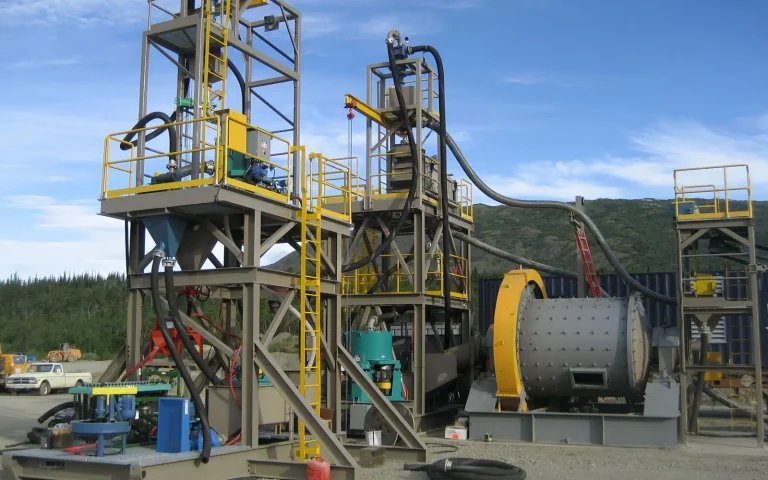
Najbardziej znaną z rud egzogenicznych jest złoto aluwialne, zwane również złotem placerskim. Złoto aluwialne odnosi się
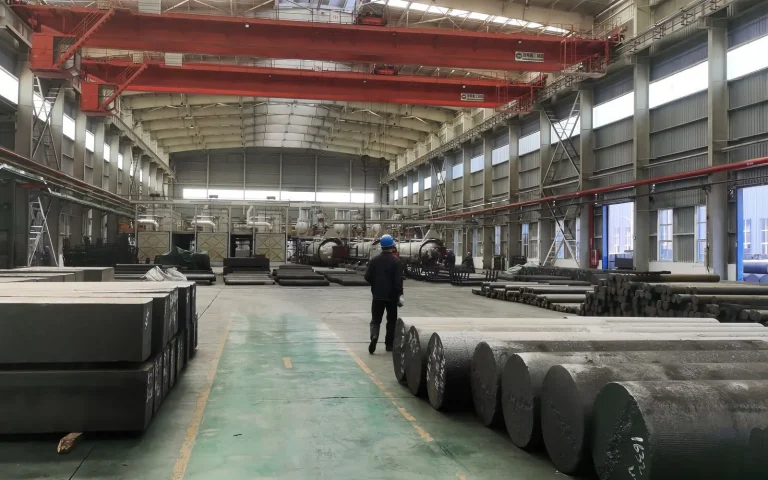
Elektroda grafitowa UHP jest głównie używana w piecach łukowych o ultra wysokiej mocy w przemyśle hutniczym
Istnieją dwa rodzaje naturalnych rud grafitu: grafit krystaliczny i grafit amorficzny

Surowa Ruda: Złoto typu siarczkowego (z towarzyszącym piryt i arsenopiryt) Zawartość złota: 4,2 g/t
Surowa ruda: Wysokiej jakości ruda Wollastonitu z towarzyszącym Granatem i Diopsydem Klasa pokarmowa: 65-70% Wollastonitu
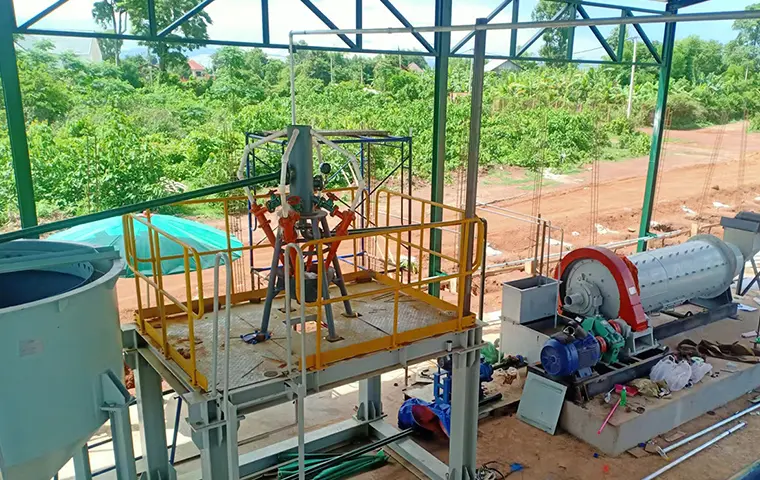
Funkcje: Kompaktowy układ, pełne pokrycie procesów, niskie koszty inwestycji i szybkie wdrożenie. Zaprojektowane dla Start-upów i Małych Kopalni — Twoje elastyczne i efektywne rozwiązanie do wydobycia złota!
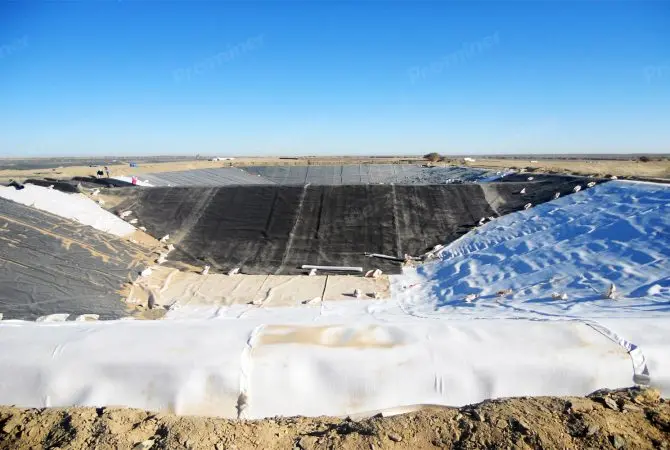
Surowa ruda: ruda złota typu tlenkowego Zawartość złota: 1,8 g/t
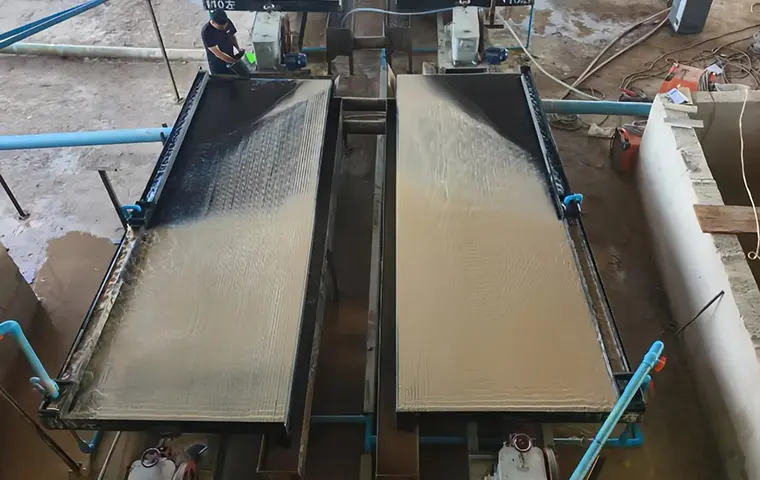
Surowa Ruda: Ruda siarczku antymonu z żyłą kwarcową Zawartość Sb: 3,5% Zawartość koncentratu: 55%
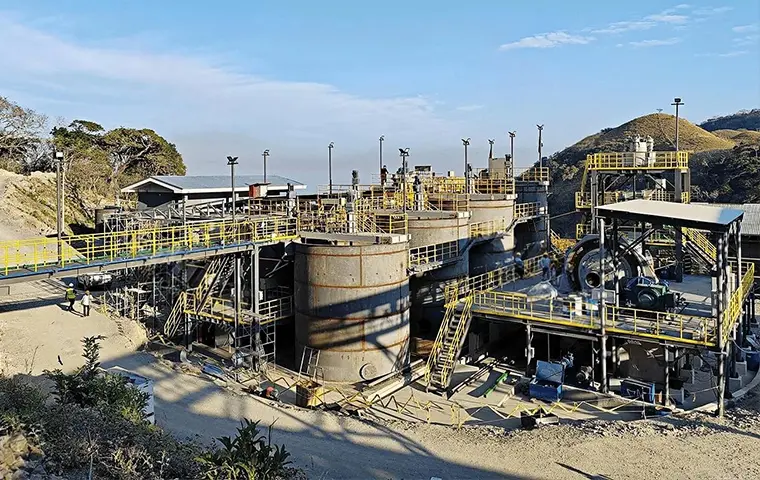
Surowa ruda: Ruda miedzi typu siarczkowego (niskiej jakości, heterogeniczna) Zawartość miedzi w surowcu: 0,45% Zawartość miedzi w koncentracie: 25%
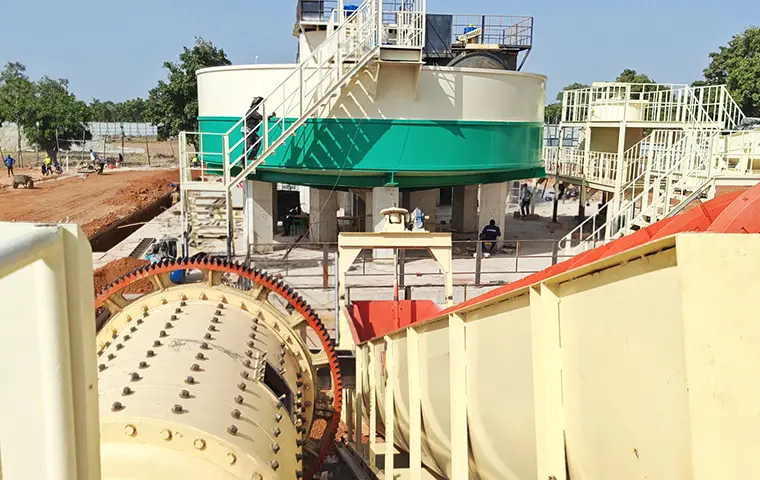
Surowa ruda: Ruda złota typu tlenkowego i siarczkowego Klasa złota: 2,5 g/t Produkt końcowy: Sztabki złota
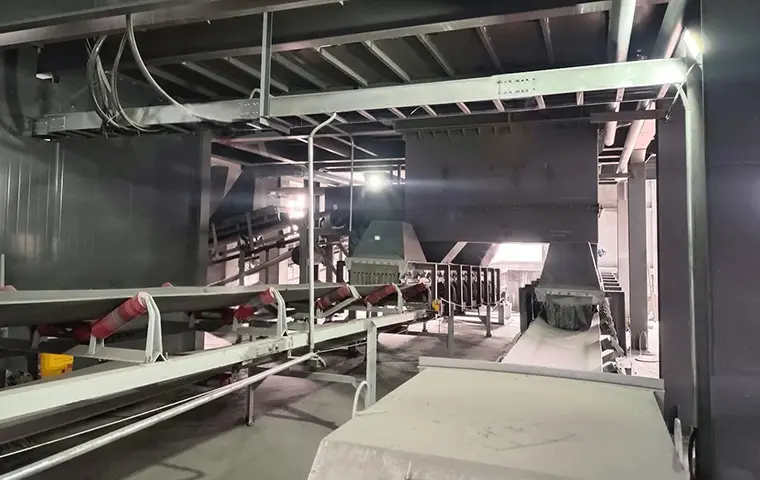
Zwiększenie odzysku miedzi i redukcja zużycia energii dzięki nowoczesnej wstępnej koncentracji oraz 15-letniemu doświadczeniu EPC firmy Prominer.
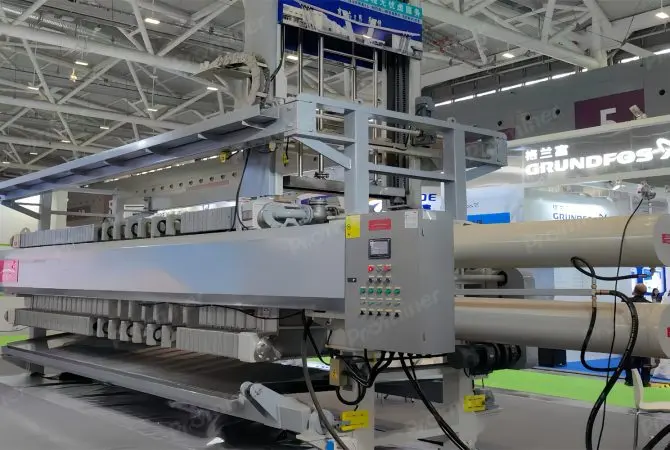
Prominer może dostarczyć filtr prasowy, filtr próżniowy taśmowy, filtr próżniowy dyskowy i filtr ceramiczny
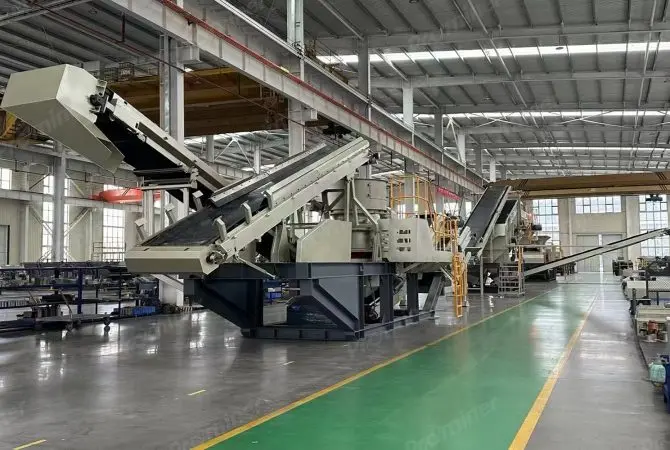
Mobilny kruszarka na podwoziu, oparty na wymaganiach rynku dotyczących łatwiejszego przemieszczania się z jednego miejsca
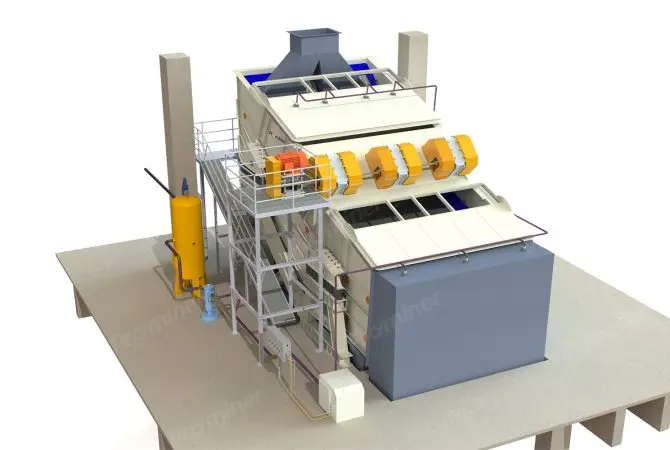
Panel ekranu flip-flow kontynuuje rozszerzanie i kurczenie, aby osiągnąć wysokie wskaźniki przyspieszenia.
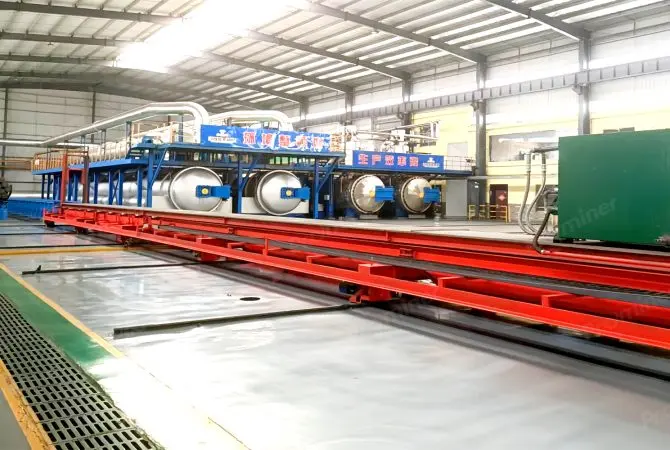
Możemy zapewnić wysokociśnieniową impregnację typu gorącego wewnątrz i zimnego na zewnątrz dla grafitu po wypaleniu
Aby dowiedzieć się więcej o naszych produktach i rozwiązaniach, prosimy o wypełnienie poniższego formularza, a jeden z naszych ekspertów skontaktuje się z Tobą wkrótce
Projekt flotacji złota 3000 TPD w prowincji Shandong
Flotacja rudy litu 2500 TPD w Syczuanie
Faks: (+86) 021-58779592
Adres:Nr 2555, Xiupu Road, Pudong, Szanghaj
Prawa autorskie © 2023.Prominer (Shanghai) Mining Technology Co., Ltd.