

Анодный материал на основе твердого углерода является наиболее предпочтительным материалом для коммерциализации натрий-ионной батареи


/
/
Как сократить затраты на реагенты флотации флюорита на 40% без снижения качества?


Снижение затрат на реагенты для флотации флюорита на 40% без потери качества требует стратегического баланса оптимизации процессов, выбора альтернативных реагентов и повышения эффективности. Ниже приведены конкретные стратегии для достижения этой цели:
Для гипотетического флотационного завода по производству флюорита:
Методически оптимизируя процессы флотации, внедряя экономически эффективные реагенты и улучшая операционные практики, можно добиться значительного сокращения затрат без ущерба для качества продукта.
A: Минеральные характеристики значительно различаются даже внутри одного и того же месторождения. Профессиональное тестирование (такое как химический анализ, рентгеновская дифракция и электронная микроскопия) гарантирует оптимизацию потоковой схемы для вашего конкретного сорта руды и размеров освобождения. Это предотвращает дорогостоящие несоответствия оборудования и гарантирует максимальные показатели извлечения для вашего проекта.
А: Мы поддерживаем постоянный склад основных износоустойчивых деталей (таких как накладки для дробилок, сетки для экранов и абразивные материалы). Для международных клиентов мы предоставляем рекомендованный "список запасных частей на 2 года" с первой покупкой. Техническая поддержка доступна 24/7 через удаленное видео, и можно организовать выезды специалистов для сложного обслуживания.
A: Да. Мы отправляем команду старших механических и электрических инженеров на объект для контроля установки, пусконаладки и испытаний оборудования на нагрузку. Мы также предоставляем всестороннее обучение на месте для ваших местных операторов, чтобы обеспечить бесперебойную долгосрочную эксплуатацию.
A: Абсолютно. Мы специализируемся на предоставлении услуг EPCM (Управление проектированием, снабжением и строительством). Это включает в себя все, начиная с начального тестирования руды и проектирования шахты, до производства оборудования, логистики и интеграции на полную мощность, обеспечивая плавный переход от нуля до производства.
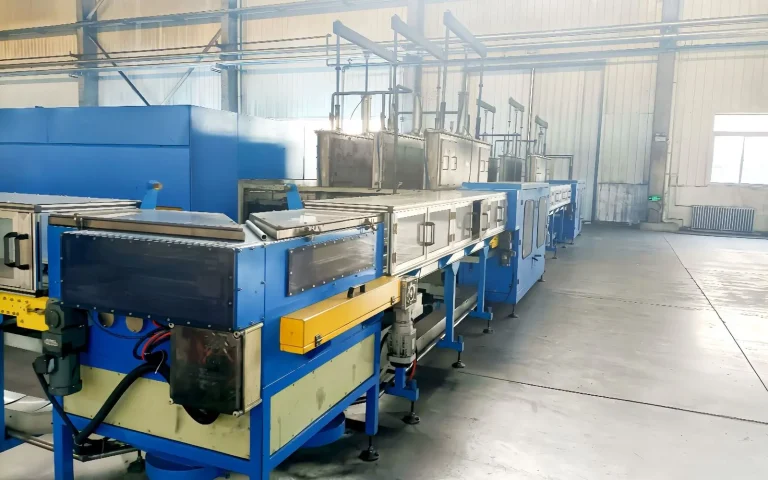
Анодный материал на основе твердого углерода является наиболее предпочтительным материалом для коммерциализации натрий-ионной батареи
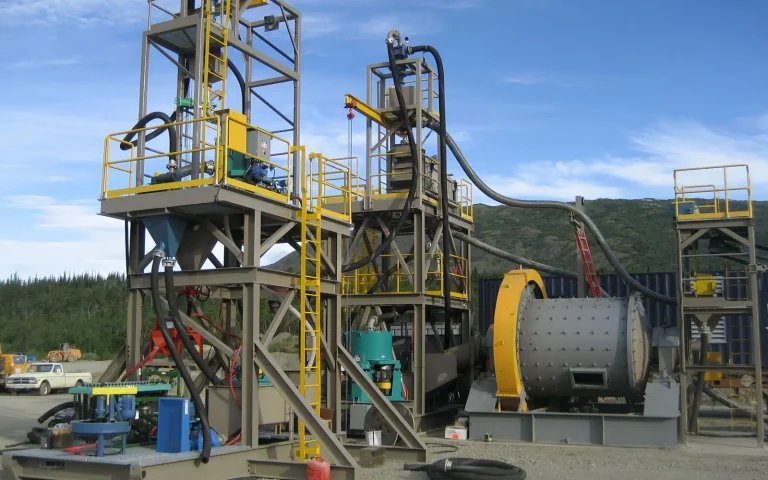
Наилучшим образом известные экзогенные руды — это россыпное золото, также называемое «пласерным» золотом. Россыпное золото относится
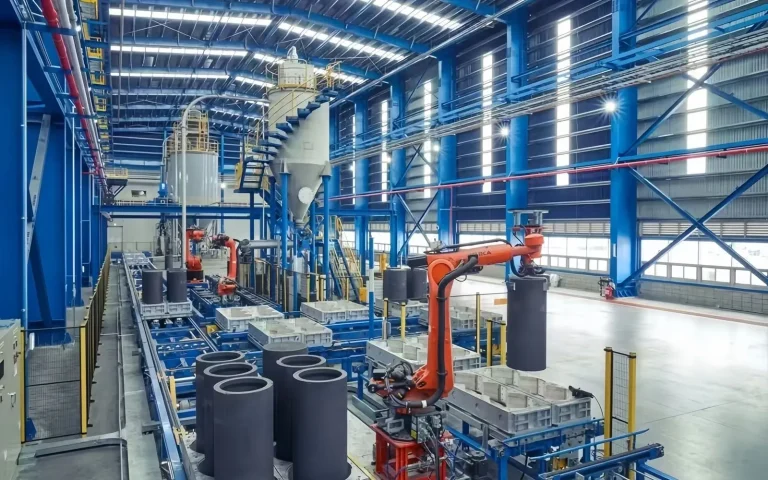
Prominer может предоставить полное решение для производства материалов анодов из натурального графита, включая измельчение

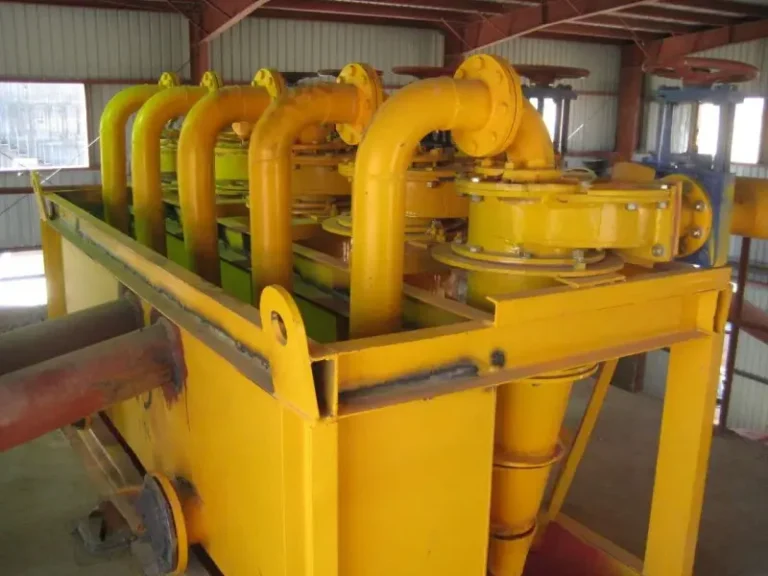
Сырье: Золотоносный оловянный рудник (касситерит) Содержание олова: 0,8% Содержание концентрата: 65%
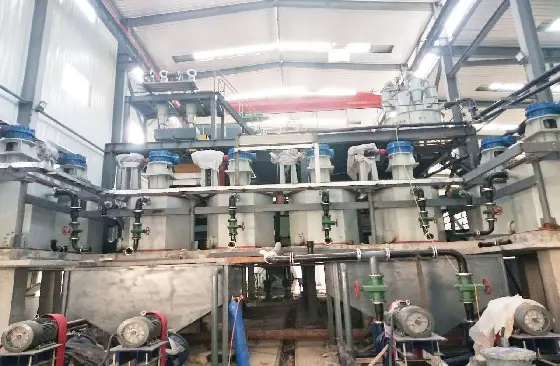
Сырье: Кварцитовый камень (SiO₂: 97,8%) Фотоэлектрического качества: SiO₂≥99,99%, Fe₂O₃≤10 ppm
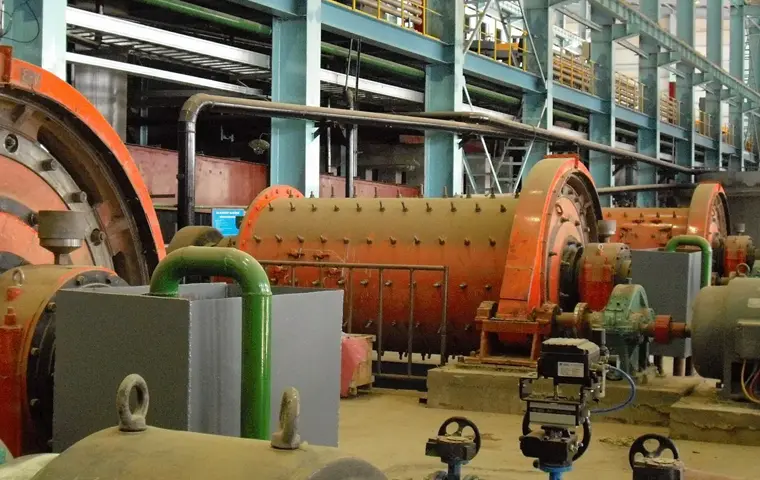
Сырье: Молибденовая руда сульфидного типа (в основном молибденит) Содержание Mo: 0,15% Содержание концентрата: 45% Mo
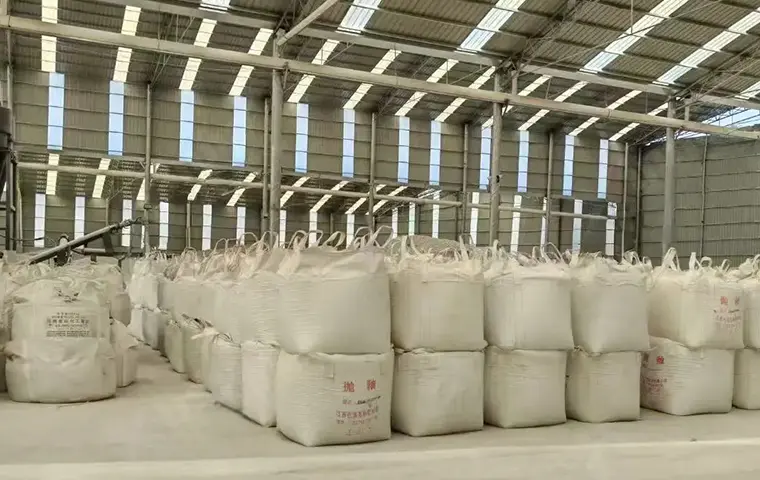
Сырая руда: Высококачественная руда вонной шпата с сопутствующими гранатом и диабазом. Содержание в сырье: 65-70% вонной шпата.
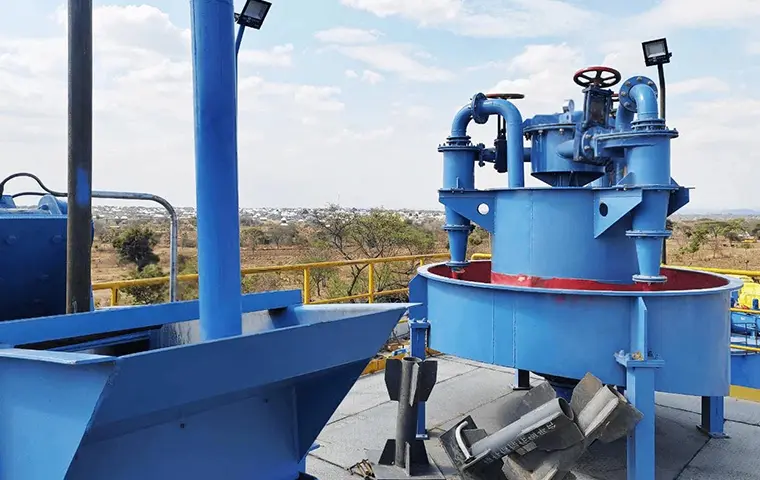
Целевая мощность: Увеличить объем переработки с 500 тонн в день до 850 тонн в день поэтапно без остановки производства.
Сырье: /alluvial/zолотая руда из русла реки Золотой градиент: 0,8 г/т
Сырье: сульфидная золотая руда с пиритом Золото в руде: 3,8 г/т Золото в концентрате: 42 г/т
Сырье: Литиевая пегматитовая руда (с преобладанием сподумена) Содержание Li₂O: 1,2% Конечный продукт: Литий батарейного качества
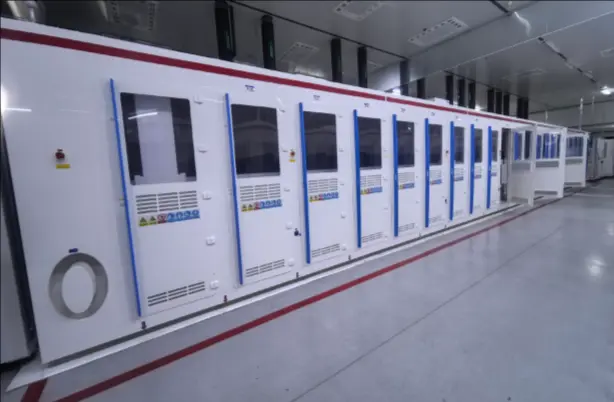
Включает: оборудование для текстурирования монокристаллических слитков, загрузчик/разгрузчик для текстурирования слитков, низкого давления…
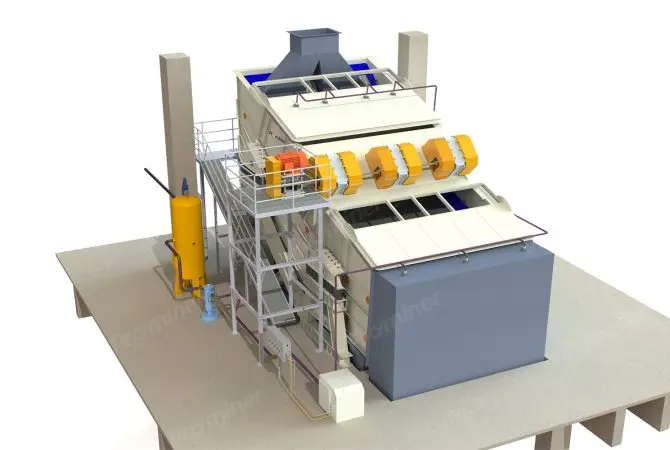
Панель экранов Flip-flow продолжает расширяться и сжиматься, чтобы достичь высоких коэффициентов ускорения
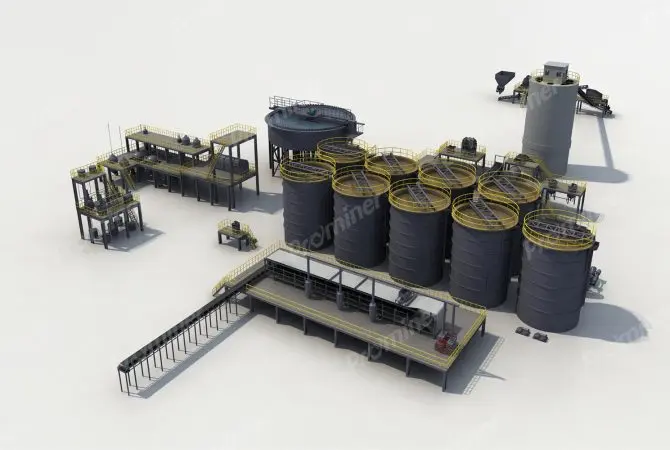
Промайнер может предоставить полное решение для системы CIL (углерод в выщелачивании)
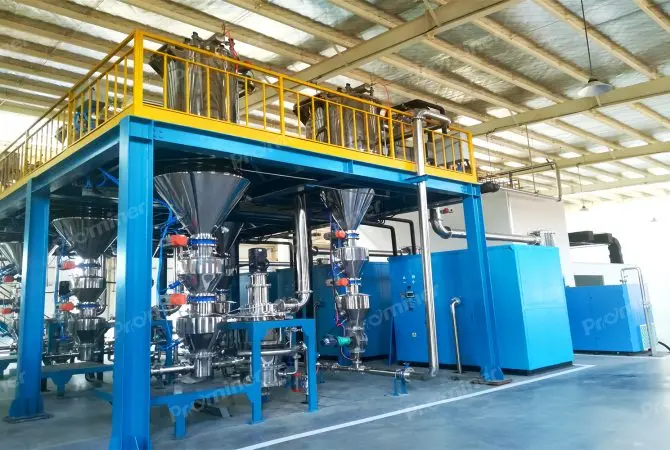
Джетовая мельница также называется мельницей с воздушным слоем, использующей множество сопел для формирования воздушного потока со звуковой скоростью
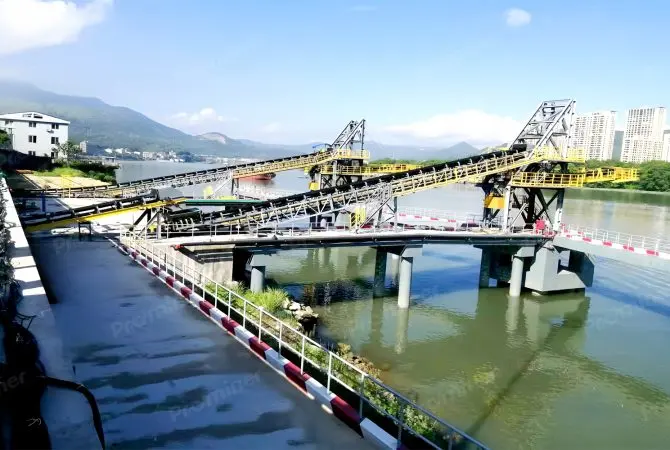
Мы можем предоставить решение ленточных конвейеров для различных целей, включая резко наклонный ленточный конвейер
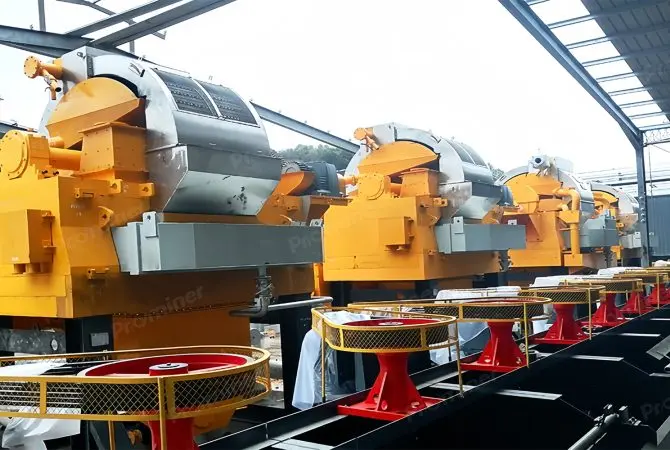
Промайнер может предоставить различные магнитные сепараторы HIMS (магнитный сепаратор с высокой интенсивностью)
Чтобы узнать больше о наших продуктах и решениях, пожалуйста, заполните форму ниже, и один из наших специалистов свяжется с вами в ближайшее время
3000 ТПД проект флотации золота в провинции Шаньдун
2500 ТПД флотации литиевой руды в Сычуани
Факс: (+86) 021-60870195
Адрес:Пр. Сиупу, д. 2555, Пудун, Шанхай
Авторское право © 2023.Prominer (Шанхай) Mining Technology Co., Ltd.


