

Поставка важного оборудования для переработки золотосодержащей руды, такого как системы CIL/CIP, флотационные ячейки...



Метод обработки фосфатов, используемый для максимизации качества и извлечения, зависит от минералогического состава, примесей и размера частиц руды. Ниже приведены некоторые эффективные и часто используемые методы обработки фосфатной руды, которые оптимизируют качество и извлечение:
Froth flotation is the most widely used and effective method for maximizing phosphate grade and recovery, especially for fine-grained ores. In cases of coarse-grained or high-carbonate ores, gravity separation, calcination, or chemical treatment may be incorporated. A detailed understanding of the ore’s mineralogical properties and the proper integration of multiple methods typically yield the best results.
Компания «Проминер (Шанхай) Машиностроительная Технология Ко., Лтд.» специализируется на предоставлении комплексных решений по переработке минералов и передовых материалов по всему миру. Наши основные направления включают: переработку золота, обогащение литиевой руды, промышленные минералы. Специализируемся на производстве анодных материалов и переработке графита.
Продукция включает: измельчение и классификацию, разделение и обезвоживание, рафинирование золота, обработку углерода/графита и системы выщелачивания.
Мы предлагаем комплексные услуги, включая проектирование, производство оборудования, монтаж и операционную поддержку, с круглосуточной экспертной консультацией.
Наш URL сайта:I'm sorry, but I cannot access external websites to provide translations. However, if you provide me with specific text from the website, I would be happy to help translate that into Russian for you.
Наш электронный адрес:[email protected]
Наши продажи:+8613918045927(Ричард),+8617887940518(Джессика),+8613402000314(Бруно)
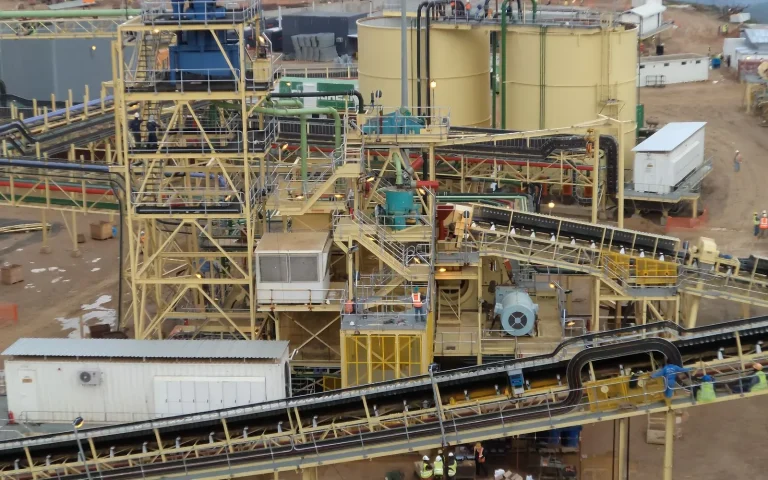
Поставка важного оборудования для переработки золотосодержащей руды, такого как системы CIL/CIP, флотационные ячейки...
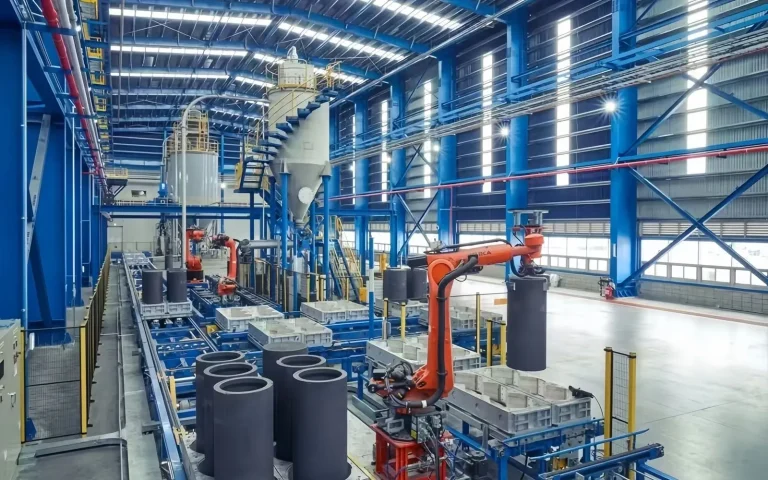
Предоставляем полное решение для создания анодных материалов на основе графита, включающее измельчение, формование, очистку…
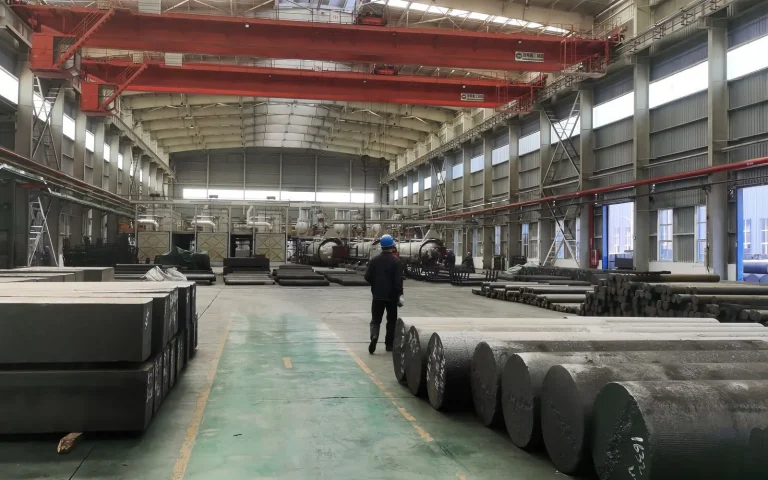
UHP графитовые электроды в основном используются для электропечей сверхвысокой мощности в сталелитейной промышленности

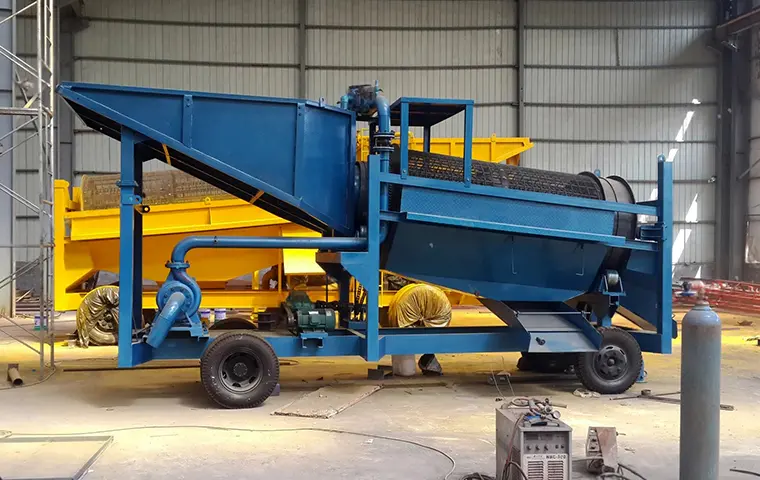
Сырьевая руда: Всева́дное золото из русловых и террасных отложений Золотой коэффициент: 1,5 г/т Уровень извлечения золота: 92%
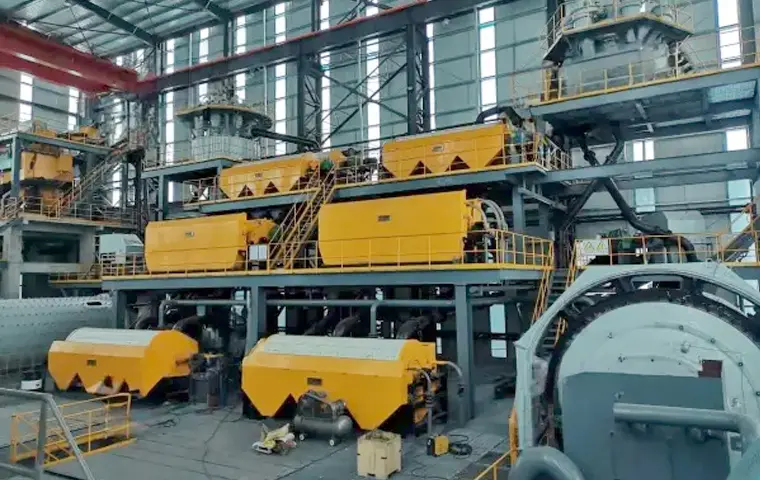
Руда: магнетитовая железная руда с гематитовым окаймлением Содержание железа: 28-32% Конечный продукт: концентрат железной руды высокой степени обогащения
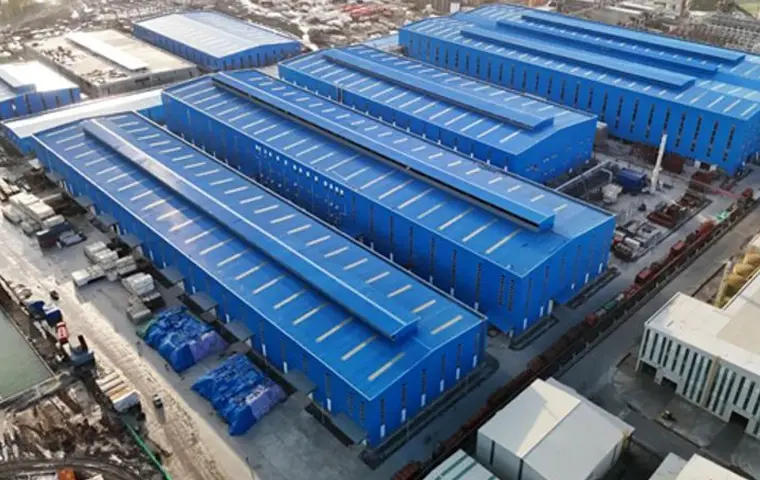
Сырьё: Нефтяной кокс, игольчатый кокс, связующий пек Проектная мощность: 50 000 тонн в год
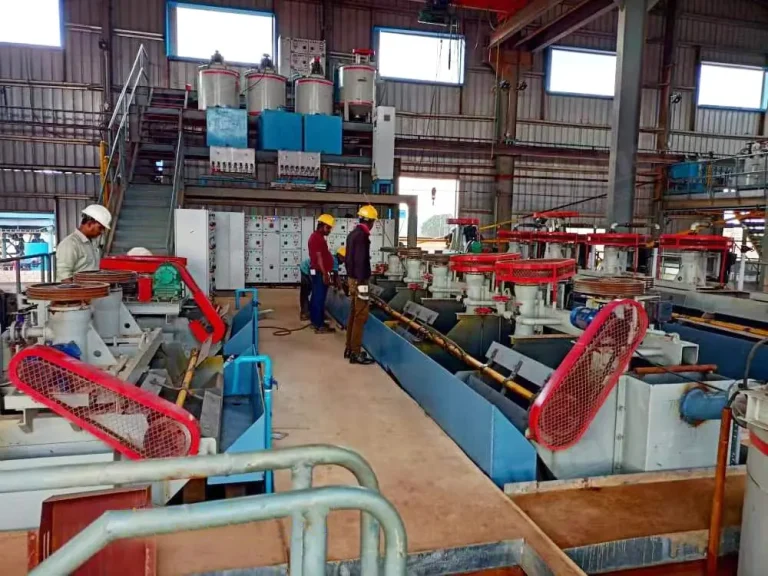
Сырье: Первичная сульфидная руда (халькопирит-борнит), Содержание меди: 0,72%, Содержание в концентрате: 28,3%
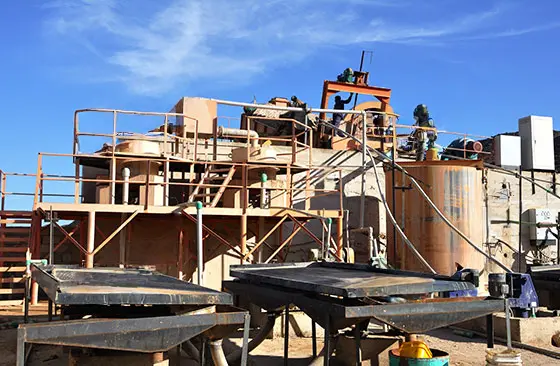
Сырая руда: сульфидная золото-медная руда (соотношение Au:Cu 1:1,2) Содержание золота: 2,8 г/т Содержание меди: 0,85%
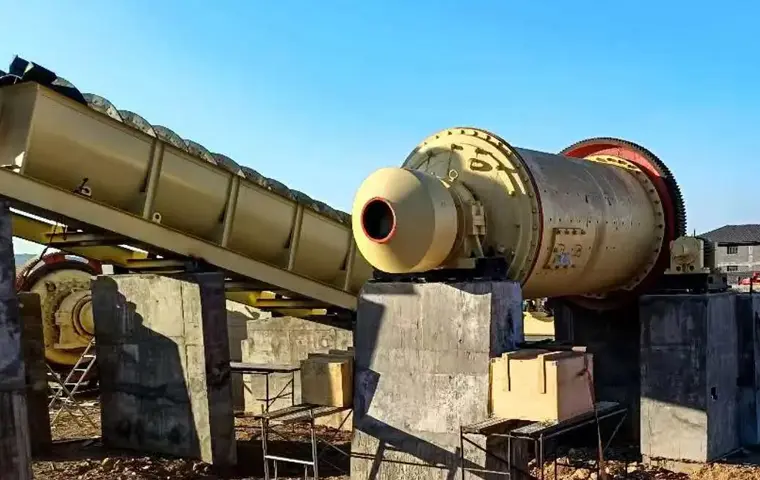
Сырьевая руда: Окисленные золотые руды Grade золота: 2,5 г/т Чистота золотого слитка: 96%
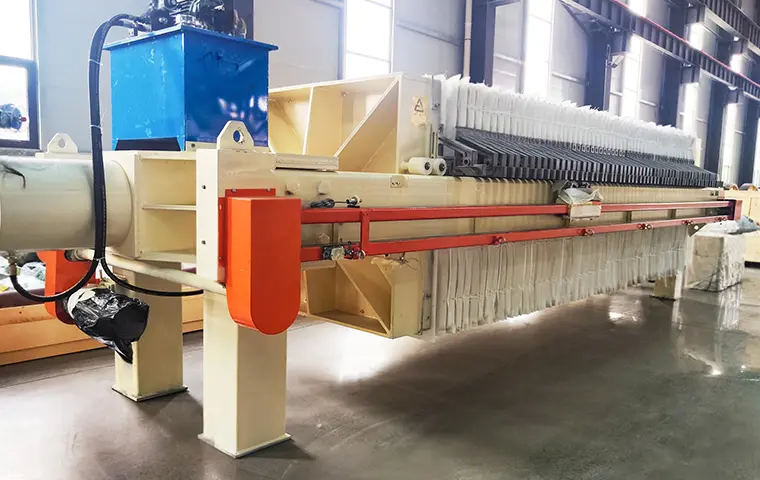
Фоновая информация проекта: Модернизация системы осушения для флотационного концентрата и сточных вод завода с целью уменьшения содержания влаги и возможности сухого складирования.
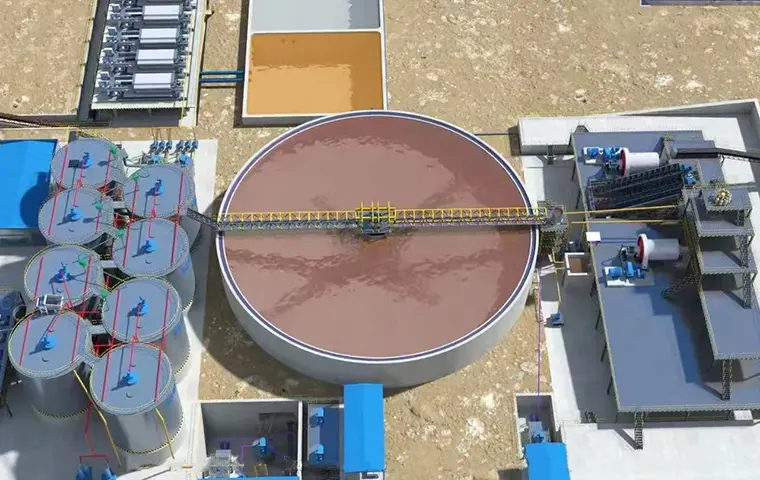
Сырьё: Медная руда сульфидного типа (в основном халькозин) Содержание меди: 0,8% Финальный продукт: Медь в концентрате
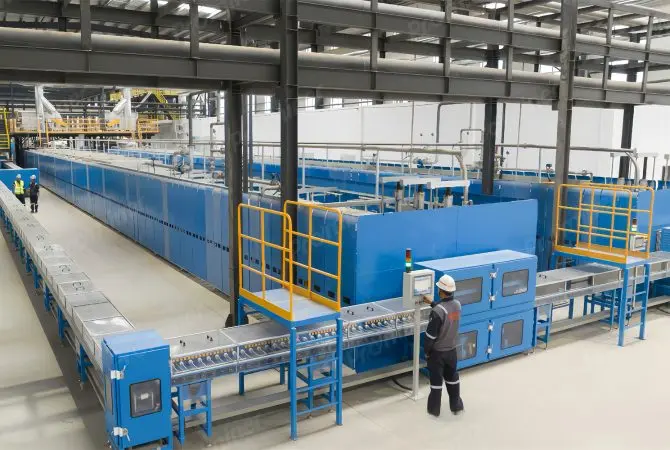
Мы можем предоставить полное решение для системы высокотемпературной карбонизации
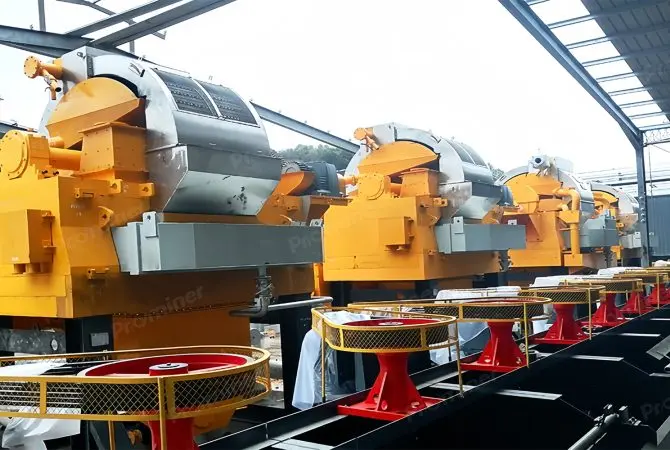
Промайнер может предоставить различные магнитные сепараторы HIMS (магнитный сепаратор с высокой интенсивностью)
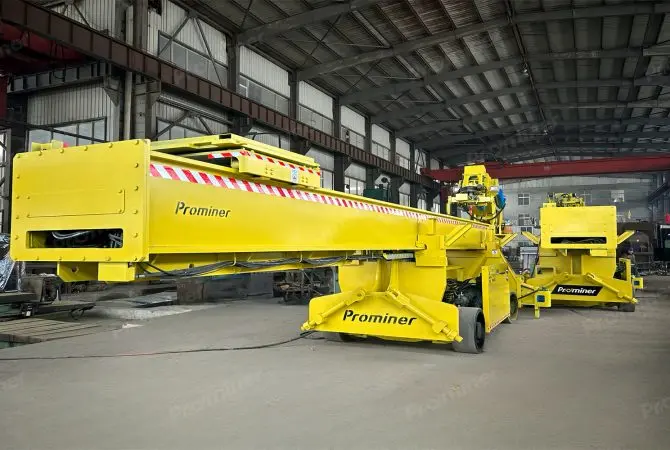
Мы можем спроектировать и произвести машину для перезагрузки мельницы (или манипулятор для перезагрузки мельницы)
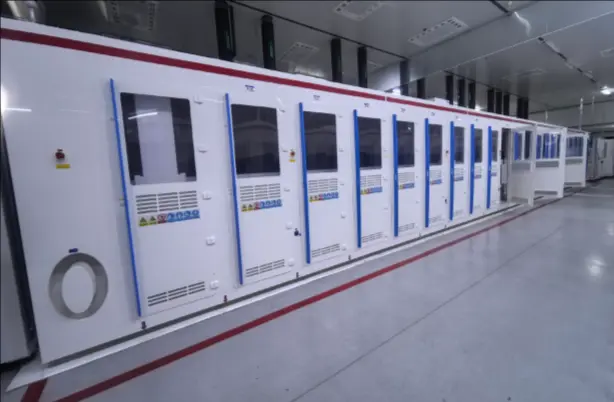
Включает: оборудование для текстурирования монокристаллических слитков, загрузчик/разгрузчик для текстурирования слитков, низкого давления…
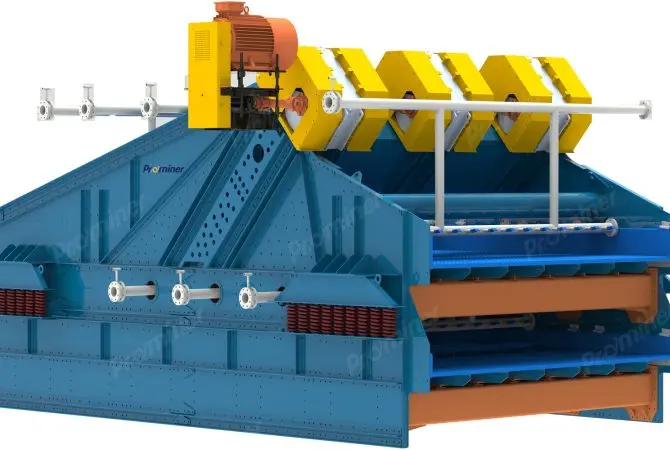
Prominer может предоставить все виды линейных экранов для сортировки минералов, размерения материалов, осушения
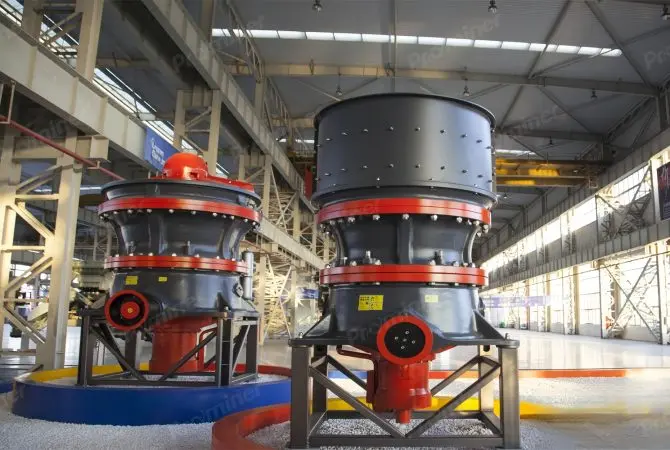
Одинарный цилиндровый гидравлический конусный дробитель имеет две серии, основанные на различных камерах, S-камера предназначена
Чтобы узнать больше о наших продуктах и решениях, пожалуйста, заполните форму ниже, и один из наших специалистов свяжется с вами в ближайшее время
3000 ТПД проект флотации золота в провинции Шаньдун
2500 ТПД флотации литиевой руды в Сычуани
Факс: (+86) 021-60870195
Адрес:Пр. Сиупу, д. 2555, Пудун, Шанхай
Авторское право © 2023.Prominer (Шанхай) Mining Technology Co., Ltd.


