

Анод на основе кремния является одним из видов композитных анодных материалов путем комбинирования кремния


/
/
Какие стратегии увеличивают восстановление свинцово-цинковых руд в сложных рудах?

Увеличение утилизации свинцово-цинковых руд из сложных минералов включает в себя принятие комбинации стратегий, которые оптимизируют освобождение минералов, селективное разделение и эффективное использование реагентов. Ниже приведены некоторые ключевые стратегии:
Реализация этих стратегий может помочь максимизировать извлечение свинцово-цинковых руд при снижении операционных затрат, улучшении характеристик концентрата и минимизации отходов. Каждый процесс должен быть адаптирован к конкретным характеристикам сложной руды, обрабатываемой в данный момент.
Компания «Проминер (Шанхай) Машиностроительная Технология Ко., Лтд.» специализируется на предоставлении комплексных решений по переработке минералов и передовых материалов по всему миру. Наши основные направления включают: переработку золота, обогащение литиевой руды, промышленные минералы. Специализируемся на производстве анодных материалов и переработке графита.
Продукция включает: измельчение и классификацию, разделение и обезвоживание, рафинирование золота, обработку углерода/графита и системы выщелачивания.
Мы предлагаем комплексные услуги, включая проектирование, производство оборудования, монтаж и операционную поддержку, с круглосуточной экспертной консультацией.
Наш URL сайта:I'm sorry, but I cannot access external websites to provide translations. However, if you provide me with specific text from the website, I would be happy to help translate that into Russian for you.
Наш электронный адрес:[email protected]
Наши продажи:+8613918045927(Ричард),+8617887940518(Джессика),+8613402000314(Бруно)
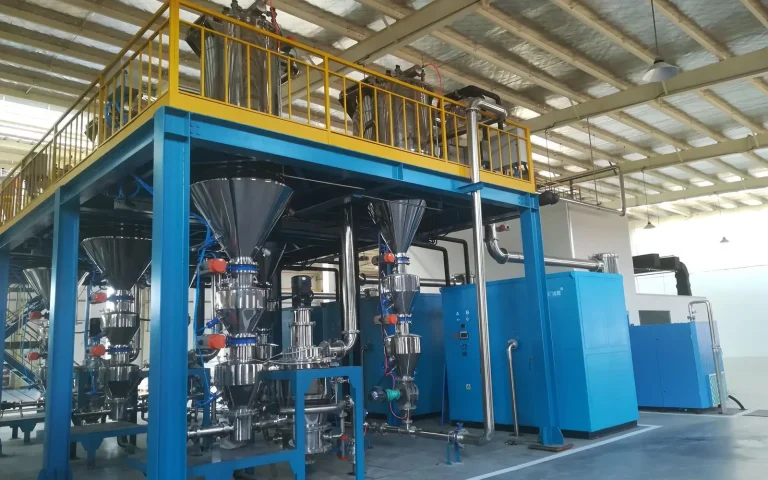
Анод на основе кремния является одним из видов композитных анодных материалов путем комбинирования кремния
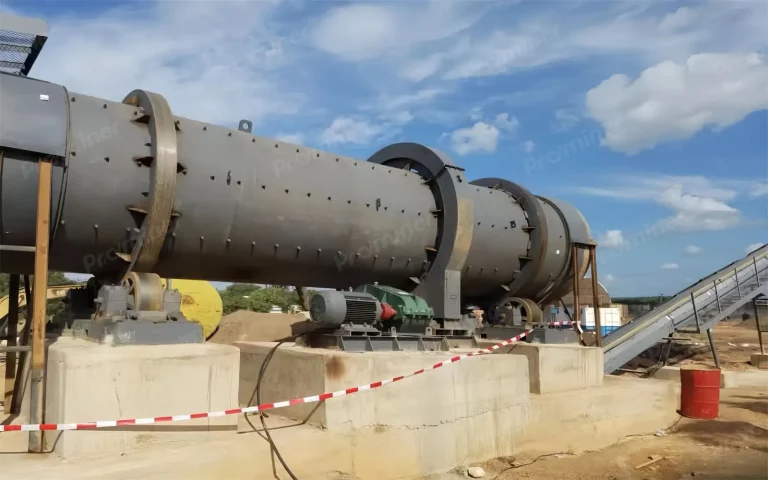
Выщелачивание в кучах — это традиционный способ выщелачивания с применением цианида, который является гибким и экономичным для извлечения золота
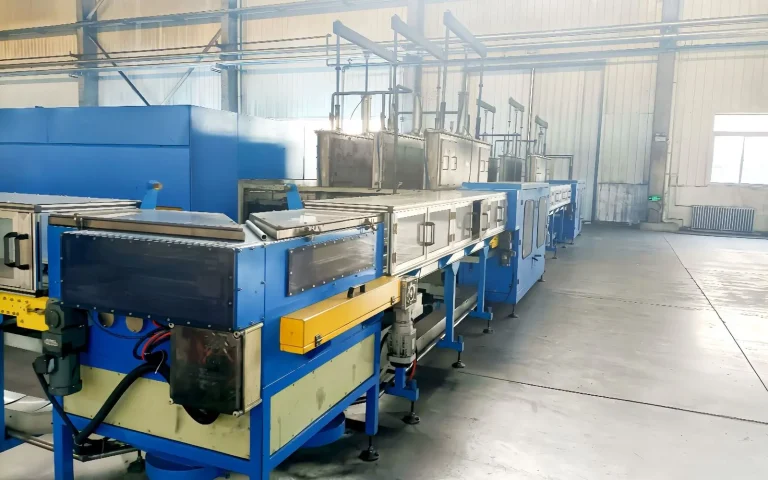
Анодный материал на основе твердого углерода является наиболее предпочтительным материалом для коммерциализации натрий-ионной батареи

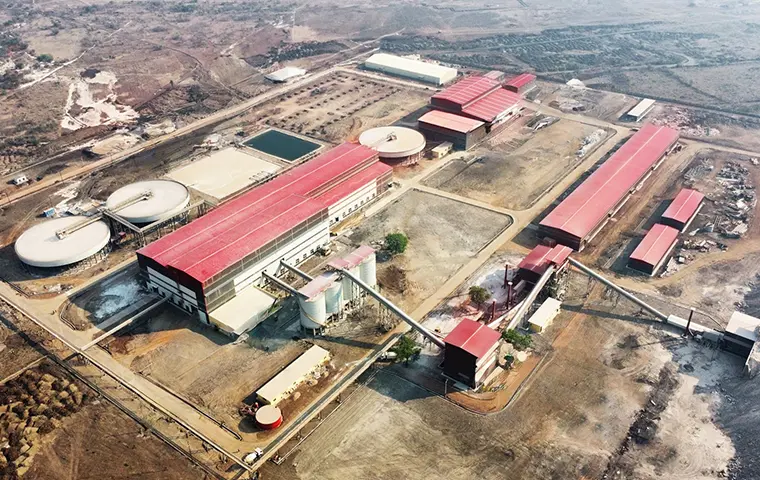
Сырьевая руда: Мульти-металлическая сульфидная руда (Cu, Zn, Au) Уровень содержания руды: Cu 1.2%, Zn 2.5%, Au 1.5 г/т
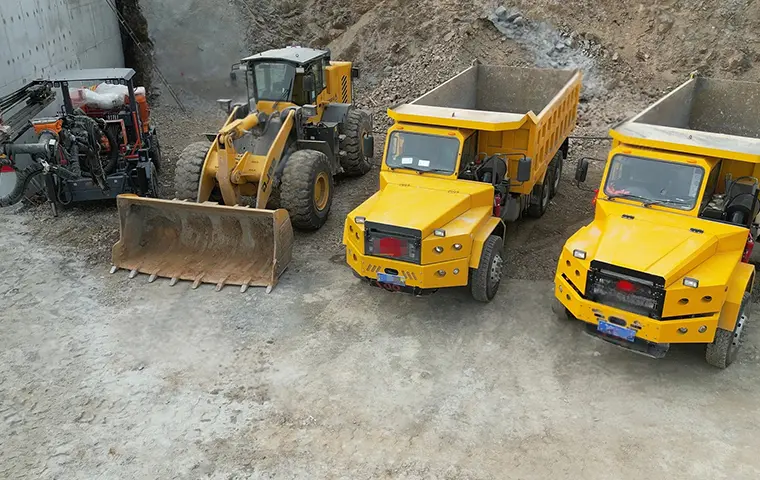
Сырьё: Молибденовая руда сульфидного типа (молибденит) Главная сортировка: 0,15% Mo Сортировка концентрата: ≥ 55% Mo
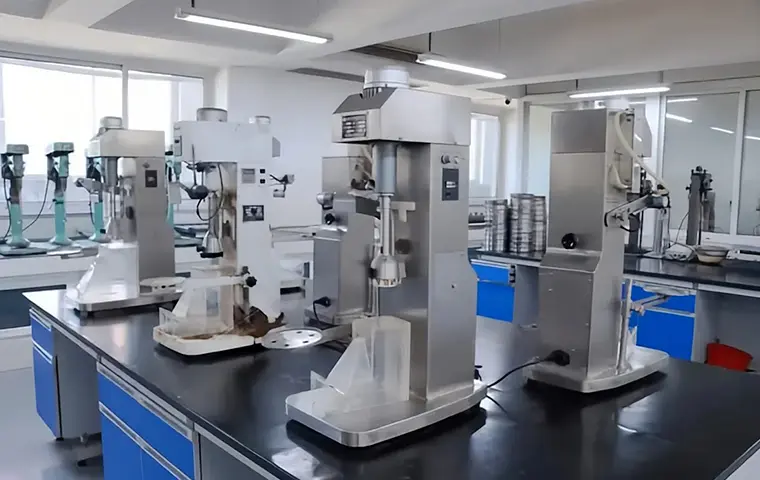
Сырьё: различные виды образцов руды (золото, литий, графит и т.д.) Лабораторная мощность: 50–100 образцов в день
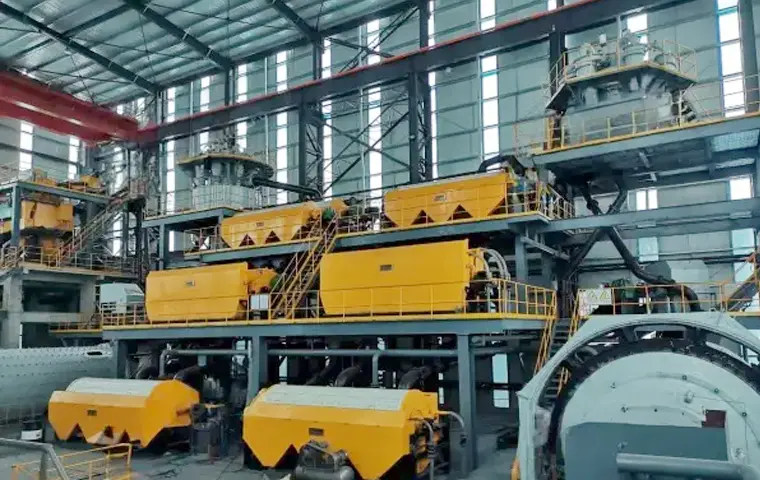
Руда: магнетитовая железная руда с гематитовым окаймлением Содержание железа: 28-32% Конечный продукт: концентрат железной руды высокой степени обогащения
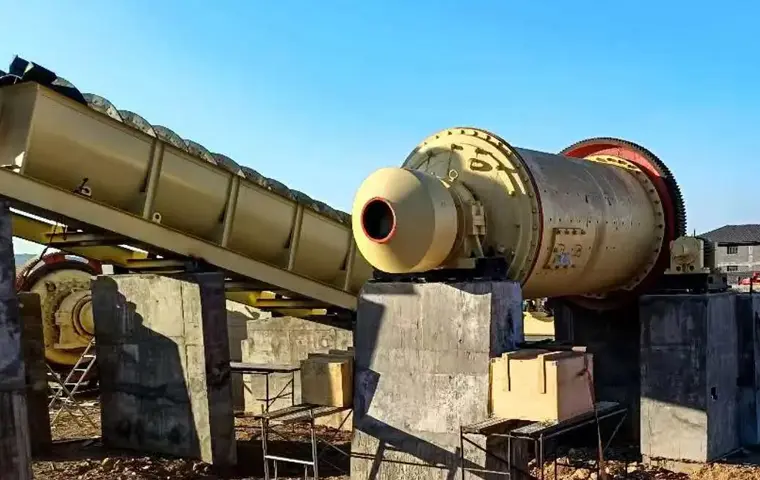
Сырьевая руда: Окисленные золотые руды Grade золота: 2,5 г/т Чистота золотого слитка: 96%
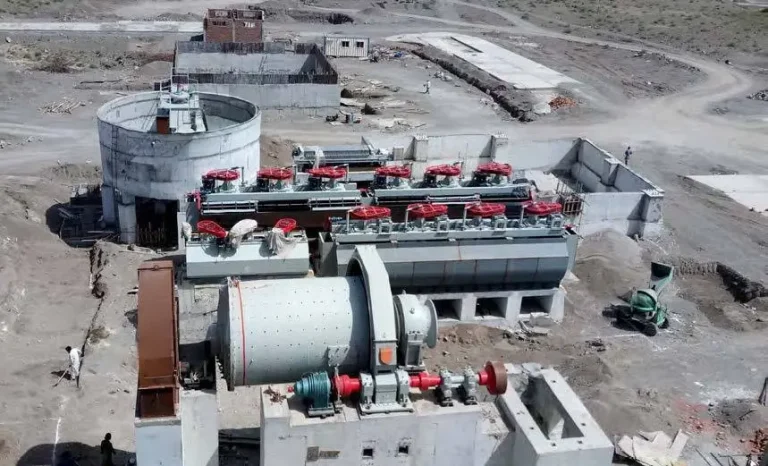
Сырье: Смешанная окисленно-сульфидная медь (халькоцит/малахит) Содержание меди: 1,2% | Серебро: 15 г/т
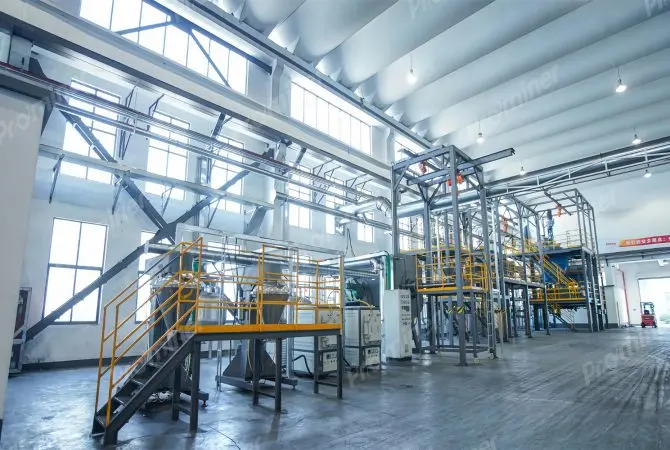
Сырье: игольный кокс и нефтяной кокс Проектная мощность: 50 кг в час
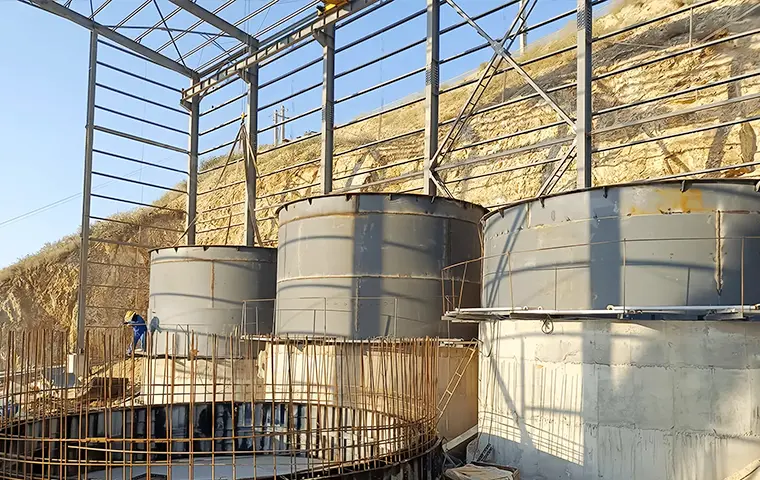
Сырьевая руда: выветренная оксидная золотоносная руда. Содержание золота: 1,8 г/т. Коэффициент извлечения золота: 90,5%.
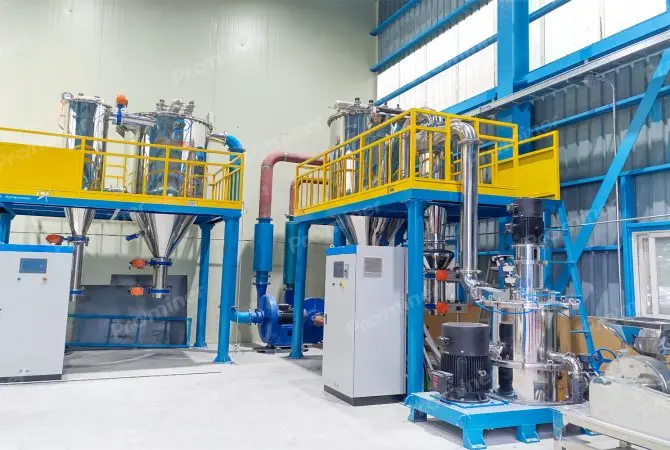
Наша ударная мельница - это высокоскоростная механическая мельница, предназначенная для ультратонкого помола и в основном
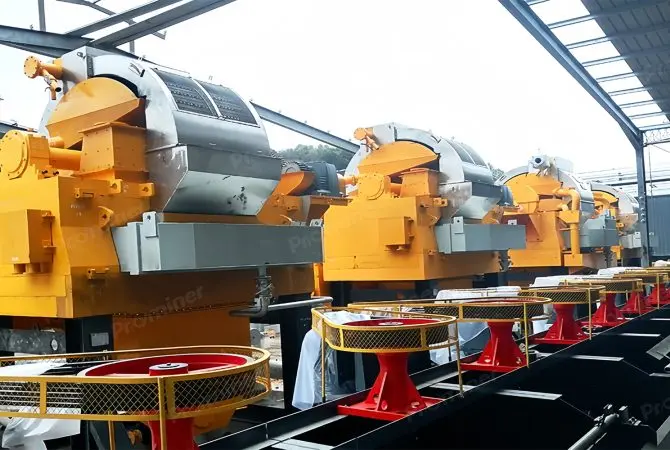
Промайнер может предоставить различные магнитные сепараторы HIMS (магнитный сепаратор с высокой интенсивностью)
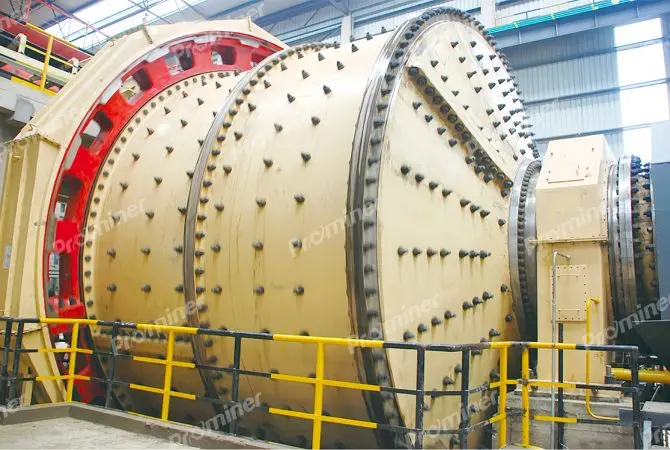
САГ/АГ - это сокращение от автогенновой мельницы и полуавтогенной мельницы, она сочетает в себе две функции дробления
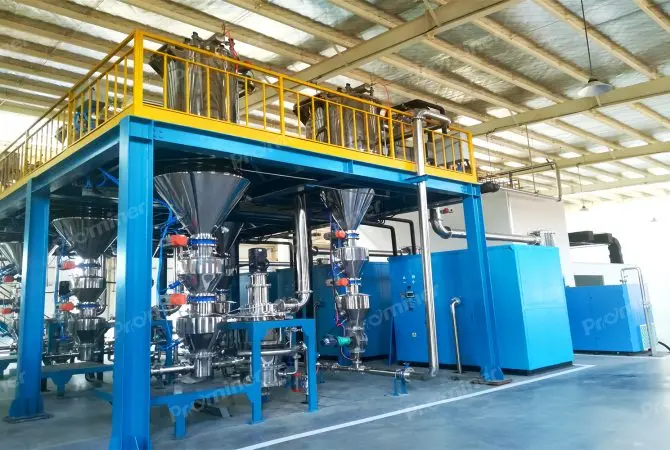
Джетовая мельница также называется мельницей с воздушным слоем, использующей множество сопел для формирования воздушного потока со звуковой скоростью
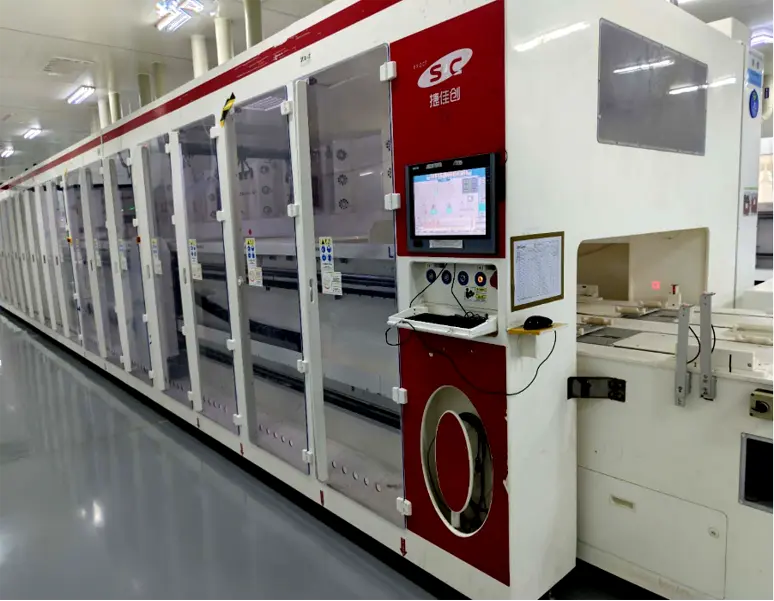
Например: печь для диффузии бора, удаление BSG, полировальная машина с щелочным раствором, PE-POLY…
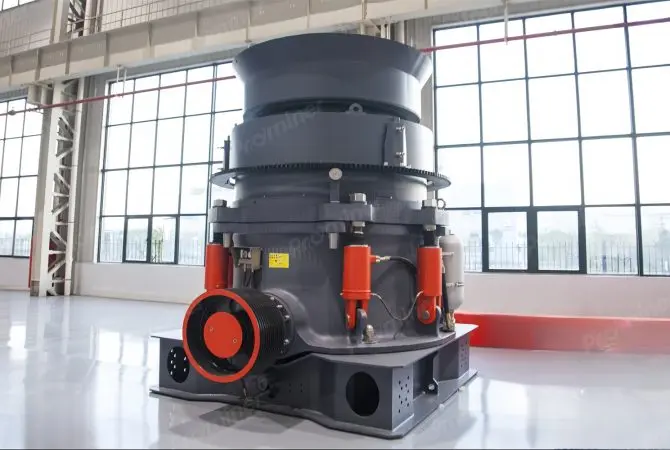
Многоцилиндровый гидравлический конусный дробитель сочетает в себе скорость дробления, эксцентриситет и профиль камеры
Чтобы узнать больше о наших продуктах и решениях, пожалуйста, заполните форму ниже, и один из наших специалистов свяжется с вами в ближайшее время
3000 ТПД проект флотации золота в провинции Шаньдун
2500 ТПД флотации литиевой руды в Сычуани
Факс: (+86) 021-60870195
Адрес:Пр. Сиупу, д. 2555, Пудун, Шанхай
Авторское право © 2023.Prominer (Шанхай) Mining Technology Co., Ltd.


