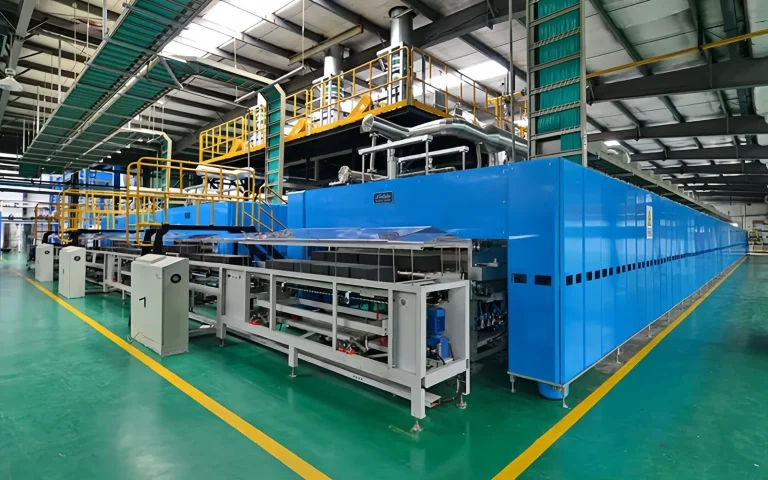
วัสดุแอโนดกราไฟต์เทียมทำมาจากโค้กปิโตรเลียมที่มีคุณภาพสูงและมีซัลเฟอร์ต่ำ


/
/
What Are the Most Effective Technologies for Cassiterite Mineral Processing Today?


Cassiterite (SnO₂), the primary ore of tin, requires specific processing technologies to achieve efficient extraction of tin. The most effective technologies for cassiterite mineral processing today include the following:
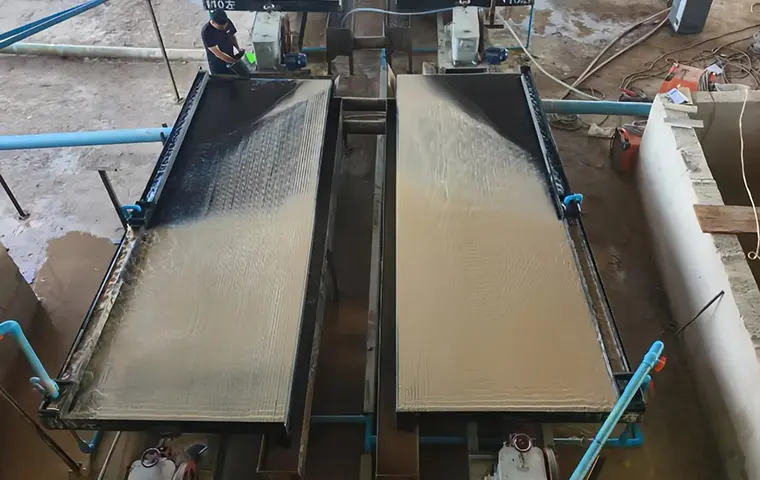
Cassiterite has high specific gravity, which makes gravity separation a foundational method for processing. Modern gravity-based techniques include:
Although cassiterite is not typically responsive to flotation due to its chemical characteristics, advances in flotation reagents (e.g., sulphosuccinate collectors) have improved cassiterite flotation efficiency, especially for fine particles. This technique may be used in conjunction with gravity methods for better results.
Cassiterite processing often involves the removal of iron and other impurities (e.g., magnetite or hematite). High-intensity magnetic separators are used to separate non-magnetic cassiterite from magnetic impurities.
Cassiterite is electrically conductive compared to many of its associated minerals. Electrostatic separators effectively process finely ground material, segregating cassiterite from impurities.
In processing very fine cassiterite, activation by fluorine ions improves its response to flotation. This is especially important for ultra-fine particles that are difficult to recover.
Emerging hydrometallurgical methods focus on chemical treatments to mobilize tin directly. These are particularly useful for processing complex or refractory ores where gravity and flotation are less effective.
Advancements in automated ore sorting technologies, such as X-ray fluorescence (XRF) and near-infrared spectroscopy, allow efficient pre-concentration of cassiterite ores by distinguishing valuable minerals from the waste.
The increasing demand for tin has necessitated the development of technologies that recover ultra-fine cassiterite. Enhanced fine particle recovery techniques utilize specialized flotation reagents, hydrocyclones, and modern classifiers.
With declining ore grades, recycling of tin from secondary sources (e.g., electronic waste, solder) has become an important supplement to cassiterite processing.
A combination of these technologies is often employed in cassiterite processing plants to optimize tin recovery and meet modern production requirements.
ลักษณะของแร่มีความแตกต่างกันอย่างมากแม้ในแร่ก้อนเดียวกัน การทดสอบจากผู้เชี่ยวชาญ (เช่น การวิเคราะห์ทางเคมี, XRD และ SEM) จะช่วยให้แน่ใจว่าแผนภาพการไหลได้รับการปรับให้เหมาะสมสำหรับเกรดแร่และขนาดการปล่อยที่เฉพาะเจาะจงของคุณ ซึ่งจะป้องกันการไม่ตรงกันของอุปกรณ์ที่อาจมีค่าใช้จ่ายสูงและรับประกันอัตราการฟื้นฟูที่สูงที่สุดเท่าที่จะเป็นไปได้สำหรับโครงการของคุณ
A: เรามีสต็อกชิ้นส่วนสึกหรอหลักอย่างถาวร (เช่น แผ่นโม่หิน, ตาข่ายกรอง, และสื่อบด) สำหรับลูกค้าระหว่างประเทศ เราจัดทำ "รายการอะไหล่แนะนำ 2 ปี" พร้อมกับการสั่งซื้อครั้งแรก การสนับสนุนทางเทคนิคมีให้บริการตลอด 24 ชั่วโมงผ่านวิดีโอรีโมต และสามารถจัดการเยี่ยมชมสถานที่สำหรับความต้องการการบำรุงรักษาที่ซับซ้อนได้
A: ใช่ เราส่งทีมวิศวกรเครื่องกลและไฟฟ้าระดับสูงไปยังสถานที่เพื่อดูแลการติดตั้ง การเริ่มต้นใช้งาน และการทดสอบโหลดของอุปกรณ์ นอกจากนี้เรายังมีการฝึกอบรมที่ครอบคลุมสำหรับผู้ปฏิบัติงานท้องถิ่นของคุณเพื่อให้แน่ใจว่าการดำเนินงานในระยะยาวเป็นไปอย่างราบรื่น
A: แน่นอน เราเชี่ยวชาญในการให้บริการ EPCM (วิศวกรรม, การจัดซื้อ, การจัดการก่อสร้าง) ซึ่งรวมถึงทุกอย่างตั้งแต่การทดสอบแร่เริ่มต้นและการออกแบบเหมืองไปจนถึงการผลิตอุปกรณ์, การขนส่ง, และการรวมโรงงานในขนาดเต็ม ทำให้มั่นใจได้ว่าจะมีการเปลี่ยนผ่านที่ไร้รอยต่อจากพื้นที่ก่อสร้างใหม่ไปสู่การผลิต
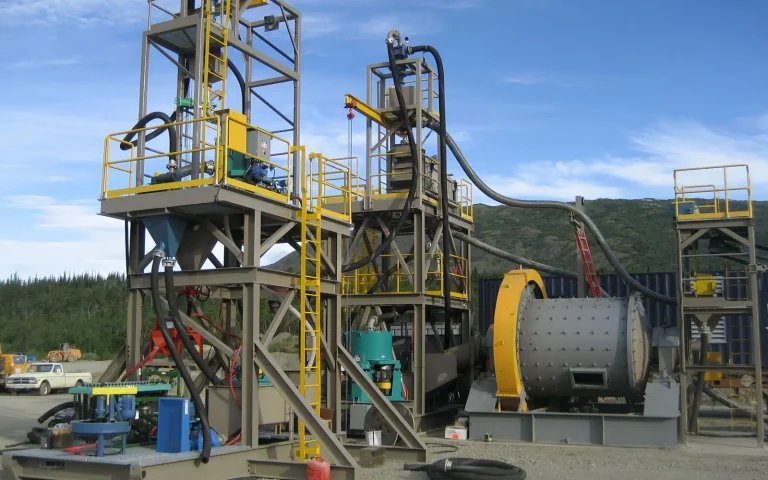
แร่ที่รู้จักกันดีที่สุดในกลุ่มแร่ที่เกิดจากภายนอกคือทองคำจากตะกอนซึ่งเรียกว่าทองคำพลาซ่า ทองคำจากตะกอนหมายถึง
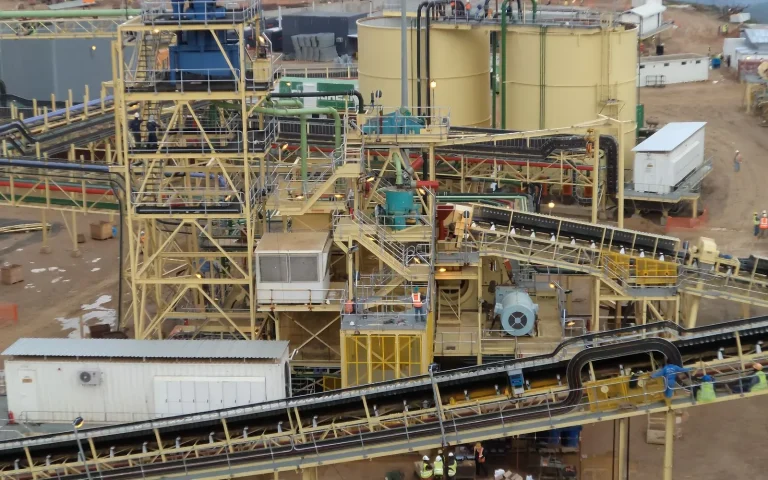
ฟลอทเตชั่นเป็นวิธีการแปรรูปที่ได้รับความนิยมมากที่สุดในโครงการการแปรรูปแร่ทองคำ เนื่องจากกระบวนการฟลอทเตชั่น

แร่ดิบ: แร่ซัลไฟด์แอนติโมไนด์ที่มีสายแร่ควอตซ์ เกรด Sb: 3.5% เกรดเข้มข้น: 55%
แร่ดิบ: แร่แคลไซต์ CaCO3 เกรด: 85% ผลิตภัณฑ์สุดท้าย: ผงแคลไซต์เคลือบและไม่เคลือบ (325 – 2500 เมช)
แร่ดิบ: แร่โมลิบดีนัมชนิดซัลไฟด์ (โมลิบดีไนต์) เกรดหัว: 0.15% โม เกรดสารประกอบ: ≥ 55% โม
แร่ดิบ: แร่ลอยจากระบบแม่น้ำในภาคตะวันตกเฉียงใต้ของประเทศจีน ประกอบด้วยเซอร์โคเนียม รูไทล์ อิลเมไนต์ และแร่หนักอื่นๆ
แร่ดิบ: เลพิดอไลต์, สโพดุมีน, แร่ธาตุอื่นๆ: ควอทซ์, เฟลด์สปาร์, ไมกา ระดับ Li₂O: 0.8%
Raw Ore: Crystalline Flake Graphite Ore Feed Carbon Grade: 8–12% (Variable) Final Product: High-Purity Flake Graphite Concentrate
แร่ดิบ: แร่ทองคำชนิดออกไซด์ เกรดทองคำ: 2.5 กรัม/ตัน ความบริสุทธิ์ของทองแท่ง: 96%
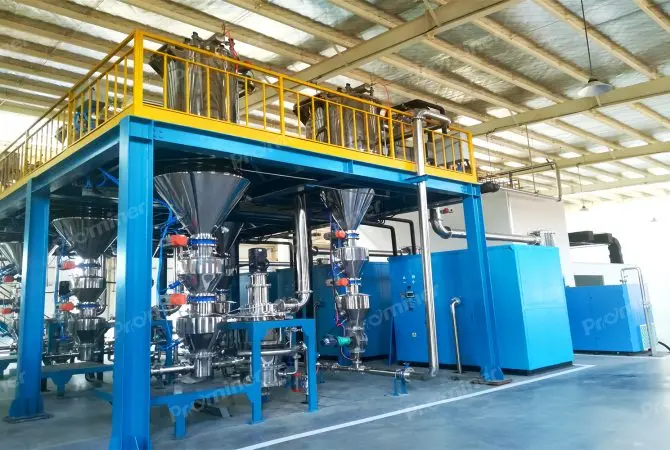
เจ็ทมิลล์ยังเรียกว่ามิลล์แบบฟลูอิไดซ์เบด โดยใช้หัวฉีดหลายตัวเพื่อสร้างการไหลของอากาศที่ความเร็วเสียง
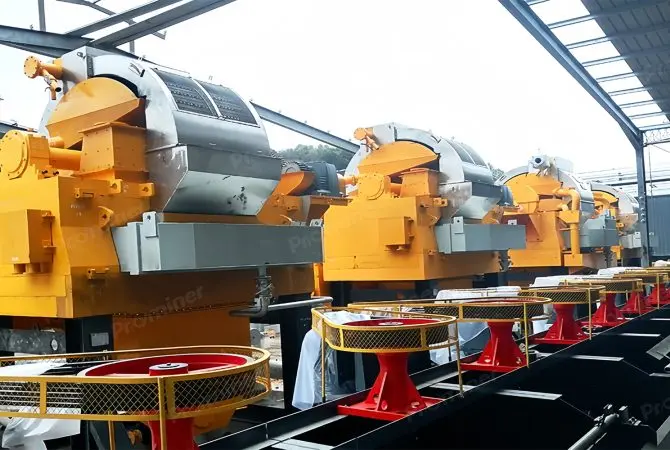
Prominer สามารถจัดหาเครื่องแยกแม่เหล็ก HIMS (เครื่องแยกแม่เหล็กความเข้มสูง) ที่แตกต่างกันได้
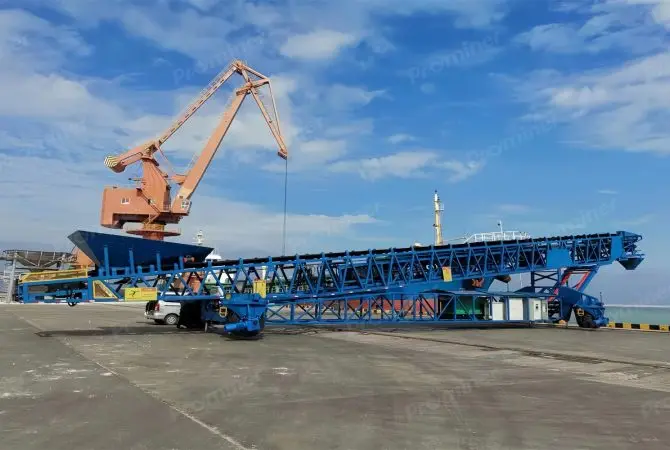
ทีมวิศวกรของเราสามารถออกแบบและผลิตสแต็คเกอร์แบบรัศมีเคลื่อนที่และเครื่องขนถ่าย
หากต้องการทราบข้อมูลเพิ่มเติมเกี่ยวกับผลิตภัณฑ์และโซลูชันของเรา โปรดกรอกแบบฟอร์มด้านล่างและผู้เชี่ยวชาญของเราจะติดต่อกลับหาคุณในไม่ช้า
โครงการฟลอทเตชั่นทองคำ 3000 TPD ในมณฑลซานตง
ฟลอทเตชั่นแร่ลิเธียม 2500 TPD ในเสฉวน
แฟกซ์: (+86) 021-60870195
ที่อยู่:เลขที่ 2555 ถนนซิ่วผู่ ผู่ตง เซี่ยงไฮ้
ลิขสิทธิ์ © 2023.บริษัท โปรมิเนอร์ (เซี่ยงไฮ้) ไมนิ่ง เทคโนโลยี จำกัด