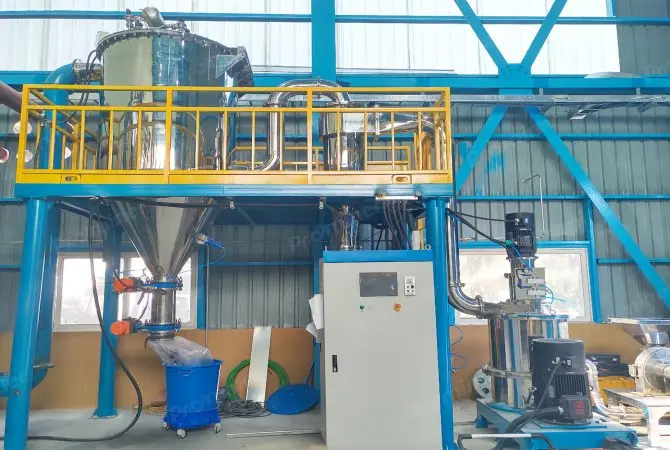
Spodumen und Lepidolith sind sehr wichtige lithiumhaltige Mineralien und sie sind sehr leicht zurückzugewinnen.



Die Gestaltung eines effizienten Graphitverarbeitungszyklus umfasst mehrere Schritte und Überlegungen, wobei der Schwerpunkt auf der Optimierung von Zerkleinerung, Mahlen, Flotation und Raffination liegt, um eine hohe Graphitausbeute und -qualität zu erreichen. Im Folgenden sind die wichtigsten Schritte und Prinzipien aufgeführt, um einen effektiven Graphitverarbeitungszyklus zu entwerfen:
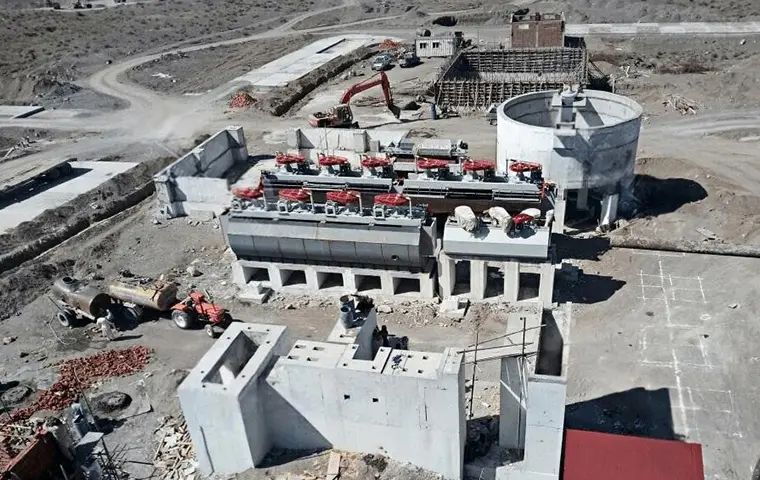
Flotation ist die gängigste Methode zur Aufbereitung von Graphit, die sich auf die Trennung von Graphit von Begleitmineralien konzentriert.
Bei bestimmten Arten von Grafit-Erzen kann die Schwerkrafttrennung (Spiralseparatoren, Schütteltische) die Trennung grober Grafitflocken von silikatischen Gangart verbessern. Diese Stufe wird typischerweise nach der Flotation durchgeführt.
Durch eine detaillierte Erzcharakterisierung, die Auswahl geeigneter Verarbeitungsausrüstung und die Optimierung jeder Phase des Verarbeitungsprozesses können Sie die Graphitgewinnung und -qualität maximieren und gleichzeitig die Betriebskosten minimieren.
Die Prominer (Shanghai) Mining Technology Co., Ltd. ist auf die Bereitstellung umfassender Lösungen für die Mineralverarbeitung und fortschrittliche Materialien weltweit spezialisiert. Unsere Kernkompetenzen umfassen: Goldverarbeitung, Lithiumerzaufbereitung, Industriemineralien. Wir sind spezialisiert auf die Herstellung von Anodenmaterialien und die Graphitverarbeitung.
Unsere Produkte umfassen: Mahl- und Klassifizierungsanlagen, Trenn- und Entwässerungsanlagen, Goldraffination, Kohlenstoff-/Graphitverarbeitung und Auslaugungssysteme.
Wir bieten End-to-End-Dienstleistungen, einschließlich Engineering-Design, Anlagenbau, Installation und operativer Unterstützung, die von 24/7-Expertenberatung gestützt werden.
Unsere Website-URL:I'm sorry, but I cannot access external links. However, if you provide the text you want to be translated, I can certainly help with that!
Unsere E-Mail-Adresse:[email protected]
Unser Verkauf:+8613918045927(Richard),+8617887940518(Jessica),+8613402000314(Bruno)
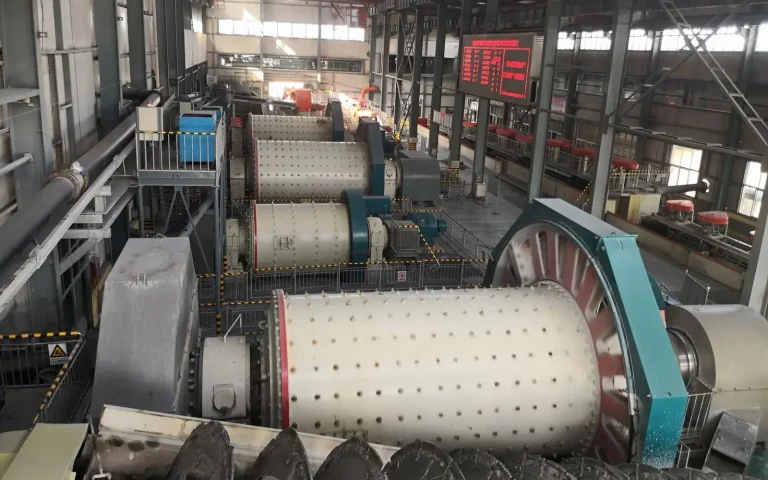
Spodumen und Lepidolith sind sehr wichtige lithiumhaltige Mineralien und sie sind sehr leicht zurückzugewinnen.
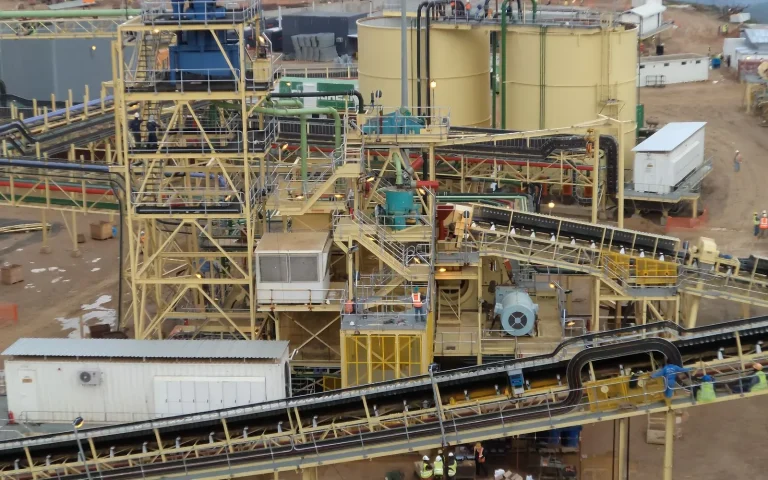
Die Flotation ist die beliebteste Verarbeitungsart im Goldbergbau-Projekt. Denn der Flotationsprozess
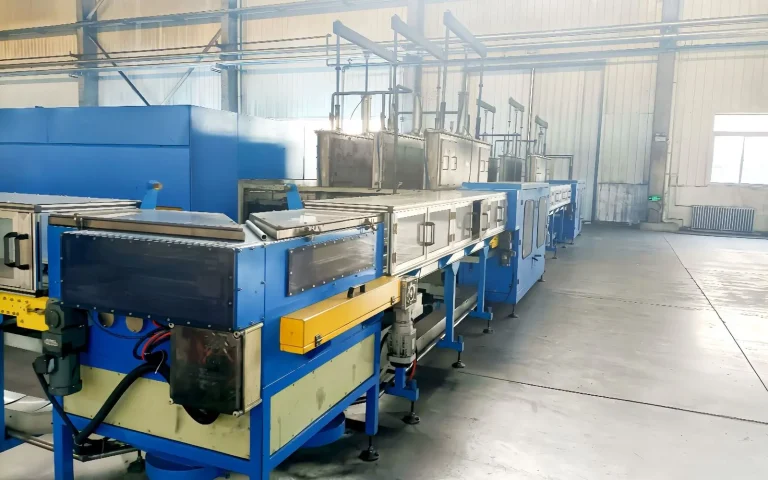
Hartkohleanodenmaterial ist das bevorzugte Material für die Kommerzialisierung von Natrium-Ionen-Batterien

Roherz: Sulfidtyp Golderz Goldgehalt: 3,5 g/t Endprodukt: Goldbarren Goldrückgewinnungsrate: 96%

Roherz: Lithiumreicher Hectorit-Ton (Li₂O: 0,6-1,0%) Endprodukt: Batterie-Qualität Lithiumcarbonat
Rohmaterial: Sulfidtyp Kupfererz Kupfergehalt: 0,8 % Endprodukt: Kupferkonzentrat

Roherz: Oxidart Golderz Goldgehalt: 3,5 g/t Goldrückgewinnungsrate: 92% Reinheit des Goldbarren: 96%
Rohmaterial: Sulfidhaltiges Golderz (30 % Sulfid) Goldgehalt: 3,2 g/t Endprodukt: 98,99 % Goldbarren
Rohore: Nickel-Kobalt-Lateriterz (Limonit- und Saprolitschichten) Durchschnittlicher Gehalt: Ni: 1,2%, Co: 0,15%
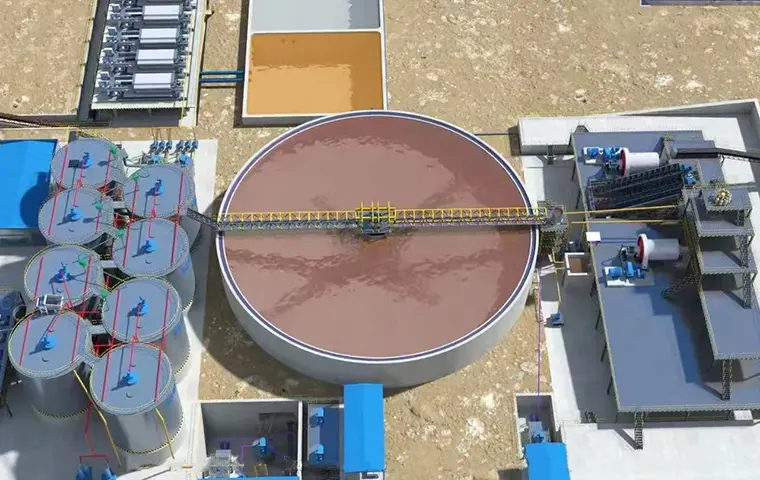
Rohmineral: Sulfidtyp Kupfererz (hauptsächlich Chalcopyrit) Kupfergehalt: 0,8% Endprodukt: Kupferkonzentrat
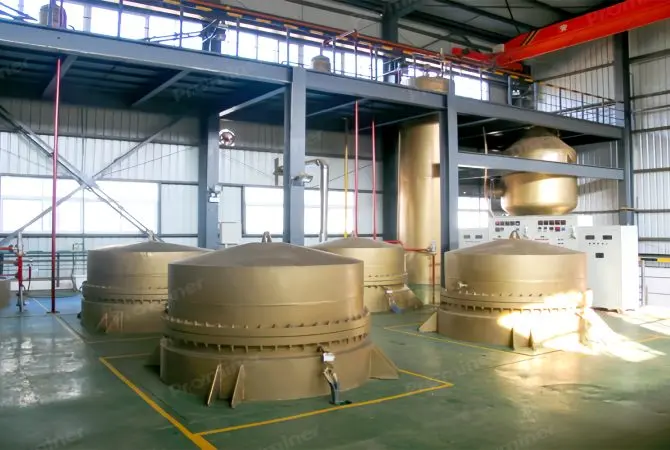
Prominer kann das gesamte Raffinerie- und Schmelzsystem für das Gold CIL-Projekt entwerfen und bereitstellen
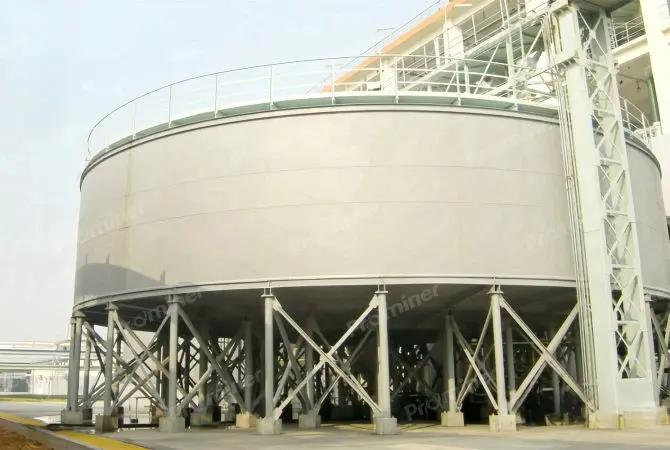
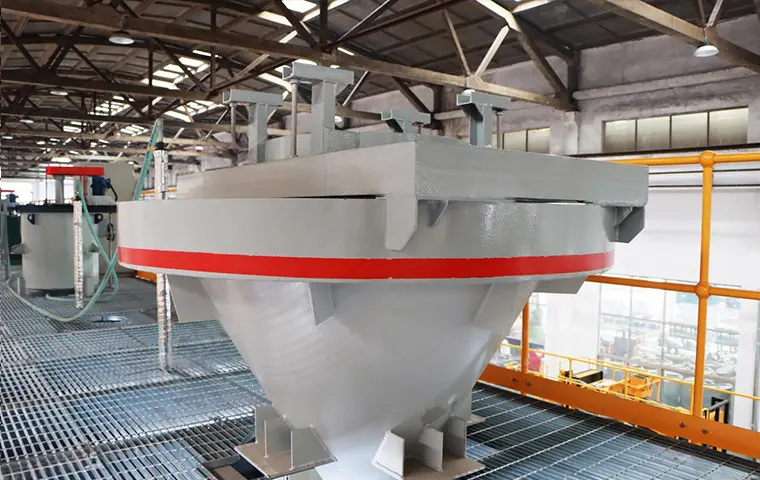
Prominer kann verschiedene Arten von Dickmachern anbieten, einschließlich zentraltreibender Dickmacher und peripherer Zugdickmacher
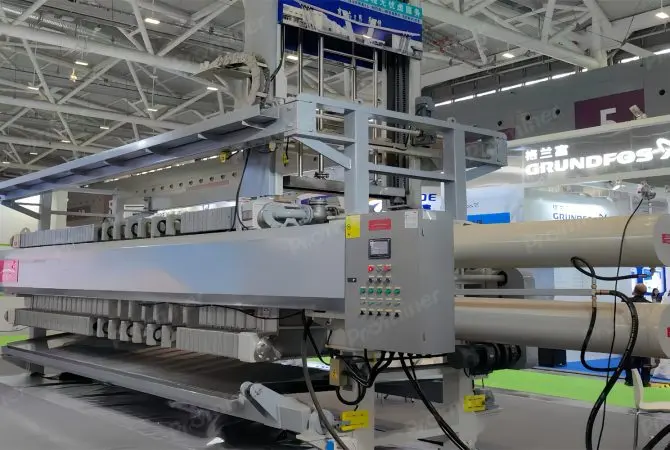
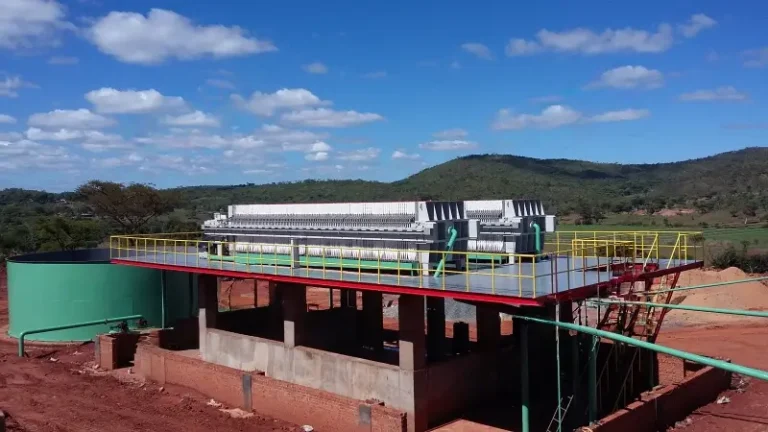
Prominer kann Druckfilter, Gurt-Vakuumfilter, Scheiben-Vakuumfilter und Keramikfilter anbieten
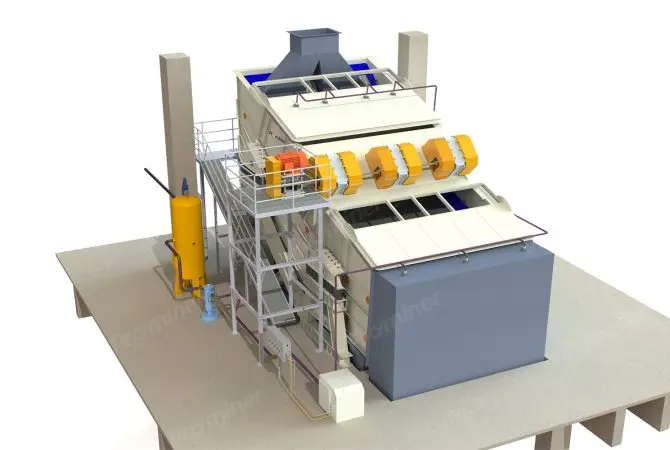
Flip-Flow-Siebplatte dehnt sich weiterhin aus und zieht sich zusammen, um hohe Beschleunigungsraten zu erreichen
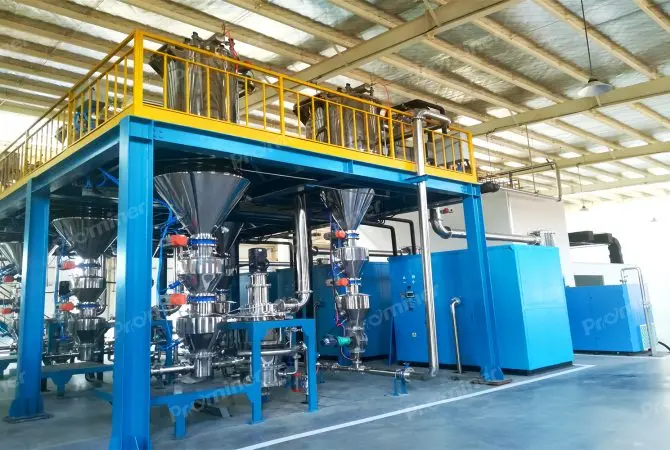
Die Jet-Mühle wird auch als Wirbelschicht-Jet-Mühle bezeichnet, da sie mehrere Düsen verwendet, um einen Luftstrom in Schallgeschwindigkeit zu erzeugen.
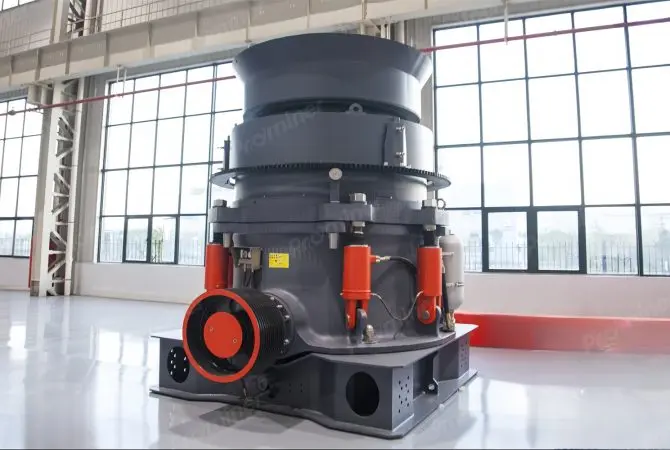
Multi-Zylinder hydraulischer Kegelbrecher kombiniert Brechgeschwindigkeit, Exzentrizität und Kavitätsprofil
Um mehr über unsere Produkte und Lösungen zu erfahren, füllen Sie bitte das untenstehende Formular aus, und einer unserer Experten wird sich in Kürze bei Ihnen melden.
3000 TPD Goldflotationsprojekt in der Provinz Shandong
2500 TPD Lithiumerzfloation in Sichuan
Fax: (+86) 021-60870195
Adresse:Nr. 2555, Xiupu Straße, Pudong, Shanghai
Urheberrecht © 2023.Prominer (Shanghai) Mining Technology Co., Ltd.