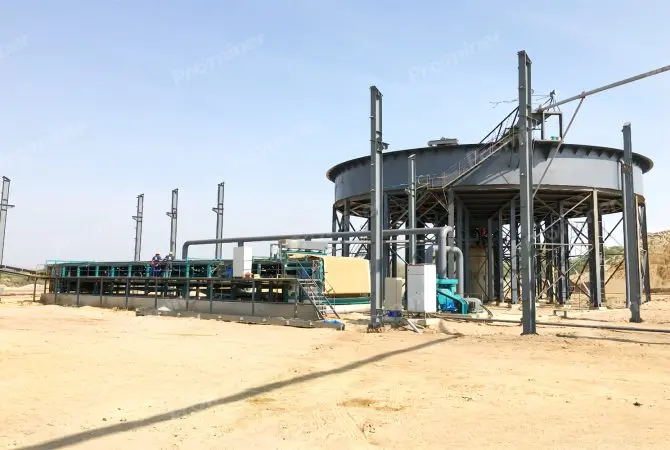

Die Nachfrage aus der Industrie über die Jahre war nach Spezialgraphit und -kohlenstoff mit zunehmend engeren


/
/
How to Optimize the Flotation Process for Challenging Carbonaceous Gold Ore?
Carbonaceous gold ores are among the most difficult ores to treat in gold processing. The presence of naturally occurring carbonaceous matter (such as graphite or organic carbon) can significantly reduce gold recovery by adsorbing dissolved gold complexes (a phenomenon known as preg-robbing) and interfering with flotation selectivity. Optimizing the flotation process for these ores requires a targeted strategy that addresses both metallurgical and chemical challenges.
Below are key optimization strategies to improve flotation performance when treating challenging carbonaceous gold ore.
Effective optimization begins with detailed mineralogical and chemical analysis. Understanding the ore’s composition helps identify the causes of poor flotation performance.
Key aspects to evaluate include:
Techniques such as QEMSCAN, fire assay, carbon analysis, and diagnostic leaching provide critical insights for designing an appropriate flotation strategy.
Proper liberation is essential for maximizing gold recovery. However, overgrinding can increase slimes generation and worsen flotation selectivity, especially in carbon-rich ores.
Best practices include:
Balancing sufficient liberation with controlled slime production is critical for stable flotation performance.
Reagent selection plays a crucial role in separating gold-bearing sulfides from carbonaceous matter.
Sammler
Xanthates, dithiophosphates, or blended collectors can improve selectivity for sulfide minerals. Stronger collectors may be needed for refractory ores but must be carefully controlled to avoid floating carbon.
Depressants for Carbonaceous Matter
Depressants such as sodium silicate, carboxymethyl cellulose (CMC), dextrin, or modified starch can help reduce carbon flotation. Kerosene or diesel should be carefully managed, as they may enhance unwanted carbon flotation.
Schaummittel:
Frother type and dosage should be optimized to control bubble size and froth stability. Excessively stable froth can increase entrainment of carbonaceous particles.
Laboratory flotation tests are essential to determine the optimal reagent combination and dosage.
Pulp chemistry significantly affects flotation selectivity and gold recovery.
Important factors include:
Careful monitoring and control of pH and reagent conditioning time can improve both recovery and concentrate grade.
Preg-robbing carbon can adsorb dissolved gold during downstream cyanidation, reducing overall recovery even if flotation performance is acceptable.
Mitigation strategies include:
A combined flotation and hydrometallurgical strategy is often required for maximum gold recovery.
Flowsheet design can significantly influence flotation efficiency in carbonaceous ores.
Options include:
Pilot-scale testing is strongly recommended before full-scale implementation.
Advanced process control helps maintain stable flotation performance despite feed variability.
Key measures include:
Data-driven optimization enables rapid response to ore variability and improves long-term stability.
Optimizing flotation for challenging carbonaceous gold ore requires a multi-faceted approach that integrates mineralogical understanding, reagent chemistry, pulp chemistry control, and circuit design. Because carbonaceous matter interferes with both flotation and downstream gold recovery, successful treatment often combines flotation optimization with preg-robbing mitigation strategies.
Through systematic test work, careful reagent selection, and robust process control, operators can significantly improve gold recovery and concentrate quality—even when treating highly refractory carbonaceous ores.
A: Die Mineralmerkmale variieren erheblich, selbst innerhalb des gleichen Erzkörpers. Ein professioneller Test (wie chemische Analyse, Röntgenbeugung und Elektronenmikroskopie) gewährleistet, dass das Flussdiagramm für Ihre spezifische Erzqualität und Freisetzungsgröße optimiert ist. Dies verhindert kostspielige Fehlanpassungen der Ausrüstung und garantiert die höchstmöglichen Rückgewinnungsraten für Ihr Projekt.
A: Wir halten einen ständigen Lagerbestand an Kernverschleißteilen (wie Brecherverkleidungen, Siebgewebe und Mahlinnen). Für internationale Kunden stellen wir eine empfohlene „Ersatzteil-Liste für 2 Jahre“ mit dem Erstkauf zur Verfügung. Technische Unterstützung ist rund um die Uhr über Video-Remote verfügbar, und vor Ort Besuche können für komplexe Wartungsbedürfnisse arrangiert werden.
A: Ja. Wir schicken ein Team von erfahrenen Maschinenbau- und Elektroingenieuren zur Baustelle, um die Installation, Inbetriebnahme und Lasttests der Ausrüstung zu überwachen. Wir bieten auch umfassende Schulungen vor Ort für Ihre örtlichen Bediener an, um einen reibungslosen Betrieb auf lange Sicht zu gewährleisten.
A: Absolut. Wir sind auf die Bereitstellung von EPCM-Dienstleistungen (Engineering, Procurement, Construction Management) spezialisiert. Dazu gehört alles von der ersten Erzprüfung und dem Minendesign über die Fertigung von Ausrüstungen, Logistik bis hin zur vollständigen Integration von Anlagen, um einen nahtlosen Übergang von der grünen Wiese zur Produktion zu gewährleisten.
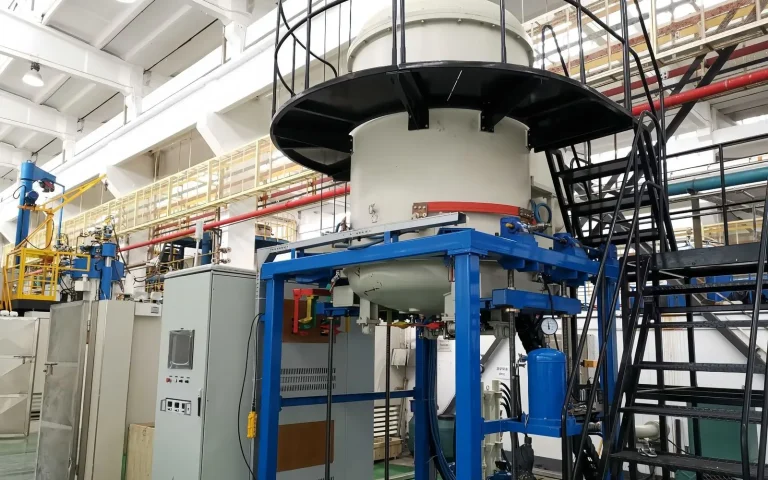
Die Nachfrage aus der Industrie über die Jahre war nach Spezialgraphit und -kohlenstoff mit zunehmend engeren
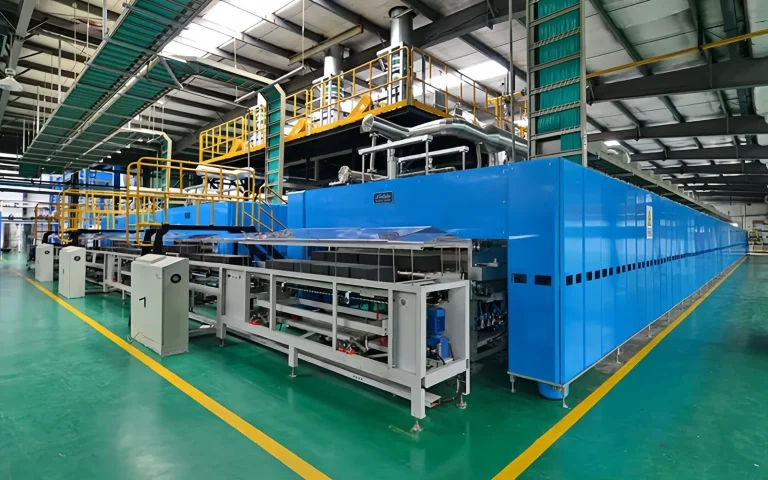
Künstliche Graphitanodenmaterialien bestehen hauptsächlich aus hochwertigem, schwermetallfreiem Petroleumkoks.
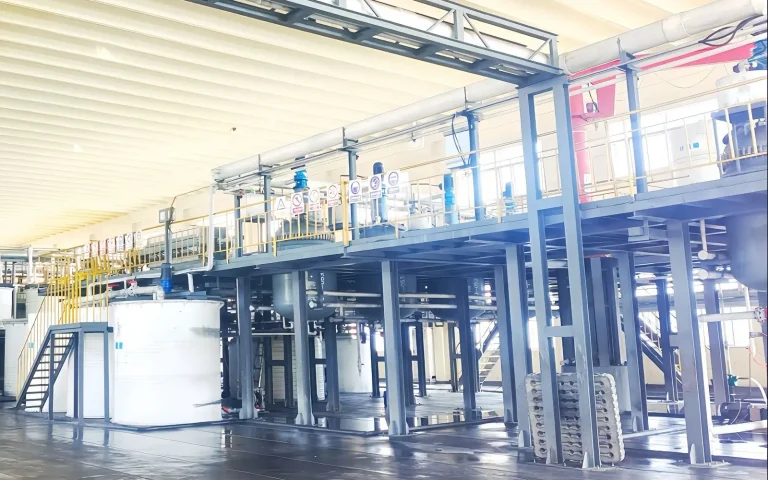
Flake-Graphit kann zur Herstellung von hochgradigem Graphit, hochreinem Graphit, expandierbarem Graphit verwendet werden.

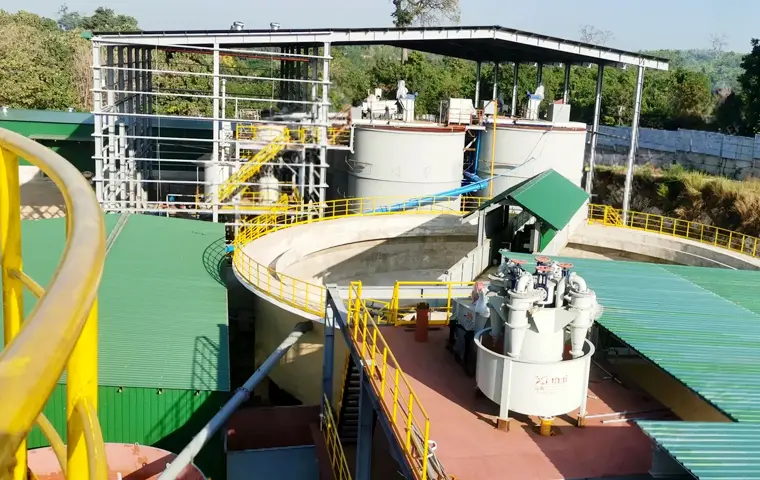
Roherz: Dualoxid- und Sulfidgolderz (teilweise refraktär) Goldgehalt: 3,5-4,2 g/t Endprodukt: Gold-Doré (Au ≥96,5%)
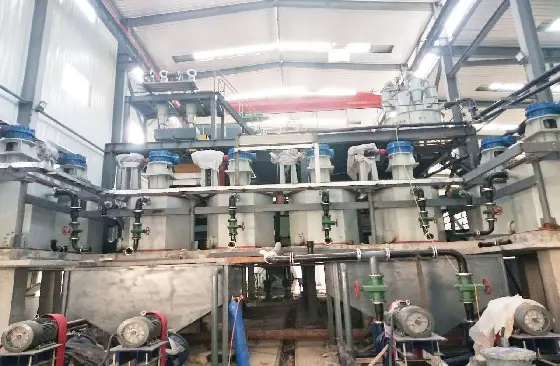
Rohmaterial: Quarzit (SiO₂: 97,8%) Photovoltaik-Qualität: SiO₂ ≥ 99,99 %, Fe₂O₃ ≤ 10 ppm
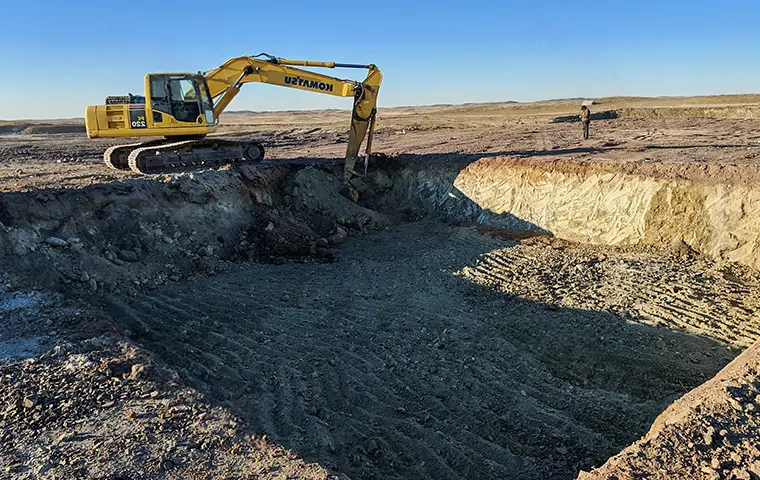
Rohmaterial: Tailings-Schlämmen aus der CIL-Anlage Gehalt an festen Stoffen in den Tailings: 35-40% Endlagerdichte: 1,6-1,8 t/m³
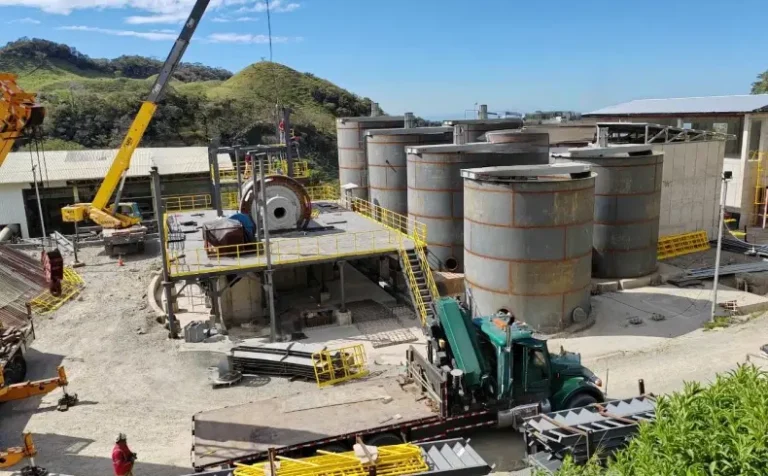
Roherz: Oxid-Sulfid-Gemischtgolderz Goldgehalt: 3,5-7 g/t Goldbarrenreinheit: 99,5 %
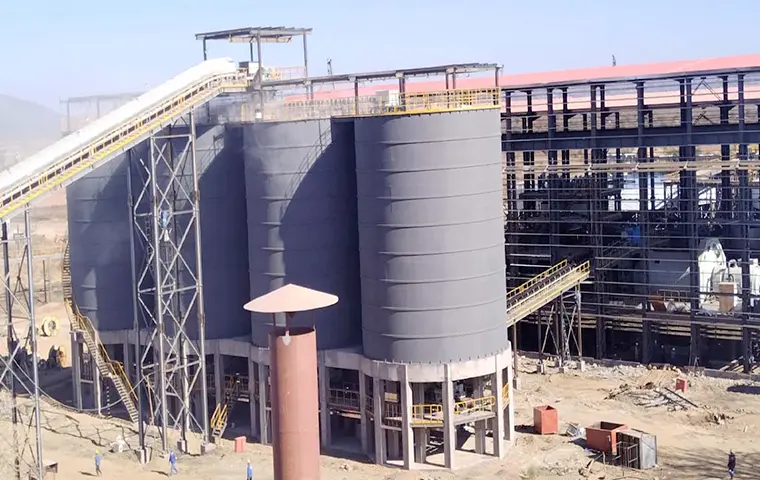
Roherz: Lithiumhaltiges Pegmatiterz (hauptsächlich Spodumen) Li₂O Gehalt: 1,15% Konzentratgehalt: 5,5% Li₂O
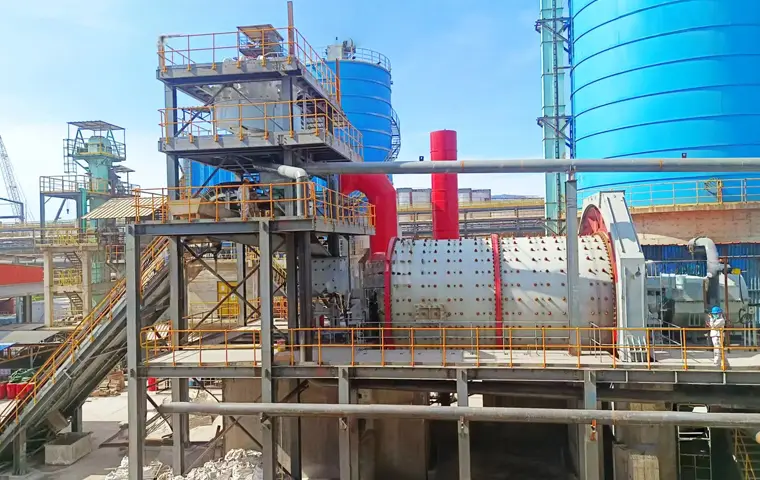
Rohmaterial: Hochkalziumkalk Endprodukt: Zementrohmehl (200 Maschen) & Baustoffzuschlagstoffe
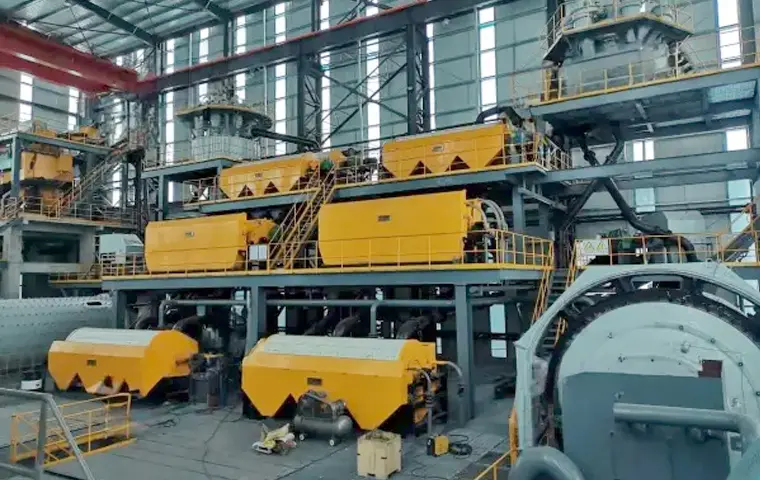
Roherz: Magnetit-Eisenerz mit Hämatit-Bänderung Fe-Gehalt: 28-32 % Endprodukt: Hochwertiges Eisenkonzentrat
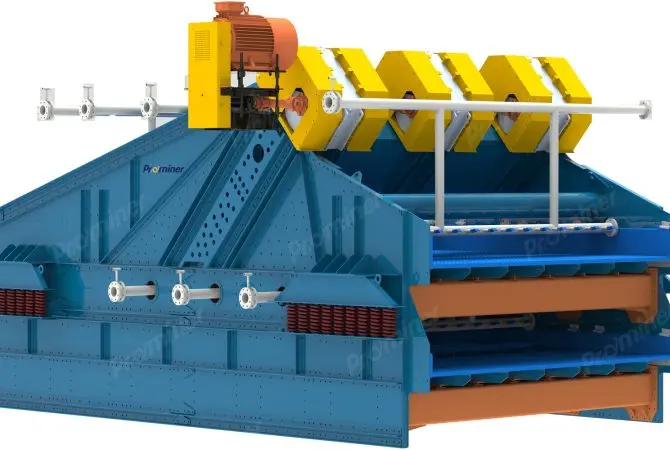
Prominer kann alle Arten von linearen Sieben für Mineralbewertungen, Materialgrößen und Entwässerung bereitstellen
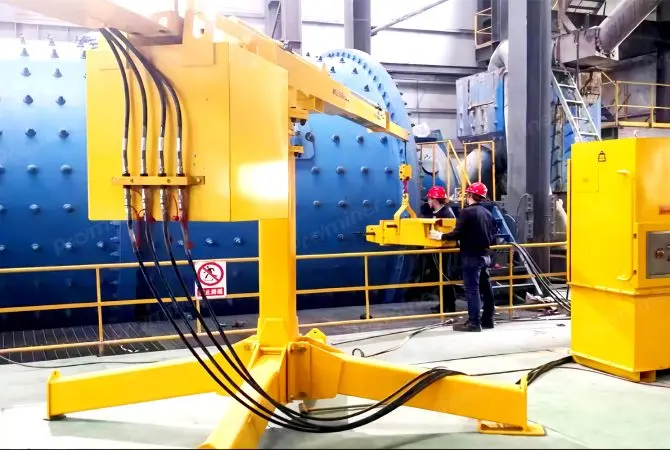
Wir können den hochautomatisierten und leistungsstarken rückstoßfreien Bolzenhammer zur Entfernung herstellen
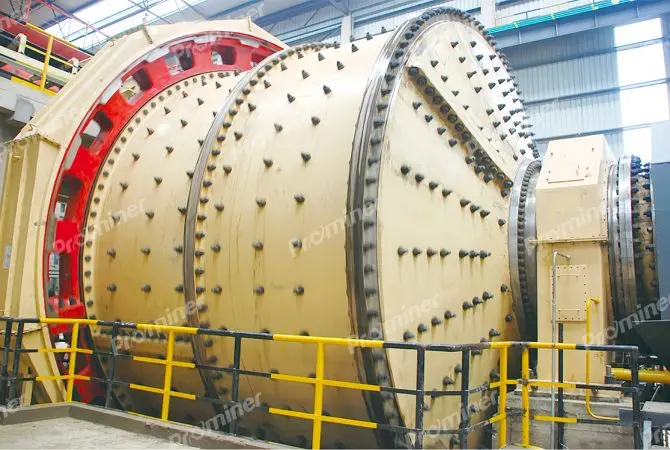
AG/SAG steht für autogene Mühle und semiautogene Mühle, sie kombiniert zwei Funktionen des Brechens
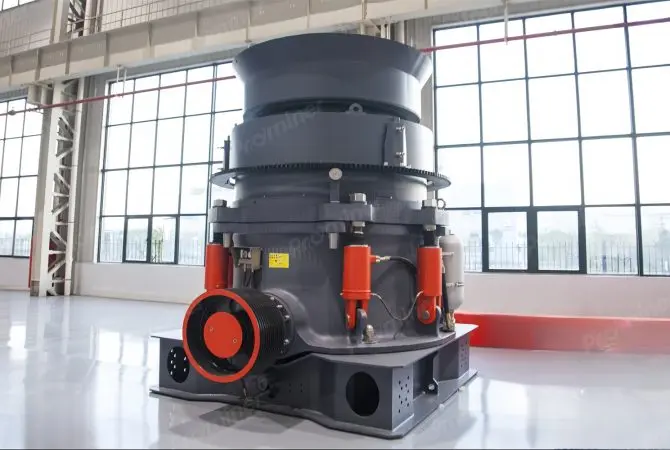
Multi-Zylinder hydraulischer Kegelbrecher kombiniert Brechgeschwindigkeit, Exzentrizität und Kavitätsprofil
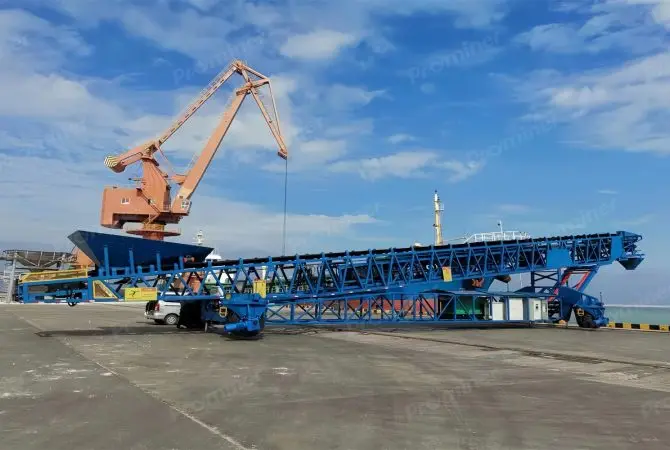
Unser Ingenieurteam kann den mobilen radialen Stacker, Lader entwerfen und herstellen
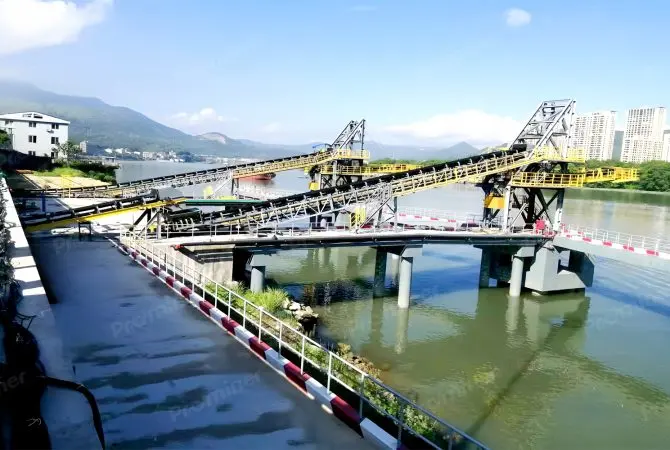
Wir können Lösungen für Bandförderer zu verschiedenen Zwecken anbieten, einschließlich steil geneigter Bandförderer
Um mehr über unsere Produkte und Lösungen zu erfahren, füllen Sie bitte das untenstehende Formular aus, und einer unserer Experten wird sich in Kürze bei Ihnen melden.
3000 TPD Goldflotationsprojekt in der Provinz Shandong
2500 TPD Lithiumerzfloation in Sichuan
Fax: (+86) 021-60870195
Adresse:Nr. 2555, Xiupu Straße, Pudong, Shanghai
Urheberrecht © 2023.Prominer (Shanghai) Mining Technology Co., Ltd.