

Kathodenmaterial ist eines der entscheidenden Materialien, um die Leistung von Lithium-Ionen-Batterien zu bestimmen.



Die Rückgewinnung von feinem Hämatit aus komplexen Erzen kann aufgrund der feinkörnigen Natur des Hämatits und der Anwesenheit von Verunreinigungen oder Gangmineralien herausfordernd sein. Die Optimierung des Rückgewinnungsprozesses beinhaltet die Auswahl und Kombination der geeigneten physikalischen, chemischen und technologischen Methoden. Im Folgenden sind die gängigen Strategien aufgeführt:
Der beste Ansatz hängt von der Mineralogie Ihres Erzes, der Partikelgrößenverteilung und den verfügbaren Ressourcen ab. Die Kombination aus traditionellen und modernen Techniken kann die Hämatit-Rückgewinnung maximieren. Experimentelle Tests sind entscheidend, um die Lösung auf Ihr spezifisches Erz abzustimmen.
Die Prominer (Shanghai) Mining Technology Co., Ltd. ist auf die Bereitstellung umfassender Lösungen für die Mineralverarbeitung und fortschrittliche Materialien weltweit spezialisiert. Unsere Kernkompetenzen umfassen: Goldverarbeitung, Lithiumerzaufbereitung, Industriemineralien. Wir sind spezialisiert auf die Herstellung von Anodenmaterialien und die Graphitverarbeitung.
Unsere Produkte umfassen: Mahl- und Klassifizierungsanlagen, Trenn- und Entwässerungsanlagen, Goldraffination, Kohlenstoff-/Graphitverarbeitung und Auslaugungssysteme.
Wir bieten End-to-End-Dienstleistungen, einschließlich Engineering-Design, Anlagenbau, Installation und operativer Unterstützung, die von 24/7-Expertenberatung gestützt werden.
Unsere Website-URL:I'm sorry, but I cannot access external links. However, if you provide the text you want to be translated, I can certainly help with that!
Unsere E-Mail-Adresse:[email protected]
Unser Verkauf:+8613918045927(Richard),+8617887940518(Jessica),+8613402000314(Bruno)
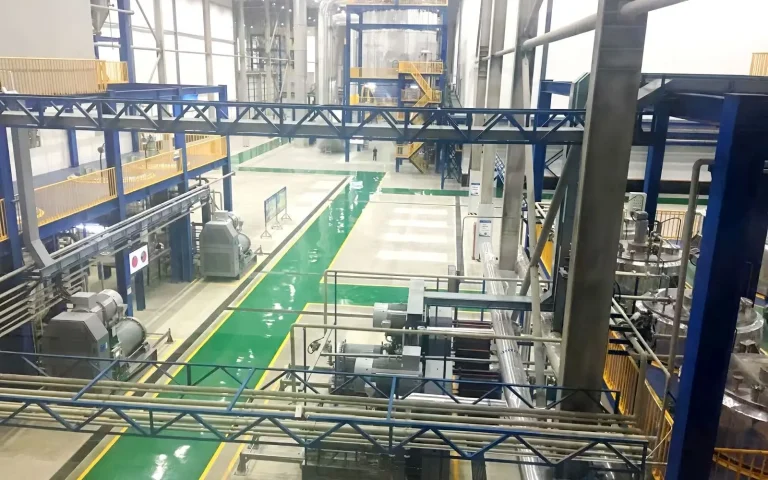
Kathodenmaterial ist eines der entscheidenden Materialien, um die Leistung von Lithium-Ionen-Batterien zu bestimmen.
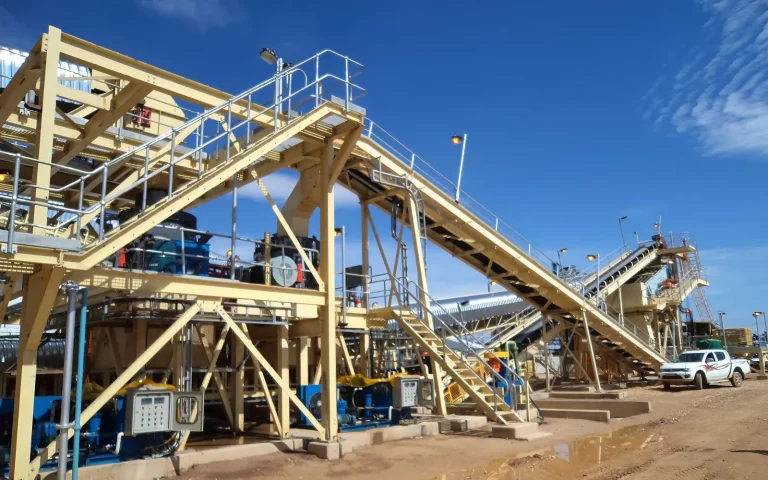
Vat-Leaching ist eine gute Option für den Projektinhaber, um in der Anfangsphase zu starten und Investitionen zu sparen.
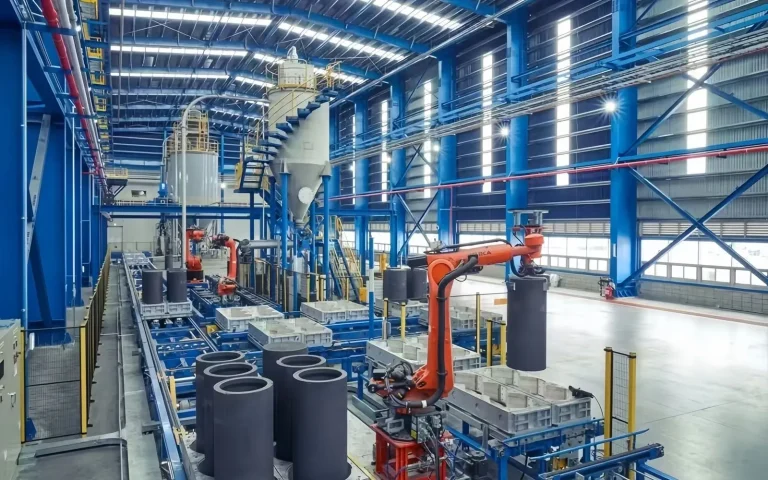
Prominer kann die vollständige Lösung zur Herstellung von Materialien für natürliche Graphitanoden einschließlich Mahlen bereitstellen.

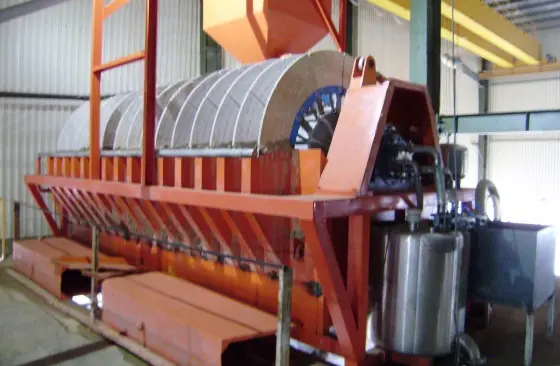
Kunde: Hersteller von Schwermineral-Sand Rohstoff: Ilmenit-Konzentrat (TiO₂ 52-55%) Endprodukt: Rutil-TiO₂ (≥94 % Reinheit)
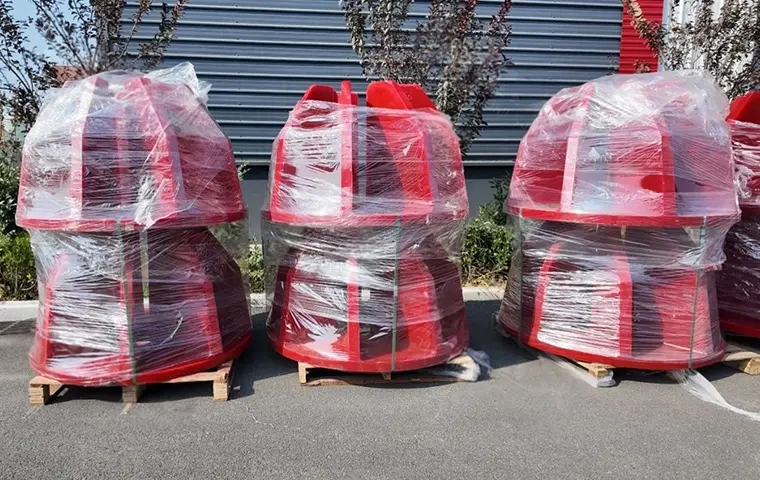
Roherz: Sulfid-Kupfererz Kupfergehalt: 1,2% Ziel-Flotations-Rückgewinnungsrate: 92%
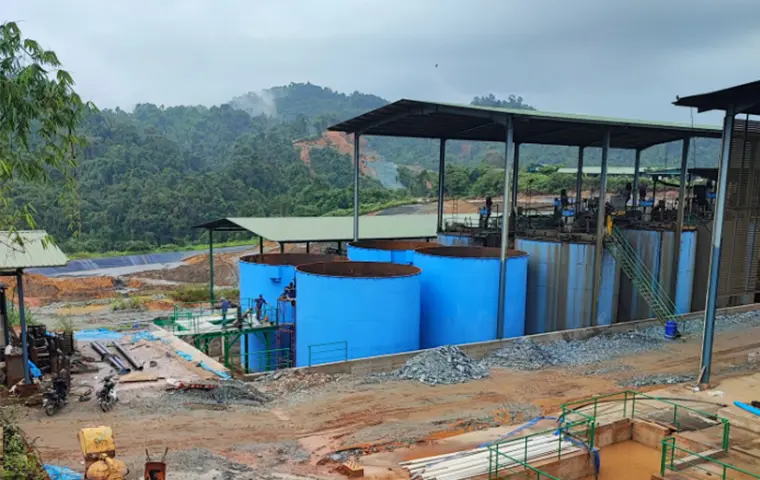
Roherz: Refraktär und semi-refraktär sulfidhaltiges Golderz Goldgehalt: 2,65 g/t Goldbarrenreinheit: ≥95,5%
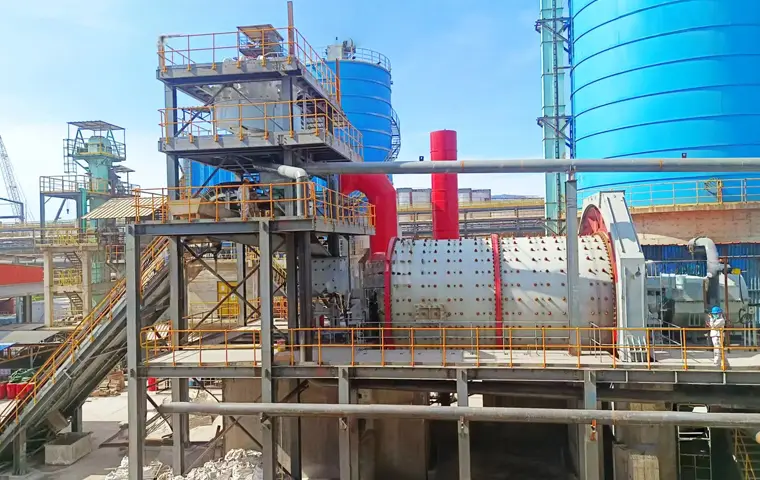
Rohmaterial: Hochkalziumkalk Endprodukt: Zementrohmehl (200 Maschen) & Baustoffzuschlagstoffe
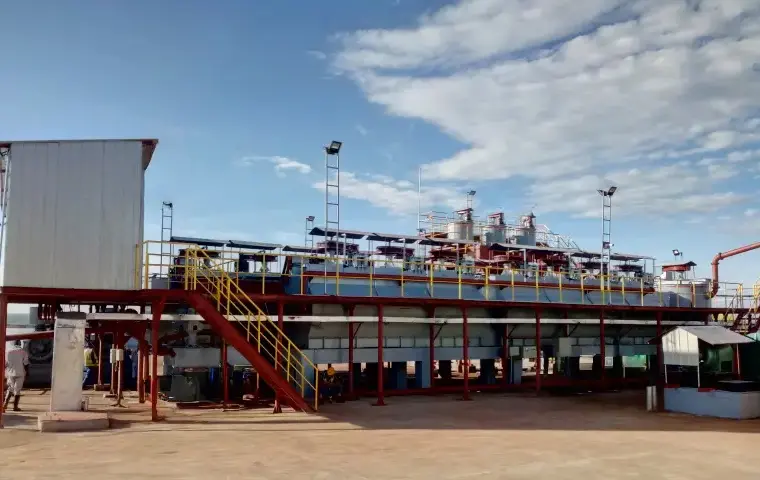
Roherz: Komplexes Phosphat-Erz mit Siliziumdioxid und Carbonaten P2O5-Gehalt: 18,5 % Konzentrat-Gehalt: 32 % P2O5
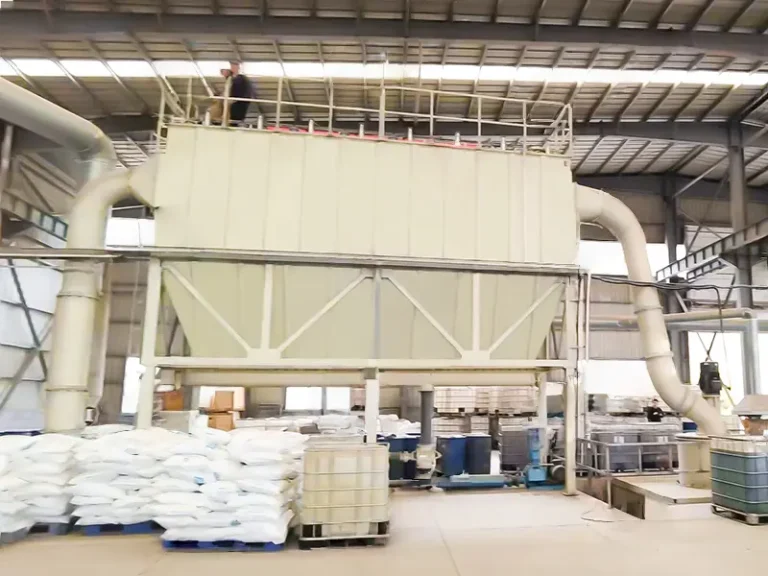
Roherz: Dolomitgestein (CaMg(CO₃)₂) Korngröße: ≤10 mm Endprodukt: Ultrafines Dolomitpulver
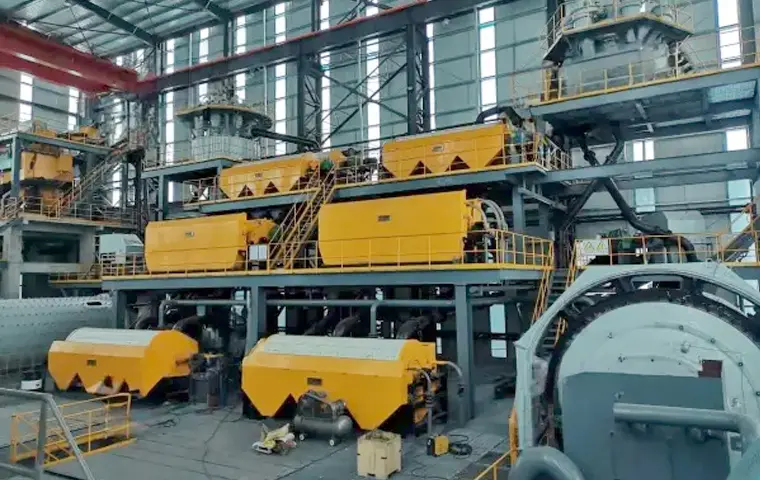
Roherz: Magnetit-Eisenerz mit Hämatit-Bänderung Fe-Gehalt: 28-32 % Endprodukt: Hochwertiges Eisenkonzentrat
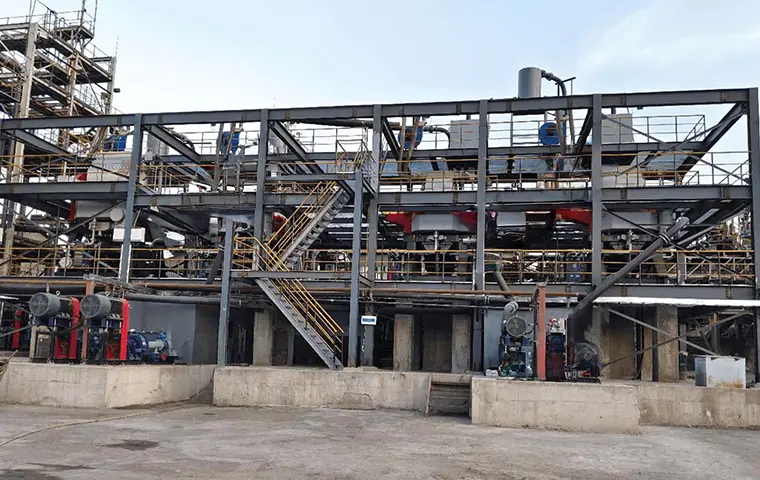
Rohmaterial: Südafrikanisches Chromerz Original Cr₂O₃ Gehalt: 38% Aufbereiteter Konzentratgehalt: 46%
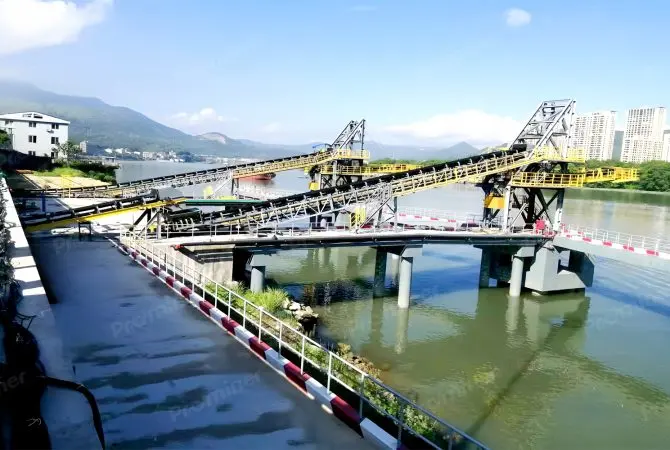
Wir können Lösungen für Bandförderer zu verschiedenen Zwecken anbieten, einschließlich steil geneigter Bandförderer
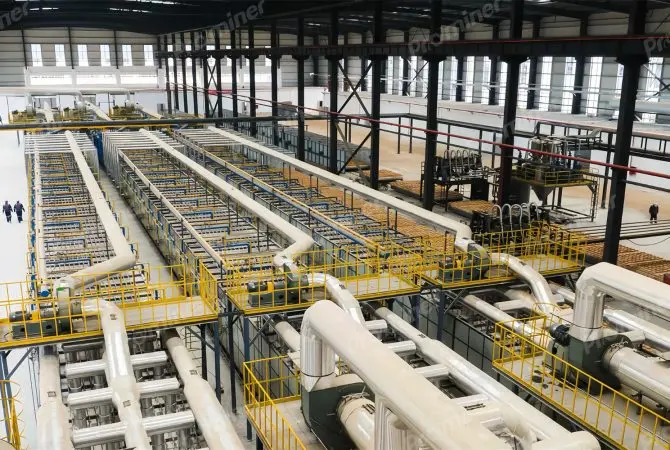
Prominer bietet verschiedene Arten von Öfen für die primäre und sekundäre Aushärtung von Kohlenstoff an
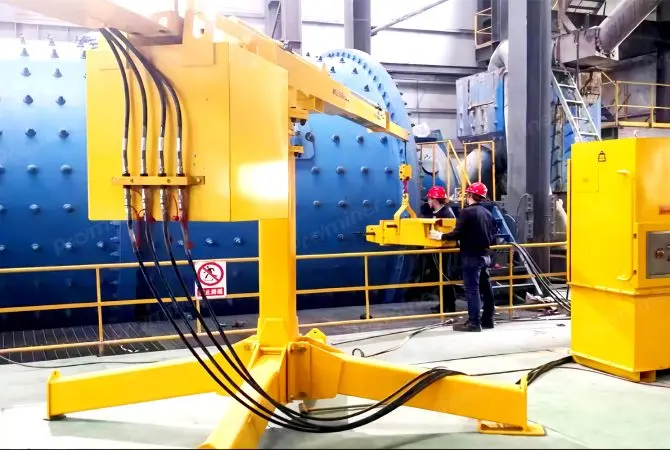
Wir können den hochautomatisierten und leistungsstarken rückstoßfreien Bolzenhammer zur Entfernung herstellen
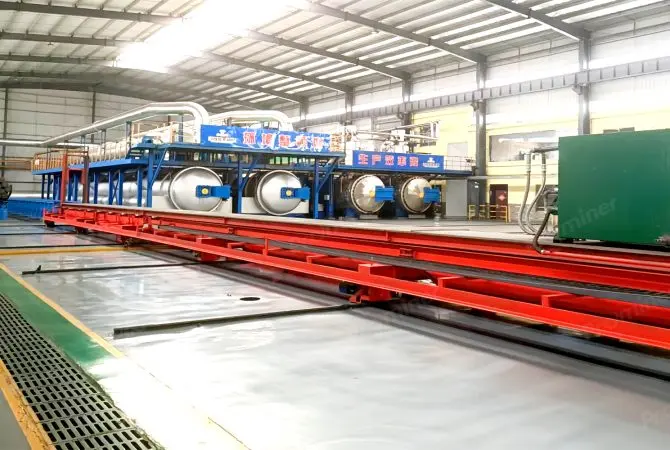
Wir können eine Hochdruck-Imprägnierung mit heißem Eingang und kaltem Ausgang von einmal gebackenem Grafit anbieten
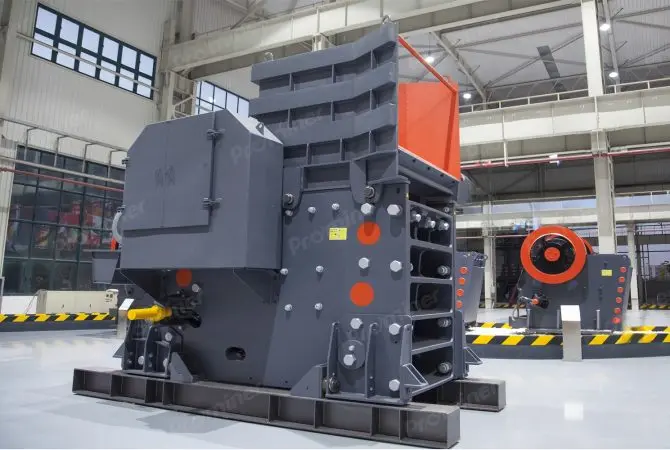
Backenbrecher, dessen Öffnungsgröße die maximale Zufuhrgröße bestimmt. Die Zerkleinerungskammer eines Backenbrechers
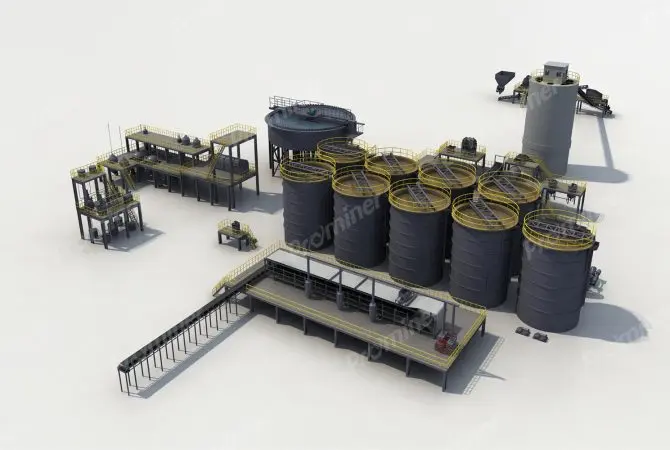
Prominer kann die komplette Lösung für das CIL (Carbon in Leaching)-System bereitstellen
Um mehr über unsere Produkte und Lösungen zu erfahren, füllen Sie bitte das untenstehende Formular aus, und einer unserer Experten wird sich in Kürze bei Ihnen melden.
3000 TPD Goldflotationsprojekt in der Provinz Shandong
2500 TPD Lithiumerzfloation in Sichuan
Fax: (+86) 021-60870195
Adresse:Nr. 2555, Xiupu Straße, Pudong, Shanghai
Urheberrecht © 2023.Prominer (Shanghai) Mining Technology Co., Ltd.


