

Siliziumbasierte Anoden sind eine Art von Verbundanodenmaterial durch Zusammensetzung von Silizium



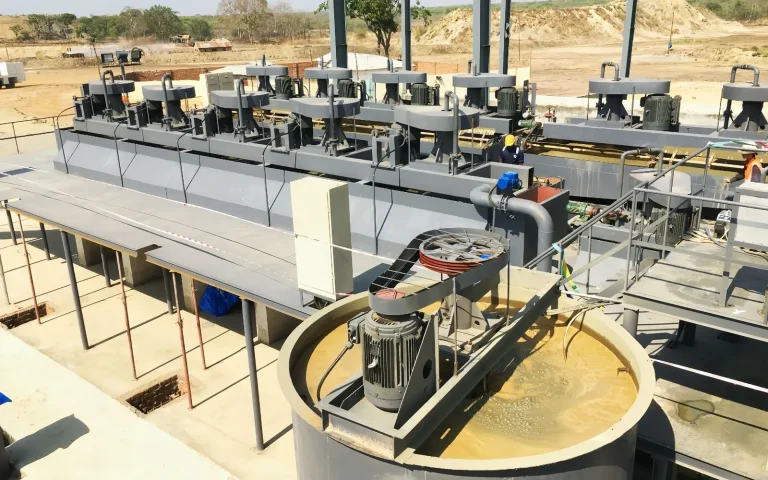
Die Auswahl von Flotationsmitteln zur Aufbereitung von Phosphateisen ist ein entscheidender Schritt, der ein umfassendes Verständnis der mineralogischen Eigenschaften und der Verarbeitungsanforderungen des Erzes erfordert. Nachfolgend sind wichtige Überlegungen und Schritte bei der Auswahl von Flotationsmitteln aufgeführt:
Flotationsmittel umfassen Kollektoren, Depressoren, Aktivatoren, Schaummittel und pH-Modifikatoren. Die Wahl der richtigen Kombination hängt von den Eigenschaften des Erzes und den Trennzielen ab.
Feinabstimmung der Konzentration von Flotationsmitteln, um die beste Rückgewinnung bei Minimierung der Kosten und des Reagenzienverbrauchs zu erreichen. Durchführung von Laboruntersuchungen oder Modellsimulationen zur Festlegung optimaler Dosierungen.
Mit geeigneten Tests und Optimierungen können Flotationsmittel effektiv ausgewählt werden, um hochwertige Phosphatkonzentrate zu erzielen.
Die Prominer (Shanghai) Mining Technology Co., Ltd. ist auf die Bereitstellung umfassender Lösungen für die Mineralverarbeitung und fortschrittliche Materialien weltweit spezialisiert. Unsere Kernkompetenzen umfassen: Goldverarbeitung, Lithiumerzaufbereitung, Industriemineralien. Wir sind spezialisiert auf die Herstellung von Anodenmaterialien und die Graphitverarbeitung.
Unsere Produkte umfassen: Mahl- und Klassifizierungsanlagen, Trenn- und Entwässerungsanlagen, Goldraffination, Kohlenstoff-/Graphitverarbeitung und Auslaugungssysteme.
Wir bieten End-to-End-Dienstleistungen, einschließlich Engineering-Design, Anlagenbau, Installation und operativer Unterstützung, die von 24/7-Expertenberatung gestützt werden.
Unsere Website-URL:I'm sorry, but I cannot access external links. However, if you provide the text you want to be translated, I can certainly help with that!
Unsere E-Mail-Adresse:[email protected]
Unser Verkauf:+8613918045927(Richard),+8617887940518(Jessica),+8613402000314(Bruno)
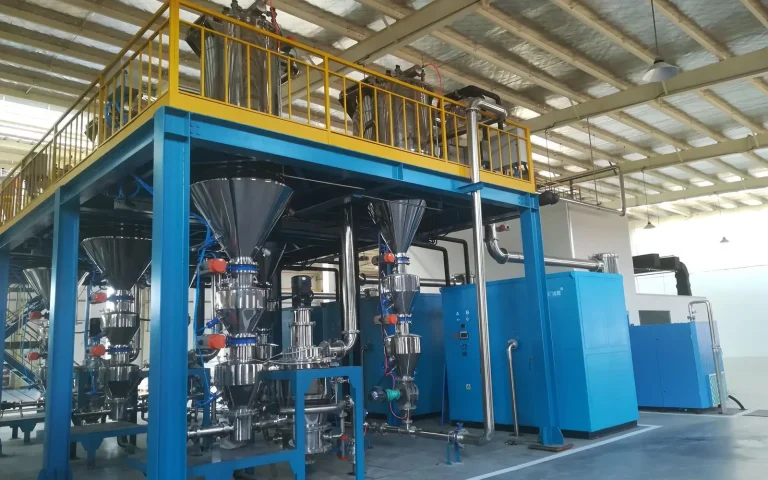
Siliziumbasierte Anoden sind eine Art von Verbundanodenmaterial durch Zusammensetzung von Silizium
Es gibt zwei Arten von natürlichem Graphit-Erz, darunter kristallines Graphit und amorphes Graphit
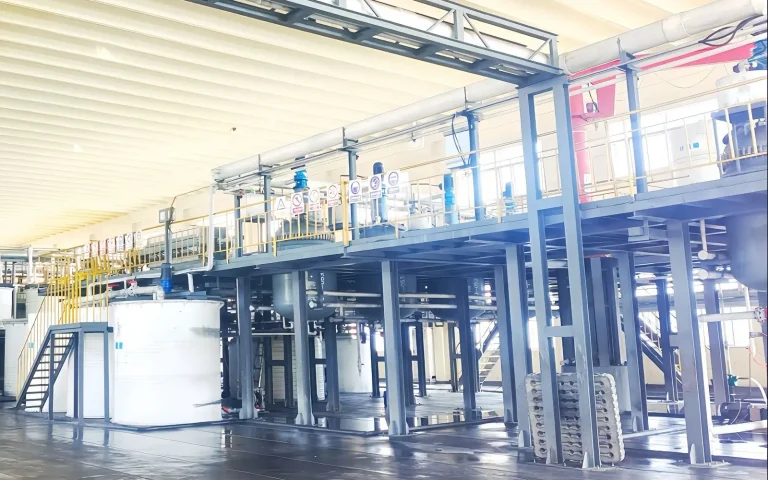
Flake-Graphit kann zur Herstellung von hochgradigem Graphit, hochreinem Graphit, expandierbarem Graphit verwendet werden.

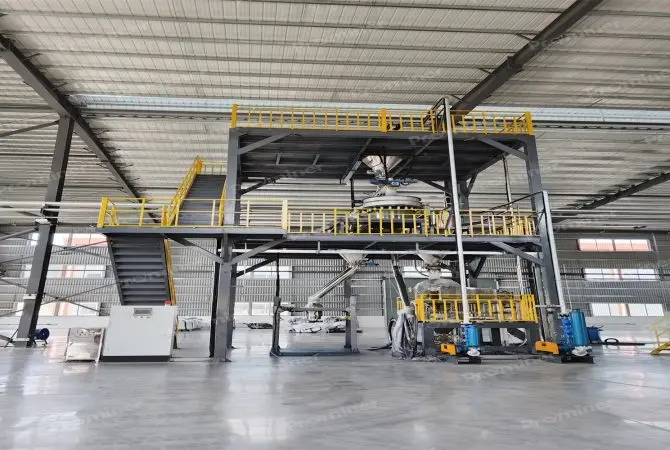
Rohmaterial: Künstlicher Graphit-Anode, Natürlicher Graphit-Anode
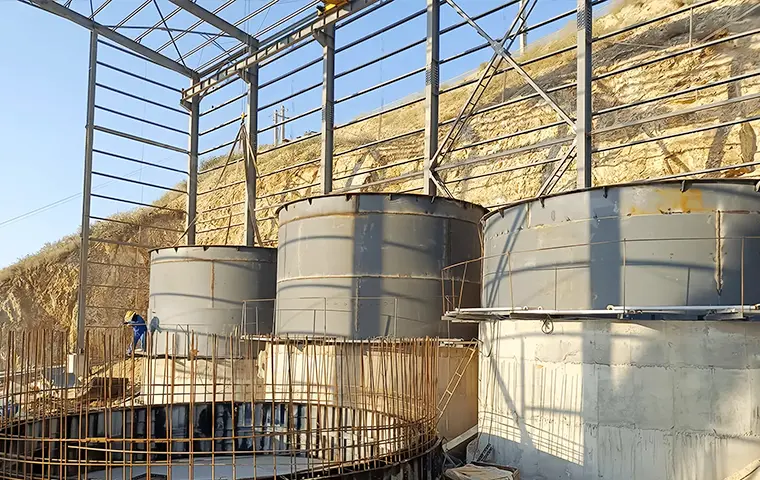
Roherz: Verwittertes Oxidgolderz Goldgehalt: 1,8 g/t Goldausbeute: 90,5%
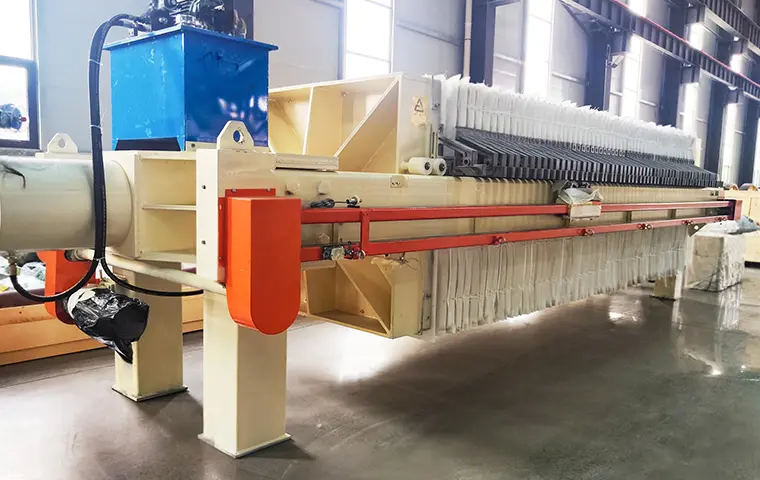
Projekt Hintergrund: Aufrüstung des Entwässerungskreislaufs für Flotationskonzentrat und Pflanzenrückstände, um den Feuchtigkeitsgehalt zu reduzieren und eine Trockenlagerung zu ermöglichen.
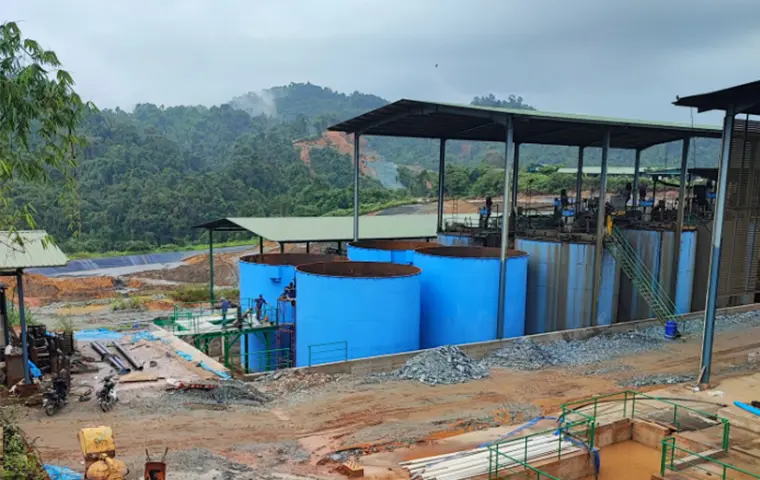
Roherz: Refraktär und semi-refraktär sulfidhaltiges Golderz Goldgehalt: 2,65 g/t Goldbarrenreinheit: ≥95,5%
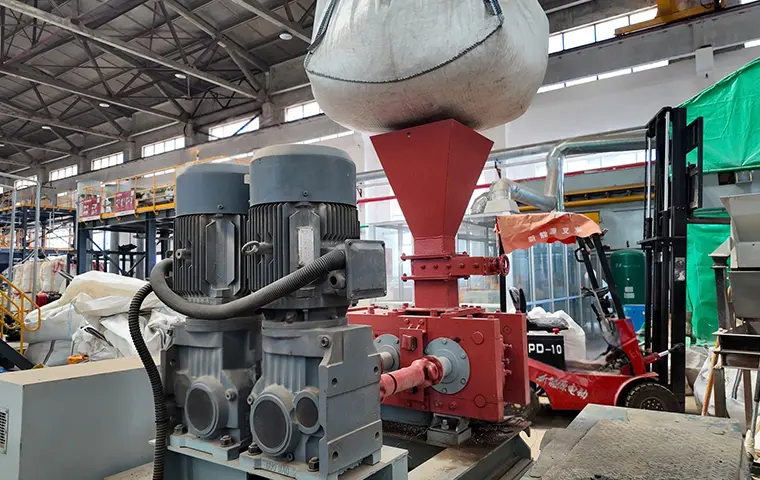
Projektziel: Bestimmung des optimalen Prozessablaufs und Bereitstellung von Skalen-Daten für eine Großanlage.
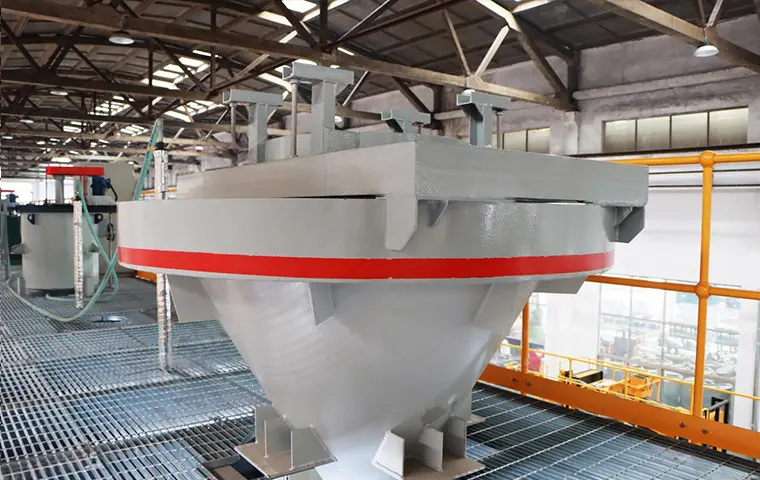
Roherz: Sulfidtyp Golderz Goldgehalt: 3,5 g/t Endprodukt: Goldbarren Goldrückgewinnungsrate: 96%
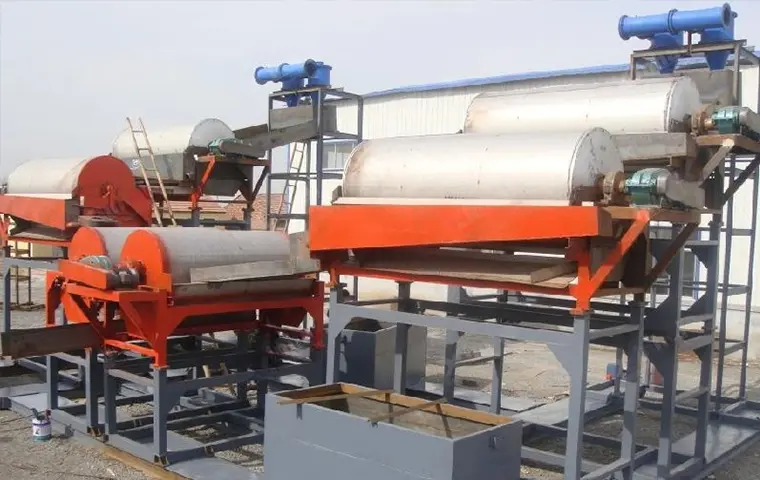
Roherz: Hausmannit-Erz (Mn₃O₄) Mn-Gehalt: 35% Endprodukt: Hausmannit-Konzentrat Mn-Rückgewinnungsrate: 88%
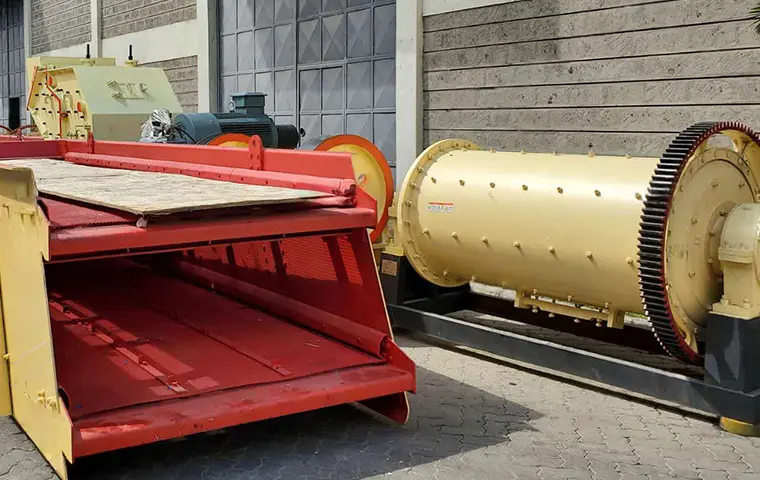
Roherz: Gemischtes Oxid- und Sulfidgolderz Goldgehalt: 3,5 g/t Goldrückgewinnungsrate: 92%
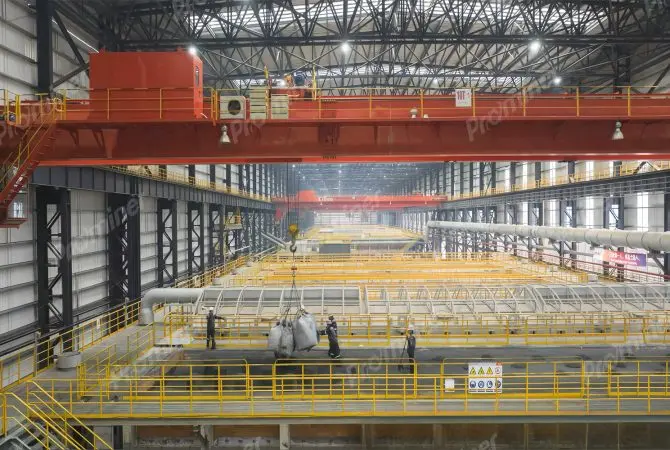
Wir können verschiedene Arten von Graphitierungsöfen für die Umwandlung von Kohlenstoffmaterial bereitstellen
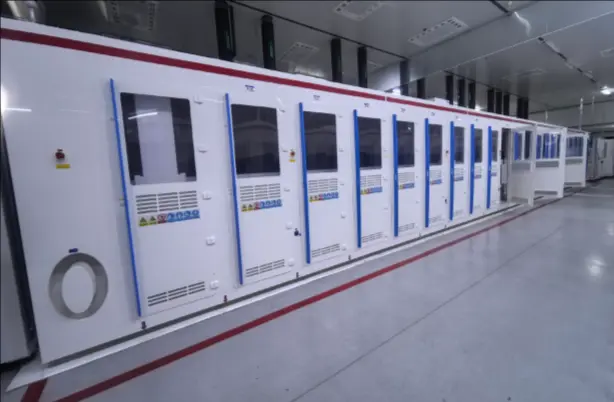
einkaufen Sie: Einkristalline Batch-Texturierungsanlage, Batch-Texturierungs-Belader/Entlader, Niederdruck-Softlanding-Geschlossenes-Rohr-Diffusionsystem
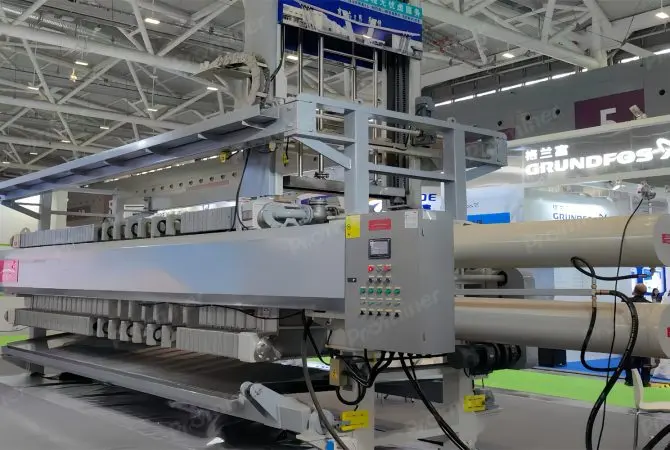
Prominer kann Druckfilter, Gurt-Vakuumfilter, Scheiben-Vakuumfilter und Keramikfilter anbieten
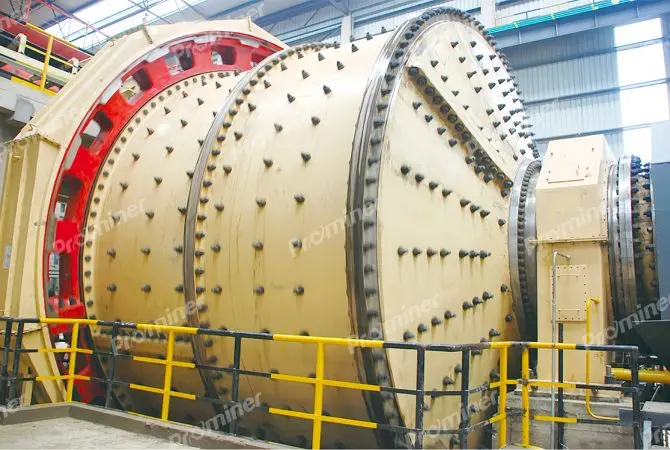
AG/SAG steht für autogene Mühle und semiautogene Mühle, sie kombiniert zwei Funktionen des Brechens
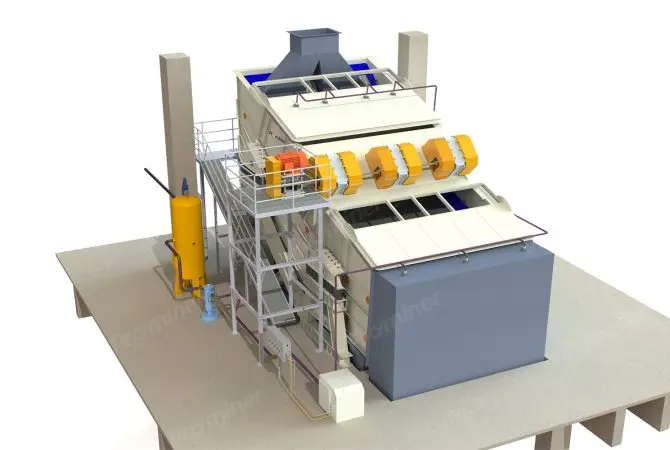
Flip-Flow-Siebplatte dehnt sich weiterhin aus und zieht sich zusammen, um hohe Beschleunigungsraten zu erreichen
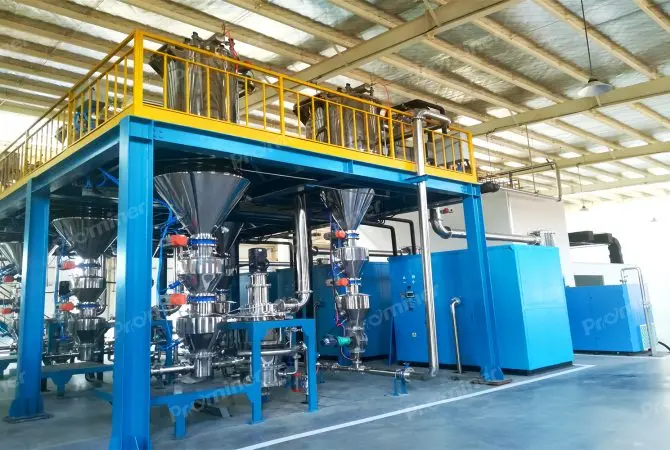
Die Jet-Mühle wird auch als Wirbelschicht-Jet-Mühle bezeichnet, da sie mehrere Düsen verwendet, um einen Luftstrom in Schallgeschwindigkeit zu erzeugen.
Um mehr über unsere Produkte und Lösungen zu erfahren, füllen Sie bitte das untenstehende Formular aus, und einer unserer Experten wird sich in Kürze bei Ihnen melden.
3000 TPD Goldflotationsprojekt in der Provinz Shandong
2500 TPD Lithiumerzfloation in Sichuan
Fax: (+86) 021-60870195
Adresse:Nr. 2555, Xiupu Straße, Pudong, Shanghai
Urheberrecht © 2023.Prominer (Shanghai) Mining Technology Co., Ltd.


