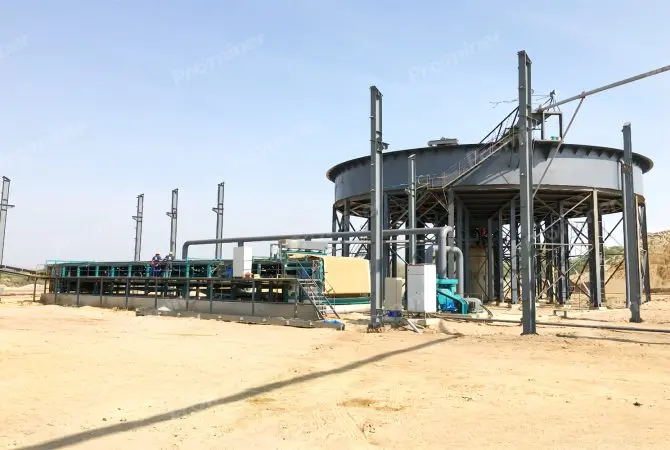

Vat-Leaching ist eine gute Option für den Projektinhaber, um in der Anfangsphase zu starten und Investitionen zu sparen.


/
/
What Key Aspects Should Be Considered in the Design of an Iron Ore Processing Plant?
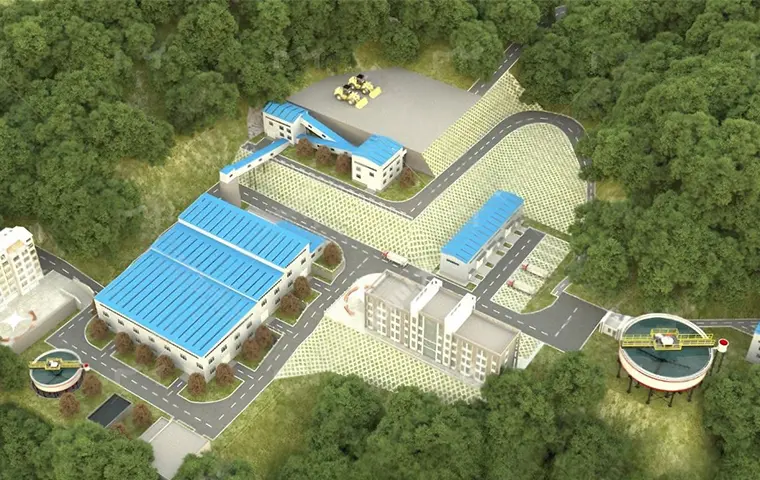
Designing an iron ore processing plant requires a comprehensive approach that balances technical efficiency, economic viability, environmental responsibility, and operational safety. Each project presents unique challenges based on ore characteristics, location, and market requirements. Below are the key aspects that should be considered when planning and designing an iron ore processing plant.
The foundation of any successful processing plant design is a thorough understanding of the ore body. Detailed mineralogical and metallurgical testing must be conducted to determine:
These characteristics dictate the selection of beneficiation methods such as crushing, screening, gravity separation, magnetic separation, flotation, or a combination of processes. Without accurate ore characterization, plant performance and product quality can suffer significantly.
The process flow sheet outlines the sequence of operations required to convert raw ore into a marketable product. Key steps typically include:
Designing an efficient flow sheet involves optimizing recovery rates, minimizing energy consumption, and ensuring consistent product quality. Simulation software and pilot testing are often used to validate process design before full-scale implementation.
Determining the plant’s throughput capacity is critical. The design must consider:
Scalability is especially important in long-term mining projects. Designing modular systems or allocating space for additional equipment can reduce future expansion costs and downtime.
Selecting the right equipment ensures operational efficiency and reliability. Factors to consider include:
The plant layout should promote smooth material flow, minimize material handling distances, and reduce bottlenecks. Proper layout planning also enhances worker safety and simplifies maintenance activities.
Iron ore processing plants are resource-intensive operations. Sustainable management of water and energy is crucial.
Water management considerations include:
Energy efficiency measures may involve:
Reducing resource consumption lowers operating costs and improves environmental performance.
Environmental compliance is a central aspect of plant design. Regulatory requirements vary by region but commonly address:
Incorporating environmental safeguards from the early design stages reduces permitting delays and mitigates long-term liabilities.
Tailings management is one of the most critical elements of iron ore plant design. Engineers must determine:
Modern best practices increasingly favor dry stacking or paste tailings to reduce environmental risks and water consumption.
Advanced automation improves plant performance and reliability. Key technologies include:
Automation reduces human error, enhances process stability, and supports data-driven decision-making.
Safety must be integrated into every stage of plant design. Important factors include:
A well-designed plant minimizes risks to personnel while maintaining high productivity.
Finally, financial feasibility is a decisive factor. A comprehensive economic assessment should cover:
Balancing technical performance with cost efficiency ensures long-term profitability.
The design of an iron ore processing plant is a multidisciplinary task that requires careful consideration of geological, technical, environmental, and economic factors. By thoroughly evaluating ore characteristics, optimizing the process flow, selecting appropriate equipment, and prioritizing sustainability and safety, project developers can create efficient and resilient processing facilities that deliver consistent product quality and long-term value.
A: Die Mineralmerkmale variieren erheblich, selbst innerhalb des gleichen Erzkörpers. Ein professioneller Test (wie chemische Analyse, Röntgenbeugung und Elektronenmikroskopie) gewährleistet, dass das Flussdiagramm für Ihre spezifische Erzqualität und Freisetzungsgröße optimiert ist. Dies verhindert kostspielige Fehlanpassungen der Ausrüstung und garantiert die höchstmöglichen Rückgewinnungsraten für Ihr Projekt.
A: Wir halten einen ständigen Lagerbestand an Kernverschleißteilen (wie Brecherverkleidungen, Siebgewebe und Mahlinnen). Für internationale Kunden stellen wir eine empfohlene „Ersatzteil-Liste für 2 Jahre“ mit dem Erstkauf zur Verfügung. Technische Unterstützung ist rund um die Uhr über Video-Remote verfügbar, und vor Ort Besuche können für komplexe Wartungsbedürfnisse arrangiert werden.
A: Ja. Wir schicken ein Team von erfahrenen Maschinenbau- und Elektroingenieuren zur Baustelle, um die Installation, Inbetriebnahme und Lasttests der Ausrüstung zu überwachen. Wir bieten auch umfassende Schulungen vor Ort für Ihre örtlichen Bediener an, um einen reibungslosen Betrieb auf lange Sicht zu gewährleisten.
A: Absolut. Wir sind auf die Bereitstellung von EPCM-Dienstleistungen (Engineering, Procurement, Construction Management) spezialisiert. Dazu gehört alles von der ersten Erzprüfung und dem Minendesign über die Fertigung von Ausrüstungen, Logistik bis hin zur vollständigen Integration von Anlagen, um einen nahtlosen Übergang von der grünen Wiese zur Produktion zu gewährleisten.
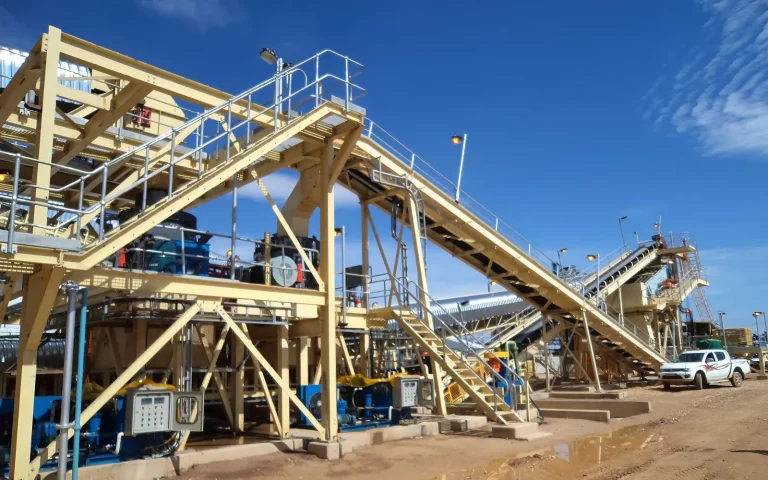
Vat-Leaching ist eine gute Option für den Projektinhaber, um in der Anfangsphase zu starten und Investitionen zu sparen.
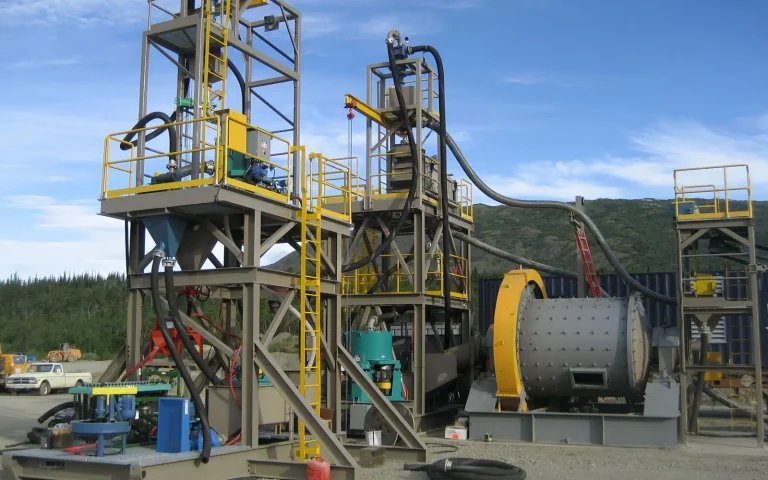
Das bekannteste der exogenen Erze ist Alluvialgold, das auch als Placer-Gold bezeichnet wird. Alluvialgold bezieht sich auf
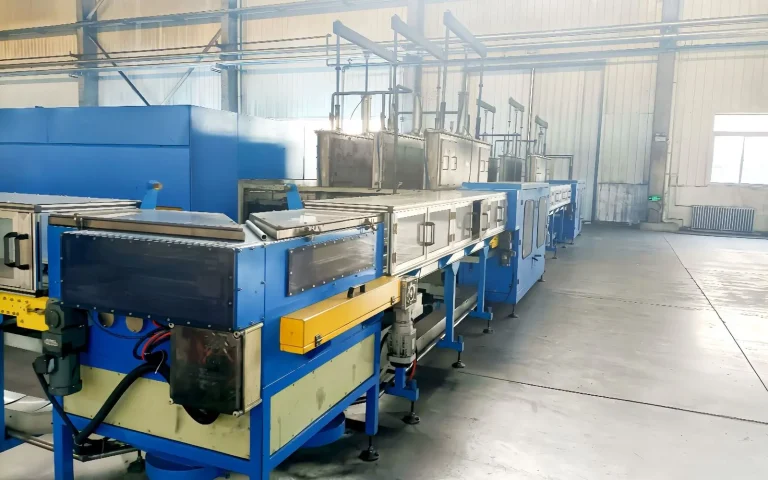
Hartkohleanodenmaterial ist das bevorzugte Material für die Kommerzialisierung von Natrium-Ionen-Batterien

Rohmaterial: Fluorit-Erz (CaF₂) Fluorspar-Grad: 35% CaF₂ Konzentratsgrad: 97% CaF₂
Roherz: Hochsilicathaltiges Phosphaterz P2O5-Gehalt: 22% SiO2-Gehalt: 35%
Roherz: Alluvial / Hartgestein-Oxid-Golderz (mit frei mahlendem Gold) Goldgehalt: 2,5 g/t Goldrückgewinnungsrate: > 88%
Rohmaterial: Künstlicher Graphit-Anode, Natürlicher Graphit-Anode
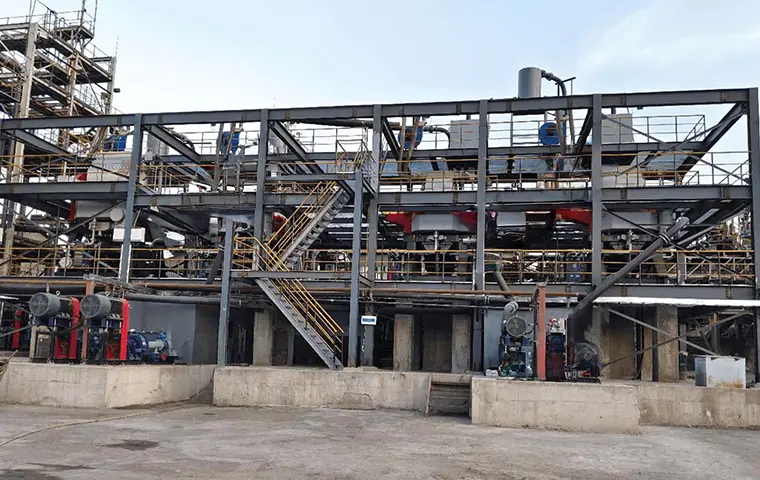
Rohmaterial: Südafrikanisches Chromerz Original Cr₂O₃ Gehalt: 38% Aufbereiteter Konzentratgehalt: 46%
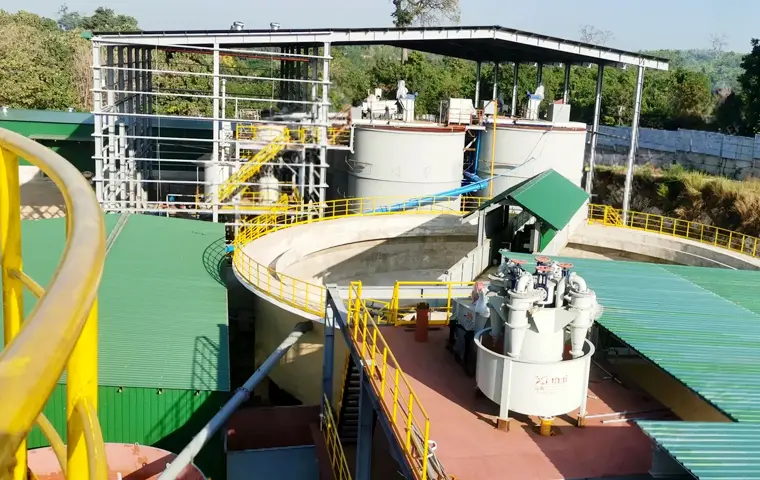
Roherz: Dualoxid- und Sulfidgolderz (teilweise refraktär) Goldgehalt: 3,5-4,2 g/t Endprodukt: Gold-Doré (Au ≥96,5%)
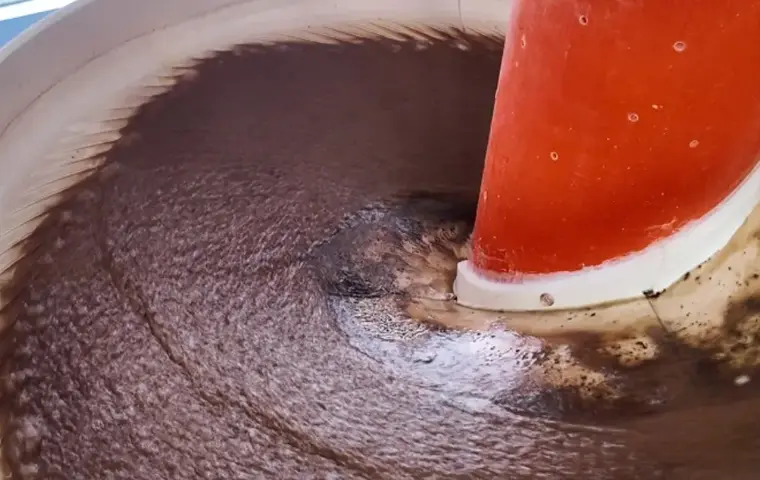
Rohmaterial: Eisenerztailings Verarbeitungskapazität: 800 Tonnen pro Tag
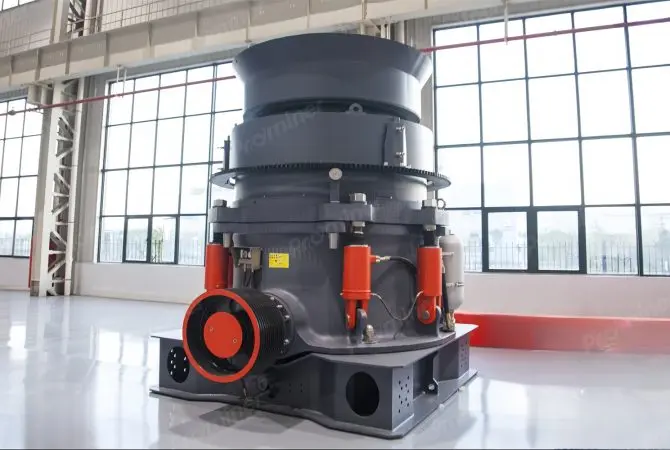
Multi-Zylinder hydraulischer Kegelbrecher kombiniert Brechgeschwindigkeit, Exzentrizität und Kavitätsprofil
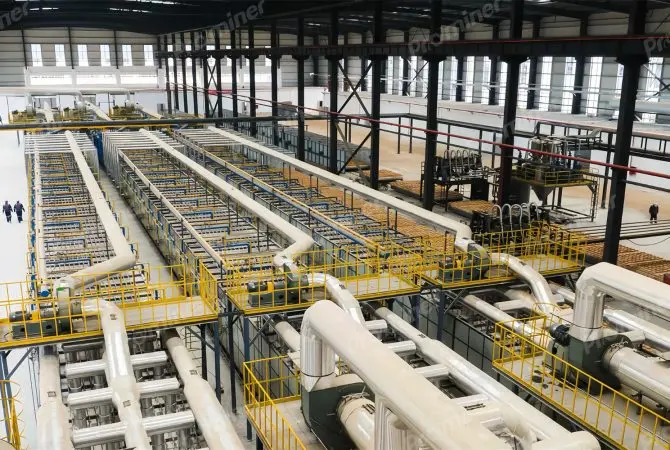
Prominer bietet verschiedene Arten von Öfen für die primäre und sekundäre Aushärtung von Kohlenstoff an
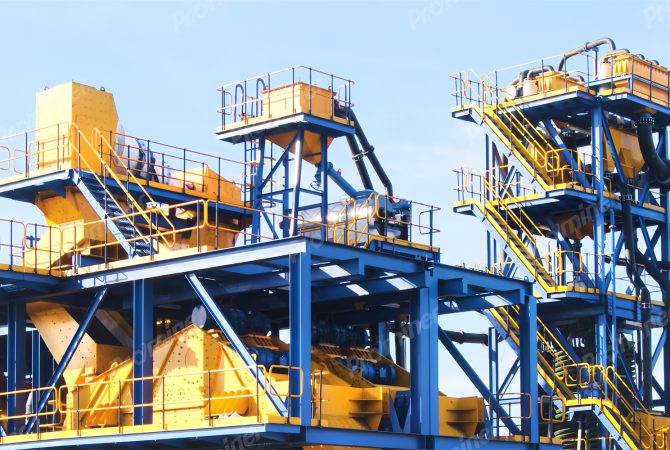
Prominer kann verschiedene LIMS (Low Intensity Magnetic Separator) Magnetseparatoren anbieten
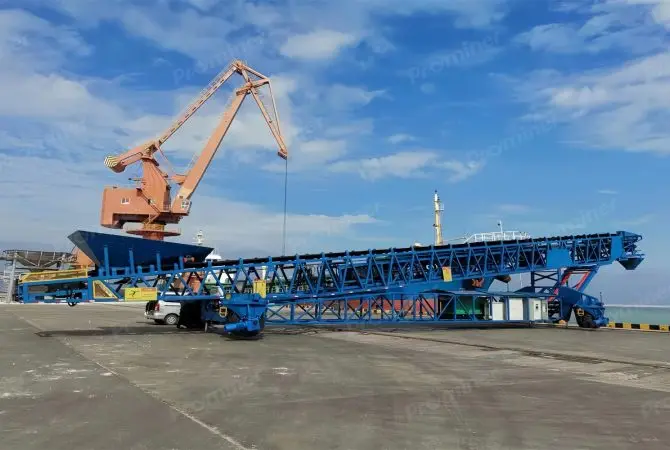
Unser Ingenieurteam kann den mobilen radialen Stacker, Lader entwerfen und herstellen
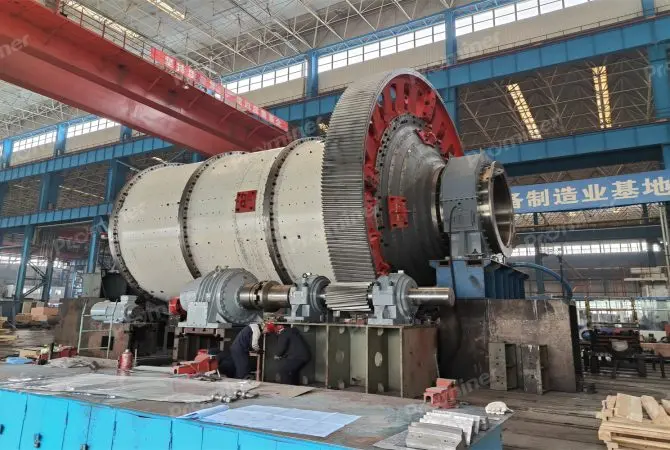
Wir können eine Gitterkugel-Mühle für die primäre Mineralvermahlung entwerfen und herstellen
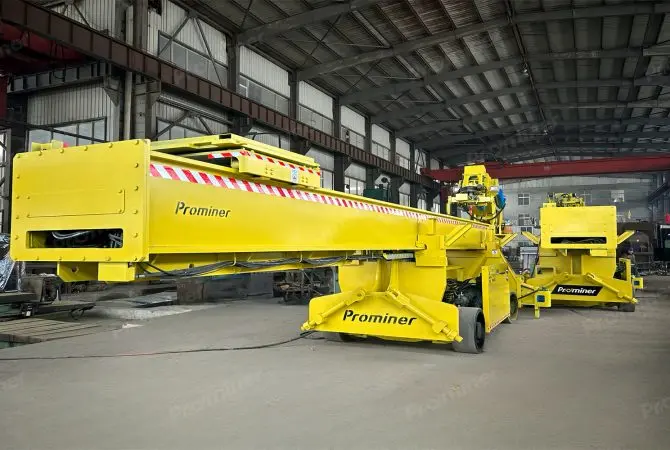
Wir können die Mühlen-Relining-Maschine (auch als Mühlen-Relining-Manipulator bezeichnet) entwerfen und herstellen
Um mehr über unsere Produkte und Lösungen zu erfahren, füllen Sie bitte das untenstehende Formular aus, und einer unserer Experten wird sich in Kürze bei Ihnen melden.
3000 TPD Goldflotationsprojekt in der Provinz Shandong
2500 TPD Lithiumerzfloation in Sichuan
Fax: (+86) 021-60870195
Adresse:Nr. 2555, Xiupu Straße, Pudong, Shanghai
Urheberrecht © 2023.Prominer (Shanghai) Mining Technology Co., Ltd.