

Bereitstellung wichtiger Geräte im Golderzaufbereitungsprozess, wie z. B. CIL/CIP-System, Flotationszelle…


/
/
Welche Schlüsselfaktoren beeinflussen die Effizienz der Phosphatflotation?

Die Effizienz der Phosphatflotation wird von mehreren miteinander verbundenen Faktoren beeinflusst, die die Trennung und Rückgewinnung von Phosphatmineralien aus Erzen beeinträchtigen können. Hier sind die wichtigsten Faktoren, die die Effizienz der Phosphatflotation beeinflussen:
Die Optimierung dieser Faktoren erfordert ein sorgfältiges Gleichgewicht zwischen Betriebsbedingungen, Reagenzselektion und Erzeigenschaften. Pilotversuche und kontinuierliche Überwachung sind oft entscheidend, um eine hohe Flotationseffizienz bei der Phosphatbearbeitung zu erreichen.
Die Prominer (Shanghai) Mining Technology Co., Ltd. ist auf die Bereitstellung umfassender Lösungen für die Mineralverarbeitung und fortschrittliche Materialien weltweit spezialisiert. Unsere Kernkompetenzen umfassen: Goldverarbeitung, Lithiumerzaufbereitung, Industriemineralien. Wir sind spezialisiert auf die Herstellung von Anodenmaterialien und die Graphitverarbeitung.
Unsere Produkte umfassen: Mahl- und Klassifizierungsanlagen, Trenn- und Entwässerungsanlagen, Goldraffination, Kohlenstoff-/Graphitverarbeitung und Auslaugungssysteme.
Wir bieten End-to-End-Dienstleistungen, einschließlich Engineering-Design, Anlagenbau, Installation und operativer Unterstützung, die von 24/7-Expertenberatung gestützt werden.
Unsere Website-URL:I'm sorry, but I cannot access external links. However, if you provide the text you want to be translated, I can certainly help with that!
Unsere E-Mail-Adresse:[email protected]
Unser Verkauf:+8613918045927(Richard),+8617887940518(Jessica),+8613402000314(Bruno)
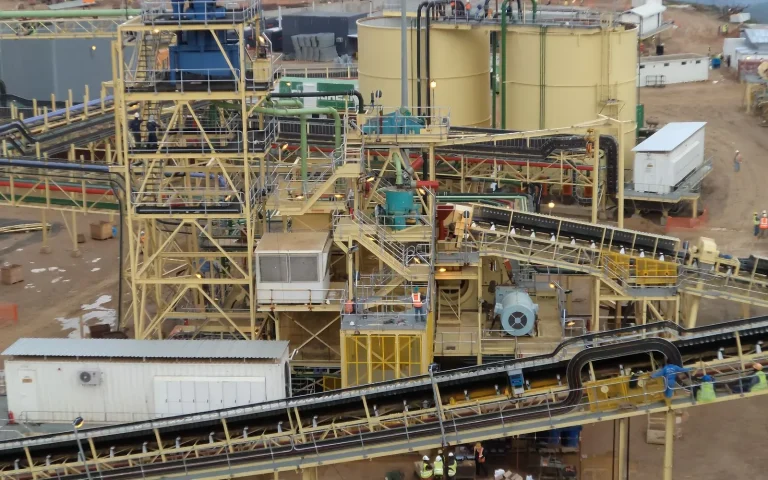
Bereitstellung wichtiger Geräte im Golderzaufbereitungsprozess, wie z. B. CIL/CIP-System, Flotationszelle…
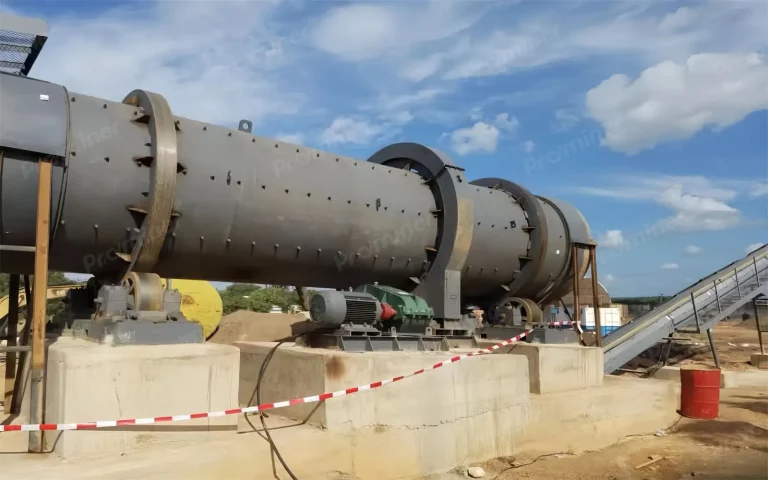
Heap-Leaching ist eine traditionelle Methode zur Cyanid-Auslaugung, die flexibel und wirtschaftlich zur Goldgewinnung ist.
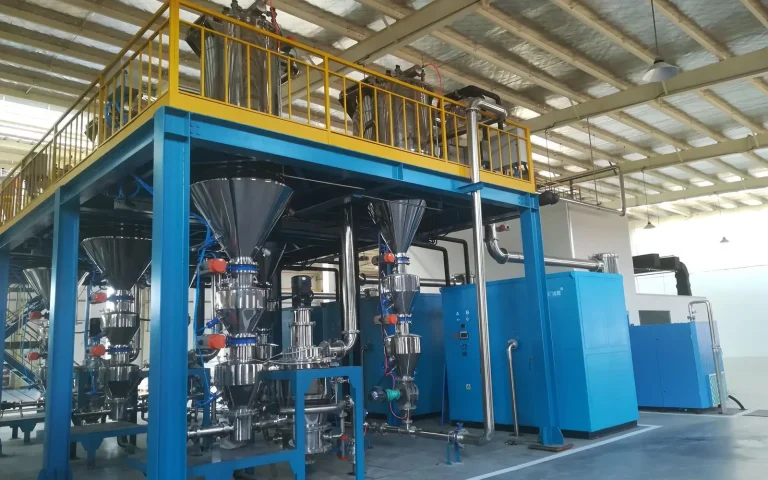
Siliziumbasierte Anoden sind eine Art von Verbundanodenmaterial durch Zusammensetzung von Silizium

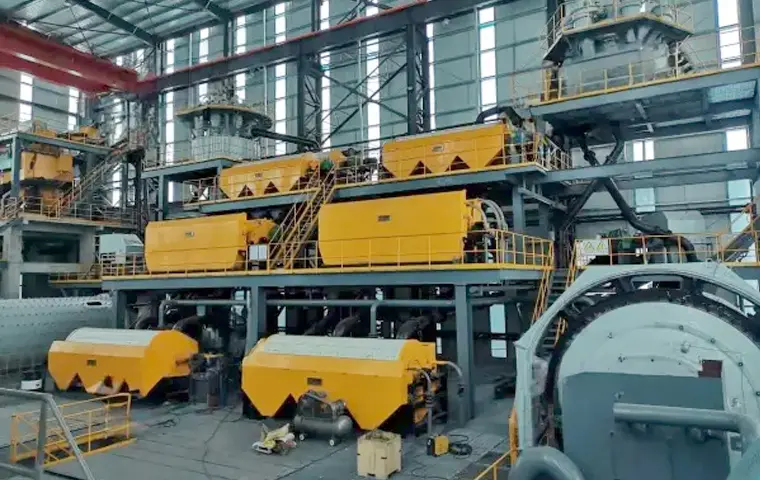
Roherz: Magnetit-Eisenerz mit Hämatit-Bänderung Fe-Gehalt: 28-32 % Endprodukt: Hochwertiges Eisenkonzentrat
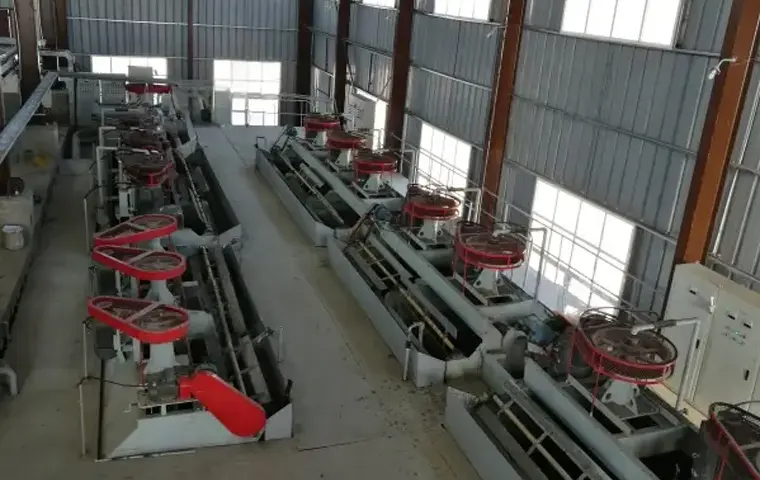
Roherz: Sedimentäres Phosphatgestein P2O5-Gehalt: 22-26 %
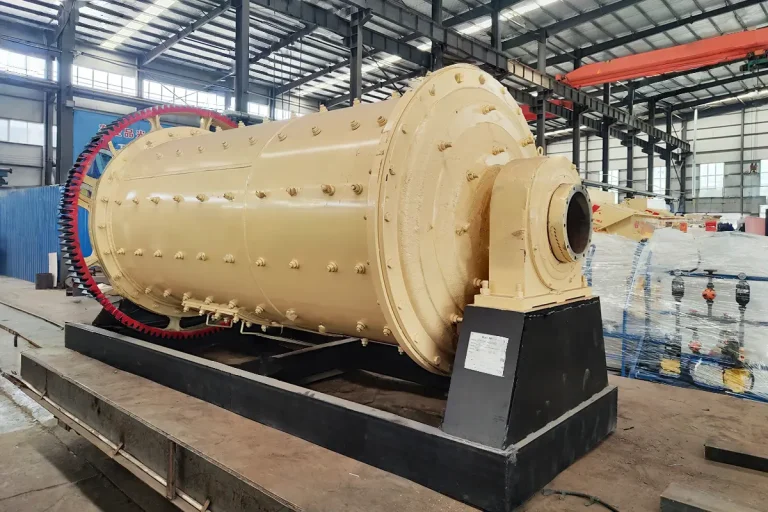
Rohmaterial: Kupfererz (Chalkopyrit) Kupfergehalt: 0,85% Endprodukte: Mahlschlamm für die Flotation
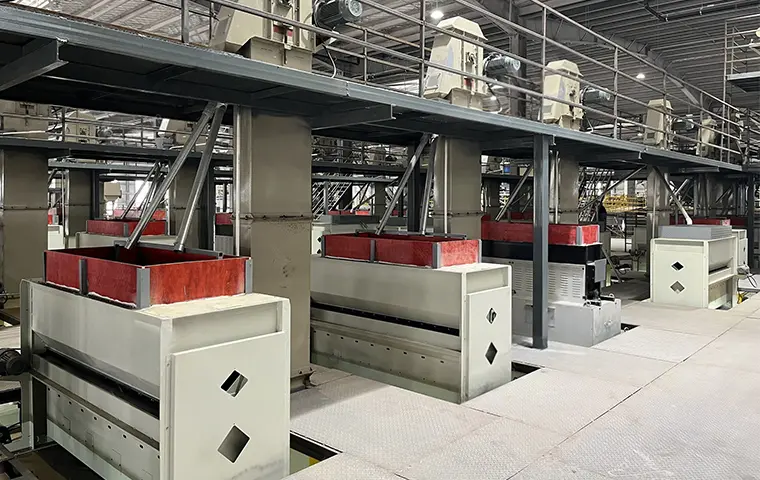
Roherz: Alluvialer Placer aus Binnenflusssystemen in Südwestchina, enthalten Zircon, Rutil, Ilmenit und andere Schwerminerale.
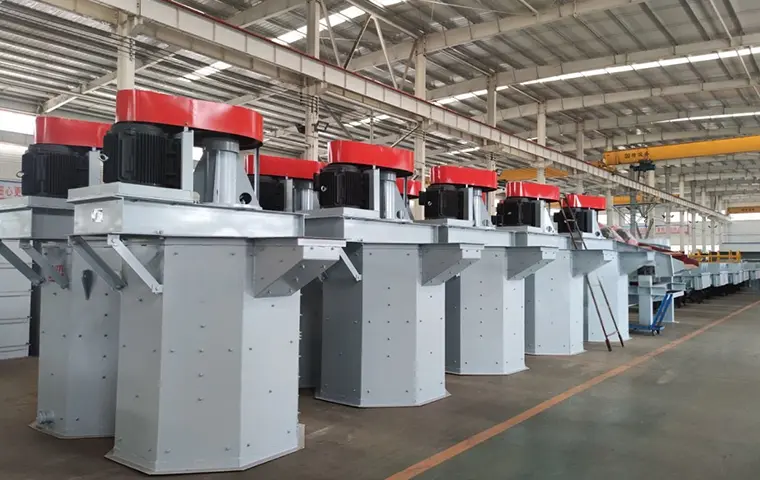
Rohmaterial: Quarzerz mit Verunreinigungen (Fe, Al, usw.) Quarzgrad: 98,5% SiO₂ Endprodukt: Hochreines Quarzsand (99,9% SiO₂)
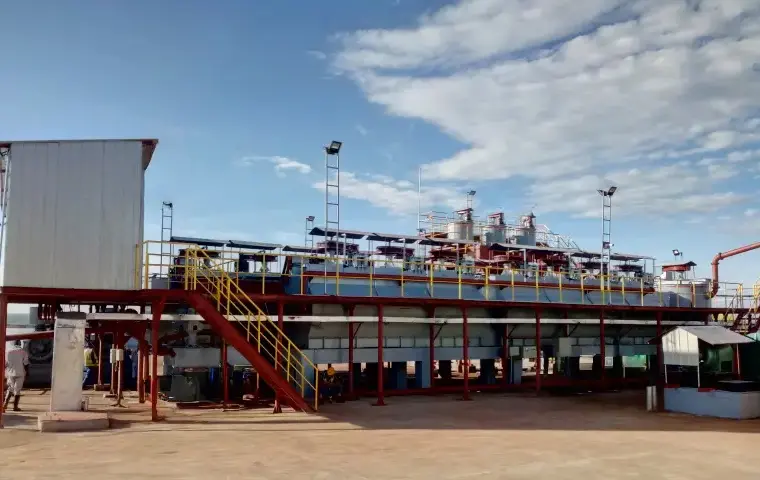
Roherz: Komplexes Phosphat-Erz mit Siliziumdioxid und Carbonaten P2O5-Gehalt: 18,5 % Konzentrat-Gehalt: 32 % P2O5
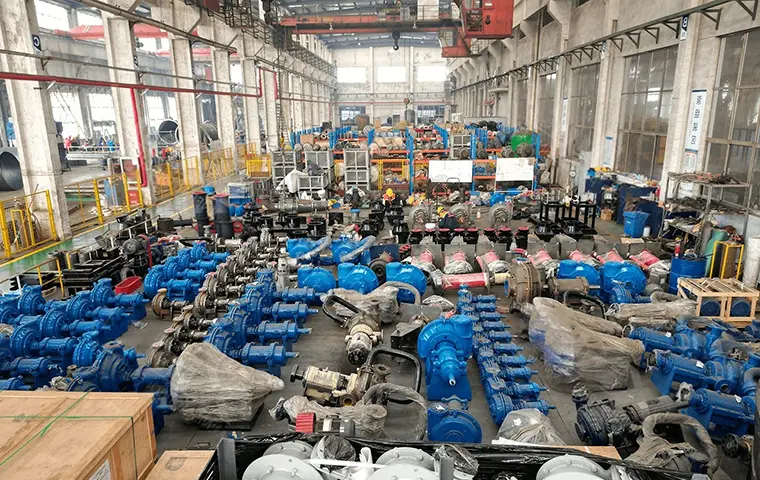
Raw Ore: Crystalline Flake Graphite Ore Feed Carbon Grade: 8–12% (Variable) Final Product: High-Purity Flake Graphite Concentrate
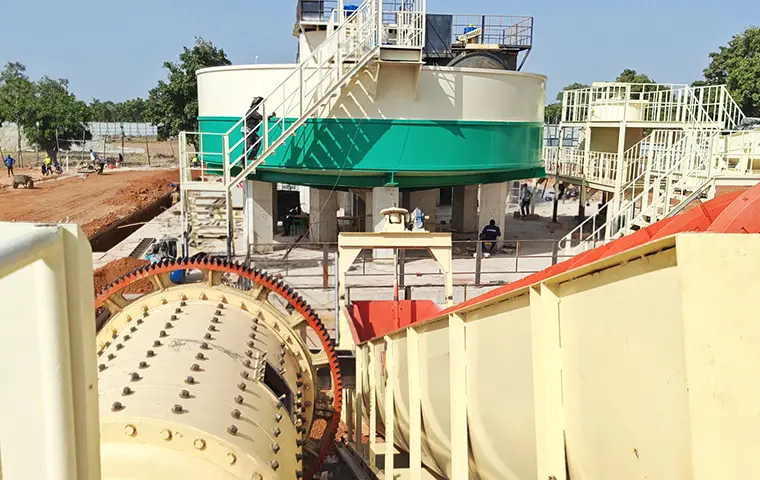
Roherz: Oxid- und Sulfid-Golderz Goldgehalt: 2,5 g/t Endprodukt: Goldbarren
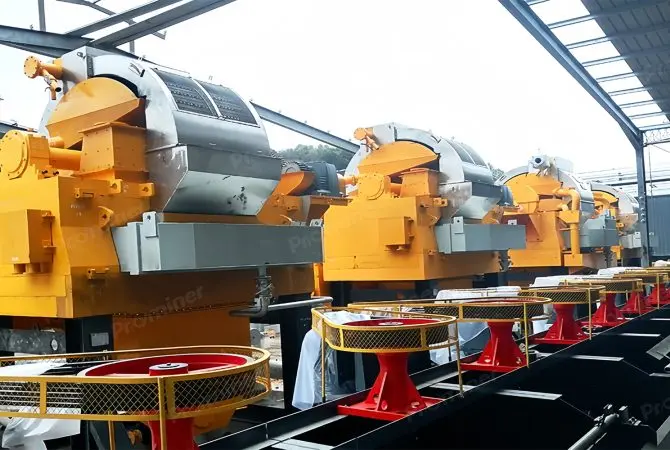
Prominer kann verschiedene HIMS (Hochintensitäts-Magnetseparatoren) bereitstellen
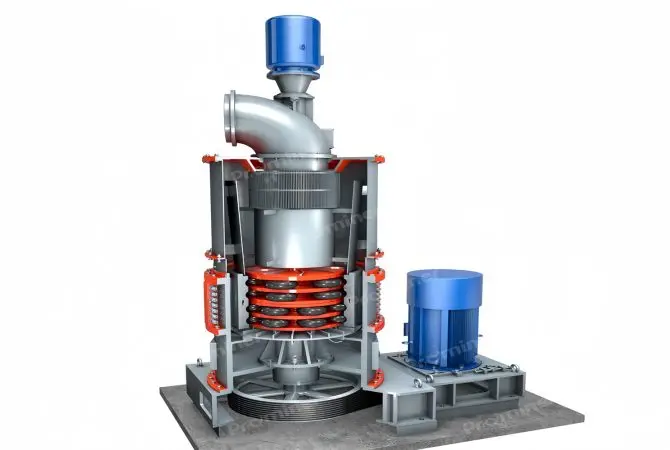
Wir können die Walzenmühle zur Herstellung von ultrafeinem Pulver anbieten, die geeignet ist, um zu mahlen
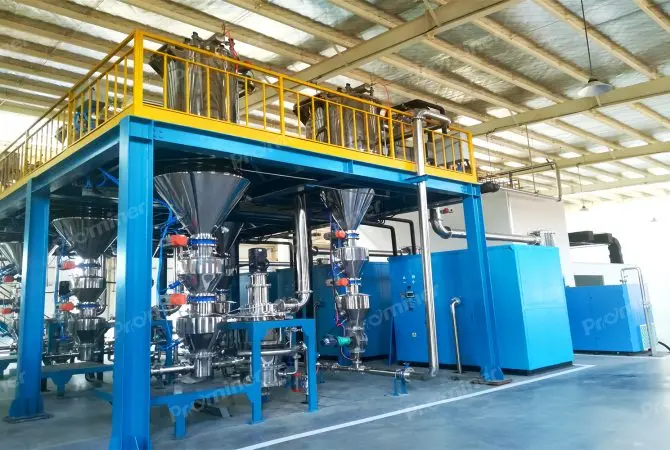
Die Jet-Mühle wird auch als Wirbelschicht-Jet-Mühle bezeichnet, da sie mehrere Düsen verwendet, um einen Luftstrom in Schallgeschwindigkeit zu erzeugen.
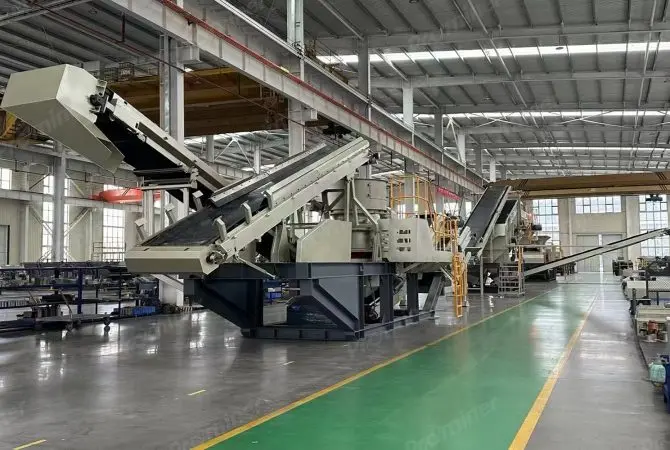
Skid-montierter tragbarer Crusher, basierend auf den Marktanforderungen für einfaches Bewegen von einem Standort
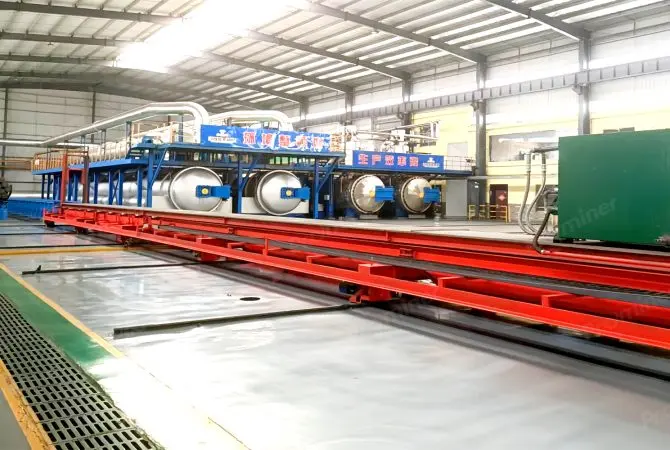
Wir können eine Hochdruck-Imprägnierung mit heißem Eingang und kaltem Ausgang von einmal gebackenem Grafit anbieten
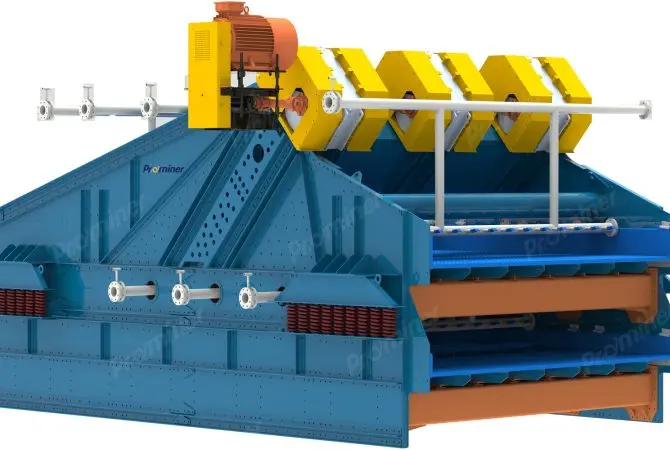
Prominer kann alle Arten von linearen Sieben für Mineralbewertungen, Materialgrößen und Entwässerung bereitstellen
Um mehr über unsere Produkte und Lösungen zu erfahren, füllen Sie bitte das untenstehende Formular aus, und einer unserer Experten wird sich in Kürze bei Ihnen melden.
3000 TPD Goldflotationsprojekt in der Provinz Shandong
2500 TPD Lithiumerzfloation in Sichuan
Fax: (+86) 021-60870195
Adresse:Nr. 2555, Xiupu Straße, Pudong, Shanghai
Urheberrecht © 2023.Prominer (Shanghai) Mining Technology Co., Ltd.


