

Bereitstellung wichtiger Geräte im Golderzaufbereitungsprozess, wie z. B. CIL/CIP-System, Flotationszelle…


/
/
Welche Phosphatverarbeitungsmethoden maximieren die Qualität und den Ertrag?

Das für die Maximierung von Gehalt und Rückgewinnung verwendete Phosphatbearbeitungsverfahren hängt von der mineralogischen Zusammensetzung, Verunreinigungen und Partikelgröße des Erzes ab. Im Folgenden sind einige effektive und häufig verwendete Methoden zur Phosphaterzaufbereitung aufgeführt, die Gehalt und Rückgewinnung optimieren:
Froth flotation is the most widely used and effective method for maximizing phosphate grade and recovery, especially for fine-grained ores. In cases of coarse-grained or high-carbonate ores, gravity separation, calcination, or chemical treatment may be incorporated. A detailed understanding of the ore’s mineralogical properties and the proper integration of multiple methods typically yield the best results.
Die Prominer (Shanghai) Mining Technology Co., Ltd. ist auf die Bereitstellung umfassender Lösungen für die Mineralverarbeitung und fortschrittliche Materialien weltweit spezialisiert. Unsere Kernkompetenzen umfassen: Goldverarbeitung, Lithiumerzaufbereitung, Industriemineralien. Wir sind spezialisiert auf die Herstellung von Anodenmaterialien und die Graphitverarbeitung.
Unsere Produkte umfassen: Mahl- und Klassifizierungsanlagen, Trenn- und Entwässerungsanlagen, Goldraffination, Kohlenstoff-/Graphitverarbeitung und Auslaugungssysteme.
Wir bieten End-to-End-Dienstleistungen, einschließlich Engineering-Design, Anlagenbau, Installation und operativer Unterstützung, die von 24/7-Expertenberatung gestützt werden.
Unsere Website-URL:I'm sorry, but I cannot access external links. However, if you provide the text you want to be translated, I can certainly help with that!
Unsere E-Mail-Adresse:[email protected]
Unser Verkauf:+8613918045927(Richard),+8617887940518(Jessica),+8613402000314(Bruno)
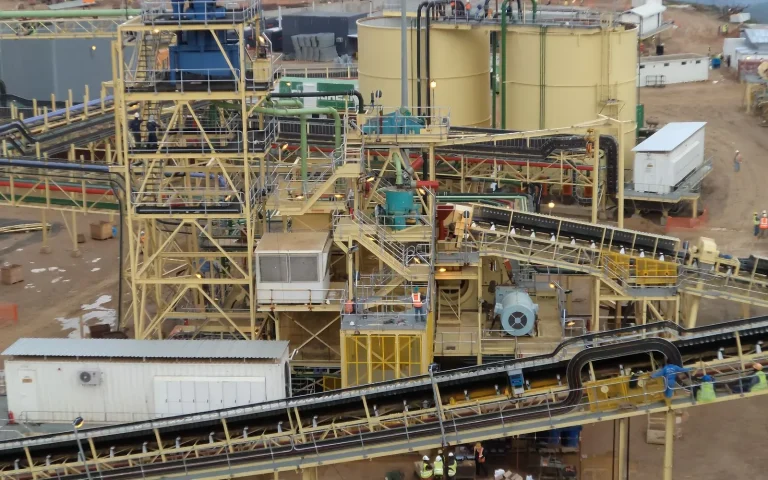
Bereitstellung wichtiger Geräte im Golderzaufbereitungsprozess, wie z. B. CIL/CIP-System, Flotationszelle…
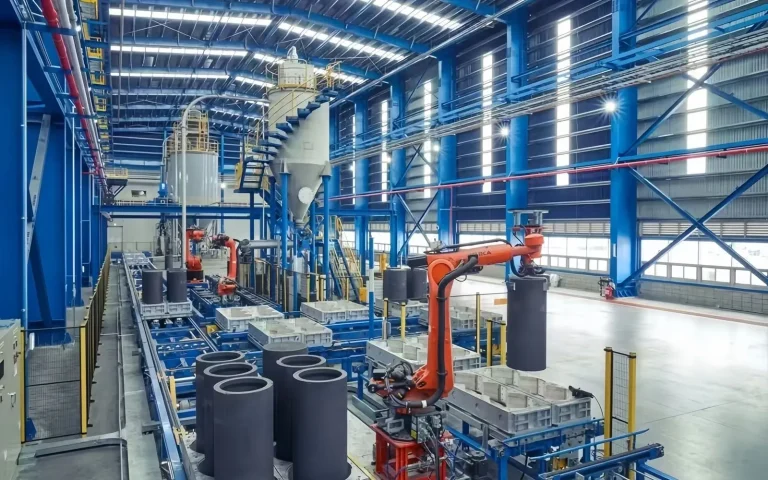
Bereitstellung der Komplettlösung für die Herstellung von Graphitanodenmaterialien, einschließlich Mahlvorgang, Formgebung, Reinigung…
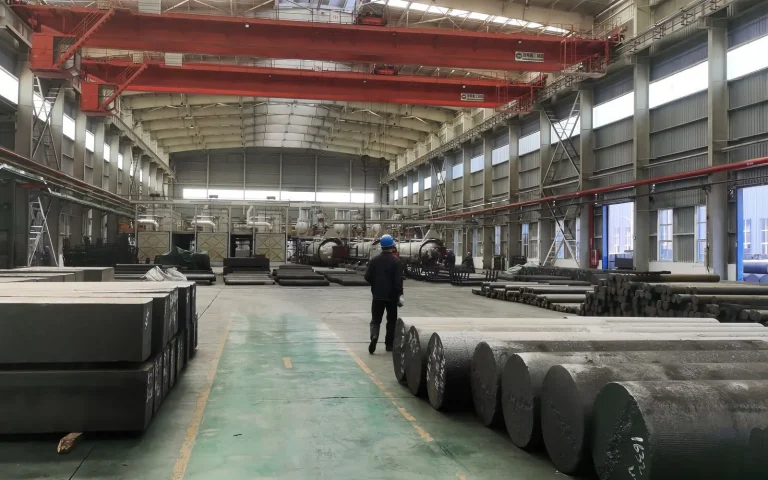
UHP-Graphit-Elektroden werden hauptsächlich in Ultra-Hochleistungs-Elektrolichtbogenöfen in der Stahlverhüttungsindustrie verwendet.

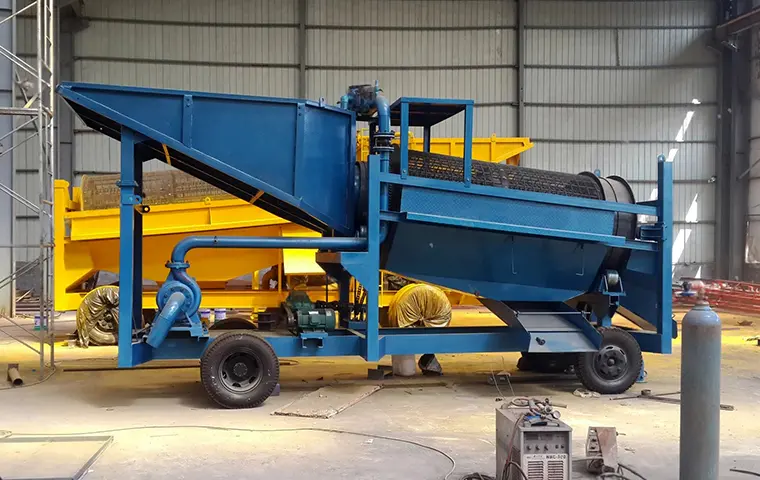
Roherz: Alluvialgolderz aus Flussbett- und Terrassenablagerungen Goldgehalt: 1,5 g/t Goldausbeute: 92%
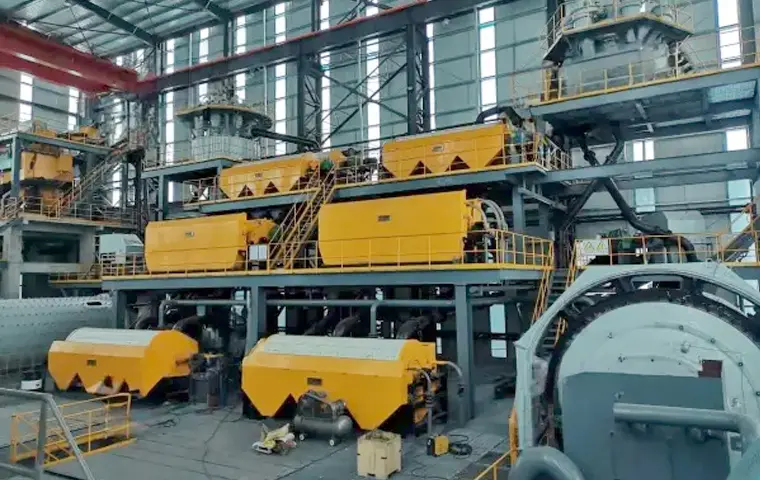
Roherz: Magnetit-Eisenerz mit Hämatit-Bänderung Fe-Gehalt: 28-32 % Endprodukt: Hochwertiges Eisenkonzentrat
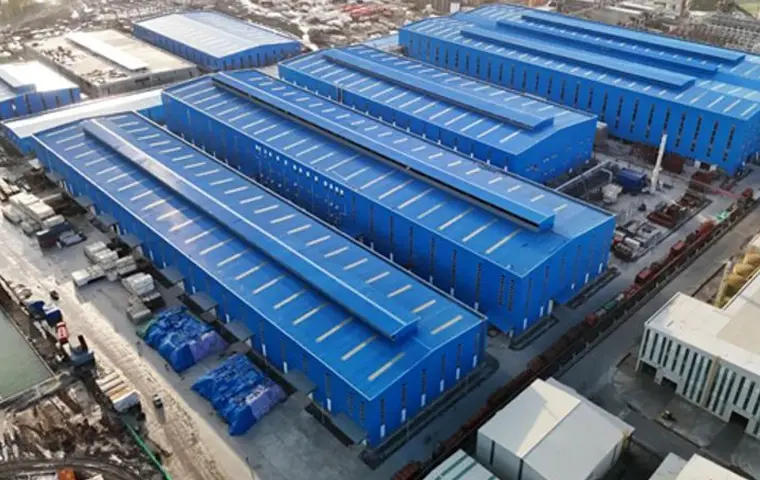
Rohmaterial: Petroleumkoks, Nadelkoks, Pitch-Binder Projektkapazität: 50.000 Tonnen pro Jahr
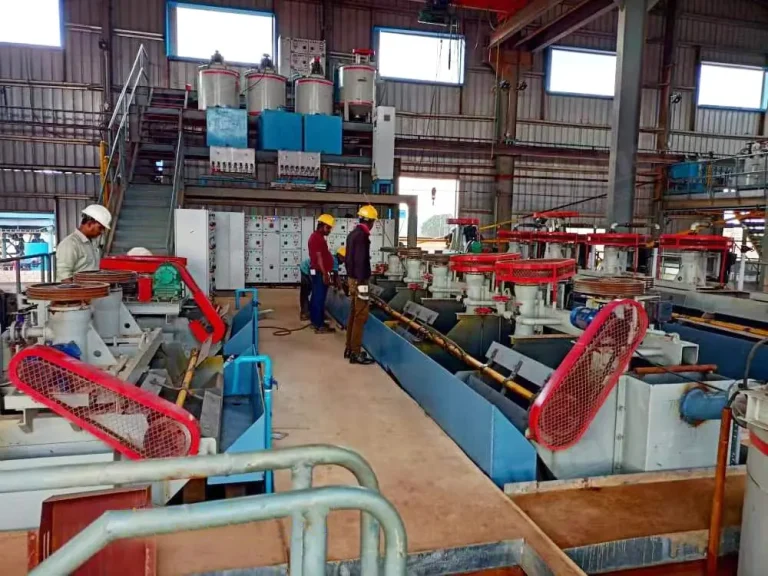
Roherz: Primäres Sulfiderz (Chalkopyrit-Bornit) Cu-Gehalt: 0,72 % Konzentrat-Gehalt: 28,3 %
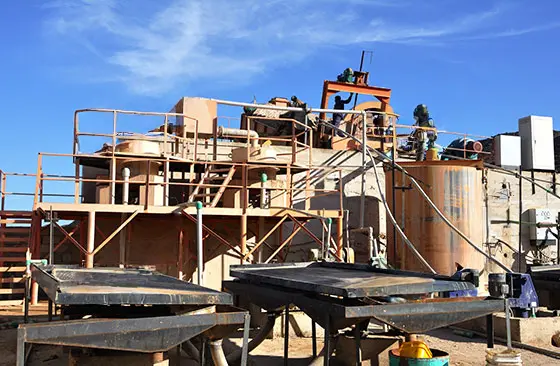
Roherz: Sulfid-Gold-Kupfererz (Au:Cu-Verhältnis: 1:1,2) Goldgehalt: 2,8 g/t Kupfergehalt: 0,85 %
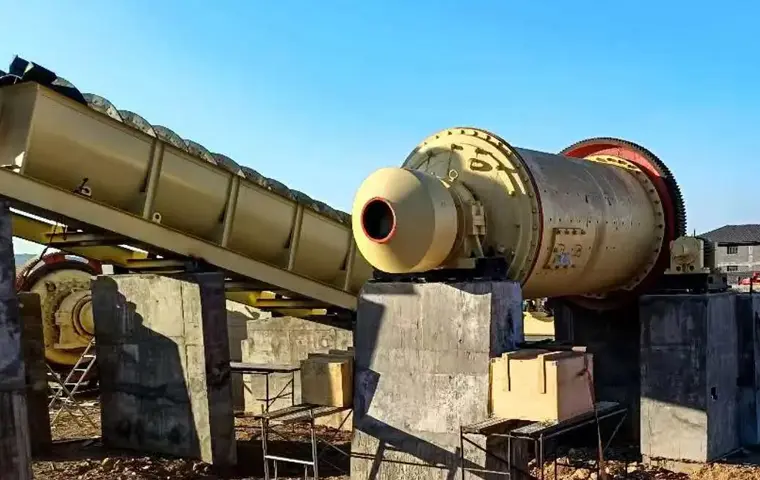
Roherz: Oxidart Golderz Goldgehalt: 2,5 g/t Goldbarrenreinheit: 96%
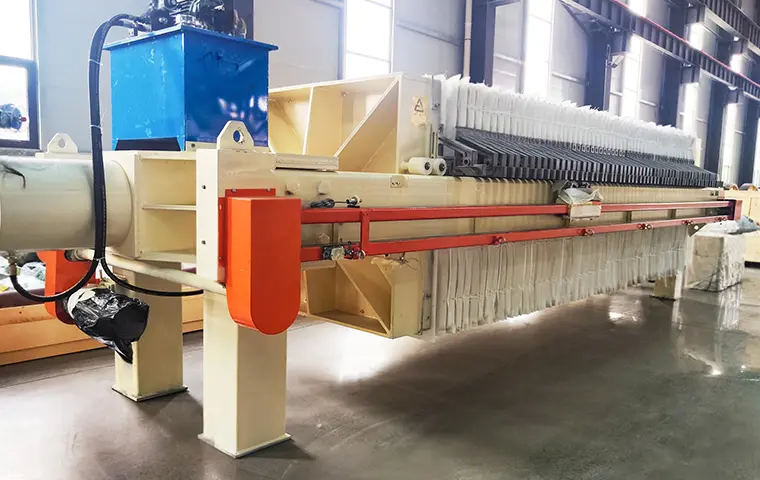
Projekt Hintergrund: Aufrüstung des Entwässerungskreislaufs für Flotationskonzentrat und Pflanzenrückstände, um den Feuchtigkeitsgehalt zu reduzieren und eine Trockenlagerung zu ermöglichen.
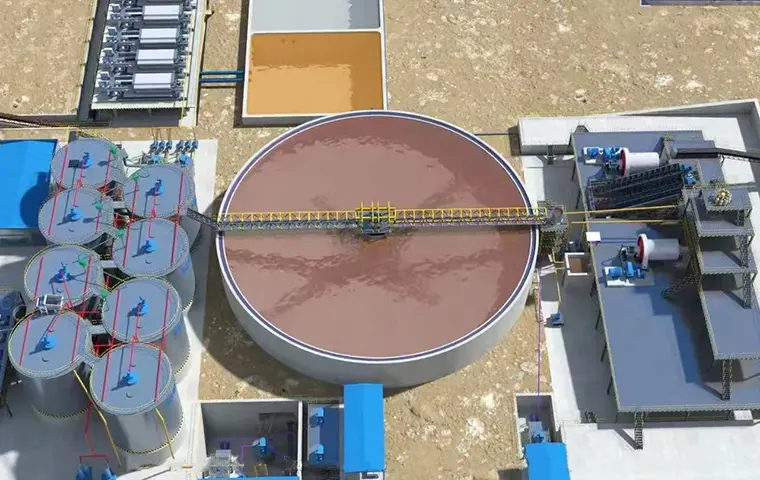
Rohmineral: Sulfidtyp Kupfererz (hauptsächlich Chalcopyrit) Kupfergehalt: 0,8% Endprodukt: Kupferkonzentrat
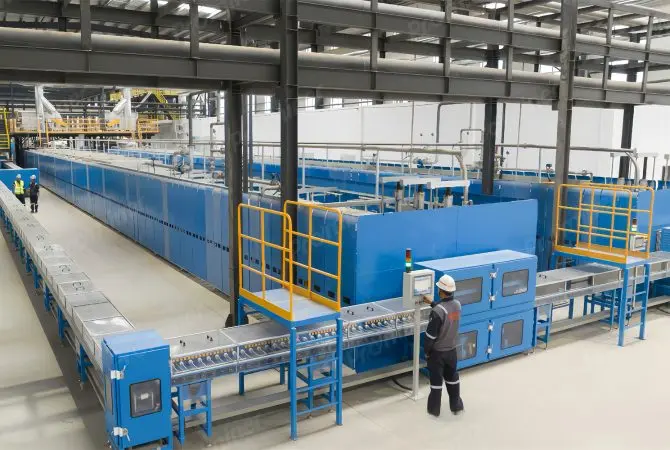
Wir können die vollständige Lösung für das Hochtemperatur-Kohlenstoffbehandlungsystem anbieten
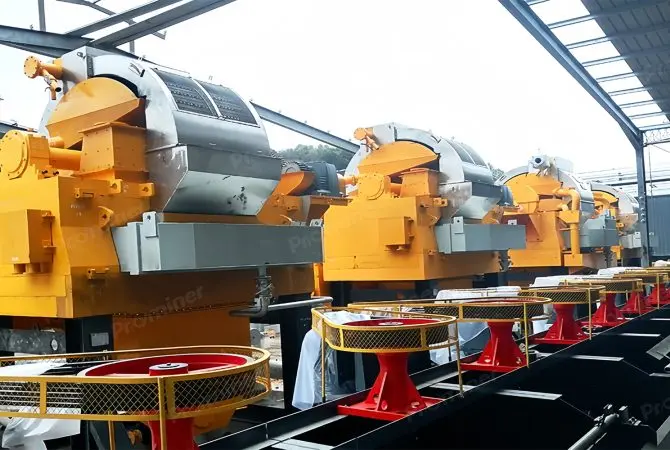
Prominer kann verschiedene HIMS (Hochintensitäts-Magnetseparatoren) bereitstellen
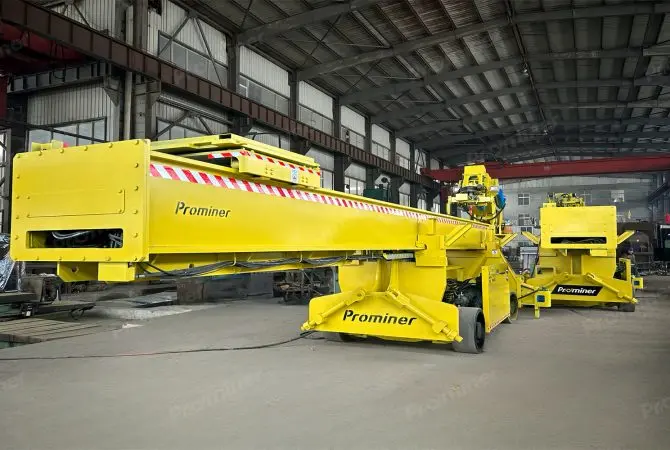
Wir können die Mühlen-Relining-Maschine (auch als Mühlen-Relining-Manipulator bezeichnet) entwerfen und herstellen
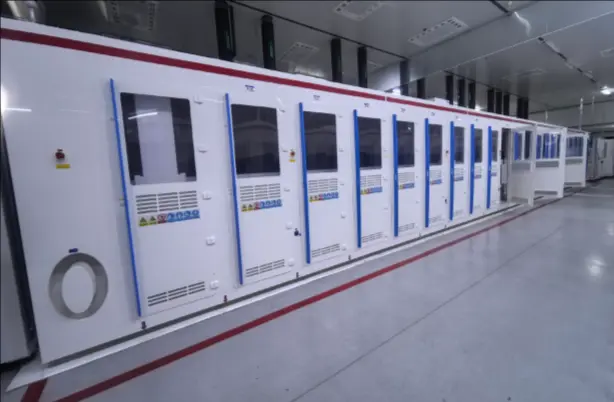
einkaufen Sie: Einkristalline Batch-Texturierungsanlage, Batch-Texturierungs-Belader/Entlader, Niederdruck-Softlanding-Geschlossenes-Rohr-Diffusionsystem
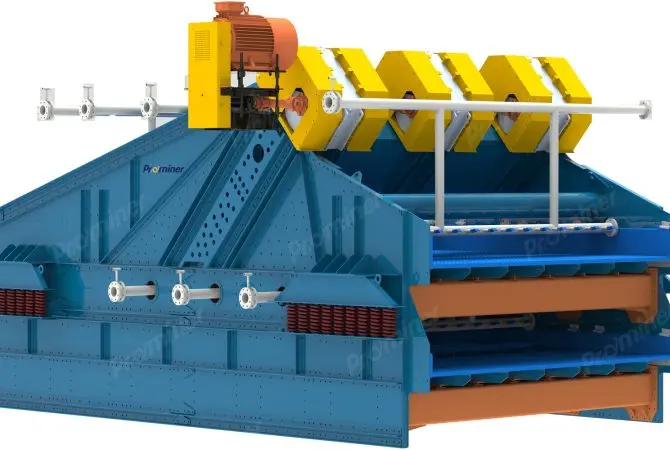
Prominer kann alle Arten von linearen Sieben für Mineralbewertungen, Materialgrößen und Entwässerung bereitstellen
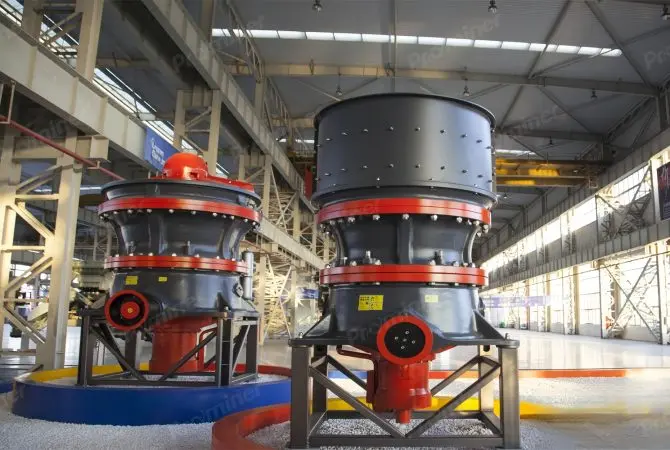
Einzelzylinder hydraulischer Kegelbrecher hat zwei Serien basierend auf unterschiedlichen Kavitäten, die S-Kavität ist entworfen
Um mehr über unsere Produkte und Lösungen zu erfahren, füllen Sie bitte das untenstehende Formular aus, und einer unserer Experten wird sich in Kürze bei Ihnen melden.
3000 TPD Goldflotationsprojekt in der Provinz Shandong
2500 TPD Lithiumerzfloation in Sichuan
Fax: (+86) 021-60870195
Adresse:Nr. 2555, Xiupu Straße, Pudong, Shanghai
Urheberrecht © 2023.Prominer (Shanghai) Mining Technology Co., Ltd.


