

El electrodo de grafito UHP se utiliza principalmente para hornos de arco eléctrico de ultra alta potencia en la industria de fundición de acero


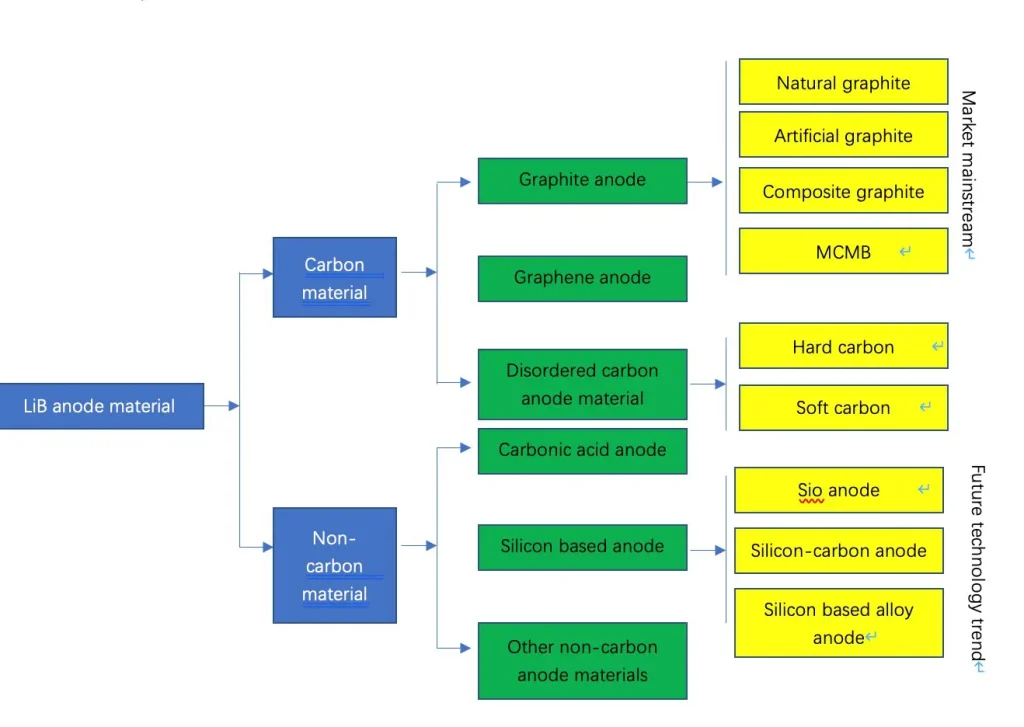
Los materiales del ánodose dividen principalmente en dos categorías: materiales de carbono y materiales no basados en carbono. El carbono se refiere a sistemas basados en carbono, que incluyen principalmente microsferas de mesocarbono, grafito artificial, grafito natural y carbono duro. En la actualidad, los materiales de carbono más utilizados son los materiales de ánodo de grafito, entre los cuales el grafito artificial y el grafito natural tienen aplicaciones industriales a gran escala. Los materiales no basados en carbono incluyen principalmente materiales a base de silicio, materiales a base de estaño, titanato de litio, etc. Entre ellos, los materiales del ánodo a base de silicio son los principales objetos de investigación de los principales fabricantes de materiales del ánodo en la actualidad, y son uno de los nuevos materiales del ánodo que más probabilidades tienen de ser aplicados a gran escala en el futuro.
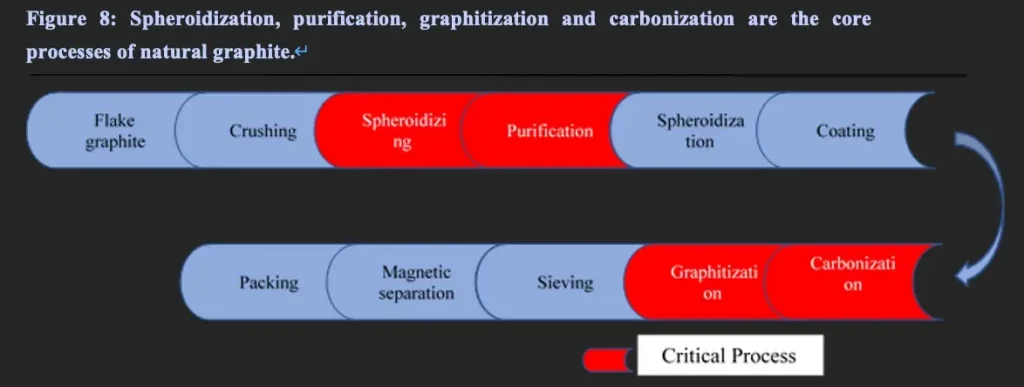
Procesamiento de Grafito Natural
El material del ánodo de grafito natural es grafito en escamas natural como materia prima, después demolienda, clasificación, esferoidización,purificación, tratamiento superficial y otros procesos, se prepara a partir del material del cátodo.
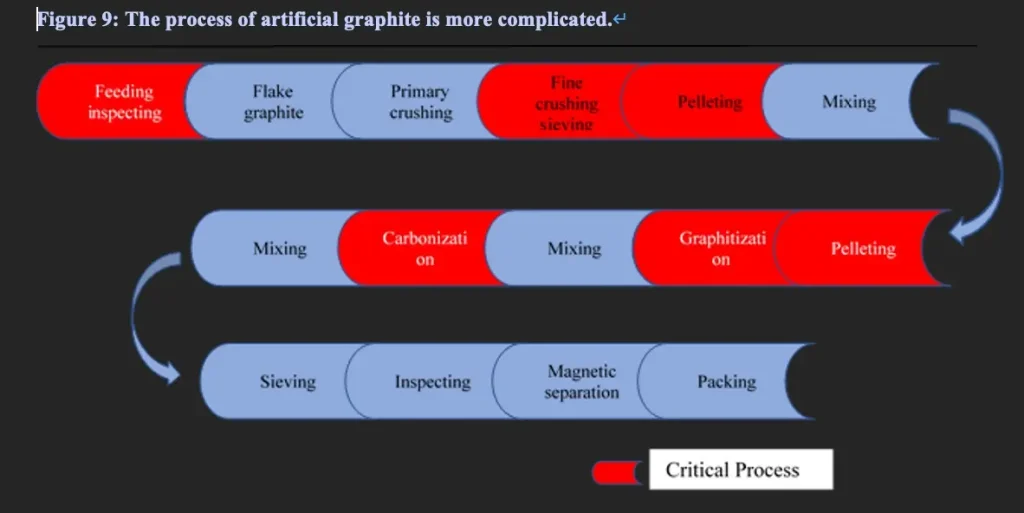
Proceso de Preparación del Material del Ánodo de Grafito Artificial
Artificial graphite manufacturing process can be divided into four steps, more than ten small procedures, granulation and graphitization is the key.
El proceso de producción del material del ánodo de grafito artificial se puede dividir en cuatro pasos:
1) pretratamiento
2) granulación
3) grafitización
4) molienda y clasificación.
Among the four steps, crushing and screening are relatively simple, and granulation and graphitization are the two links that reflect the technical threshold and production level of the anode industry.
Specific to the production process, firstly, one or more of the coke and conductive particles, carbon nanotubes, carbon black, acetylene black are premixed, and then the mixed material and carbon are sintered and coated once, and the prepared particles are graphitized. Graphitized materials and resin materials for secondary coating; Surface treatment with solvent, centrifugation, precipitation and other methods to separate solid particles from the solvent, and then carbonization, 5-20um particles, to obtain a high rate of carbon anode material. In this method, by mixing and fabricating particles, the particles are coated twice to fill the inner shell of the material, so that the internal structure of the material is stable, so that the carbon anode material has the advantages of high rate performance, high pressure compaction, high specific capacity and so on.
(1) Preprocesamiento
Graphite raw material (needle coke or petroleum coke) is mixed with binder for air milling (crushing).According to the different products, the graphite raw materials and adhesive (graphitization) according to different proportions, the mixing ratio is 100 :(5~20), the material through the vacuum feeding machine into the hopper, and then the hopper into the air flow mill for air molienda, molienda 5~10mm diameter of the raw and auxiliary materials to 5-10 microns. After air molienda, cyclone dust collector is used to collect the required particle size materials, the dust collection rate is about 80%, the tail gas is filtered by the filter core filter and discharged, the dust removal efficiency is more than 99%. The material of the filter element is the filter cloth with pores less than 0.2 micron, which can intercept all the dust above 0.2 micron. The fan control system is in negative pressure state.
Diferencia: pretreatment mill is divided into mechanical mill and jet mill, now the mainstream is jet mill. There are more kinds of adhesives, such as petroleum asphalt, coal asphalt, phenolic resin or epoxy resin.
(2) Granulación/Granulación Secundaria
Granulación is a key step in artificial graphite processing. Granulación is divided into pyrolysis process and ball milling process.
Proceso de Pirólisis: the intermediate material 1 is put into the reaction reactor and electrically heated according to a certain temperature curve in inert gas atmosphere and under a certain pressure. It is stirred at 200-300 ℃ for 1-3h and then heated to 400-500℃ to obtain the material with a particle size of 10-20mm. The material is cooled and discharged, namely the intermediate material
2. Ball mill and sieve division of labor: vacuum feeding, conveying intermediate material 2 to the ball mill for mechanical ball molienda, molienda 10~20mm material into 6~10 micron particle size material, and screening to get intermediate material
3. The material on the screen is transported back to the ball mill by vacuum pipe for ball molienda.
The size, distribution and morphology of graphite particles affect many properties of anode materials. In general, the smaller the particle size, the better the rate performance and cycle life, but the first efficiency and compaction density (affecting the volume energy density and specific capacity) are worse, and vice versa. Reasonable particle size distribution (mixing large particles with small particles, later process) can improve the specific capacity of the negative electrode. The particle morphology also has a great influence on the rate and low temperature performance.
Granulación Secundaria: small particles have large specific surface area, more channels and shorter paths for lithium ion migration, good rate performance, and large particles have high compaction density and large capacity. How to take into account the advantages of large and small particles, and achieve high capacity and high rate at the same time? The answer is to take secondary granulation. Using the base material such as small grain petroleum coke and needle coke, by adding coating materials and additives, under the condition of high temperature agitation, by controlling the material proportion, temperature rise curve and agitation speed, the small grain base material can be granulated twice, and the product with larger grain size can be obtained. Compared with the product of the same particle size, the secondary granulation can effectively improve the liquid retention performance of the material and reduce the expansion coefficient of the material (there are concave holes between small particles and small particles), shorten the diffusion path of lithium ions, improve the rate performance, but also improve the high and low temperature performance and cycling performance of the material.
Diferencias: The secondary granulation process has high barriers, many types of coating materials and additives, and is prone to problems such as uneven coating or coating shedding, or poor coating effect, etc. It is an important process for high-end artificial graphite.
(3) La grafitización
Grafitización is the orderly transformation of thermodynamically unstable carbon atoms from chaotic layer structure to graphite crystal structure by thermal activation. Therefore, high temperature heat treatment (HTT) is used in the graphitization process to provide energy for atomic rearrangement and structural transformation. In order to improve the graphitization degree of refractory carbon materials, catalysts can also be added.
Para obtener un mejor efecto de grafitización, se deben realizar tres aspectos:
1. Dominar el método de carga de materiales resistivos y otros materiales en el horno (carga horizontal, carga vertical, deslocalización y carga mixta, etc.), y poder ajustar la distancia entre los materiales según las diferentes características de los materiales resistivos;
2. according to the different capacity and product specifications of the graphitization furnace, different power curve is used to control the rate of rise and fall in the process of graphitization;
3, in specific circumstances, in the ingredients to add catalyst, improve the degree of graphitization, that is, “catalytic graphitization”.
Diferencias: Different qualities of artificial graphite have different heating and cooling rates, holding time, catalysts, etc. It is expected that the types of graphitization furnaces used are different, resulting in relatively large differences in performance and cost. Grafitización separated from the front-end and back-end processes, especially the heating and cooling process, is basically programmed, but the graphitization time is long and the equipment investment is large, so more outsourced processing is required, and there is no risk of technology leakage.
(4) Carbonización revestida
Carbonización revestida: Carbonización revestida uses a graphite-like carbon material as a “core”, and coats a layer of uniform amorphous carbon material on its surface to form particles similar to a “core-shell” structure. The precursors of commonly used amorphous carbon materials include low-temperature pyrolysis carbon materials such as phenolic resin, pitch, and citric acid. The interlayer spacing of amorphous carbon materials is larger than that of graphite, which can improve the diffusion performance of lithium ions in it. SEI film, improve the first effect, cycle life, etc.
Diferencias: Different manufacturers choose different precursors and different heating procedures, so that the thickness and uniformity of the coating layer are also different, so the product cost and performance will also be different.
(5) Selección/Dopaje
Los materiales grafitados son transportados al molino de bolas por vacío, y luego son sometidos a mezcla física y molienda en bolas. Se tamizan con un tamiz molecular de 270 mallas, y el material bajo el tamiz se inspecciona, mide, envasa y almacena. El material en el tamiz se muele aún más en bolas para cumplir con los requisitos de tamaño de partícula y luego se tamiza.

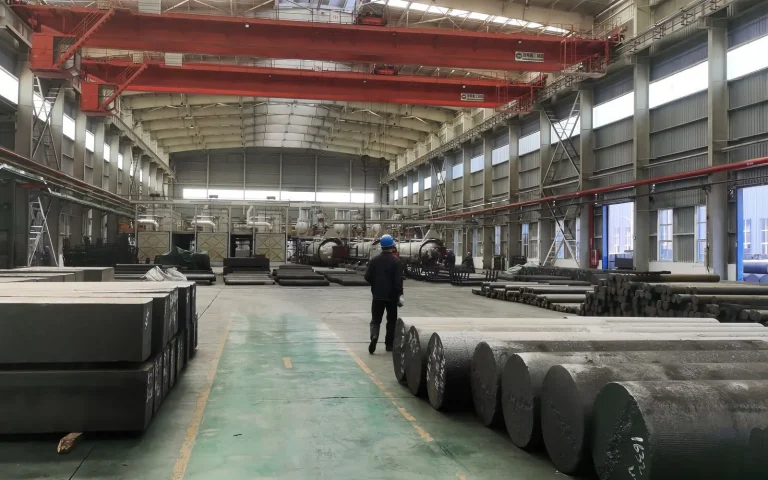
El electrodo de grafito UHP se utiliza principalmente para hornos de arco eléctrico de ultra alta potencia en la industria de fundición de acero
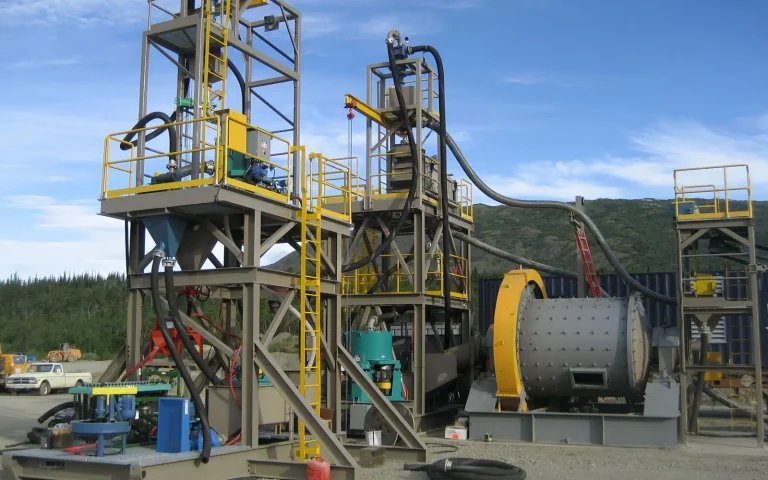
El más conocido de los minerales exogenéticos es el oro aluvial, que también se llama oro de aluvión. El oro aluvial se refiere
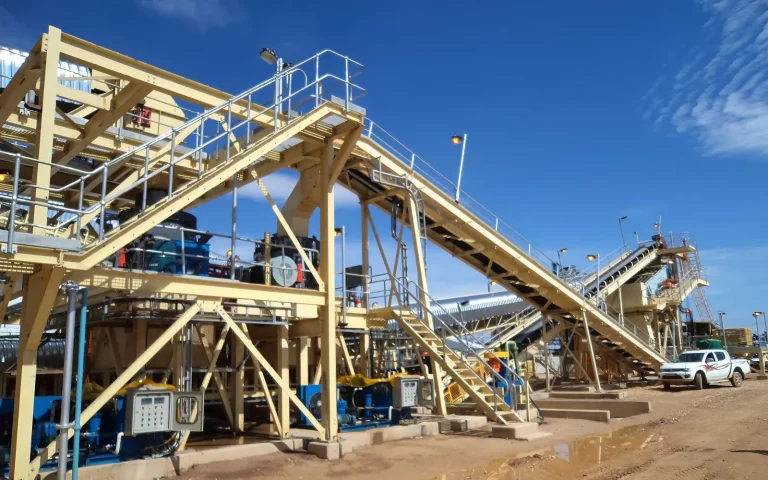
La lixiviación en vat es una buena opción para que el propietario del proyecto comience en la etapa inicial para ahorrar inversión
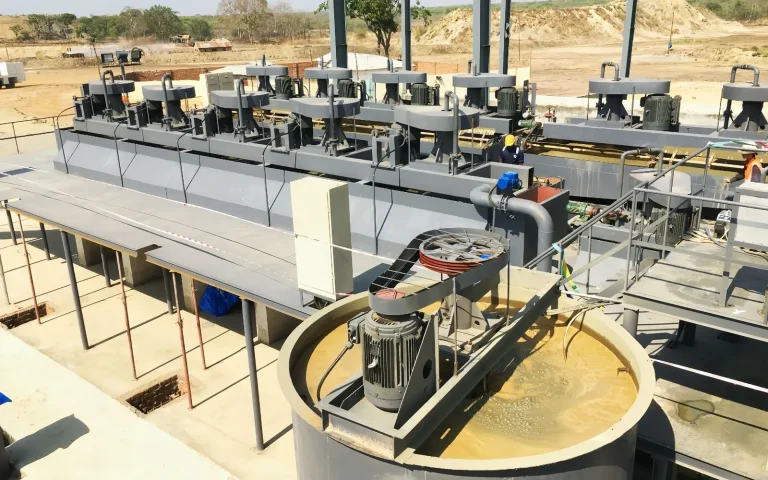
Existen dos tipos de mineral de grafito natural: grafito cristalino y grafito amorfo
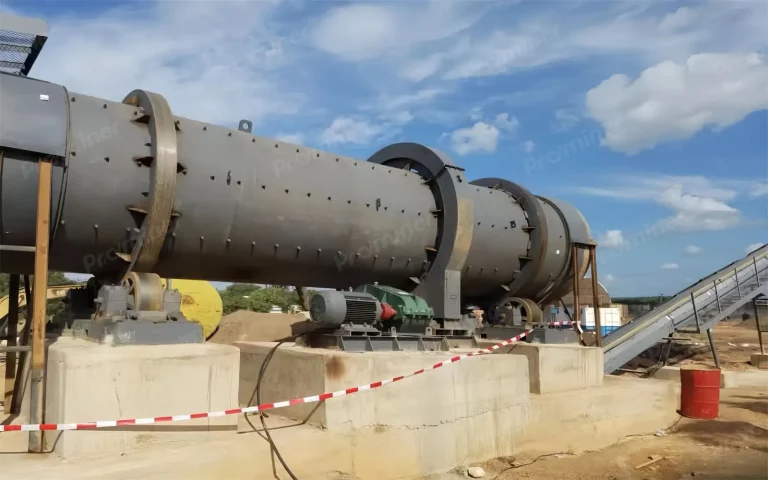
La lixiviación en pilas es una forma de procesamiento por lixiviación con cianuro tradicional que es flexible y económica para extraer oro
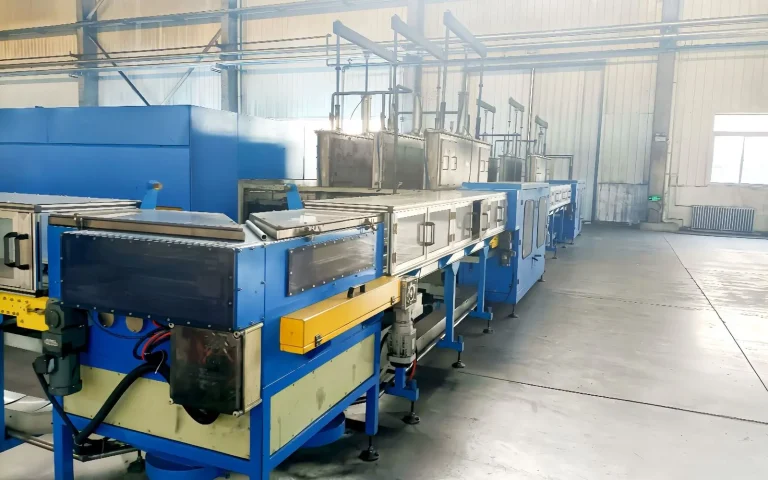
El material de ánodo de carbono duro es el más preferido para la comercialización de baterías de iones de sodio
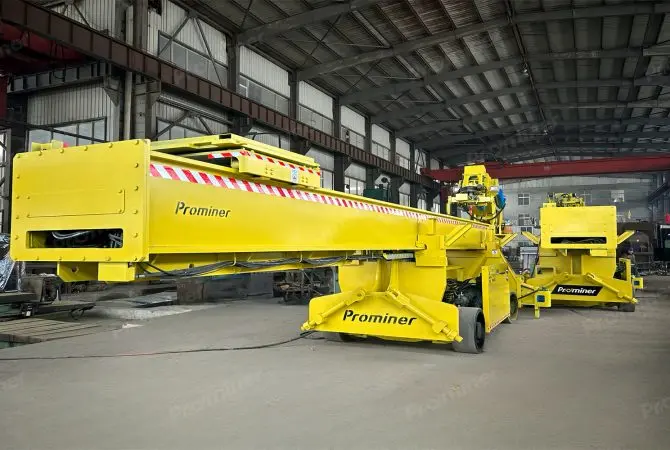
Podemos diseñar y fabricar la máquina de revestimiento de molinos (o llamada manipuladora de revestimiento de molinos)
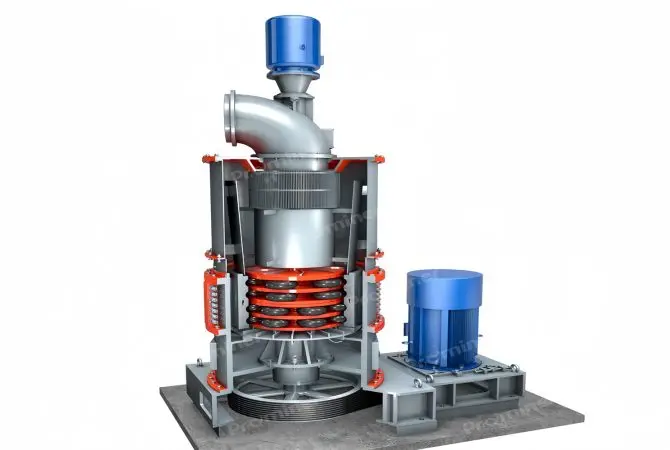
Podemos proporcionar el molino de rodillos para fabricar polvo ultrafino que es adecuado para moler
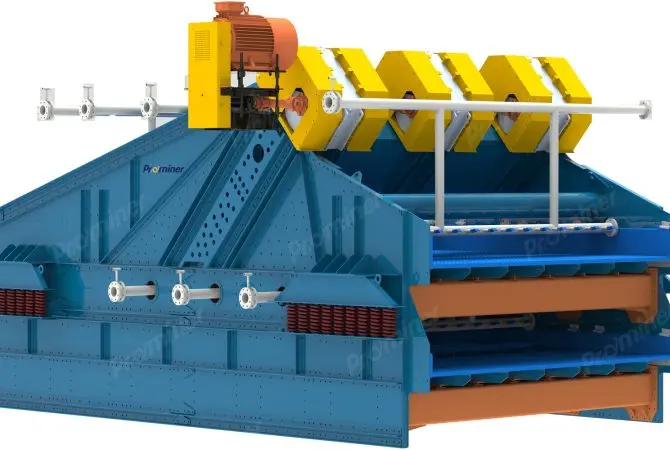
Prominer puede proporcionar todo tipo de pantallas lineales para clasificación de minerales, dimensionamiento de materiales, desagüe
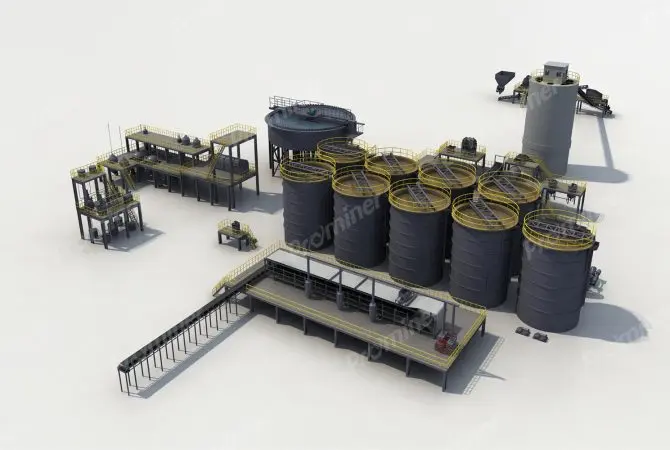
Prominer puede proporcionar la solución completa para el sistema CIL (carbono en lixiviación)
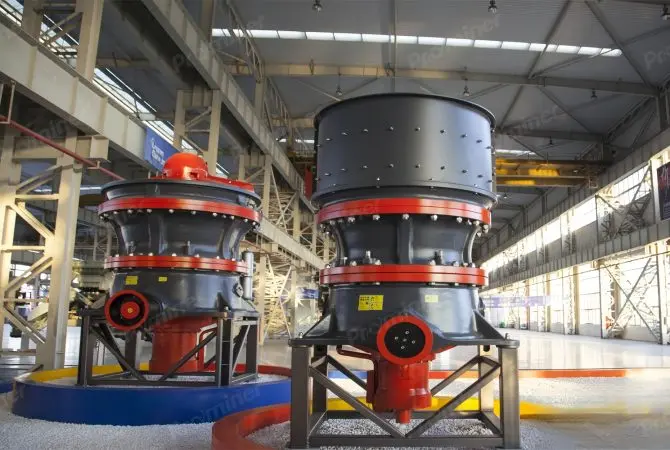
La trituradora de cono hidráulica monocilíndrica tiene dos series basadas en diferentes cavidades, la cavidad S está diseñada
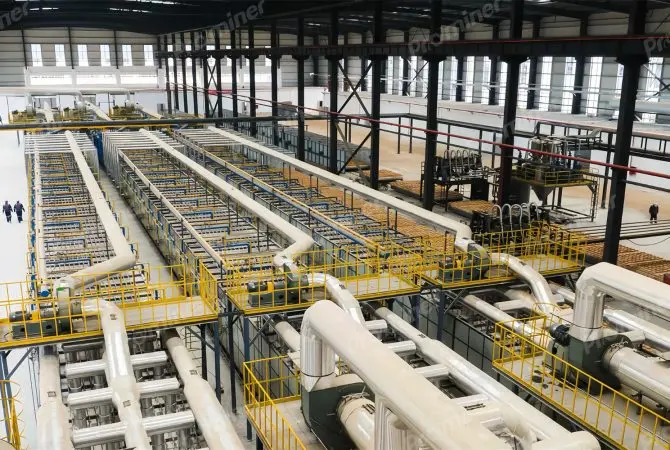
Prominer proporciona varios tipos de hornos para el horneado primario y secundario de carbono
Para obtener más información sobre nuestros productos y soluciones, complete el formulario a continuación y uno de nuestros expertos se pondrá en contacto con usted pronto
Proyecto de Flotación de Oro de 3000 TPD en la Provincia de Shandong
Flotación de Minerales de Litio de 2500 TPD en Sichuan
Fax: (+86) 021-58779592
Dirección: Habitación 606, Edificio D3, Fase II, Centro de Negocios Chuansha, 777 Long, Calle Miaochuan, Área de Pudong Nuevo, Shanghái, China.
Copyright © 2023. Prominer (Shanghai) Mining Technology Co., Ltd.


