

El material de ánodo de carbono duro es el más preferido para la comercialización de baterías de iones de sodio


/
/
¿Cómo reducir los costos de reactivos de flotación de fluorita en un 40% sin sacrificar la calidad?


Reducir los costos de reactivos de flotación de fluorita en un 40% sin sacrificar la calidad requiere un equilibrio estratégico de optimización de procesos, selección de reactivos alternativos y mejoras en la eficiencia. A continuación se presentan estrategias específicas para lograr este objetivo:
Para una planta de flotación de fluorita hipotética:
Al optimizar metódicamente los procesos de flotación, adoptar reactivos rentables y mejorar las prácticas operativas, es factible lograr reducciones de costos sustanciales sin sacrificar la calidad del producto.
A: Las características minerales varían significativamente incluso dentro del mismo cuerpo mineral. Una prueba profesional (como análisis químico, difracción de rayos X y microscopia electrónica de barrido) asegura que el diagrama de flujo esté optimizado para tu grado específico de mineral y tamaño de liberación. Esto previene desajustes costosos de equipos y garantiza las tasas de recuperación más altas posibles para tu proyecto.
A: Mantenemos un stock permanente de piezas de desgaste básicas (como revestimientos de trituradoras, mallas de tamiz y medios de molienda). Para clientes internacionales, proporcionamos una “lista recomendada de repuestos de 2 años” con la compra inicial. El soporte técnico está disponible las 24 horas, los 7 días de la semana a través de video remoto, y se pueden organizar visitas al sitio para necesidades de mantenimiento complejas.
A: Sí. Enviamos un equipo de ingenieros mecánicos y eléctricos senior al sitio para supervisar la instalación, puesta en marcha y pruebas de carga del equipo. También proporcionamos capacitación integral en el sitio para sus operadores locales para garantizar un funcionamiento a largo plazo sin problemas.
A: Absolutamente. Nos especializamos en proporcionar servicios de EPCM (Gestión de Ingeniería, Adquisiciones y Construcción). Esto incluye todo, desde pruebas iniciales de mineral y diseño de minas hasta fabricación de equipos, logística e integración completa de plantas, asegurando una transición fluida de campo verde a producción.
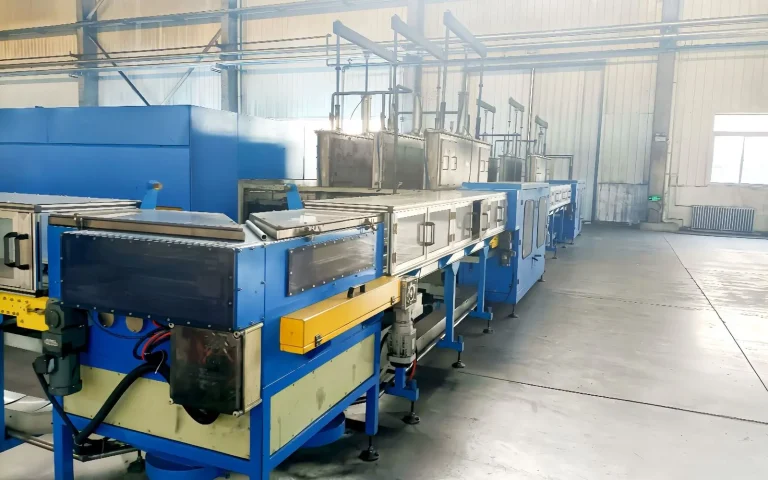
El material de ánodo de carbono duro es el más preferido para la comercialización de baterías de iones de sodio
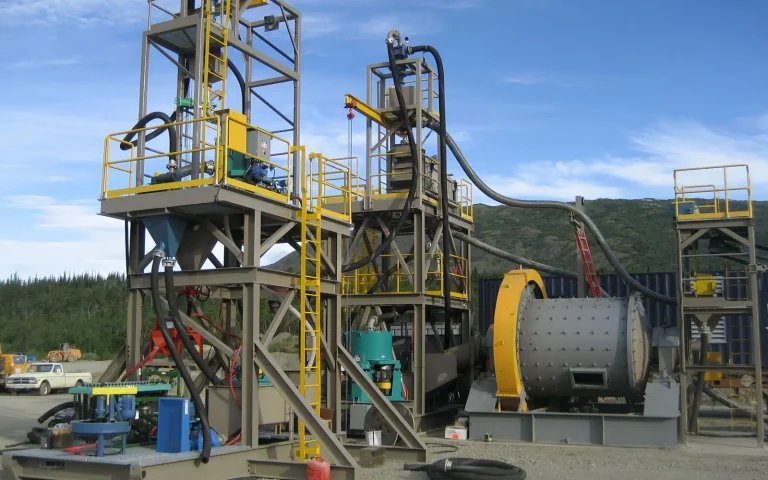
El más conocido de los minerales exogenéticos es el oro aluvial, que también se llama oro de aluvión. El oro aluvial se refiere
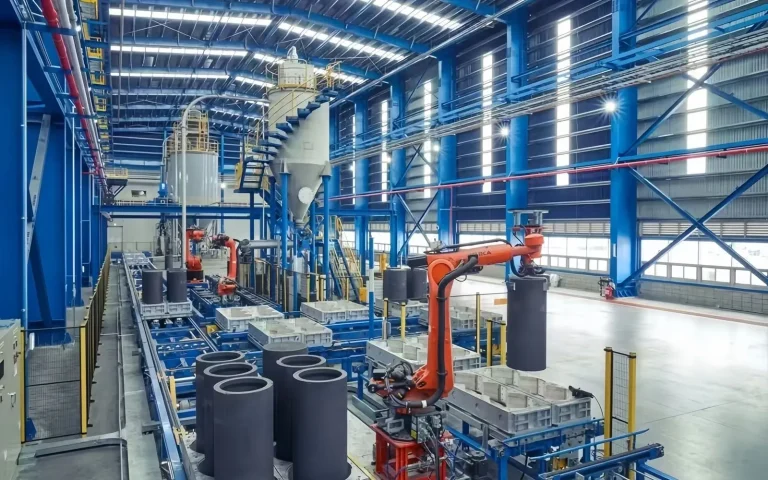
Prominer puede proporcionar la solución completa para la fabricación de materiales de ánodo de grafito natural que incluye molienda

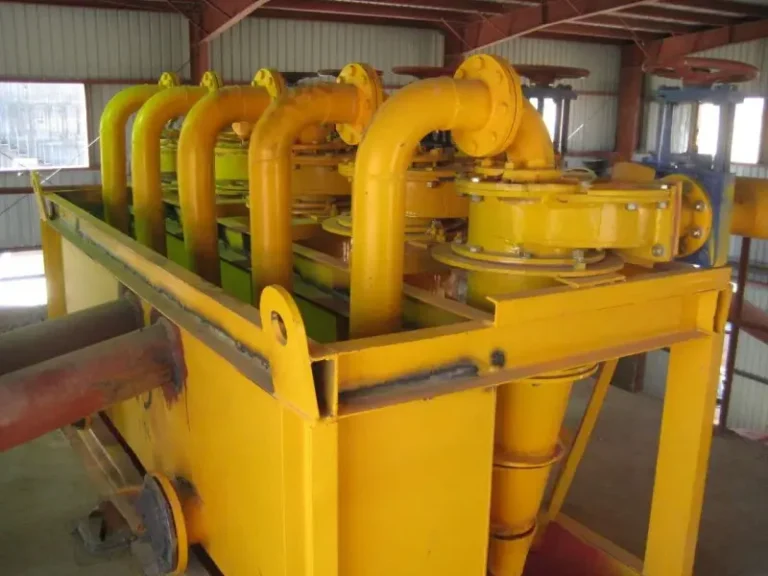
Mineral crudo: Mineral de estaño aluvial (casiterita) Grado de estaño: 0.8% Grado del concentrado: 65%
Materia Prima: Roca de Cuarcita (SiO₂: 97.8%) Grado Fotovoltaico: SiO₂≥99.99%, Fe₂O₃≤10 ppm
Mineral en bruto: Mineral de molibdeno tipo sulfuros (principalmente molibdenita) Grado de Mo: 0.15% Grado de concentrado: 45% Mo
Mineral en bruto: Mineral de Wollastonita de alta calidad con Garnet y Diopsido asociados Grado de alimentación: 65-70% Wollastonita
Objetivo de Capacidad: Aumentar la capacidad de procesamiento de 500 TPD a 850 TPD en fases sin detener la producción.
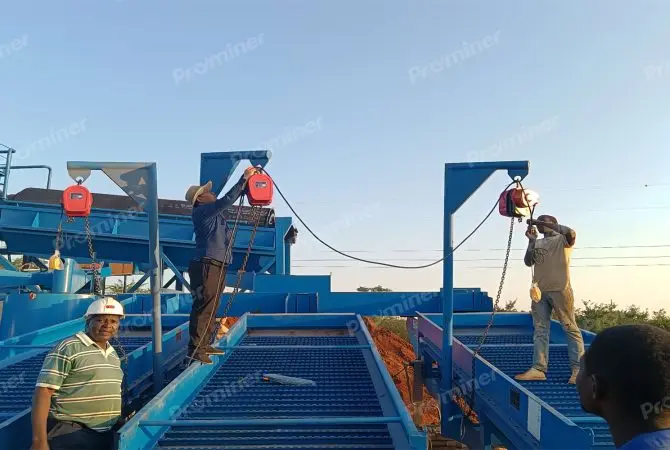
Mineral crudo: Mineral de oro aluvial del lecho del río Grado de oro: 0.8 g/t
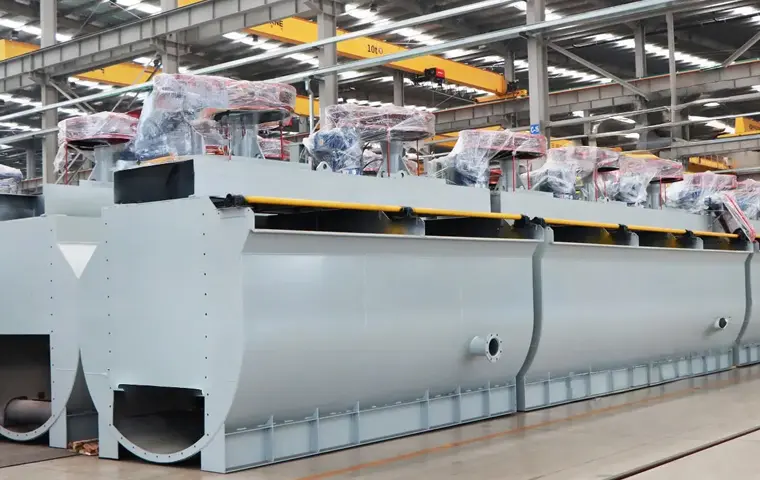
Mineral crudo: Mineral de oro tipo sulfuro con pirita Grado de oro: 3.8 g/t Grado del concentrado: 42 g/t Au
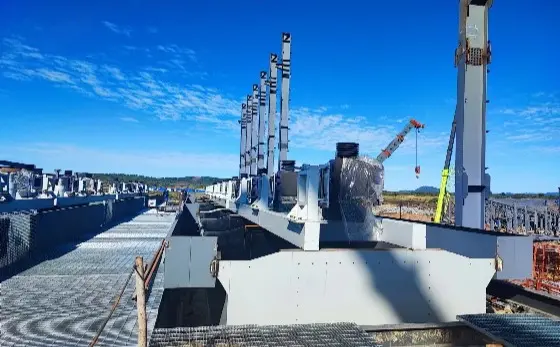
Alimento crudo: Minerales de pegmatita de litio (dominante espodumena) Grado de Li₂O: 1.2% Producto final: Litio grado batería
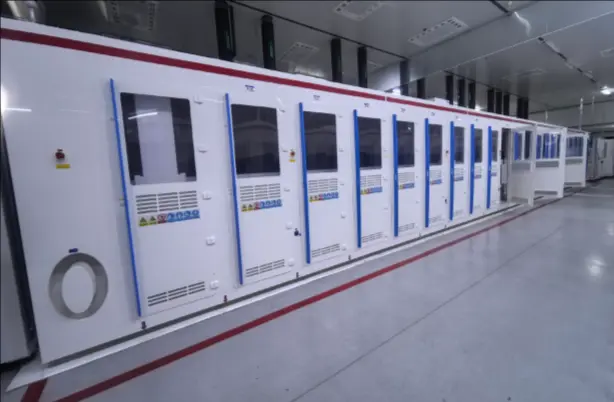
Incluye: Equipo de texturizado de lote monocristalino, cargador/descargador de texturizado por lotes, baja presión...
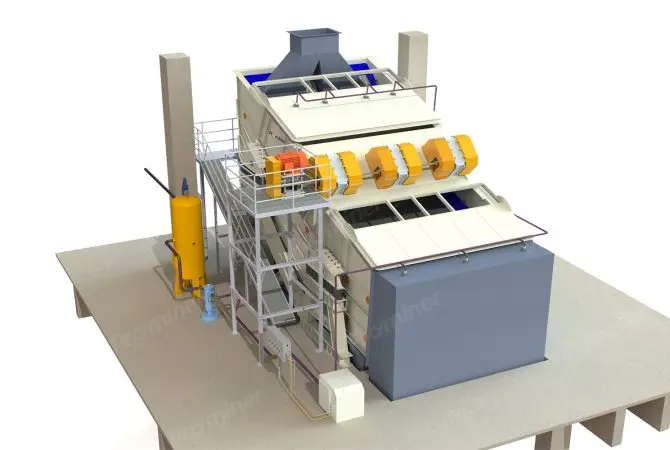
Panel de pantalla de flujo invertido sigue expandiéndose y contrayéndose para lograr altas tasas de aceleración
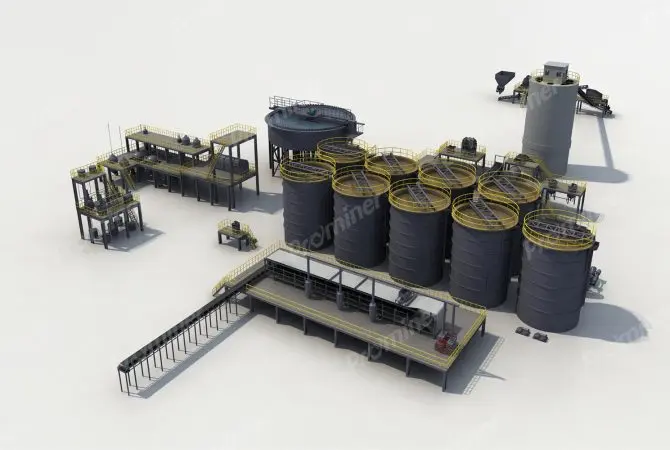
Prominer puede proporcionar la solución completa para el sistema CIL (carbono en lixiviación)
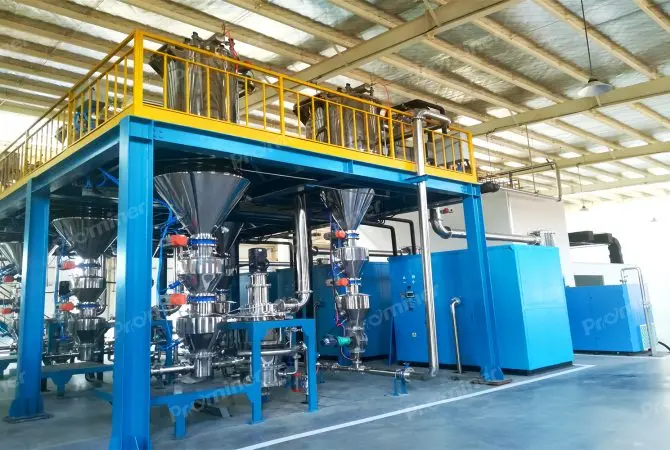
El molino jet también se llama molino de lecho fluidizado al usar múltiples boquillas para formar un flujo de aire a velocidad sónica
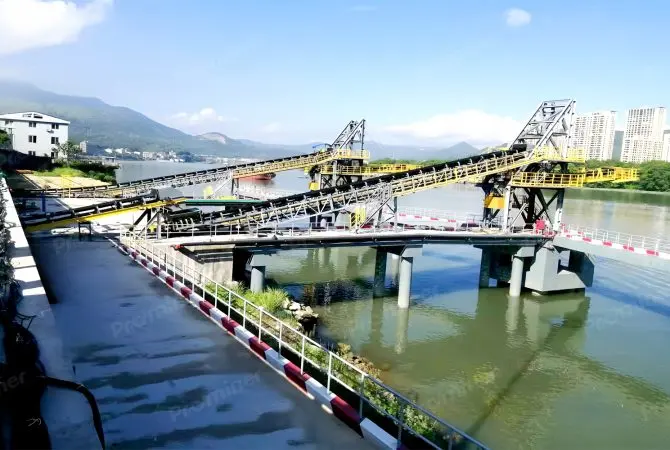
Podemos proporcionar la solución de transportadores de banda para diferentes propósitos que incluyen transportadores de banda inclinados agudos
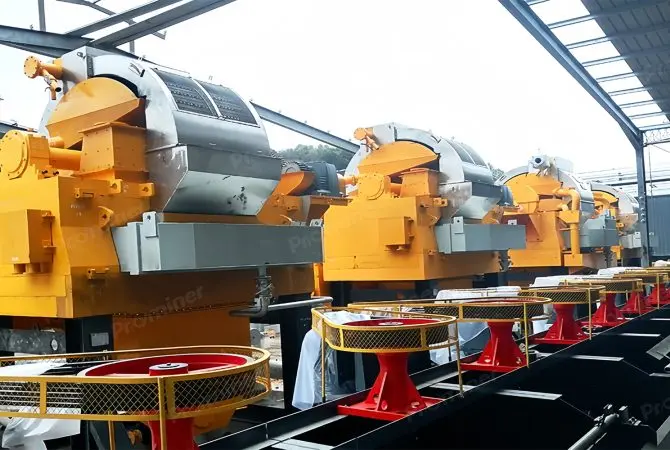
Prominer puede proporcionar diferentes separadores magnéticos HIMS (Separadores Magnéticos de Alta Intensidad)
Para obtener más información sobre nuestros productos y soluciones, complete el formulario a continuación y uno de nuestros expertos se pondrá en contacto con usted pronto
Proyecto de Flotación de Oro de 3000 TPD en la Provincia de Shandong
Flotación de Minerales de Litio de 2500 TPD en Sichuan
Fax: (+86) 021-60870195
Dirección:No.2555, Xiupu Road, Pudong, Shanghái
Copyright © 2023.Prominer (Shanghai) Mining Technology Co., Ltd.


