

El material de cátodo es uno de los materiales clave para determinar el rendimiento de las baterías de iones de litio



Recuperar hematita fina de minerales complejos puede ser un desafío debido a la naturaleza de grano fino de la hematita y la presencia de impurezas o minerales de ganga. Optimizar el proceso de recuperación implica seleccionar y combinar los métodos físicos, químicos y tecnológicos apropiados. A continuación se presentan las estrategias comunes:
El mejor enfoque depende de la mineralogía de su mineral, la distribución del tamaño de las partículas y los recursos disponibles. Combinar técnicas tradicionales y avanzadas puede maximizar la recuperación de hematita. Las pruebas experimentales son esenciales para personalizar la solución para su mineral específico.
Prominer (Shanghai) Mining Technology Co., Ltd. se especializa en proporcionar soluciones integrales de procesamiento de minerales y materiales avanzados a nivel global. Nuestro enfoque principal incluye: procesamiento de oro, beneficio de minerales de litio, minerales industriales. Especializados en la producción de material de ánodo y el procesamiento de grafito.
Los productos incluyen: Molienda y Clasificación, Separación y Deshidratación, Refinado de Oro, Procesamiento de Carbón/Grafito y Sistemas de lixiviación.
Ofrecemos servicios integrales que incluyen diseño de ingeniería, fabricación de equipos, instalación y soporte operativo, respaldados por una consulta experta las 24 horas, los 7 días de la semana.
Nuestra URL del sitio web:Lo siento, no puedo acceder a contenido externo ni traducir información desde un enlace. Si tienes texto específico que deseas traducir, por favor pégalo aquí y con gusto te ayudaré.
Nuestro correo electrónico:[email protected]
Nuestras ventas:+8613918045927(Ricardo),+8617887940518(Jessica),+8613402000314(Bruno)
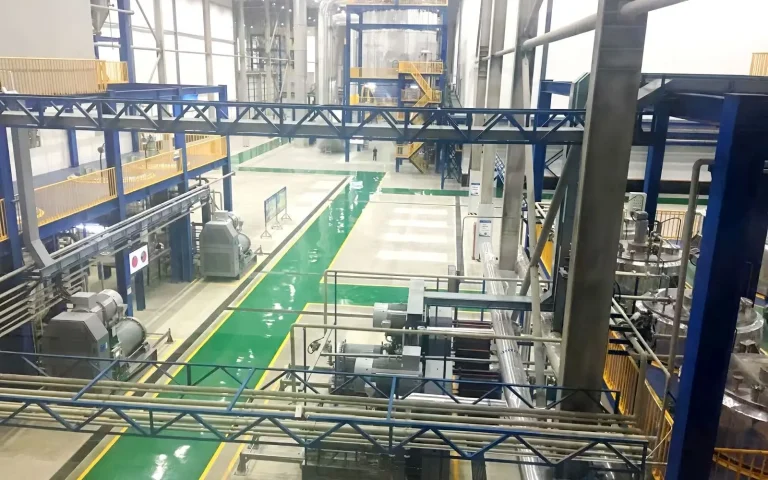
El material de cátodo es uno de los materiales clave para determinar el rendimiento de las baterías de iones de litio
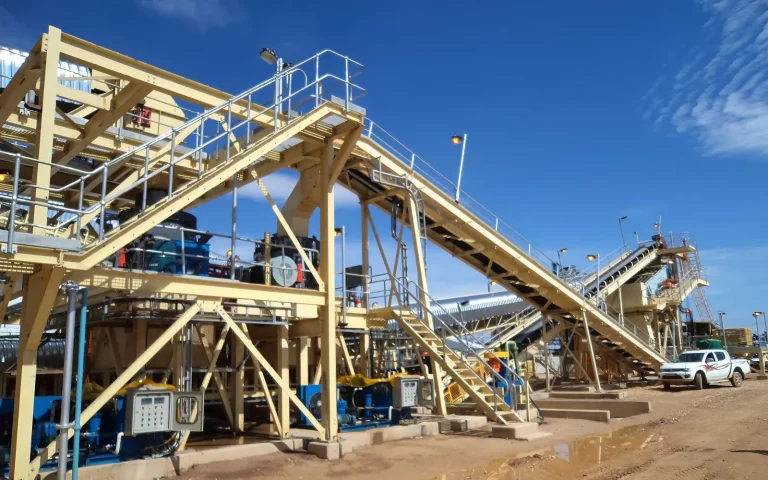
La lixiviación en vat es una buena opción para que el propietario del proyecto comience en la etapa inicial para ahorrar inversión
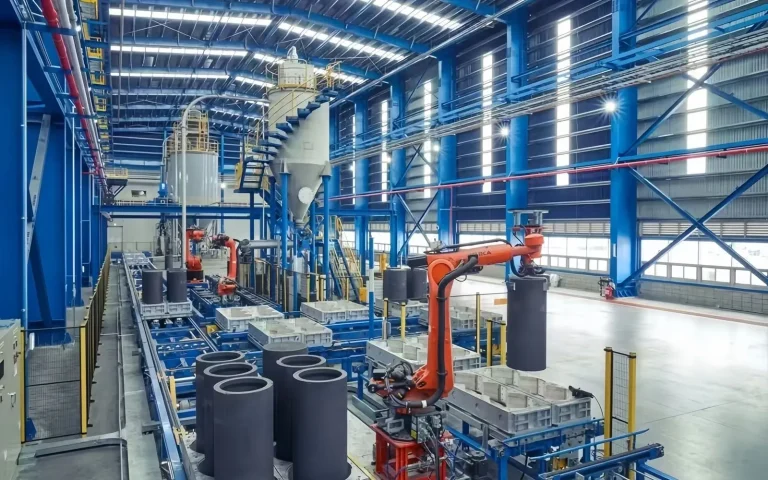
Prominer puede proporcionar la solución completa para la fabricación de materiales de ánodo de grafito natural que incluye molienda

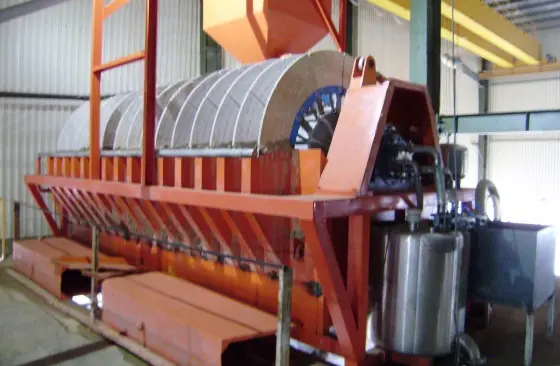
Cliente: Productor de arenas minerales pesadas. Materia prima: Concentrado de Ilmenita (TiO₂ 52-55%). Producto final: TiO₂ de grado rutilo (≥94% de pureza).
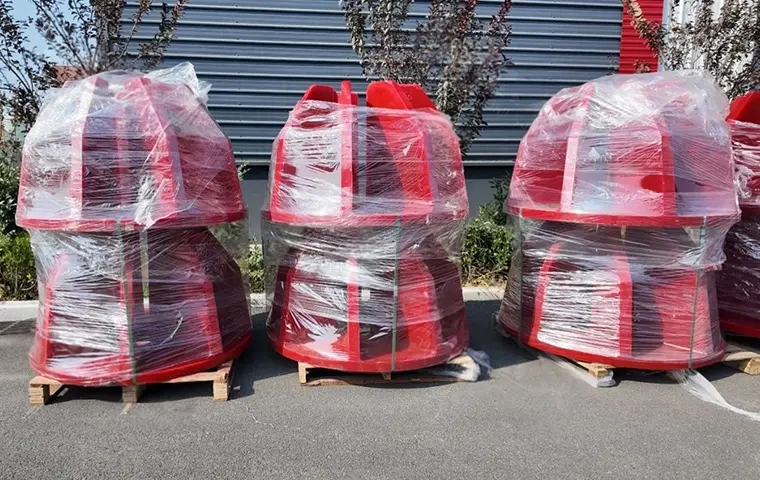
Mineral en bruto: Mineral de cobre sulfuroso Grado de cobre: 1.2% Tasa de recuperación objetivo por flotación: 92%
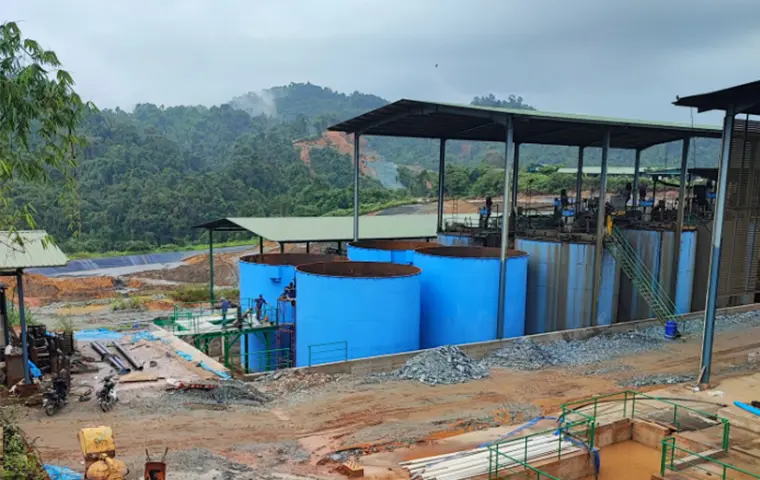
Mineral en bruto: mineral de oro sulfuroso refractario y semi-refractario Grado de oro: 2.65 g/t Pureza del lingote de oro: ≥95.5%
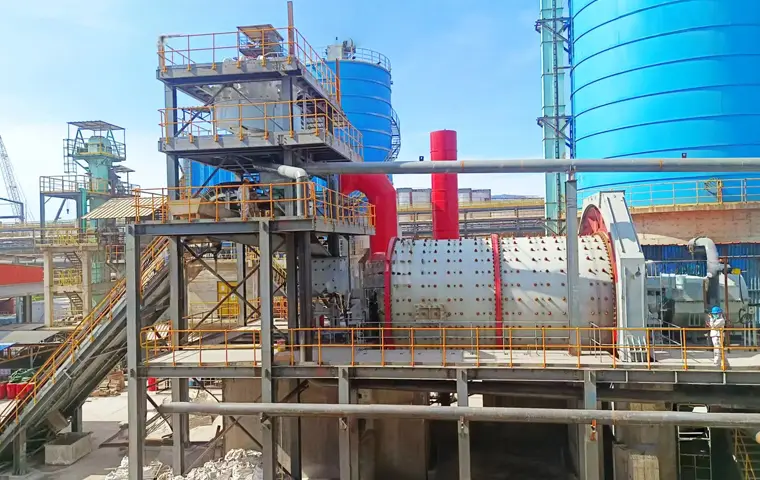
Materia Prima: Caliza de Alto Contenido de Calcio Producto Final: Polvo de Materia Prima de Cemento (malla 200) y Agregados de Construcción
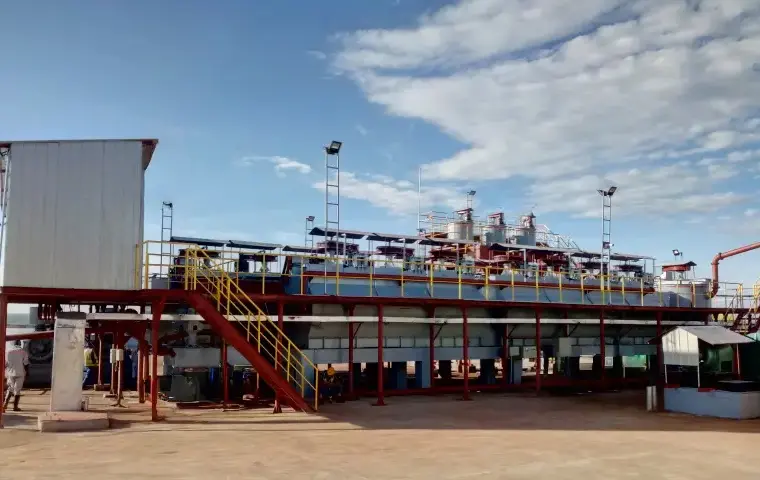
Mineral crudo: Mineral de fosfato complejo con sílice y carbonatos Grado de P2O5: 18.5% Grado del concentrado: 32% P2O5
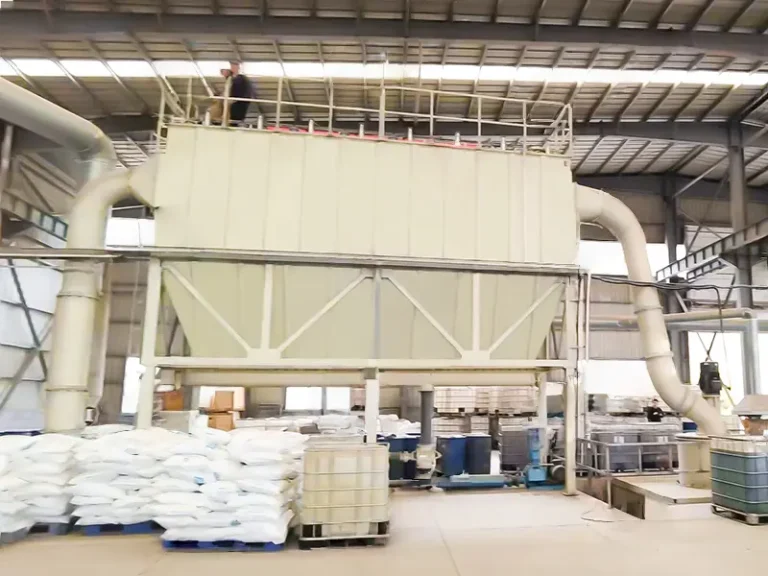
Mineral en Bruto: Roca Dolomita (CaMg(CO₃)₂) Tamaño de Alimentación: ≤10 mm Producto Final: Polvo de Dolomita Ultra Fina
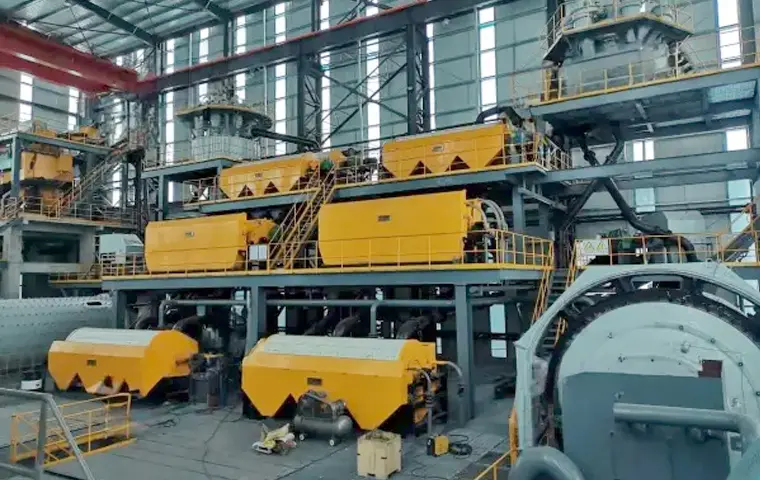
Mineral crudo: Mineral de hierro magnetita con bandas de hematita Contenido de Fe: 28-32% Producto final: Concentrado de hierro de alta ley
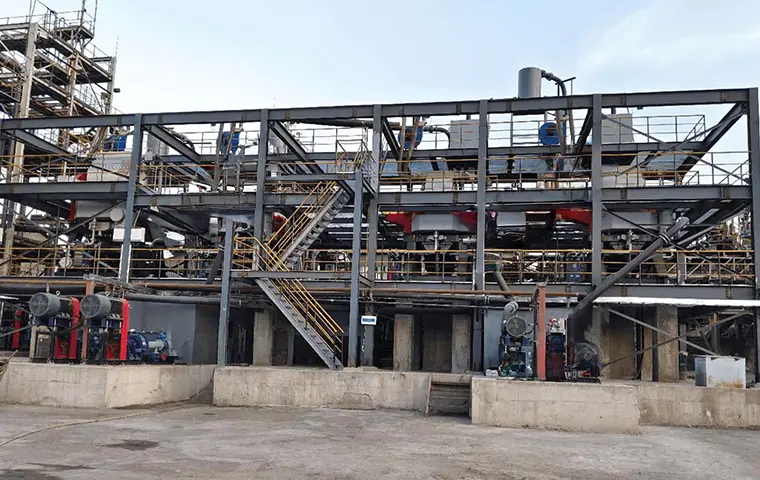
Mineral en bruto: Mineral de cromo sudafricano Original Cr₂O₃ Grado: 38% Grado de concentrado mejorado: 46%
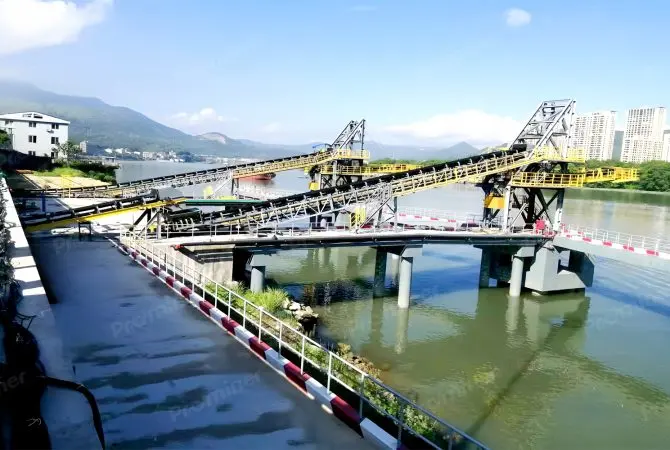
Podemos proporcionar la solución de transportadores de banda para diferentes propósitos que incluyen transportadores de banda inclinados agudos
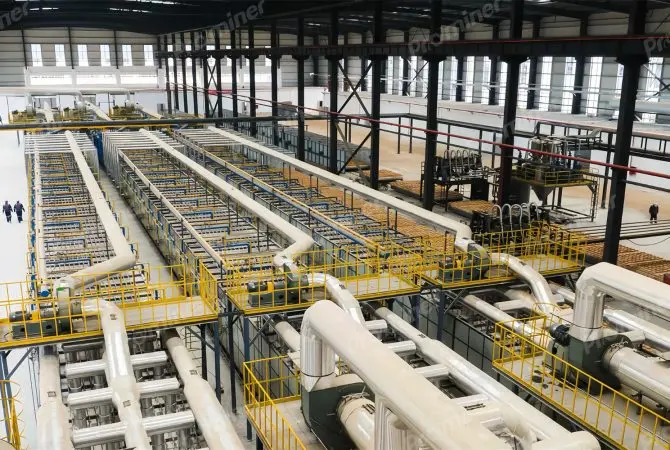
Prominer proporciona varios tipos de hornos para el horneado primario y secundario de carbono
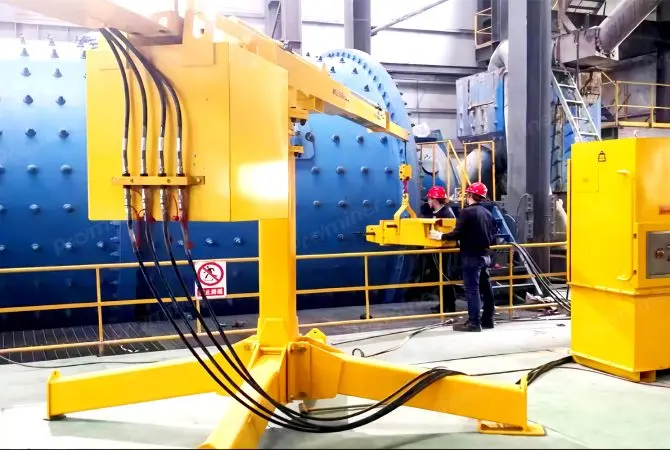
Podemos fabricar el Martillo de Perforación altamente automatizado y potente sin retroceso para eliminar
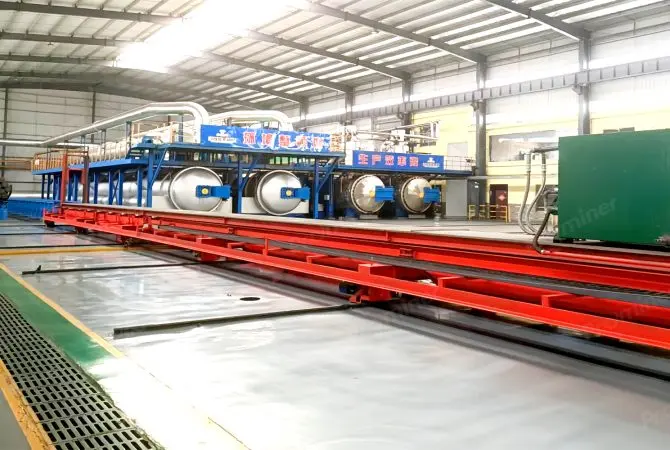
Podemos proporcionar impregnación a alta presión de tipo caliente en y fría fuera de grafito cocido una vez
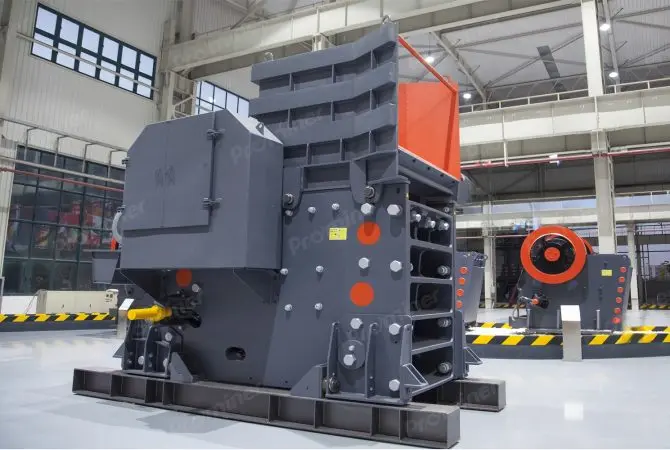
La Trituradora de Mandíbula, su tamaño de abertura determina su tamaño máximo de alimentación. La cámara de trituración de una trituradora de mandíbula
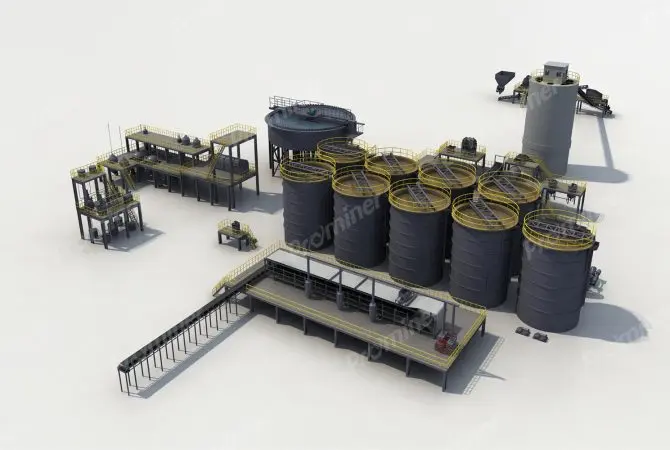
Prominer puede proporcionar la solución completa para el sistema CIL (carbono en lixiviación)
Para obtener más información sobre nuestros productos y soluciones, complete el formulario a continuación y uno de nuestros expertos se pondrá en contacto con usted pronto
Proyecto de Flotación de Oro de 3000 TPD en la Provincia de Shandong
Flotación de Minerales de Litio de 2500 TPD en Sichuan
Fax: (+86) 021-60870195
Dirección:No.2555, Xiupu Road, Pudong, Shanghái
Copyright © 2023.Prominer (Shanghai) Mining Technology Co., Ltd.


