

El ánodo basado en silicio es un tipo de material de ánodo compuesto mediante la combinación de silicio


/
/
¿Cómo seleccionar agentes de flotación para el mejoramiento de mineral de fosfato?

Seleccionar agentes de flotación para la mejora del mineral de fosfato es un paso crucial que requiere una comprensión profunda de las características mineralógicas del mineral y los requisitos de procesamiento. A continuación se presentan consideraciones clave y pasos al seleccionar agentes de flotación:
Los agentes de flotación incluyen coleccionistas, depresores, activadores, espumantes y modificadores de pH. Elegir la combinación adecuada depende de las propiedades del mineral y los objetivos de separación.
Ajuste la concentración de agentes de flotación para lograr la mejor recuperación mientras minimiza costos y consumo de reactivos. Realice pruebas de laboratorio o simulaciones de modelado para establecer dosis óptimas.
Con pruebas y optimización adecuadas, se pueden seleccionar de manera efectiva los agentes de flotación para lograr concentrados de fosfato de alta calidad.
Prominer (Shanghai) Mining Technology Co., Ltd. se especializa en proporcionar soluciones integrales de procesamiento de minerales y materiales avanzados a nivel global. Nuestro enfoque principal incluye: procesamiento de oro, beneficio de minerales de litio, minerales industriales. Especializados en la producción de material de ánodo y el procesamiento de grafito.
Los productos incluyen: Molienda y Clasificación, Separación y Deshidratación, Refinado de Oro, Procesamiento de Carbón/Grafito y Sistemas de lixiviación.
Ofrecemos servicios integrales que incluyen diseño de ingeniería, fabricación de equipos, instalación y soporte operativo, respaldados por una consulta experta las 24 horas, los 7 días de la semana.
Nuestra URL del sitio web:Lo siento, no puedo acceder a contenido externo ni traducir información desde un enlace. Si tienes texto específico que deseas traducir, por favor pégalo aquí y con gusto te ayudaré.
Nuestro correo electrónico:[email protected]
Nuestras ventas:+8613918045927(Ricardo),+8617887940518(Jessica),+8613402000314(Bruno)
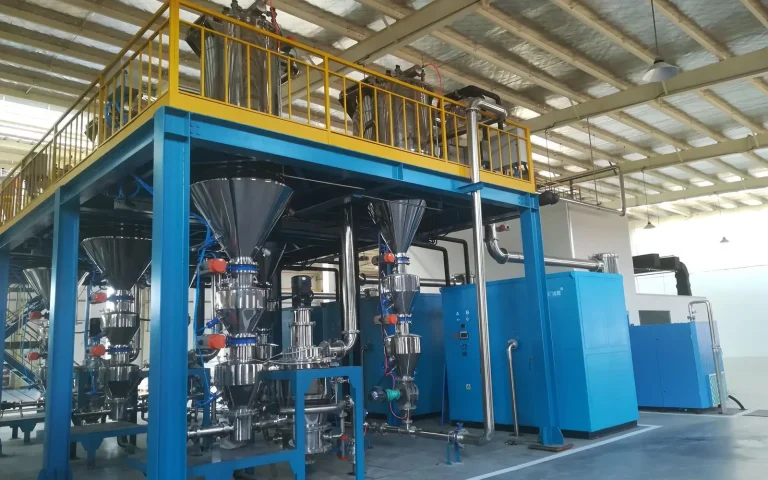
El ánodo basado en silicio es un tipo de material de ánodo compuesto mediante la combinación de silicio
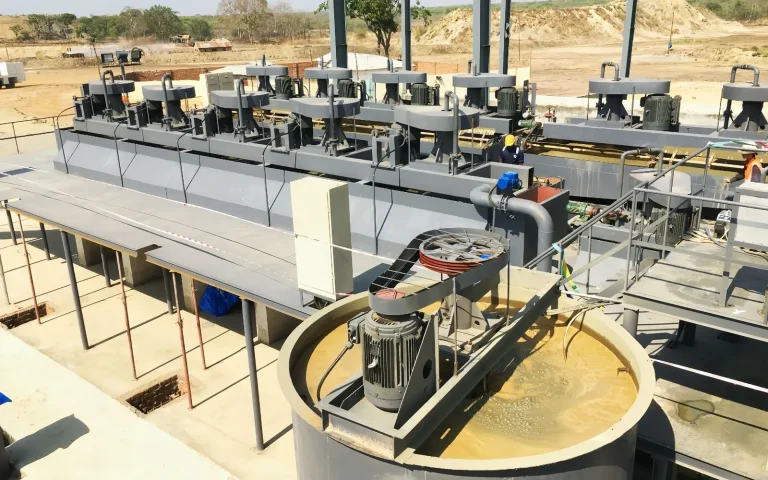
Existen dos tipos de mineral de grafito natural: grafito cristalino y grafito amorfo
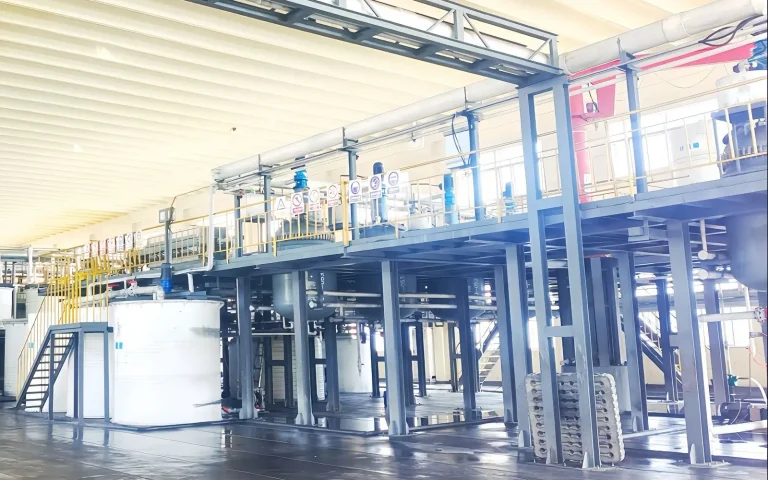
El grafito en escamas se puede usar para producir grafito de alto carbono, grafito de alta pureza, grafito expandible

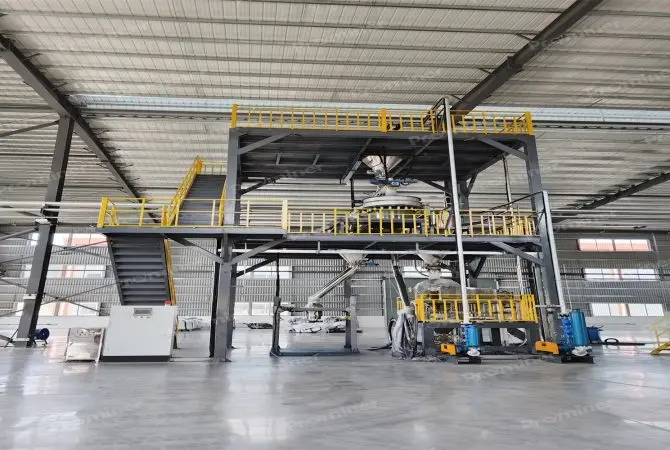
Materia Prima: ánodo de grafito artificial, ánodo de grafito natural
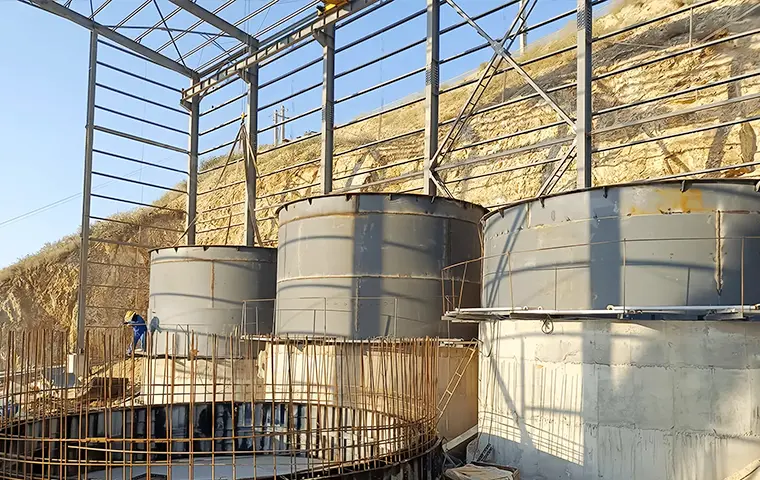
Mineral Crudo: Mineral de Oro Óxido Meteorizado Grado de Oro: 1.8 g/t Tasa de Recuperación de Oro: 90.5%
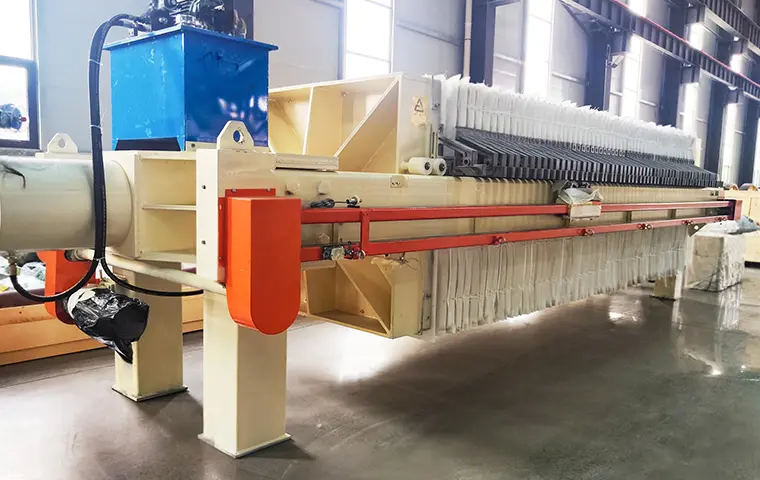
Antecedentes del Proyecto: Mejora del circuito de deshidratación para el concentrado de flotación y los relaves de la planta para reducir el contenido de humedad y permitir la disposición en pilas secas.
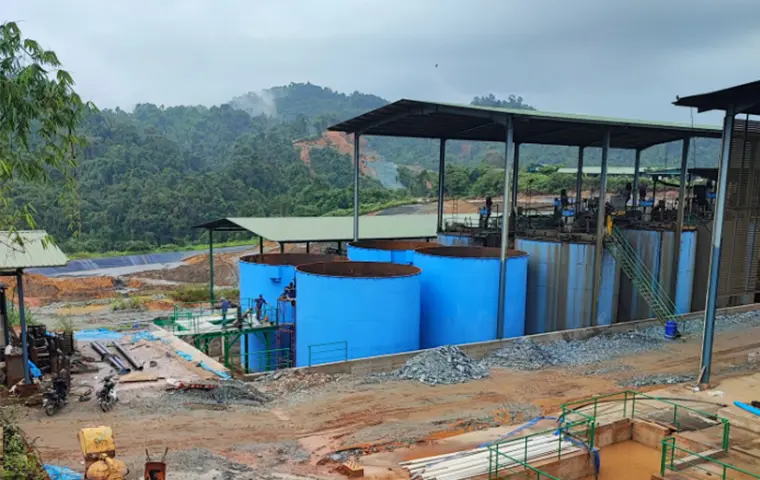
Mineral en bruto: mineral de oro sulfuroso refractario y semi-refractario Grado de oro: 2.65 g/t Pureza del lingote de oro: ≥95.5%
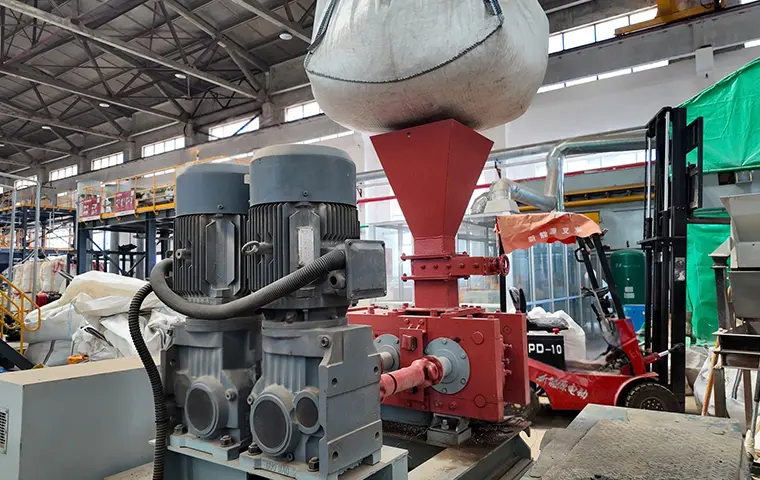
Objetivo del proyecto: Determinar el diagrama de flujo de procesamiento óptimo y proporcionar datos de escalado para una planta a gran escala.
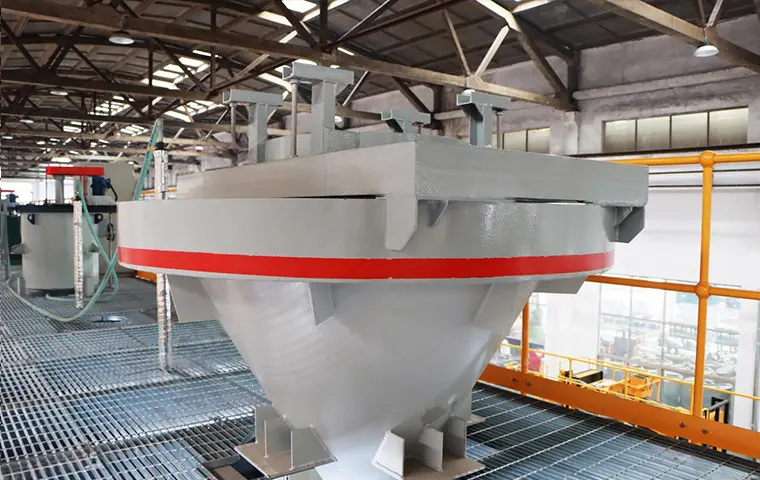
Mineral en bruto: Mineral de oro tipo sulfuro Grado de oro: 3.5 g/t Producto final: Lingote de oro Tasa de recuperación de oro: 96%
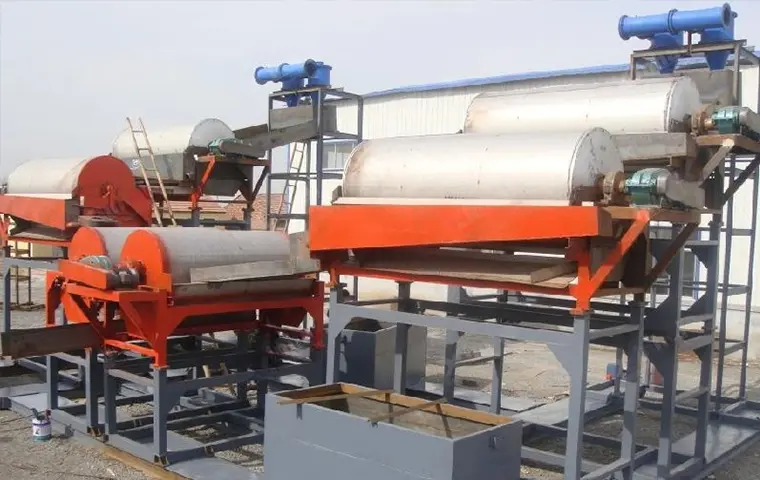
Mineral Crudo: Mineral de Hausmannita (Mn₃O₄) Grado de Mn: 35% Producto Final: Concentrado de Hausmannita Tasa de Recuperación de Mn: 88%
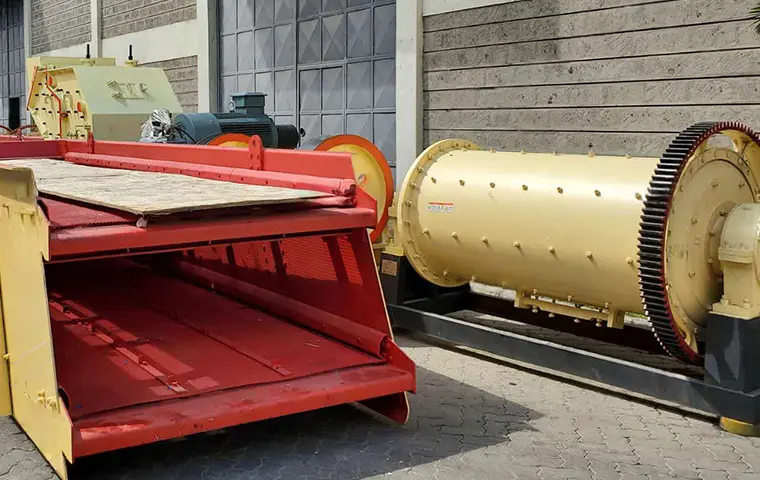
Mineral Crudo: Mineral de Oro de Óxido y Sulfuro Mezclado Tasa de Oro: 3.5 g/t Tasa de Recuperación de Oro: 92%
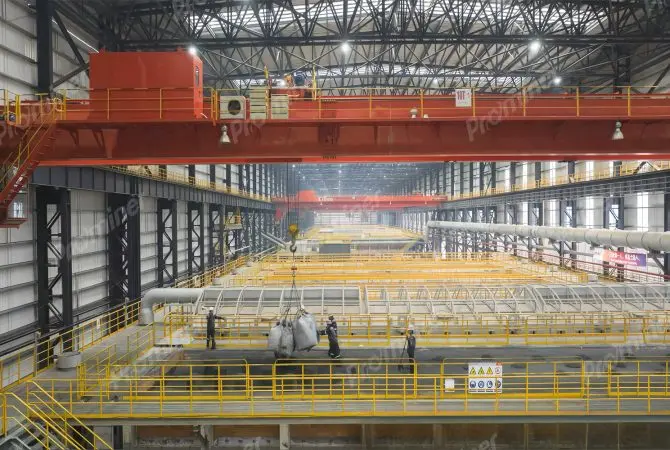
Podemos proporcionar diferentes tipos de horno de grafitización para cambiar el material de carbono
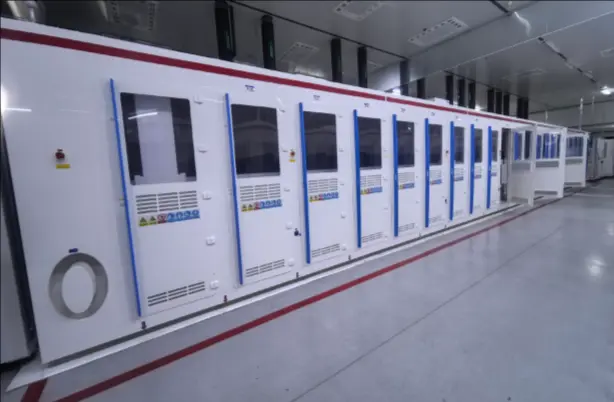
Incluye: Equipo de texturizado de lote monocristalino, cargador/descargador de texturizado por lotes, baja presión...
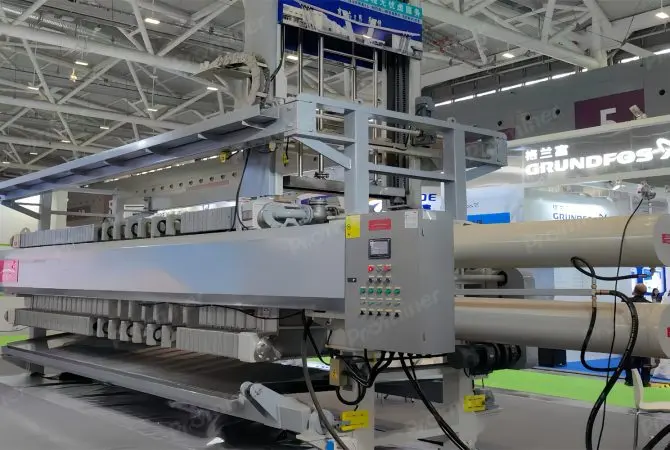
Prominer puede proporcionar filtros de prensa, filtros de vacío de cinta, filtros de vacío de disco y filtros cerámicos
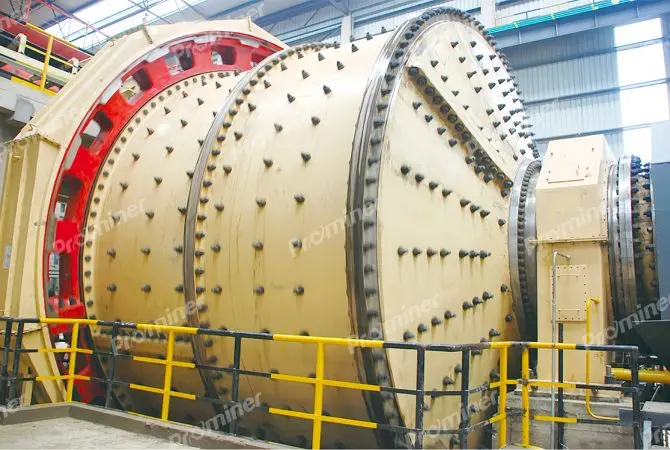
AG/SAG es la abreviatura de molino autógeno y molino semi-autógeno, combina dos funciones de trituración
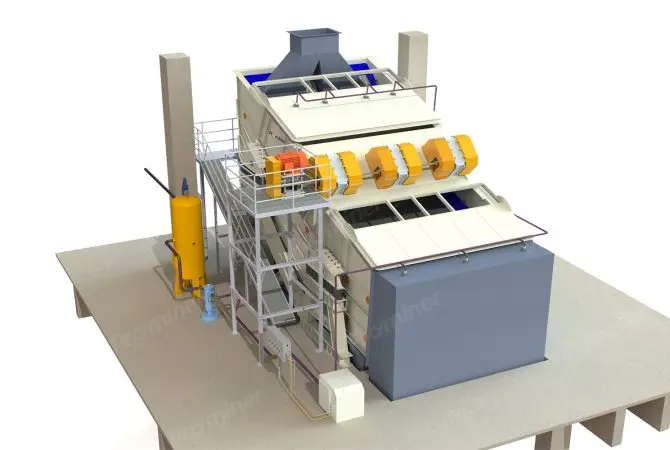
Panel de pantalla de flujo invertido sigue expandiéndose y contrayéndose para lograr altas tasas de aceleración
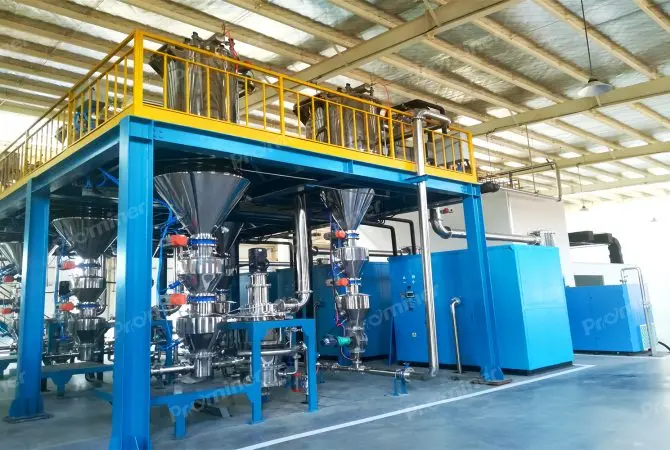
El molino jet también se llama molino de lecho fluidizado al usar múltiples boquillas para formar un flujo de aire a velocidad sónica
Para obtener más información sobre nuestros productos y soluciones, complete el formulario a continuación y uno de nuestros expertos se pondrá en contacto con usted pronto
Proyecto de Flotación de Oro de 3000 TPD en la Provincia de Shandong
Flotación de Minerales de Litio de 2500 TPD en Sichuan
Fax: (+86) 021-60870195
Dirección:No.2555, Xiupu Road, Pudong, Shanghái
Copyright © 2023.Prominer (Shanghai) Mining Technology Co., Ltd.


