

L'elettrodo in grafite UHP è principalmente utilizzato per forni ad arco elettrico ad ultra alta potenza nell'industria della fusione dell'acciaio


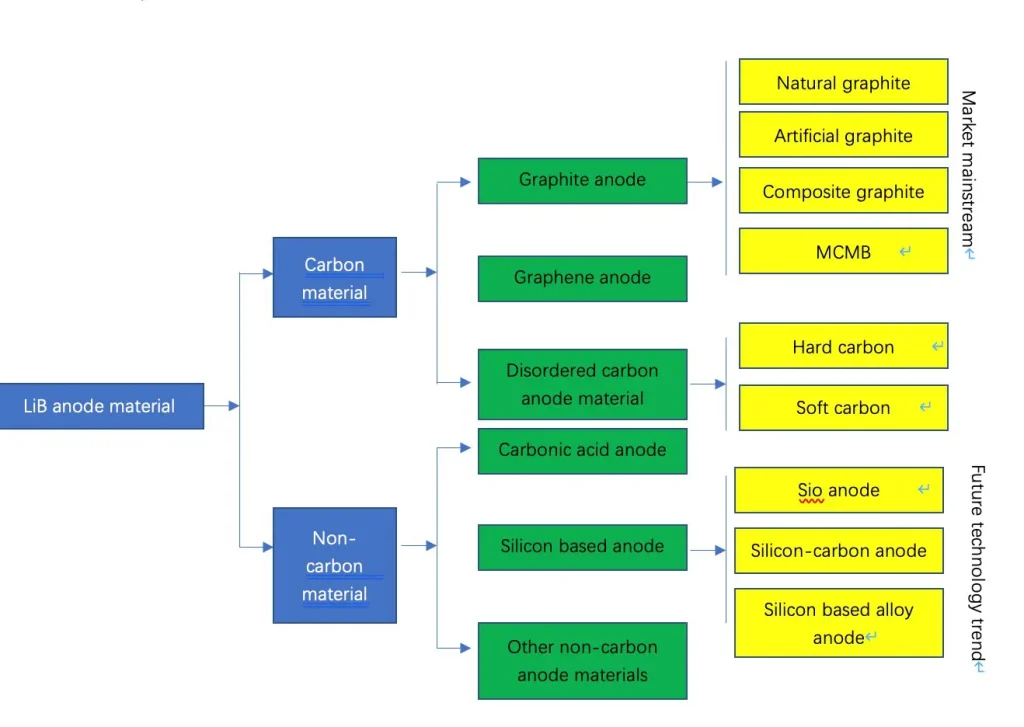
I materiali anodicisono principalmente suddivisi in due categorie: materiali carboniosi e materiali non carboniosi. Il carbonio si riferisce a sistemi a base di carbonio, comprendenti principalmente microsfere mesocarboniose, grafite artificiale, grafite naturale e carbonio duro. Attualmente, i materiali carboniosNcitrutini a base di grafite sono i più utilizzati, tra cui la grafite artificiale e la grafite naturale hanno applicazioni industriali su larga scala. I materiali non carboniosi comprendono principalmente materiali a base di silicio, materiali a base di stagno, titanio di litio, ecc. Tra di essi, i materiali anodici a base di silicio sono i principali oggetti di ricerca dei principali produttori di materiali anodici attualmente e sono uno dei nuovi materiali anodici più probabilmente applicabili su larga scala in futuro.
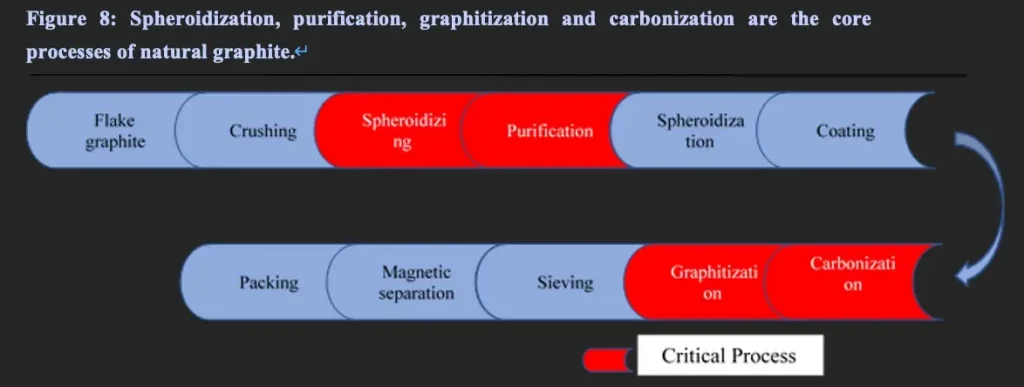
Elaborazione della Grafite Naturale
Il materiale anodico in grafite naturale è grafite a scaglie naturali come materia prima, dopomacinazione, classificazione, sferonizzazione,purificazione, trattamento superficiale e altri processi preparati dal materiale catodico.
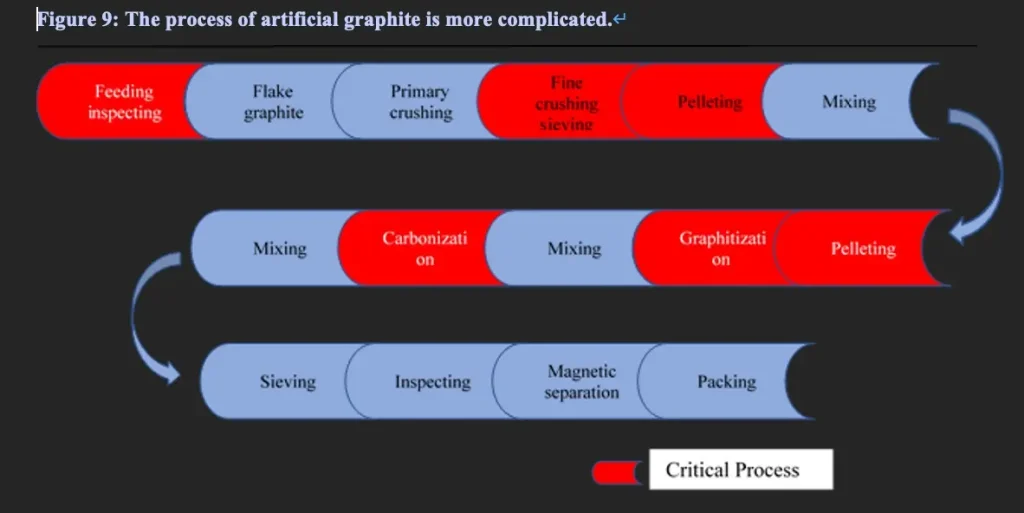
Processo di Preparazione del Materiale Anodico in Grafite Artificiale
Artificial graphite manufacturing process can be divided into four steps, more than ten small procedures, granulation and graphitization is the key.
Il processo di produzione del materiale anodico di grafite artificiale può essere suddiviso in quattro fasi:
1) pretrattamento
2) granizzazione
3) grafitizzazione
4) macinazione e setacciatura.
Among the four steps, crushing and screening are relatively simple, and granulation and graphitization are the two links that reflect the technical threshold and production level of the anode industry.
Specific to the production process, firstly, one or more of the coke and conductive particles, carbon nanotubes, carbon black, acetylene black are premixed, and then the mixed material and carbon are sintered and coated once, and the prepared particles are graphitized. Graphitized materials and resin materials for secondary coating; Surface treatment with solvent, centrifugation, precipitation and other methods to separate solid particles from the solvent, and then carbonization, 5-20um particles, to obtain a high rate of carbon anode material. In this method, by mixing and fabricating particles, the particles are coated twice to fill the inner shell of the material, so that the internal structure of the material is stable, so that the carbon anode material has the advantages of high rate performance, high pressure compaction, high specific capacity and so on.
(1) Preprocessing
Graphite raw material (needle coke or petroleum coke) is mixed with binder for air milling (crushing).According to the different products, the graphite raw materials and adhesive (graphitization) according to different proportions, the mixing ratio is 100 :(5~20), the material through the vacuum feeding machine into the hopper, and then the hopper into the air flow mill for air macinazione, macinazione 5~10mm diameter of the raw and auxiliary materials to 5-10 microns. After air macinazione, cyclone dust collector is used to collect the required particle size materials, the dust collection rate is about 80%, the tail gas is filtered by the filter core filter and discharged, the dust removal efficiency is more than 99%. The material of the filter element is the filter cloth with pores less than 0.2 micron, which can intercept all the dust above 0.2 micron. The fan control system is in negative pressure state.
Differenza: pretreatment mill is divided into mechanical mill and jet mill, now the mainstream is jet mill. There are more kinds of adhesives, such as petroleum asphalt, coal asphalt, phenolic resin or epoxy resin.
(2) Granizzazione/Granizzazione secondaria
La granizzazione is a key step in artificial graphite processing. La granizzazione is divided into pyrolysis process and ball milling process.
Processo di pirolisi: the intermediate material 1 is put into the reaction reactor and electrically heated according to a certain temperature curve in inert gas atmosphere and under a certain pressure. It is stirred at 200-300 ℃ for 1-3h and then heated to 400-500℃ to obtain the material with a particle size of 10-20mm. The material is cooled and discharged, namely the intermediate material
2. Ball mill and sieve division of labor: vacuum feeding, conveying intermediate material 2 to the ball mill for mechanical ball macinazione, macinazione 10~20mm material into 6~10 micron particle size material, and screening to get intermediate material
3. The material on the screen is transported back to the ball mill by vacuum pipe for ball macinazione.
The size, distribution and morphology of graphite particles affect many properties of anode materials. In general, the smaller the particle size, the better the rate performance and cycle life, but the first efficiency and compaction density (affecting the volume energy density and specific capacity) are worse, and vice versa. Reasonable particle size distribution (mixing large particles with small particles, later process) can improve the specific capacity of the negative electrode. The particle morphology also has a great influence on the rate and low temperature performance.
Granulazione secondaria: small particles have large specific surface area, more channels and shorter paths for lithium ion migration, good rate performance, and large particles have high compaction density and large capacity. How to take into account the advantages of large and small particles, and achieve high capacity and high rate at the same time? The answer is to take secondary granulation. Using the base material such as small grain petroleum coke and needle coke, by adding coating materials and additives, under the condition of high temperature agitation, by controlling the material proportion, temperature rise curve and agitation speed, the small grain base material can be granulated twice, and the product with larger grain size can be obtained. Compared with the product of the same particle size, the secondary granulation can effectively improve the liquid retention performance of the material and reduce the expansion coefficient of the material (there are concave holes between small particles and small particles), shorten the diffusion path of lithium ions, improve the rate performance, but also improve the high and low temperature performance and cycling performance of the material.
Differenze: The secondary granulation process has high barriers, many types of coating materials and additives, and is prone to problems such as uneven coating or coating shedding, or poor coating effect, etc. It is an important process for high-end artificial graphite.
(3) La grafitizzazione
Grafitizzazione is the orderly transformation of thermodynamically unstable carbon atoms from chaotic layer structure to graphite crystal structure by thermal activation. Therefore, high temperature heat treatment (HTT) is used in the graphitization process to provide energy for atomic rearrangement and structural transformation. In order to improve the graphitization degree of refractory carbon materials, catalysts can also be added.
Per ottenere un migliore effetto di grafitizzazione, è necessario lavorare su tre aspetti:
1. Padroneggiare il metodo di carico dei materiali resistenti e dei materiali nel forno (carico orizzontale, carico verticale, dislocazione e carico misto, ecc.), e poter regolare la distanza tra i materiali secondo le diverse prestazioni dei materiali resistenti;
2. according to the different capacity and product specifications of the graphitization furnace, different power curve is used to control the rate of rise and fall in the process of graphitization;
3, in specific circumstances, in the ingredients to add catalyst, improve the degree of graphitization, that is, “catalytic graphitization”.
Differenze: Different qualities of artificial graphite have different heating and cooling rates, holding time, catalysts, etc. It is expected that the types of graphitization furnaces used are different, resulting in relatively large differences in performance and cost. Grafitizzazione separated from the front-end and back-end processes, especially the heating and cooling process, is basically programmed, but the graphitization time is long and the equipment investment is large, so more outsourced processing is required, and there is no risk of technology leakage.
(4) Carbonizzazione Coated
Carbonizzazione coated: Carbonizzazione coated uses a graphite-like carbon material as a “core”, and coats a layer of uniform amorphous carbon material on its surface to form particles similar to a “core-shell” structure. The precursors of commonly used amorphous carbon materials include low-temperature pyrolysis carbon materials such as phenolic resin, pitch, and citric acid. The interlayer spacing of amorphous carbon materials is larger than that of graphite, which can improve the diffusion performance of lithium ions in it. SEI film, improve the first effect, cycle life, etc.
Differenze: Different manufacturers choose different precursors and different heating procedures, so that the thickness and uniformity of the coating layer are also different, so the product cost and performance will also be different.
(5) Screening/Doping
I materiali grafitizzati vengono trasportati al mulino a sfere mediante vuoto, e poi subiscono miscelazione fisica e macinazione. Vengono setacciati con un setaccio molecolare da 270 maglie, e il materiale sotto il setaccio viene ispezionato, misurato, confezionato e immagazzinato. Il materiale sul setaccio viene ulteriormente macinato per soddisfare i requisiti di dimensione delle particelle e poi setacciato.

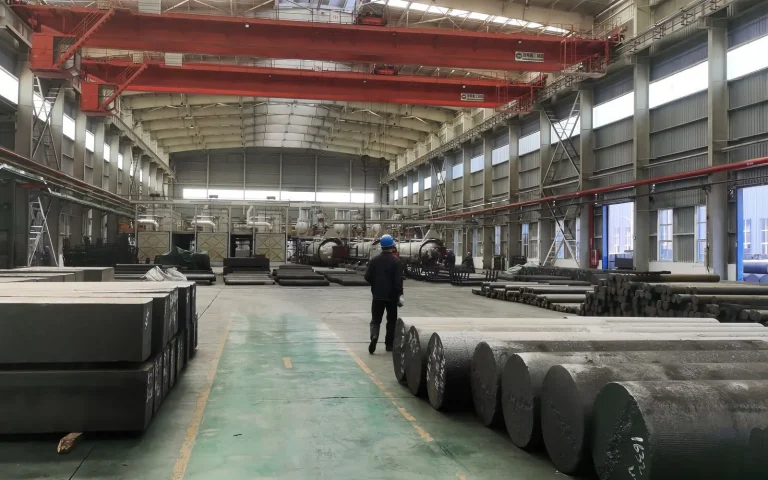
L'elettrodo in grafite UHP è principalmente utilizzato per forni ad arco elettrico ad ultra alta potenza nell'industria della fusione dell'acciaio
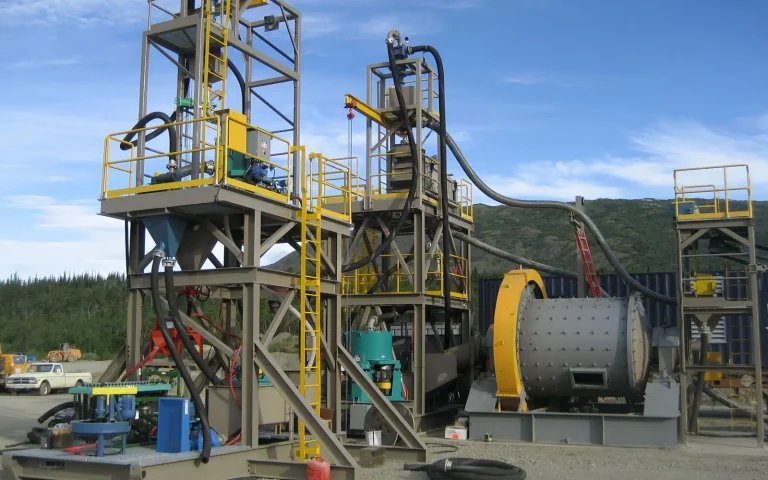
Il minerale esogeno più noto è l'oro alluvionale, noto anche come oro da placers. L'oro alluvionale si riferisce
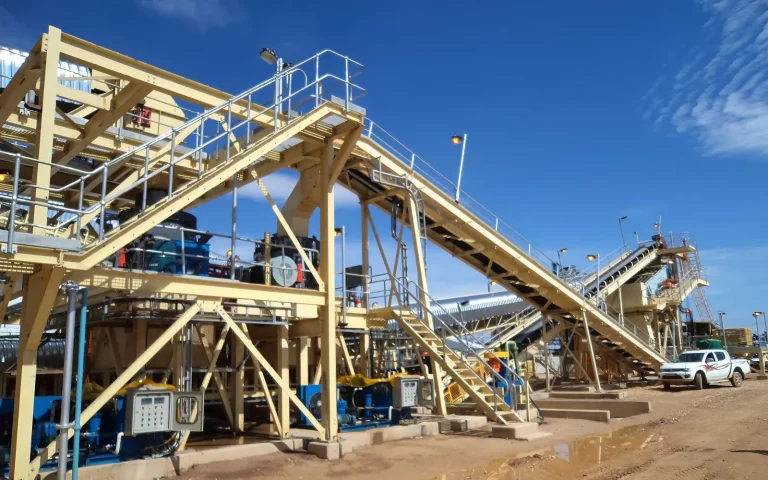
La lisciviazione in vat è una buona opzione per il proprietario del progetto per iniziare nella fase iniziale per risparmiare investimenti
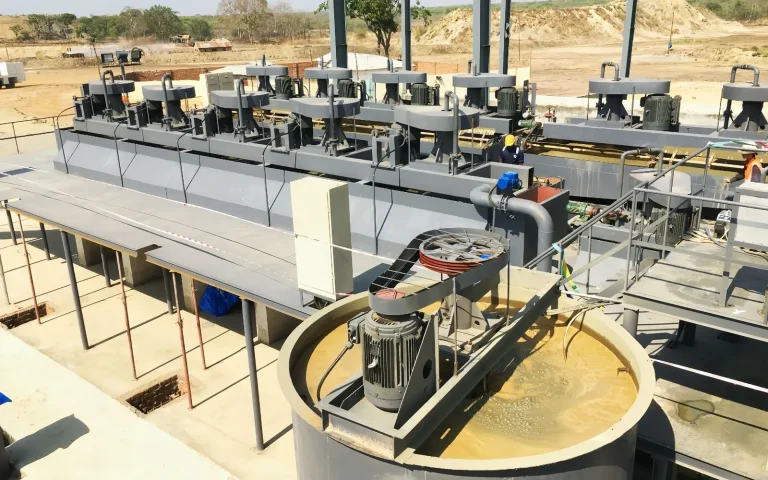
Esistono due tipi di minerale di grafite naturale, tra cui grafite cristallina e grafite amorfa
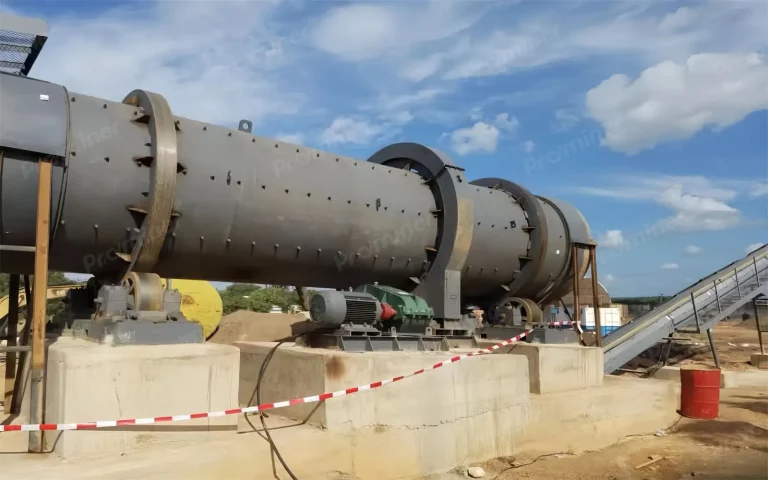
La lisciviazione in heap è un metodo tradizionale di lisciviazione con cianuro che è flessibile ed economico per estrarre oro
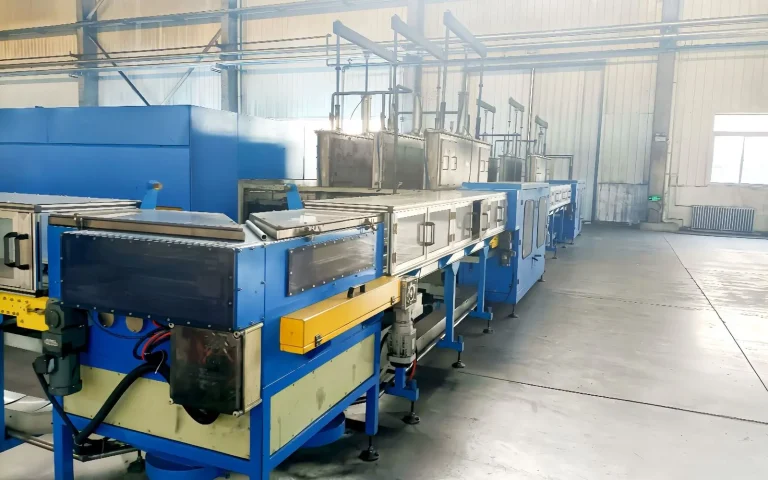
Il materiale dell'anodo in carbonio duro è il più preferito per la commercializzazione delle batterie a ioni di sodio
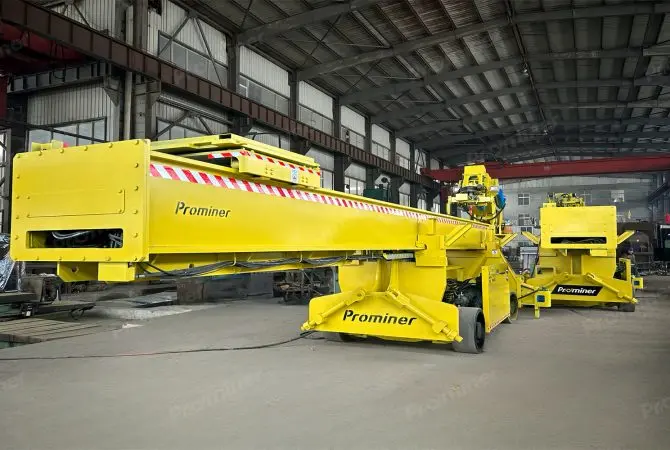
Possiamo progettare e fabbricare la macchina di rinnovo del mulino (o chiamata manipolatore di rinnovo del mulino)
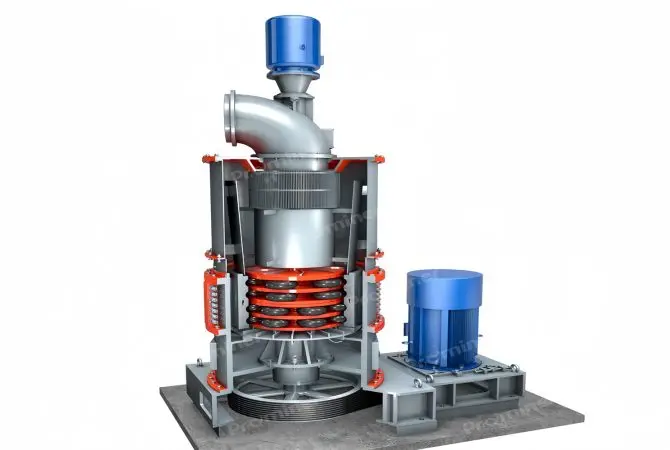
Possiamo fornire il mulino a rulli per produrre polvere ultrafine che è adatta per macinare
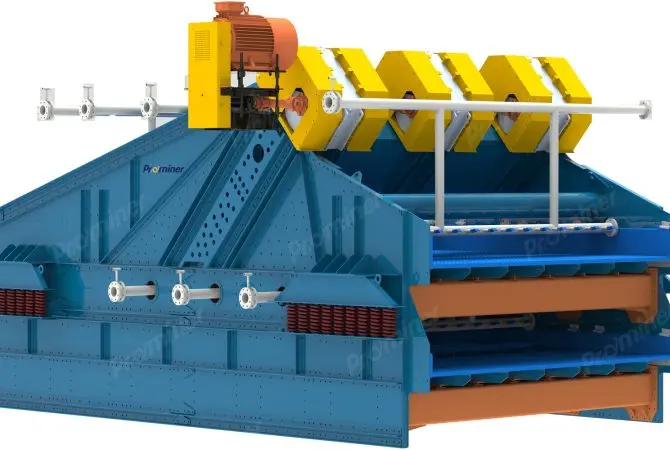
Prominer può fornire ogni tipo di setaccio lineare per la classificazione mineraria, la dimensione dei materiali, e disidratazione.
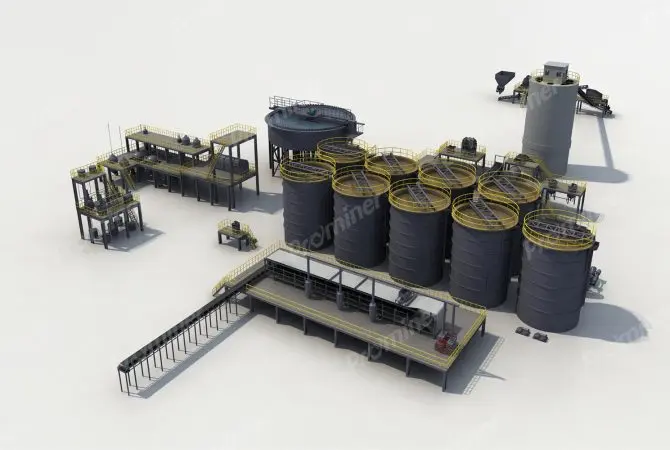
Prominer può fornire la soluzione completa per il sistema CIL (carbon in leaching)
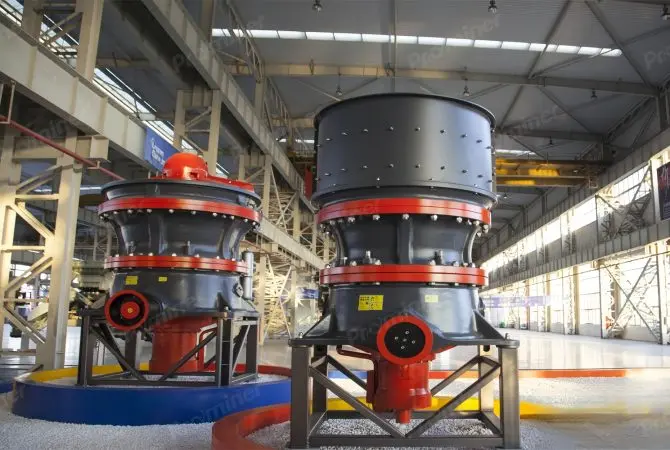
I frantoi conici idraulici a singolo cilindro hanno due serie basate su diverse cavità, la cavità S è progettata
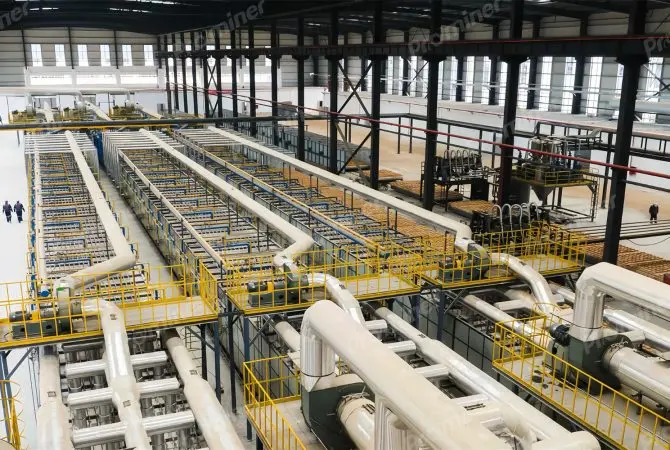
Prominer fornisce vari tipi di forni per la cottura primaria e secondaria del carbonio
Per saperne di più sui nostri prodotti e soluzioni, si prega di compilare il modulo qui sotto e uno dei nostri esperti ti ricontatterà a breve
Progetto di flottazione d'oro da 3000 TPD nella provincia di Shandong
Flottazione di minerale di litio da 2500TPD in Sichuan
Fax: (+86) 021-58779592
Indirizzo: Stanza 606, Edificio D3, Fase II, Centro Commerciale Chuansha, 777 Long, Miaochuan Road, Distretto di Pudong Nuova Area, Shanghai, Cina
Copyright © 2023. Prominer (Shanghai) Mining Technology Co., Ltd.


