

Il materiale dell'anodo in carbonio duro è il più preferito per la commercializzazione delle batterie a ioni di sodio


/
/
Come ridurre i costi dei reagenti per la flottazione della fluorite del 40% senza sacrificare la qualità?


Ridurre i costi dei reagenti per la flottazione della fluorite del 40% senza compromettere il grado richiede un equilibrio strategico tra ottimizzazione dei processi, selezione di reagenti alternativi e miglioramenti dell'efficienza. Di seguito sono indicate strategie specifiche per raggiungere questo obiettivo:
Per un ipotetico impianto di flottazione della fluorite:
Ottimizzando in modo sistematico i processi di flottazione, adottando reagenti economici e migliorando le pratiche operative, è possibile ottenere sostanziali riduzioni dei costi senza compromettere la qualità del prodotto.
A: Le caratteristiche minerali variano significativamente anche all'interno della stessa massa mineraria. Un test professionale (come analisi chimica, XRD e SEM) assicura che il diagramma di flusso sia ottimizzato per il tuo specifico grado di minerale e dimensione di liberazione. Questo previene incompatibilità costose delle attrezzature e garantisce i tassi di recupero più elevati possibili per il tuo progetto.
A: Manteniamo un magazzino permanente di componenti di usura essenziali (come rivestimenti per frantoi, griglie e materiale per macinazione). Per i clienti internazionali, forniamo un elenco di “pezzi di ricambio raccomandati per 2 anni” con l'acquisto iniziale. Il supporto tecnico è disponibile 24 ore su 24, 7 giorni su 7 tramite video remoto, e possono essere organizzate visite in loco per esigenze di manutenzione complesse.
A: Sì. Inviamo un team di ingegneri meccanici ed elettrici senior sul posto per supervisionare l'installazione, la messa in servizio e il collaudo del carico dell'attrezzatura. Forniamo anche una formazione completa sul campo per i vostri operatori locali per garantire un funzionamento regolare a lungo termine.
A: Assolutamente. Siamo specializzati nella fornitura di servizi EPCM (Ingegneria, Approvvigionamento, Gestione della Costruzione). Questo include tutto, dalla prima analisi del minerale e progettazione della miniera, alla produzione di attrezzature, logistica e integrazione dell'impianto su larga scala, garantendo una transizione senza soluzione di continuità da campo verde alla produzione.
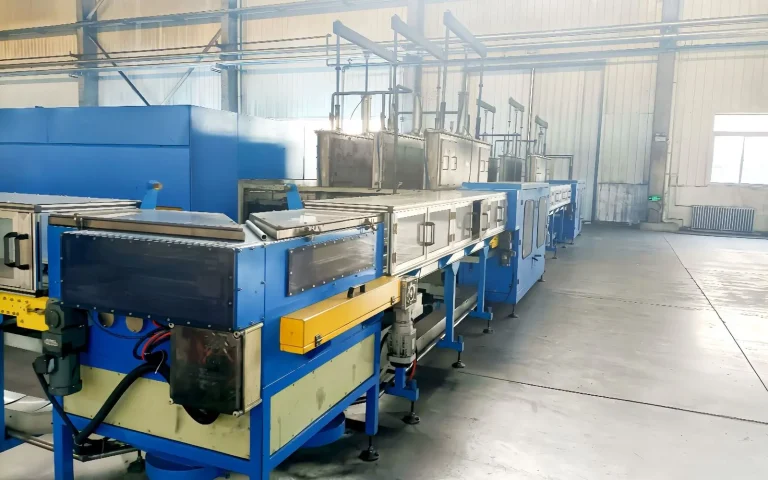
Il materiale dell'anodo in carbonio duro è il più preferito per la commercializzazione delle batterie a ioni di sodio
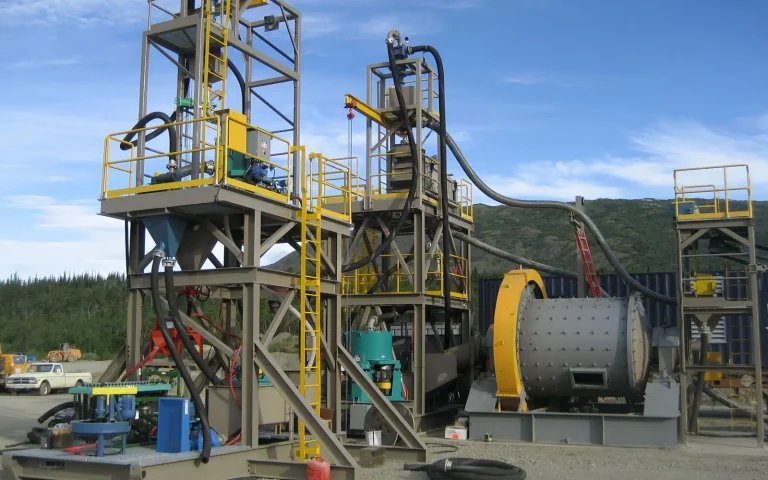
Il minerale esogeno più noto è l'oro alluvionale, noto anche come oro da placers. L'oro alluvionale si riferisce
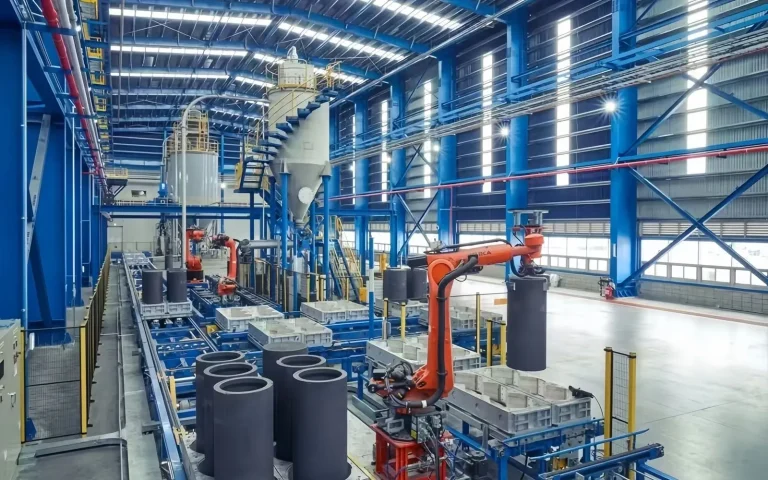
Prominer può fornire la soluzione completa per la produzione di materiali per anodi in grafite naturale, comprese le operazioni di macinazione

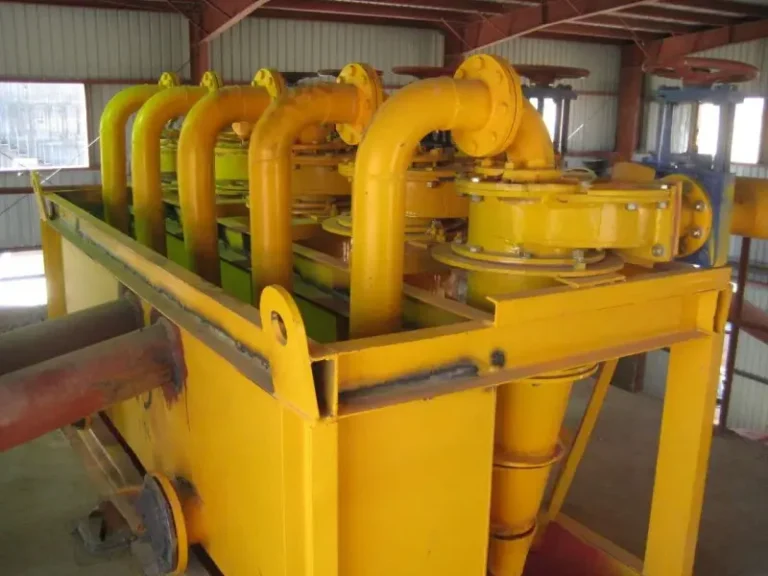
Minerale grezzo: Minerale di stagno alluvionale (cassiterite) Grado di stagno: 0,8% Grado del concentrato: 65%
Materia Prima: Roccia di quarzite (SiO₂: 97,8%) Grado fotovoltaico: SiO₂≥99,99%, Fe₂O₃≤10 ppm
Minerale Grezzo: Minerale di Molibdeno Tipo Solfuro (Principalmente Molibdenite) Grado di Mo: 0,15% Grado di Concentrato: 45% Mo
Minerale grezzo: Minerale di Wollastonite di alta qualità con Garnet e Diopside associati. Grado di alimentazione: 65-70% Wollastonite.
Obiettivo di Capacità: Aumentare la capacità di lavorazione da 500 TPD a 850 TPD in fasi senza fermare la produzione.
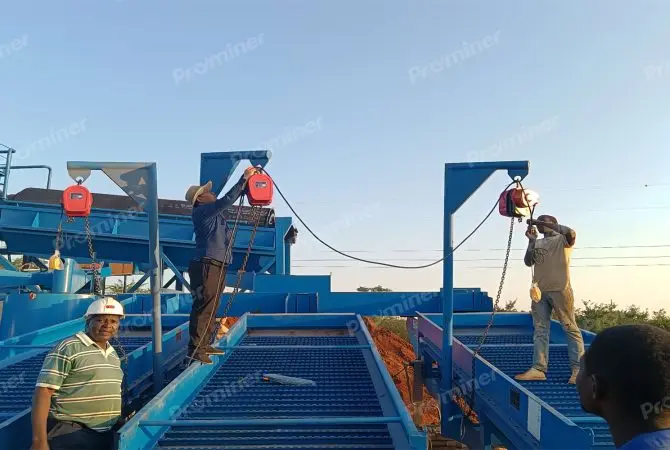
Minerale grezzo: Minerale d'oro alluvionale dal letto del fiume Grado d'oro: 0,8 g/t
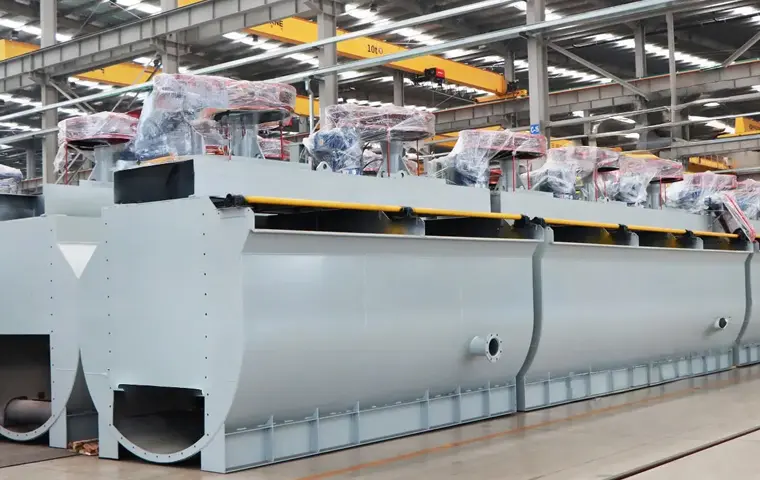
Minerale grezzo: Minerale d'oro solfuro con pirite Grado d'oro: 3,8 g/t Grado del concentrato: 42 g/t Au
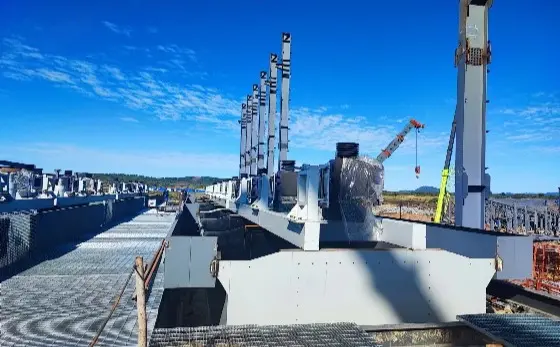
Minerale di pegmatite di litio grezzo (spodumene dominante) Grado Li₂O: 1,2% Prodotto finale: Litio di qualità batteria
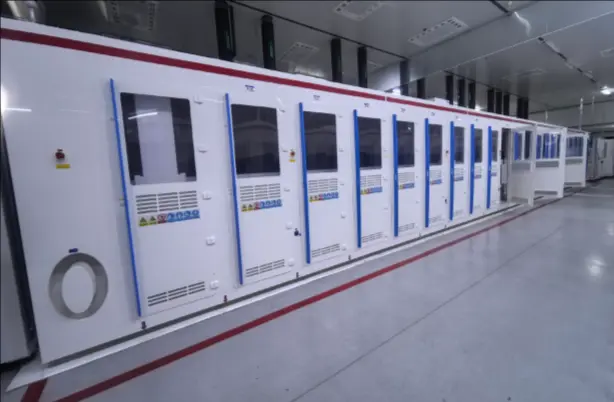
Includi: Impianto di texturizzazione monocristallino a lotto, Caricatore/scaricatore per texturizzazione a lotto, Sistema di diffusione a bassa pressione a tubo chiuso con soft landing...
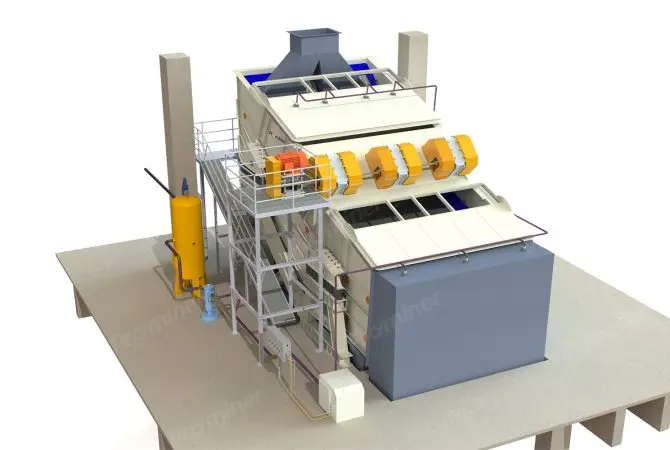
Il pannello del setaccio a flip-flow continua a espandersi e contrarsi per raggiungere tassi di accelerazione elevati
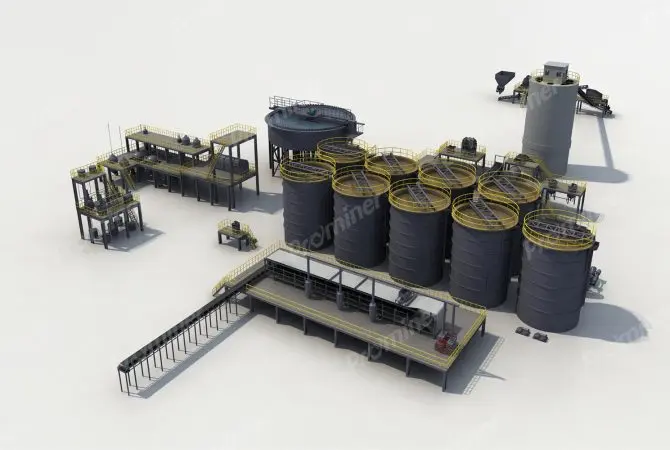
Prominer può fornire la soluzione completa per il sistema CIL (carbon in leaching)
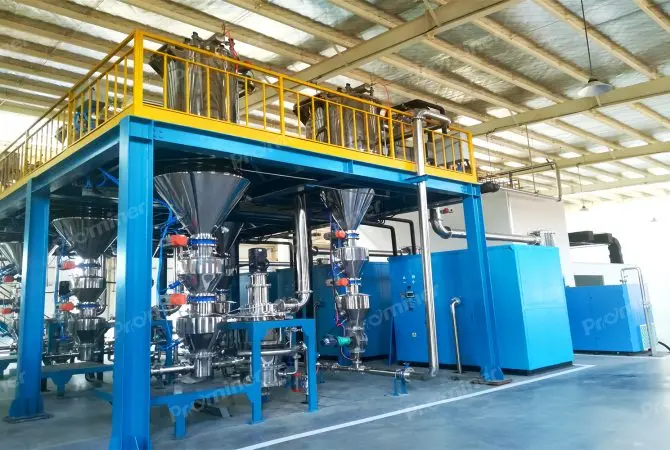
Il mulino a getto è anche chiamato mulino a getto a letto fluidizzato utilizzando più ugelli per formare un flusso d'aria a velocità sonora
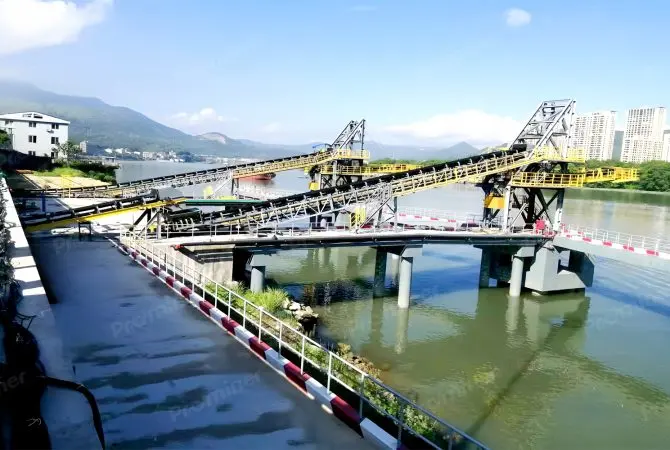
Possiamo fornire soluzioni di convogliatori a nastro per diverse applicazioni, incluso convogliatore a nastro inclinato ripido
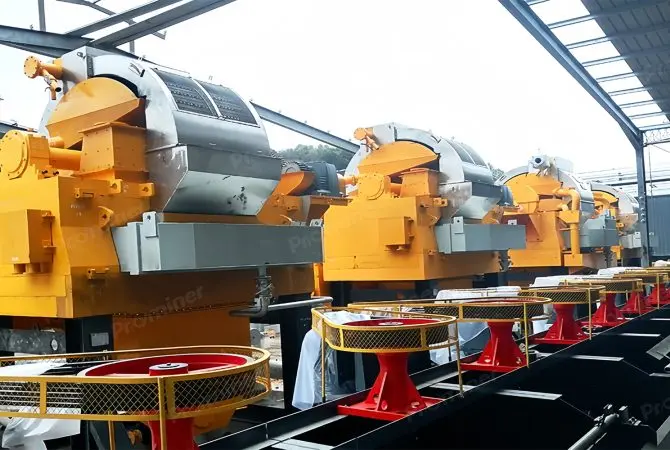
Prominer può fornire diversi separatori magnetici HIMS (separatore magnetico ad alta intensità)
Per saperne di più sui nostri prodotti e soluzioni, si prega di compilare il modulo qui sotto e uno dei nostri esperti ti ricontatterà a breve
Progetto di flottazione d'oro da 3000 TPD nella provincia di Shandong
Flottazione di minerale di litio da 2500TPD in Sichuan
Fax: (+86) 021-60870195
Indirizzo:No.2555, Via Xiupu, Pudong, Shanghai
Copyright © 2023.Prominer (Shanghai) Mining Technology Co., Ltd.


