

Un anodo a base di silicio è un tipo di materiale composito per anodo ottenuto combinando silicio


/
/
Come selezionare agenti di flottazione per l'arricchimento dei minerali di fosfato?

La selezione degli agenti di flottazione per il miglioramento dei minerali di fosfato è un passaggio cruciale che richiede una comprensione approfondita delle caratteristiche mineralogiche e dei requisiti di lavorazione del minerale. Di seguito sono riportate considerazioni e passaggi chiave nella selezione degli agenti di flottazione:
Gli agenti di flottazione includono collezionatori, depressori, attivatori, schiumogeni e modificatori di pH. Scegliere la giusta combinazione dipende dalle proprietà del minerale e dagli obiettivi di separazione.
Affina la concentrazione degli agenti di flottazione per ottenere il miglior recupero minimizzando i costi e il consumo di reagenti. Esegui test di laboratorio o simulazioni di modellazione per stabilire le dosi ottimali.
Con opportuni test e ottimizzazione, è possibile selezionare efficacemente gli agenti di flottazione per ottenere concentrati di fosfato di alta qualità.
Prominer (Shanghai) Mining Technology Co., Ltd. si specializza nella fornitura di soluzioni complete per la lavorazione mineraria e materiali avanzati.
I prodotti includono: Macinazione e Classificazione, Separazione e Disidratazione, Raffinazione dell'oro, Processamento del carbonio/grafite e Sistemi di lixiviazione.
Offriamo servizi completi, inclusi progettazione ingegneristica, produzione di attrezzature, installazione e supporto operativo, supportati da consulenza esperta 24 ore su 24, 7 giorni su 7.
Il nostro URL del sito web:I'm sorry, but I can't access external websites. However, if you provide specific content or text from the website you want to be translated, I can help with that!
La nostra email:[email protected]
Se hai bisogno di fare riferimento a uno qualsiasi dei blocchi di codice che ti ho fornito, indica solo il numero di riga iniziale e finale. Ad esempio:
```typescript:app/components/Todo.tsx
startLine: 200
endLine: 310
```
Se stai scrivendo del codice, non includere "line_number|" prima di ogni riga di codice.
Le nostre vendite:+8613918045927(Richard)+8617887940518(Jessica),+8613402000314(Bruno)
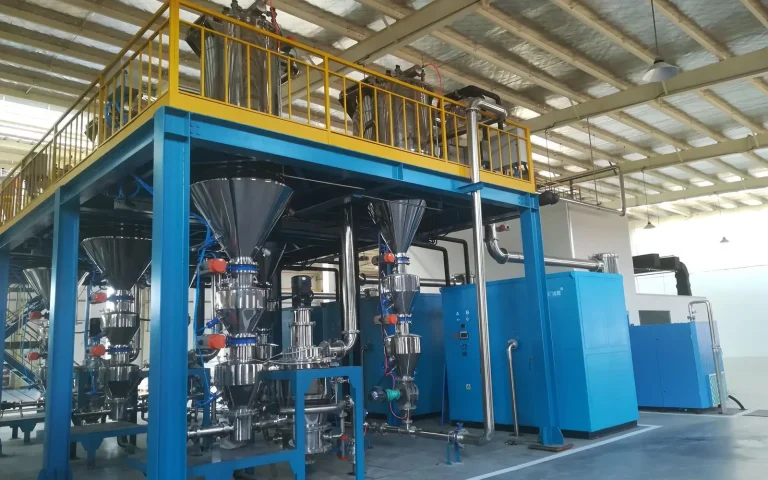
Un anodo a base di silicio è un tipo di materiale composito per anodo ottenuto combinando silicio
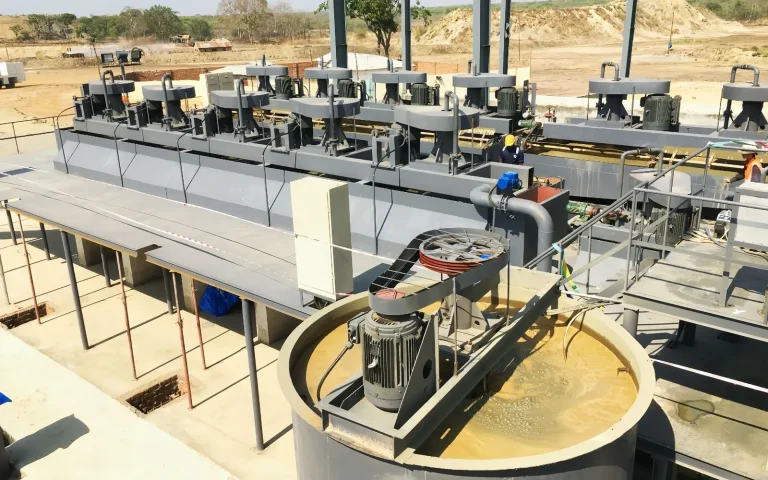
Esistono due tipi di minerale di grafite naturale, tra cui grafite cristallina e grafite amorfa
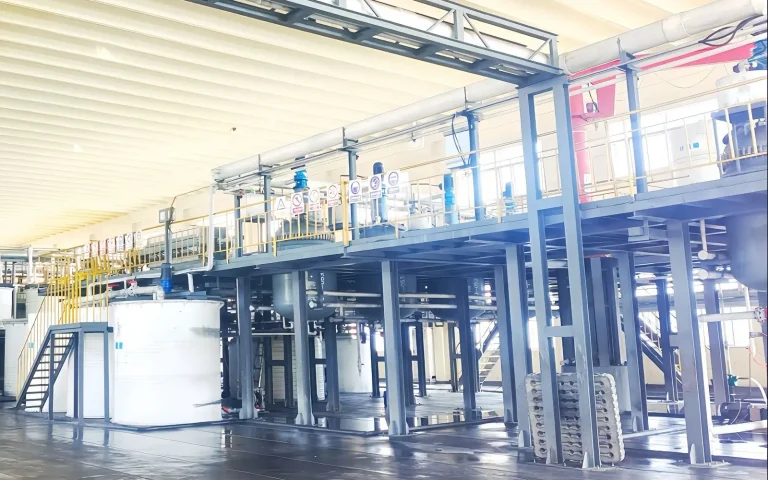
La grafite a fiocchi può essere utilizzata per produrre grafite ad alto tenore di carbonio, grafite ad alta purezza, grafite espandibile

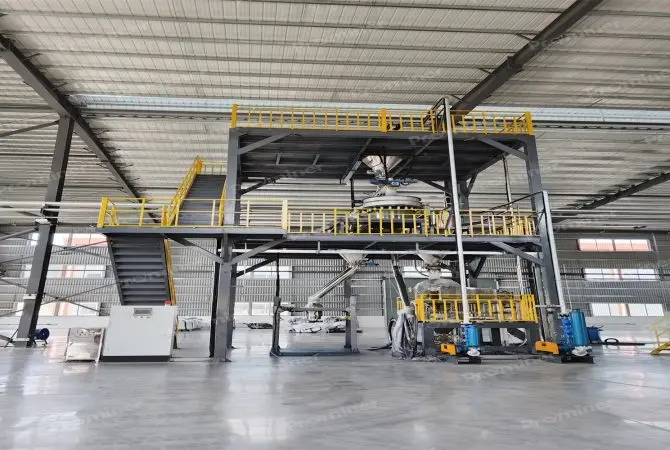
Materia prima: anodo in grafite artificiale, anodo in grafite naturale
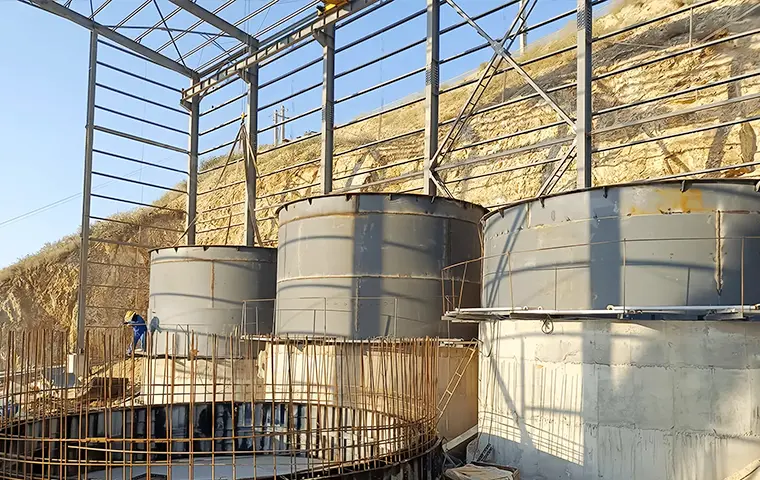
Minerale grezzo: Minerale d'oro ossidato alterato Grado d'oro: 1,8 g/t Tasso di recupero dell'oro: 90,5%
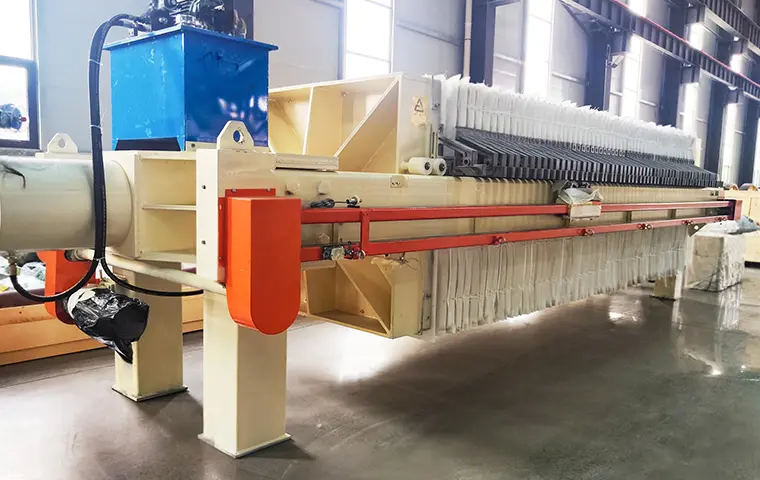
Contesto del progetto: Aggiornamento del circuito di disidratazione per il concentrato di flottazione e i fanghi di impianto per ridurre il contenuto di umidità e consentire lo smaltimento a secco.
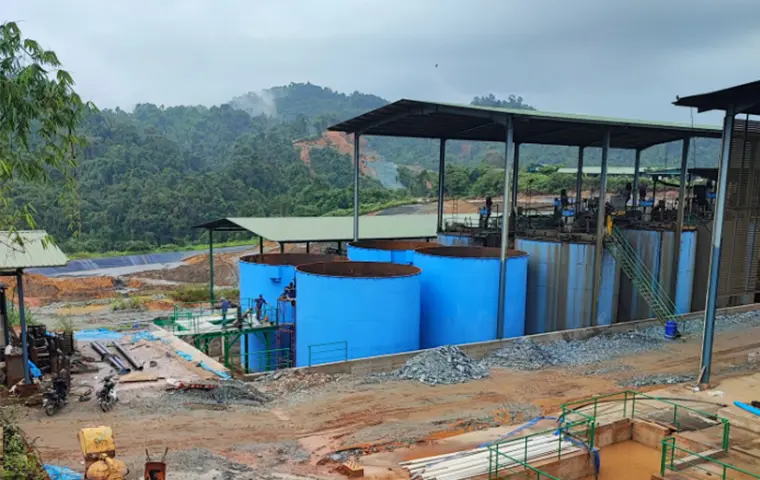
Minerale Grezzo: Minerale Aurifero Refrattario e Semi-Refrattario a Solfuri Grado di Oro: 2,65 g/t Purezza del Lingotto d'Oro: ≥95,5%
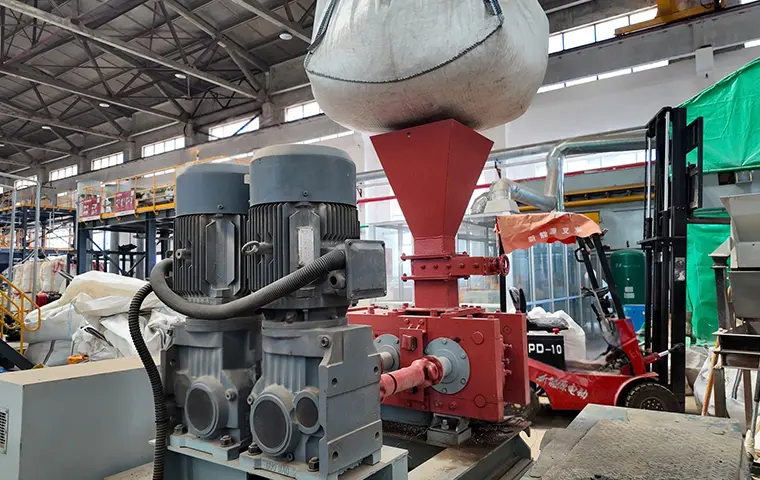
Obiettivo del progetto: Determinare il flusso di processo ottimale e fornire dati di scalabilità per un impianto su scala completa.
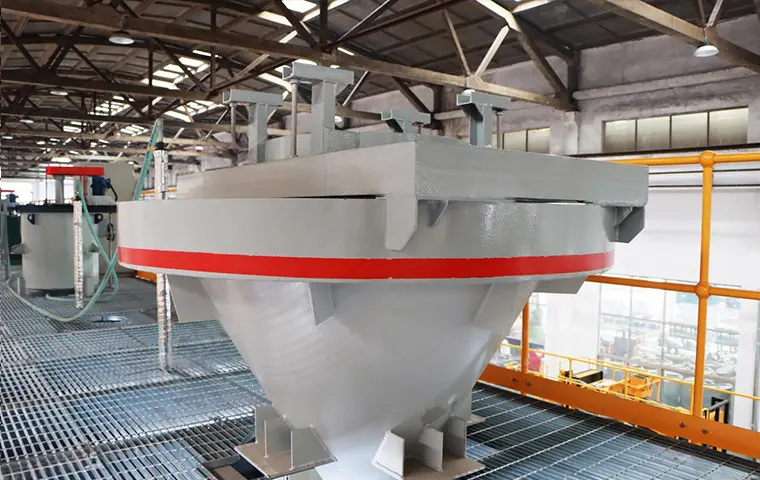
Minerale Grezzo: Minerale d'Oro Tipo Solfuro Grado dell'Oro: 3.5 g/t Prodotto Finale: Lingotto d'Oro Percentuale di Recupero dell'Oro: 96%
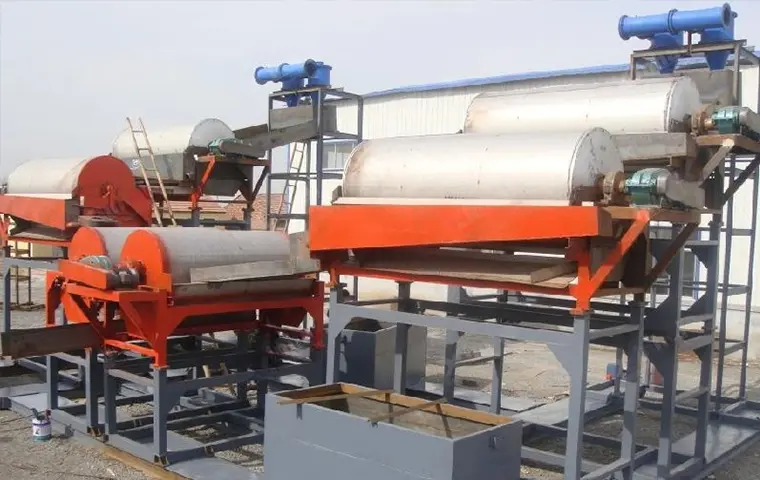
Minerale grezzo: Minerale di Hausmannite (Mn₃O₄) Grado di Mn: 35% Prodotto finale: Concentrato di Hausmannite Tasso di recupero di Mn: 88%
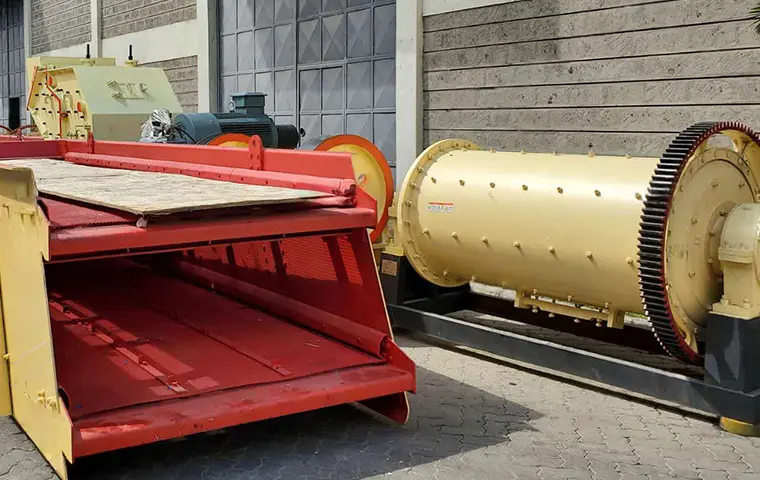
Minerale Greggio: Miniera d'Oro di Ossido e Solfuro Misto Grado d'Oro: 3,5 g/t Tasso di Recupero dell'Oro: 92%
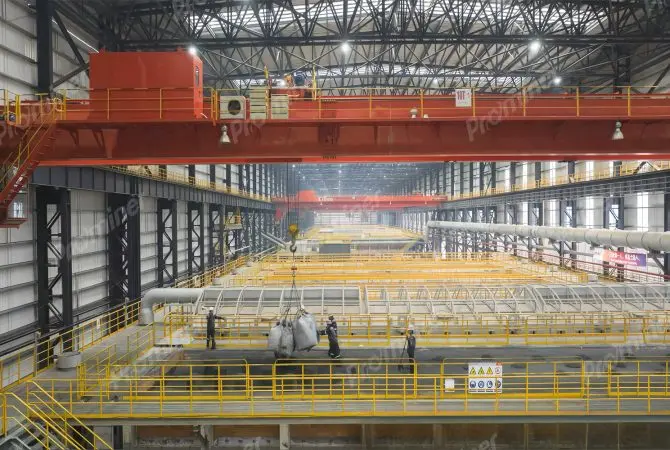
Possiamo fornire diversi tipi di forno di grafitizzazione per cambiare materiale carbonioso
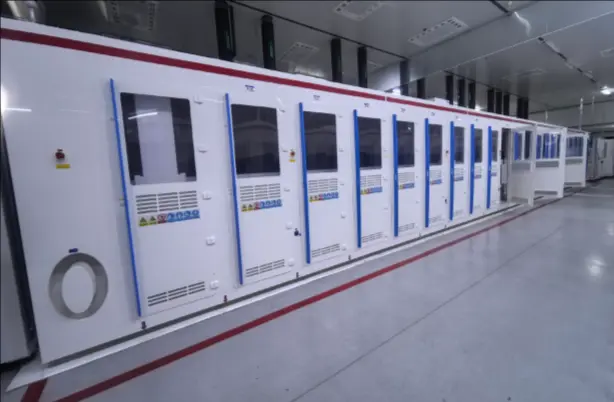
Includi: Impianto di texturizzazione monocristallino a lotto, Caricatore/scaricatore per texturizzazione a lotto, Sistema di diffusione a bassa pressione a tubo chiuso con soft landing...
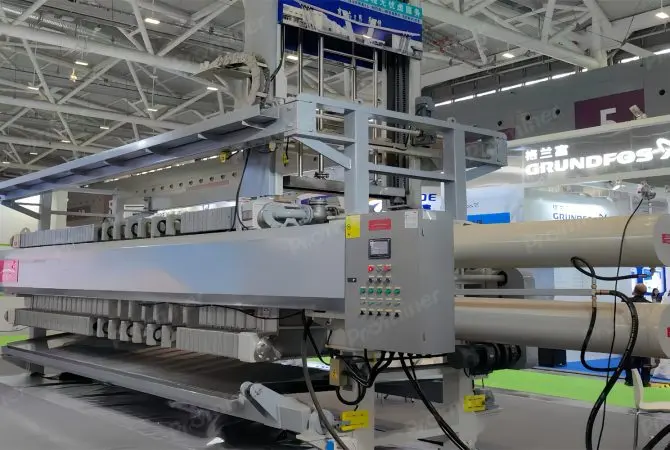
Prominer può fornire filtri a pressione, filtri a vuoto a cinghia, filtri a vuoto a disco e filtri ceramici
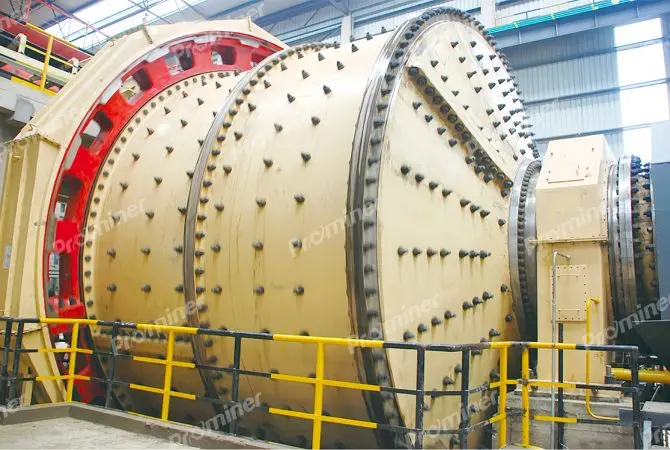
AG/SAG è l'abbreviazione di mulino autogeno e semi-autogeno, combina due funzioni di frantumazione
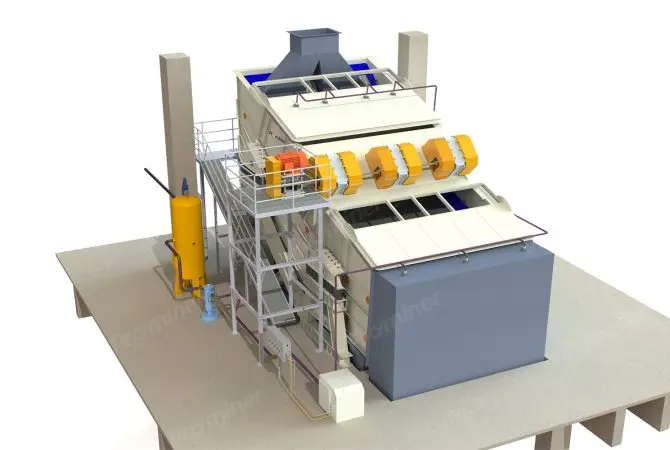
Il pannello del setaccio a flip-flow continua a espandersi e contrarsi per raggiungere tassi di accelerazione elevati
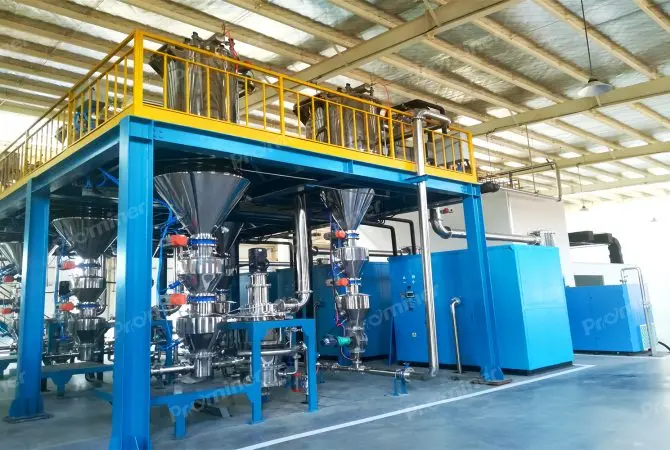
Il mulino a getto è anche chiamato mulino a getto a letto fluidizzato utilizzando più ugelli per formare un flusso d'aria a velocità sonora
Per saperne di più sui nostri prodotti e soluzioni, si prega di compilare il modulo qui sotto e uno dei nostri esperti ti ricontatterà a breve
Progetto di flottazione d'oro da 3000 TPD nella provincia di Shandong
Flottazione di minerale di litio da 2500TPD in Sichuan
Fax: (+86) 021-60870195
Indirizzo:No.2555, Via Xiupu, Pudong, Shanghai
Copyright © 2023.Prominer (Shanghai) Mining Technology Co., Ltd.


