

Il minerale esogeno più noto è l'oro alluvionale, noto anche come oro da placers. L'oro alluvionale si riferisce




Selecting the most profitable technology for processing different types of gold ores is a complex decision that requires thorough evaluation of geological, metallurgical, environmental, and economic factors. The profitability of gold extraction and processing technologies depends on the ore type, mineralogy, grade, infrastructure, and market dynamics. Here are some steps to guide this selection process:
The most profitable technology for gold ore processing depends on an integrated assessment of ore type, recovery rates, costs, and market conditions. Collaborate with experienced metallurgists, geologists, engineers, and environmental experts to make an informed decision. Ultimately, piloting and testing are essential before committing to full-scale implementation.
A: Le caratteristiche minerali variano significativamente anche all'interno della stessa massa mineraria. Un test professionale (come analisi chimica, XRD e SEM) assicura che il diagramma di flusso sia ottimizzato per il tuo specifico grado di minerale e dimensione di liberazione. Questo previene incompatibilità costose delle attrezzature e garantisce i tassi di recupero più elevati possibili per il tuo progetto.
A: Manteniamo un magazzino permanente di componenti di usura essenziali (come rivestimenti per frantoi, griglie e materiale per macinazione). Per i clienti internazionali, forniamo un elenco di “pezzi di ricambio raccomandati per 2 anni” con l'acquisto iniziale. Il supporto tecnico è disponibile 24 ore su 24, 7 giorni su 7 tramite video remoto, e possono essere organizzate visite in loco per esigenze di manutenzione complesse.
A: Sì. Inviamo un team di ingegneri meccanici ed elettrici senior sul posto per supervisionare l'installazione, la messa in servizio e il collaudo del carico dell'attrezzatura. Forniamo anche una formazione completa sul campo per i vostri operatori locali per garantire un funzionamento regolare a lungo termine.
A: Assolutamente. Siamo specializzati nella fornitura di servizi EPCM (Ingegneria, Approvvigionamento, Gestione della Costruzione). Questo include tutto, dalla prima analisi del minerale e progettazione della miniera, alla produzione di attrezzature, logistica e integrazione dell'impianto su larga scala, garantendo una transizione senza soluzione di continuità da campo verde alla produzione.
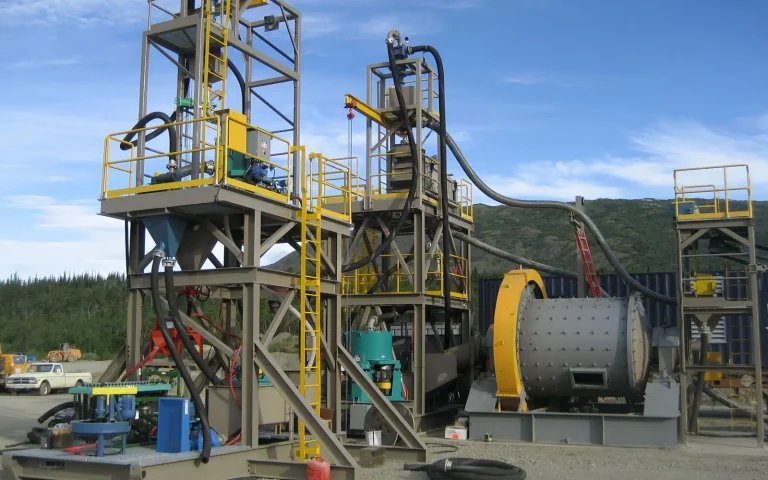
Il minerale esogeno più noto è l'oro alluvionale, noto anche come oro da placers. L'oro alluvionale si riferisce
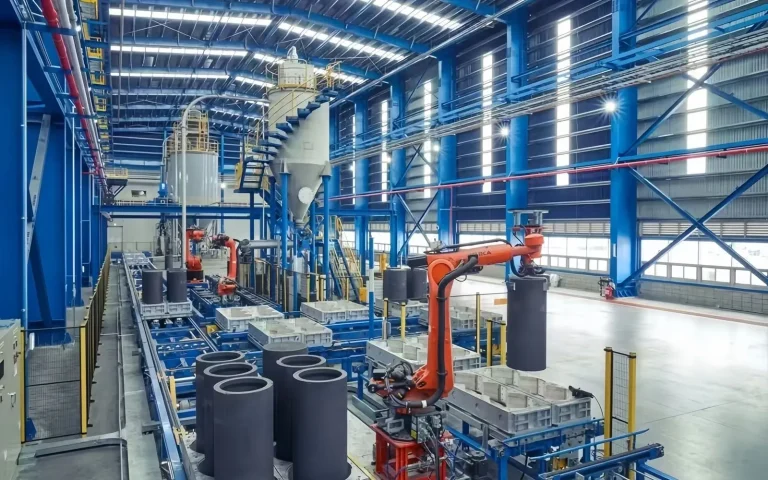
Fornire la soluzione completa per la fabbricazione di materiali anodici di grafite, inclusi macinazione, formatura, purificazione...
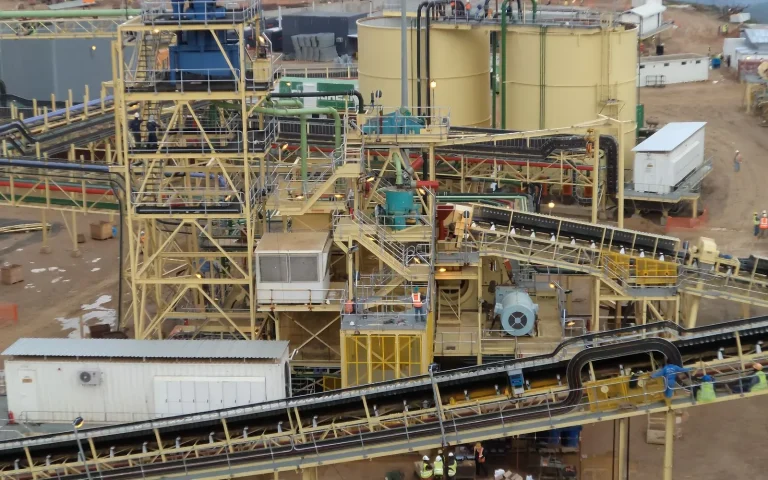
Fornire attrezzature importanti nel processo di lavorazione dell'oro, come il sistema CIL/CIP, la cella di flottazione...

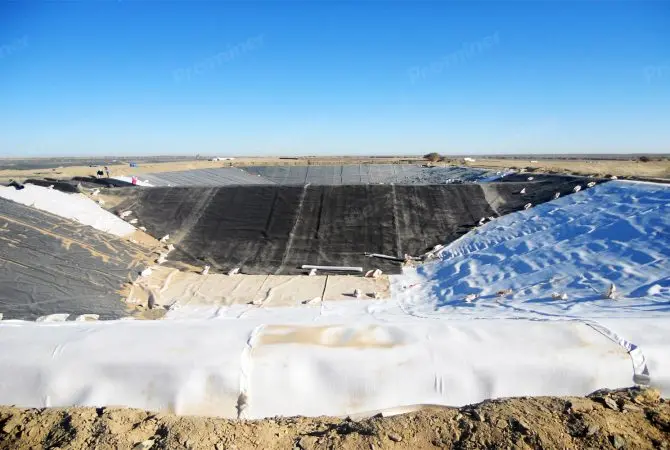
Minerale grezzo: minerale d'oro tipo ossido Grado d'oro: 1,8 g/t
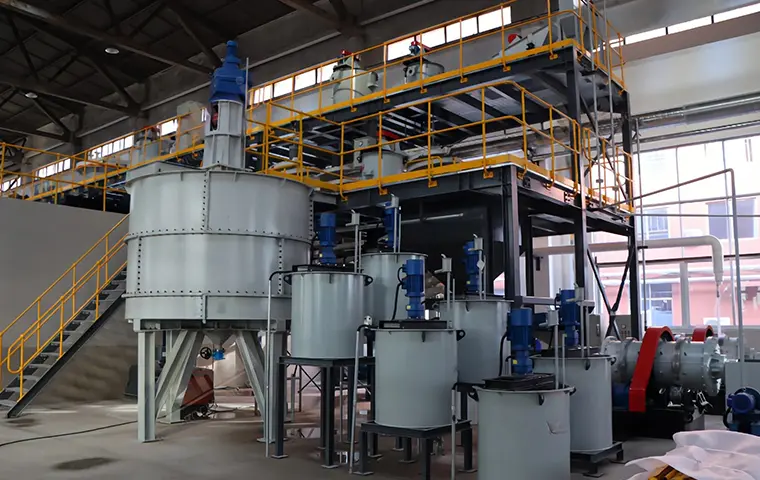
Contesto del progetto: Espansione e aggiornamento tecnologico di un impianto di flottazione esistente
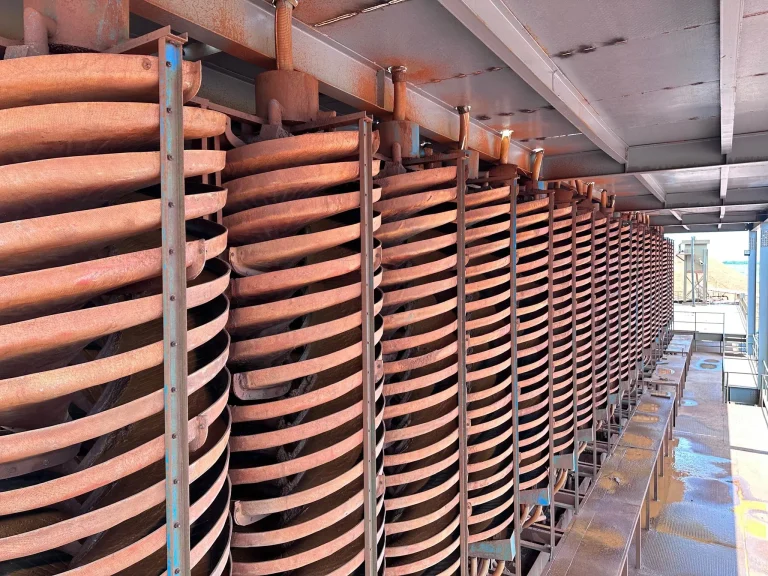
Minerale grezzo: sabbia di titanio zirconio TiO₂ Grado: 4,5% ZrO₂ Grado: 3,2%
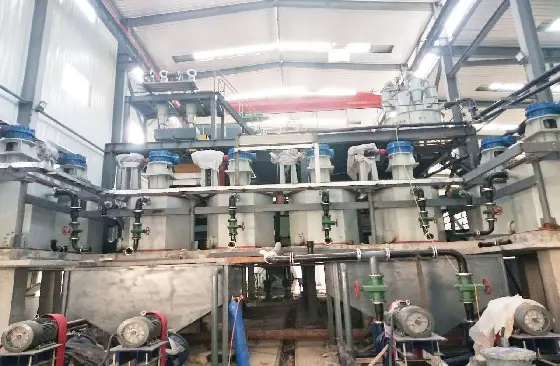
Materia Prima: Roccia di quarzite (SiO₂: 97,8%) Grado fotovoltaico: SiO₂≥99,99%, Fe₂O₃≤10 ppm
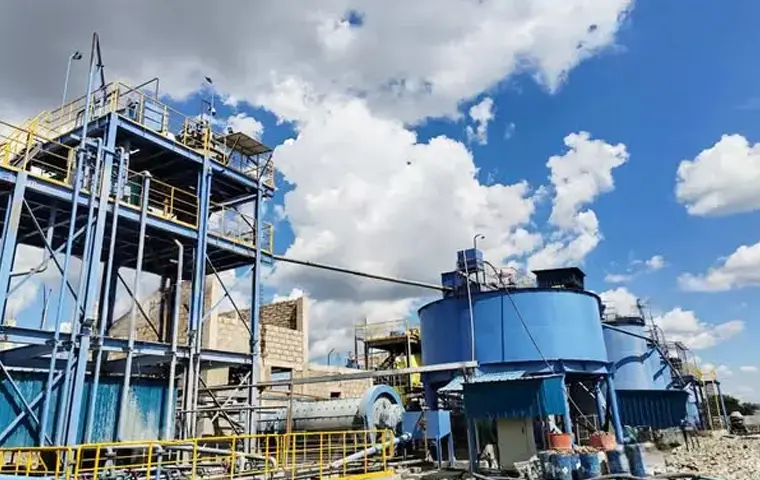
Minerale grezzo: Minerale di rame-oro Grado di rame: 1,2% Grado d'oro: 1,5 g/t Tasso di recupero: Rame 89%, Oro 88%
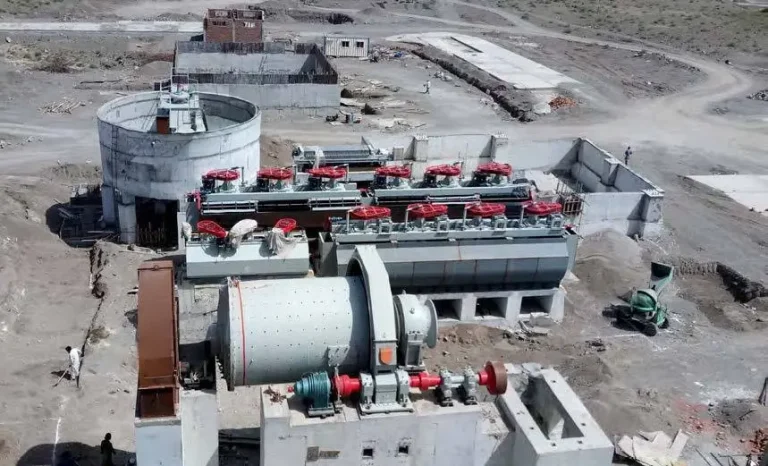
Minerale grezzo: Minerale di rame ossido-solfuro misto (calcocita/malachite) Grado di rame: 1,2% | Argento: 15 g/t
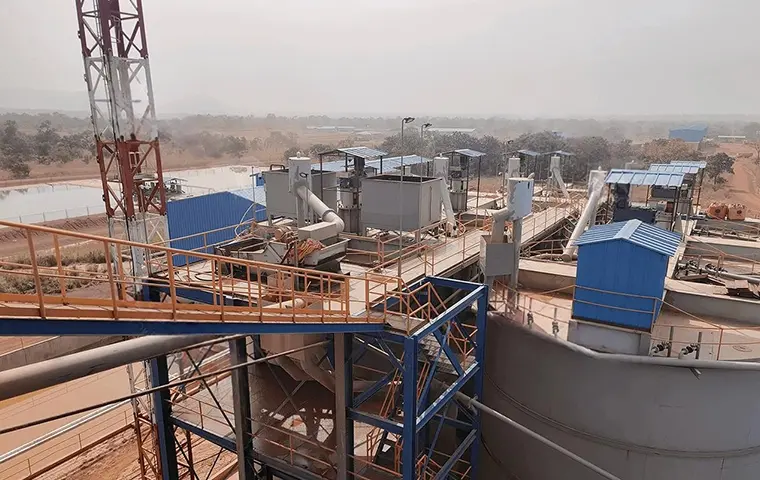
Minerale grezzo: Minerale di rame solfuroso (con minor contenuto di pirite) Tenore di rame: 1,2% Tenore di concentrato: 25% Cu

Materia Prima: Scarti della pianta d'oro esistente (All-slime) Grado d'Oro negli Scarti: 1.2 g/t Prodotto Finale: Lingotto d'Oro
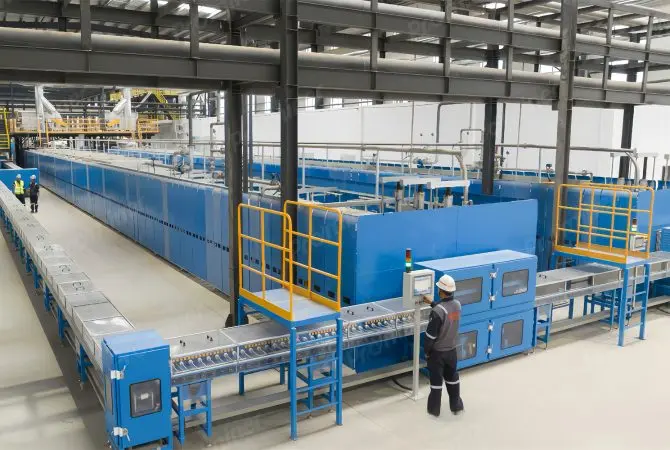
Possiamo fornire la soluzione completa per il sistema di trattamento ad alta temperatura per carbonizzazione
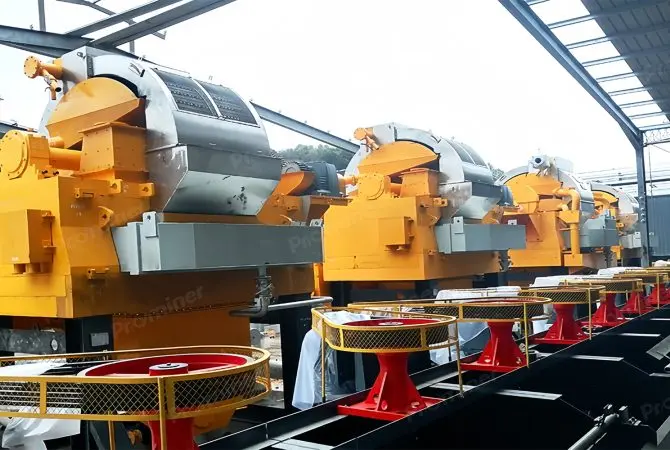
Prominer può fornire diversi separatori magnetici HIMS (separatore magnetico ad alta intensità)
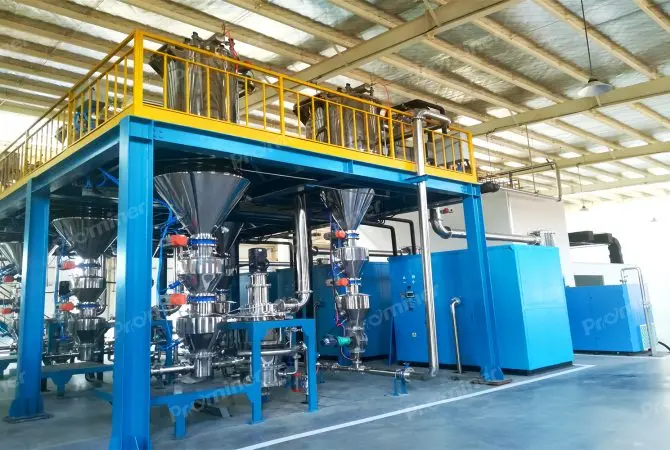
Il mulino a getto è anche chiamato mulino a getto a letto fluidizzato utilizzando più ugelli per formare un flusso d'aria a velocità sonora
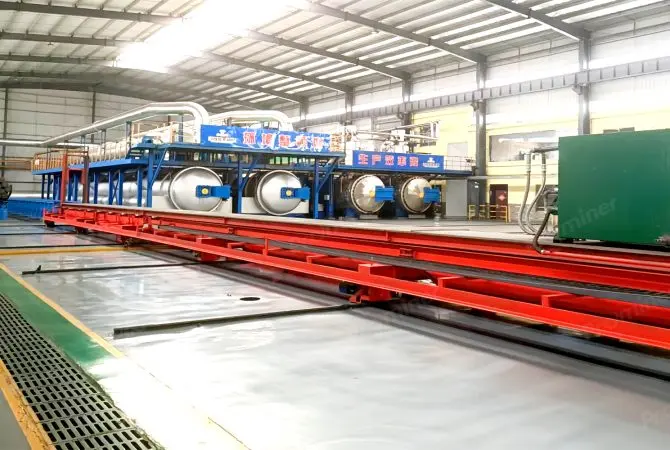
Possiamo fornire un'impregnazione ad alta pressione di tipo hot-in e cold-out della grafite una volta cotta
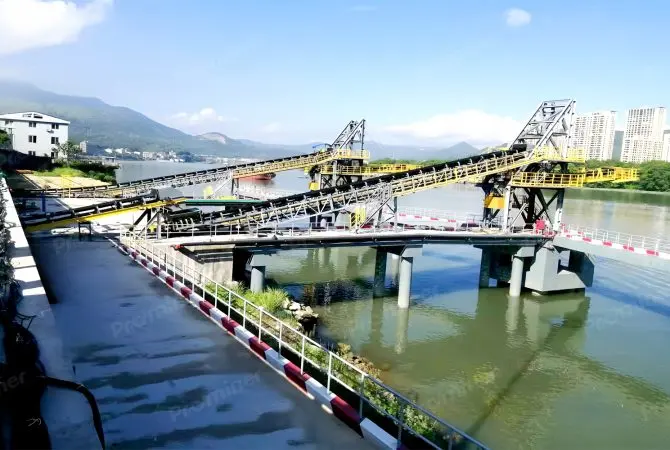
Possiamo fornire soluzioni di convogliatori a nastro per diverse applicazioni, incluso convogliatore a nastro inclinato ripido
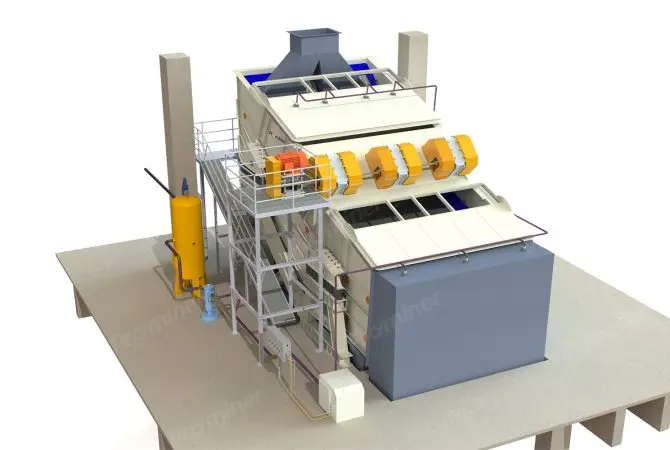
Il pannello del setaccio a flip-flow continua a espandersi e contrarsi per raggiungere tassi di accelerazione elevati
Per saperne di più sui nostri prodotti e soluzioni, si prega di compilare il modulo qui sotto e uno dei nostri esperti ti ricontatterà a breve
Progetto di flottazione d'oro da 3000 TPD nella provincia di Shandong
Flottazione di minerale di litio da 2500TPD in Sichuan
Fax: (+86) 021-60870195
Indirizzo:No.2555, Via Xiupu, Pudong, Shanghai
Copyright © 2023.Prominer (Shanghai) Mining Technology Co., Ltd.


