

Il processo Gold CIL (carbono in lisciviazione) è un modo molto popolare per lavorare il minerale d'oro di alta qualità


/
/
Quali sono i metodi di flottazione convenzionali per il minerale di ossido di rame?


I minerali di ossido di rame sono una fonte importante di rame, soprattutto poiché le riserve di solfuro ad alta gradazione continuano a diminuire. Tuttavia, a differenza dei minerali di solfuro di rame, i minerali di ossido di rame mostrano una scarsa flottabilità naturale. Di conseguenza, sono state sviluppate tecniche di flottazione specializzate per recuperare efficacemente il rame dagli minerali di ossido. Di seguito sono riportati i metodi di flottazione convenzionali comunemente utilizzati nell'industria.
Il metodo di flottazione diretta è uno dei metodi più semplici per lavorare concentrati di ossidi di rame. In questo metodo, i collettori vengono aggiunti direttamente alla sospensione per adsorbirsi selettivamente sulle superfici dei minerali di ossido di rame, rendendoli idrofobi e adatti alla flottazione.
I raccoglitori più comunemente usati includono:
Gli acidi idrossammici sono particolarmente efficaci perché mostrano una forte capacità chelante con gli ioni di rame sulle superfici minerali, risultando in una migliore selettività e tassi di recupero.
Tuttavia, la flottazione diretta è generalmente più adatta per矿la con composizioni mineralogiche relativamente semplici. Per minerali complessi, la selettività può essere scarsa e il consumo di reagenti può essere elevato.
La flottazione a solfurettizzazione è il metodo più ampiamente utilizzato per le mineralizzazioni di ossidi di rame. Poiché i minerali di ossido non rispondono bene ai collettori di solfuro tradizionali, vengono prima trattati con un agente di solfurettizzazione per formare un sottile film di solfuro sulla superficie del minerale.
Gli agenti solfureizzanti comuni includono:
Dopo la sulfidizzazione, vengono aggiunti raccolti convenzionali di solfuri come gli xantati. Questi raccolti adsorbono facilmente sullo strato di solfuro appena formato, consentendo ai minerali di galleggiare in modo efficace.
Questo metodo è particolarmente adatto per minerali come malachite, azurite e cianite. Il controllo accurato delle condizioni di solfidizzazione—come il dosaggio dei reagenti, il pH e il tempo di condizionamento—è fondamentale per ottenere prestazioni di flottazione ottimali.
La flottazione degli acidi grassi si basa sull'interazione chimica tra i collettori di acidi grassi e le superfici minerali di ossido di rame. Questo metodo è comunemente applicato a minerali di ossido di rame di tipo carbonate, come la malachite e l'azurite.
I tipici raccoglitori di acidi grassi includono:
Il processo di flottazione si svolge generalmente in ambiente alcalino per aumentare l'assorbimento del collettore e migliorare la selettività.
Sebbene questo metodo possa ottenere buoni tassi di recupero, potrebbe soffrire di scarsa selettività quando sono presenti minerali gangue come calcite o dolomite, poiché anche questi minerali possono reagire con gli acidi grassi.
I raccoglitori chelanti, come gli acidi idrossammici, formano complessi stabili con gli ioni di rame sulle superfici dei minerali ossidici. Questa forte interazione chimica migliora significativamente l'efficienza della flottazione.
Vantaggi della flottazione con agenti chelanti includono:
A causa del loro costo più elevato, gli agenti chelanti vengono spesso utilizzati in combinazione con altri collection agents per ottimizzare sia il recupero sia le prestazioni economiche.
Nella pratica, i minerali di ossido di rame spesso contengono sia minerali di ossido che di solfuro, così come vari minerali gangue. Pertanto, vengono frequentemente adottati metodi di flottazione combinati.
Gli approcci combinati comuni includono:
Questi metodi integrati migliorano il recupero e la qualità sfruttando i punti di forza di diversi reagenti e condizioni di processo. L'ottimizzazione del processo di solito comporta la regolazione del pH, del dosaggio dei reagenti e delle fasi di flottazione (preparazione, scovaggio e pulizia).
I metodi convenzionali di flottazione per il minerale di ossido di rame includono la flottazione diretta, la flottazione tramite sulfidizzazione, la flottazione con acidi grassi, la flottazione con chelanti e diversi processi combinati. Tra questi, la flottazione tramite sulfidizzazione rimane la più utilizzata per la sua efficacia e adattabilità.
La scelta di un metodo di flottazione adeguato dipende da fattori come la composizione mineraria, il grado di ossidazione, i minerali gangnici associati e considerazioni economiche. Test di laboratorio accurati e l'ottimizzazione del processo sono fondamentali per ottenere un'efficienza elevata nel recupero del rame dalle orefici di ossido.
A: Per le risorse di grafite, una soluzione completa dovrebbe coprire sia la flottazione della grafite naturale che la lavorazione profonda. Il molino a sfere e il sistema di cicloni sono la fase di macinazione di base. Per la produzione di materiali anodici avanzati, il moinho di modellatura è essenziale per migliorare la densità di carico e ridurre l'area superficiale specifica. Inoltre, il sistema di rivestimento Prominer, che combina funzioni di rivestimento e granulazione, è un passaggio chiave nella lavorazione di materiali anodici ad alto profitto.
A: La selezione del processo dipende completamente dalle caratteristiche del minerale. Il processo Gold CIL/CIP è un metodo molto popolare ed efficace per trattare minerali di oro ossidati ad alta gradazione. Per molti altri progetti auriferi, la flottazione rimane il metodo di lavorazione più diffuso. Per i proprietari che desiderano risparmiare sugli investimenti iniziali, il tusso in barile o l'estrazione a pila sono opzioni flessibili ed economiche. Si consiglia di iniziare con un test di laboratorio e pilota per determinare il flusso di processo più efficiente e scientifico.
A: La separazione magnetica è fondamentale per il miglioramento dei minerali. Forniamo separatori magnetici sia HIMS (Alta Intensità) sia LIMS (Bassa Intensità) per gestire diverse proprietà magnetiche dei minerali. In un progetto di impianto ottimizzato, questa tecnologia viene integrata con un sistema di frantumazione ad alte prestazioni—utilizzando frantoi a cilindro singolo o multi-cilindro a cono idraulici—e con un sistema di macinazione. Ciò garantisce che la roccia di scarto sia eliminata tempestivamente, migliorando significativamente la produttività e risparmiando energia.
A: La progettazione di un impianto di successo richiede un servizio EPC (Ingegneria, Approvvigionamento e Costruzione) completo. Le considerazioni chiave includono la progettazione ingegneristica (sondaggi del sito, linee guida per il campionamento e disegni PFD) e la personalizzazione delle attrezzature per garantire che le macchine siano adatte alle caratteristiche specifiche del minerale. Ad esempio, Prominer può personalizzare schermi lineari fino a 5,1 m di larghezza per la calibrazione e la disidratazione su larga scala. Infine, i servizi professionali in loco, tra cui la supervisione dei lavori civili e la messa in funzione, sono fondamentali per un funzionamento stabile a lungo termine.
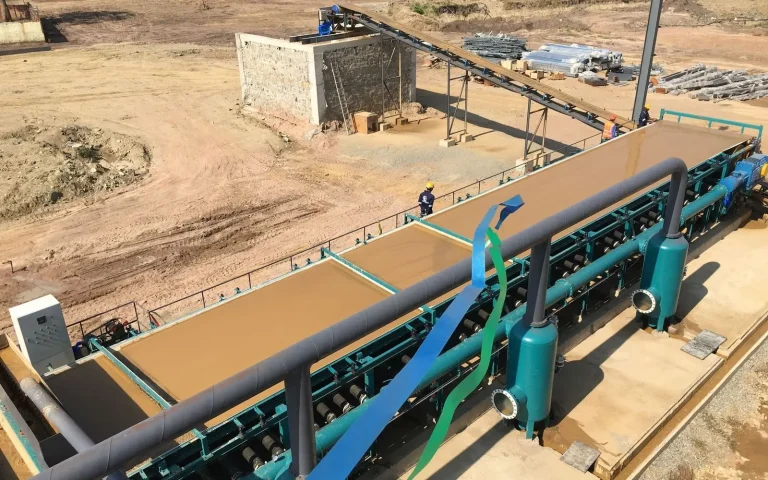
Il processo Gold CIL (carbono in lisciviazione) è un modo molto popolare per lavorare il minerale d'oro di alta qualità
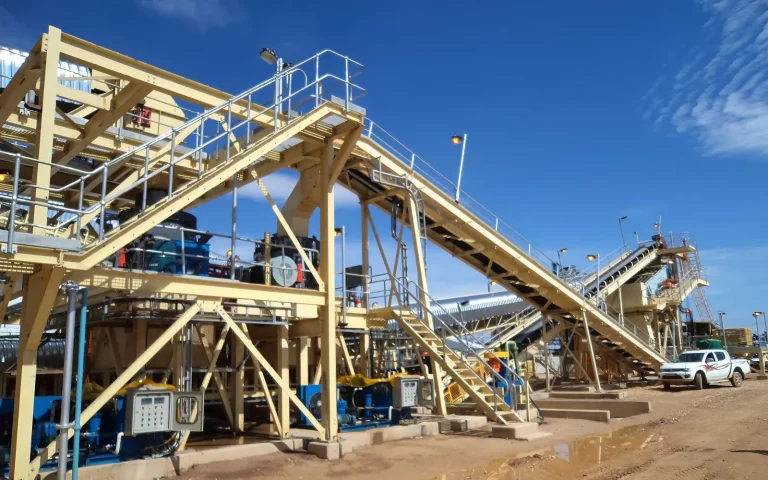
La lisciviazione in vat è una buona opzione per il proprietario del progetto per iniziare nella fase iniziale per risparmiare investimenti
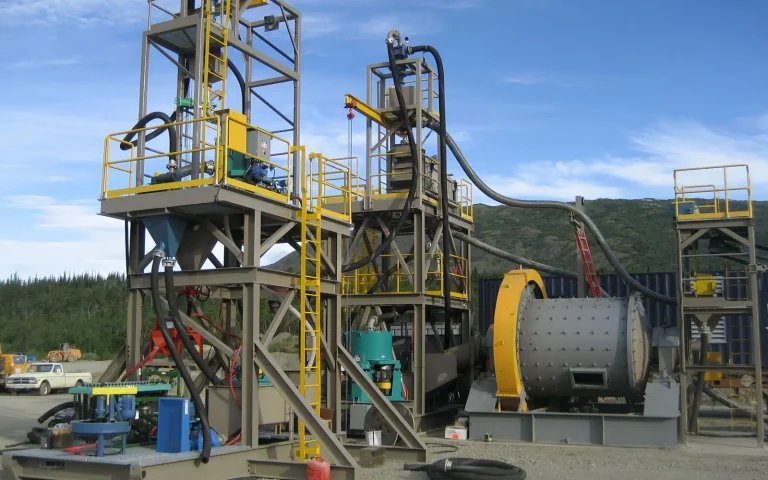
Il minerale esogeno più noto è l'oro alluvionale, noto anche come oro da placers. L'oro alluvionale si riferisce

Minerale Grezzo: Minerale di Solfuro Polimetallico d'Argento (contenente Ag, Pb, Zn) Grado d'Argento: 180 g/t Grado di Piombo: 4,2% Grado di Zinco: 5,8%
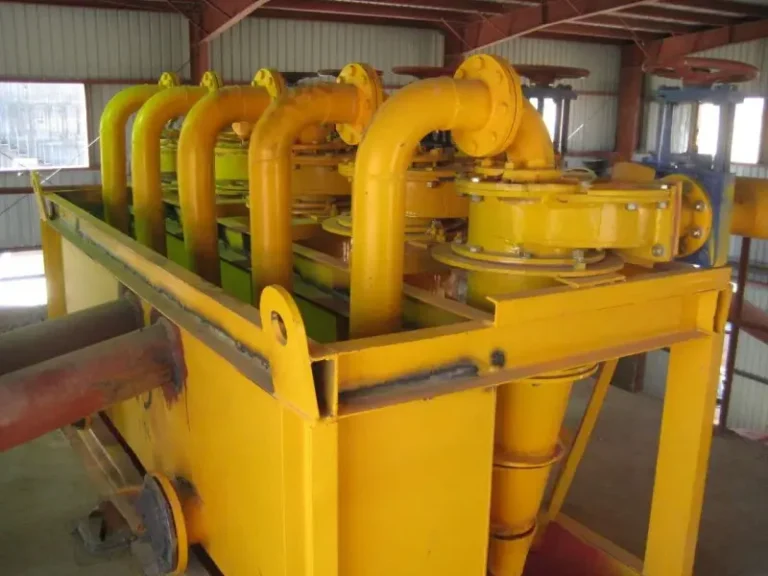
Minerale grezzo: Minerale di stagno alluvionale (cassiterite) Grado di stagno: 0,8% Grado del concentrato: 65%
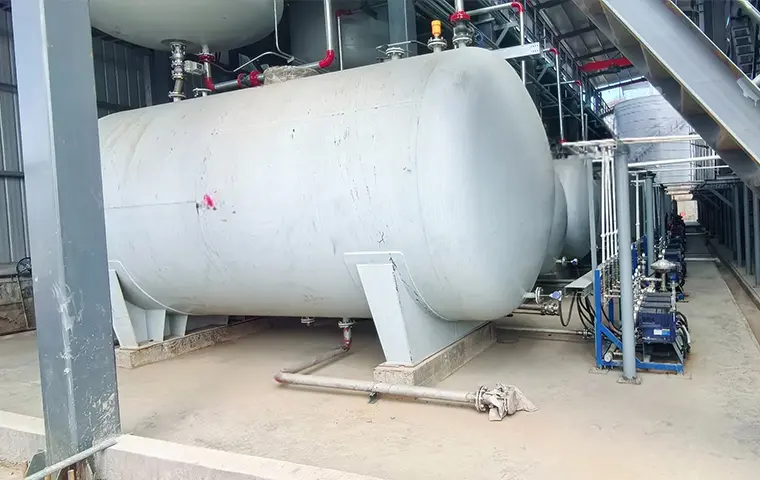
Minerale grezzo: Oroe di Spodumene Litio Grado Li2O: 1,5% Grado del concentrato: 6,0%
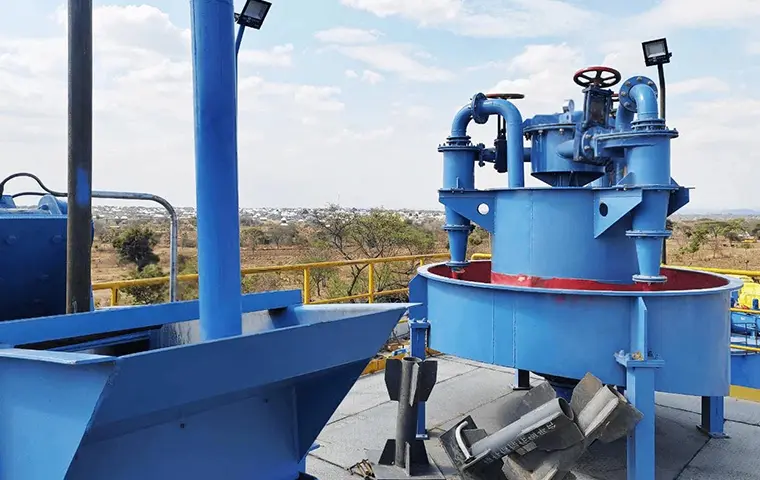
Obiettivo di Capacità: Aumentare la capacità di lavorazione da 500 TPD a 850 TPD in fasi senza fermare la produzione.
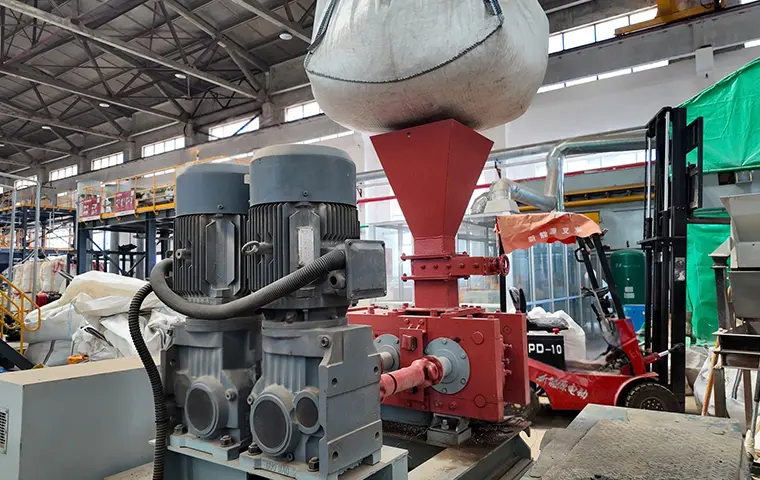
Obiettivo del progetto: Determinare il flusso di processo ottimale e fornire dati di scalabilità per un impianto su scala completa.
Minerale Grezzo: Minerale d'Oro Rame Tipo Solfuro Grado d'Oro: 4 g/t
Materia prima: scorie di carbonio dalla produzione di alluminio Grade di alimentazione: contenuto di criolite 15–20% Prodotto finale: criolite riciclata (purezza ≥ 92%)
Minerale grezzo: Minerale d'oro con alto contenuto di arseniato Grado d'oro: 3,5 g/t Contenuto di arseniato: 2,1%
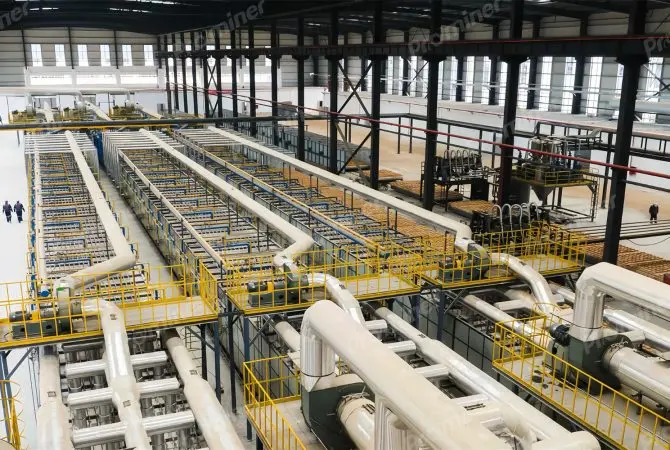
Prominer fornisce vari tipi di forni per la cottura primaria e secondaria del carbonio
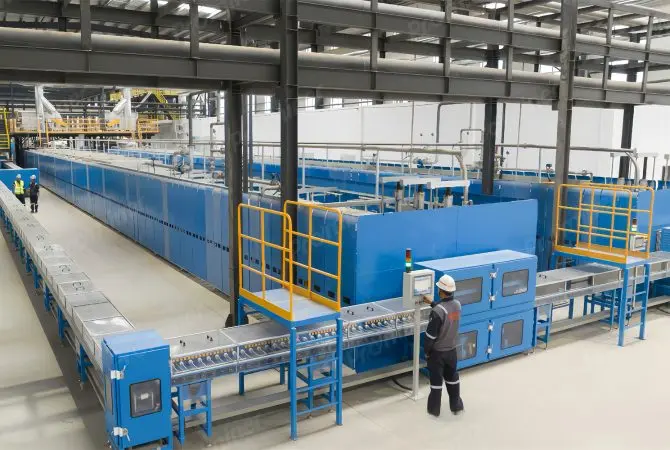
Possiamo fornire la soluzione completa per il sistema di trattamento ad alta temperatura per carbonizzazione
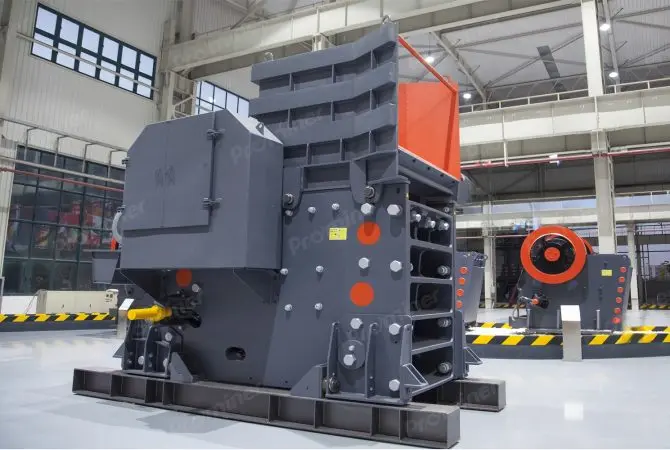
Il frantoio a ghettone, la cui dimensione di apertura determina la sua dimensione massima di carico. La camera di triturazione di un frantoio a ghettone
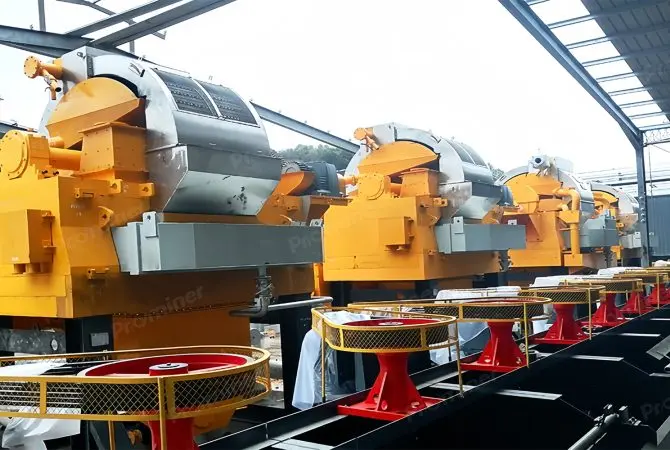
Prominer può fornire diversi separatori magnetici HIMS (separatore magnetico ad alta intensità)
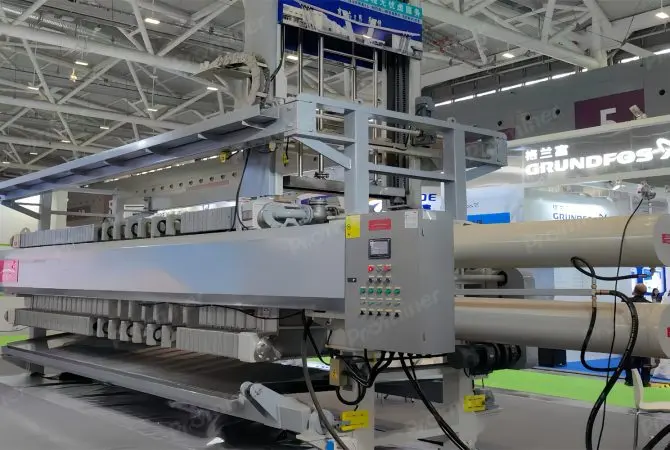
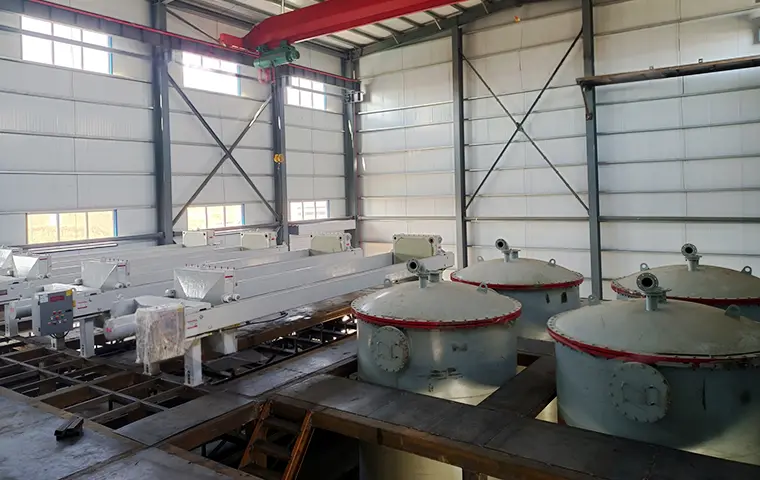
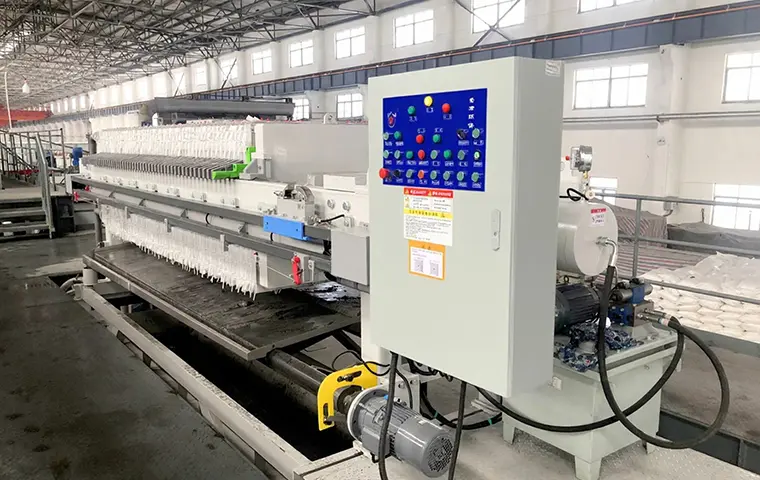
Prominer può fornire filtri a pressione, filtri a vuoto a cinghia, filtri a vuoto a disco e filtri ceramici
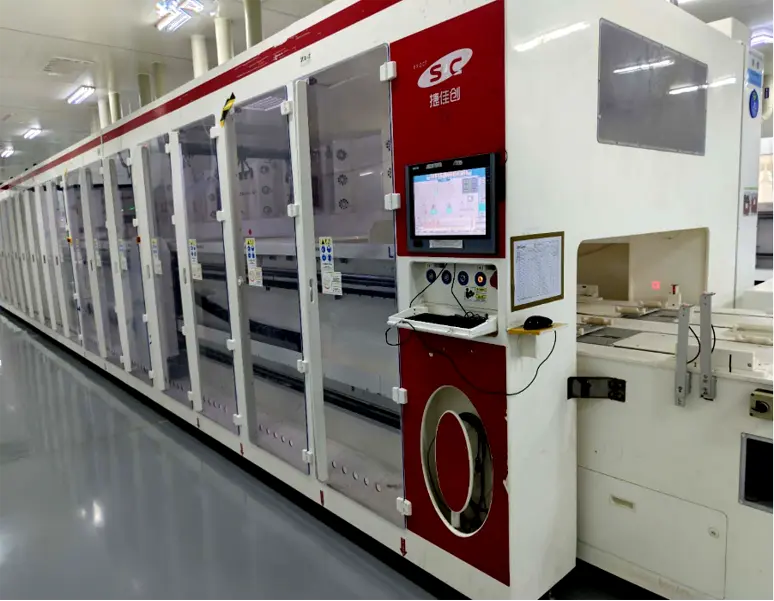
Come ad esempio: forno a diffusione di boro, rimozione di BSG, macchina per la lucidatura alcalina, PE-POLY...
Per saperne di più sui nostri prodotti e soluzioni, si prega di compilare il modulo qui sotto e uno dei nostri esperti ti ricontatterà a breve
Progetto di flottazione d'oro da 3000 TPD nella provincia di Shandong
Flottazione di minerale di litio da 2500TPD in Sichuan
Fax: (+86) 021-58779592
Indirizzo: Stanza 606, Edificio D3, Fase II, Centro Commerciale Chuansha, 777 Long, Miaochuan Road, Distretto di Pudong Nuova Area, Shanghai, Cina
Copyright © 2023. Prominer (Shanghai) Mining Technology Co., Ltd.


