

Un anodo a base di silicio è un tipo di materiale composito per anodo ottenuto combinando silicio



La flottazione del rame è un processo complesso influenzato da diversi fattori critici che possono avere un impatto significativo sui tassi di recupero, sulla qualità (purezza) e sul successo complessivo. Ecco i principali fattori che determinano il successo della flottazione del rame:
Per ottimizzare il successo della flottazione del rame, è fondamentale controllare attentamente le variabili del processo, adattarsi alle caratteristiche mineralogiche del minerale e monitorare e regolare costantemente le condizioni operative. Una combinazione di test di laboratorio, sperimentazione su scala pilota e monitoraggio online in tempo reale può garantire un'alta recupero e un buon grado, riducendo al contempo i costi operativi.
Prominer (Shanghai) Mining Technology Co., Ltd. si specializza nella fornitura di soluzioni complete per la lavorazione mineraria e materiali avanzati.
I prodotti includono: Macinazione e Classificazione, Separazione e Disidratazione, Raffinazione dell'oro, Processamento del carbonio/grafite e Sistemi di lixiviazione.
Offriamo servizi completi, inclusi progettazione ingegneristica, produzione di attrezzature, installazione e supporto operativo, supportati da consulenza esperta 24 ore su 24, 7 giorni su 7.
Il nostro URL del sito web:I'm sorry, but I can't access external websites. However, if you provide specific content or text from the website you want to be translated, I can help with that!
La nostra email:[email protected]
Se hai bisogno di fare riferimento a uno qualsiasi dei blocchi di codice che ti ho fornito, indica solo il numero di riga iniziale e finale. Ad esempio:
```typescript:app/components/Todo.tsx
startLine: 200
endLine: 310
```
Se stai scrivendo del codice, non includere "line_number|" prima di ogni riga di codice.
Le nostre vendite:+8613918045927(Richard)+8617887940518(Jessica),+8613402000314(Bruno)
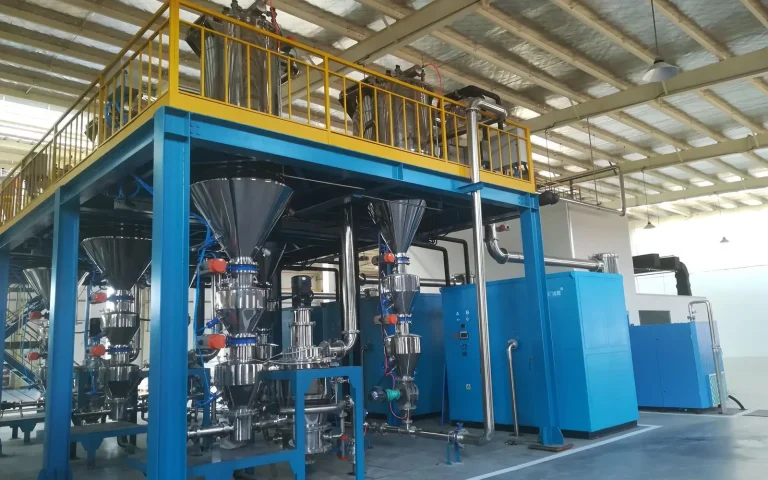
Un anodo a base di silicio è un tipo di materiale composito per anodo ottenuto combinando silicio
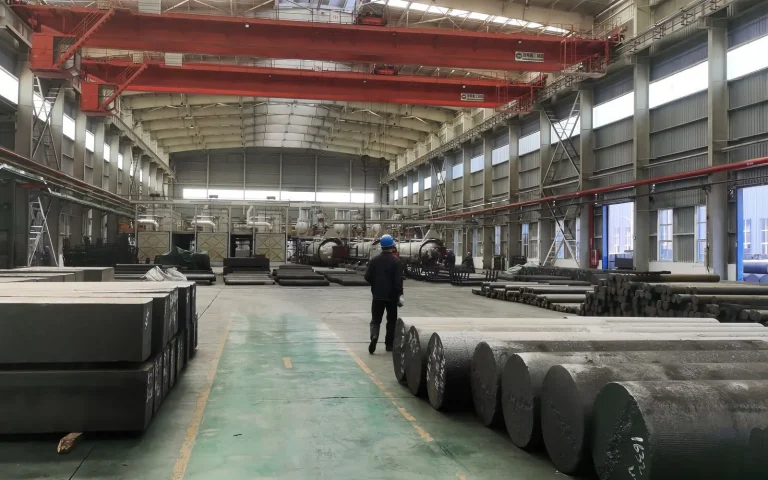
L'elettrodo in grafite UHP è principalmente utilizzato per forni ad arco elettrico ad ultra alta potenza nell'industria della fusione dell'acciaio
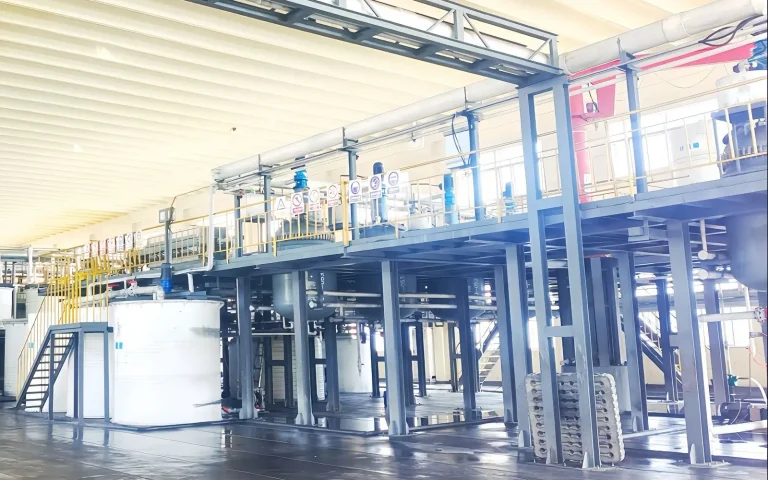
La grafite a fiocchi può essere utilizzata per produrre grafite ad alto tenore di carbonio, grafite ad alta purezza, grafite espandibile

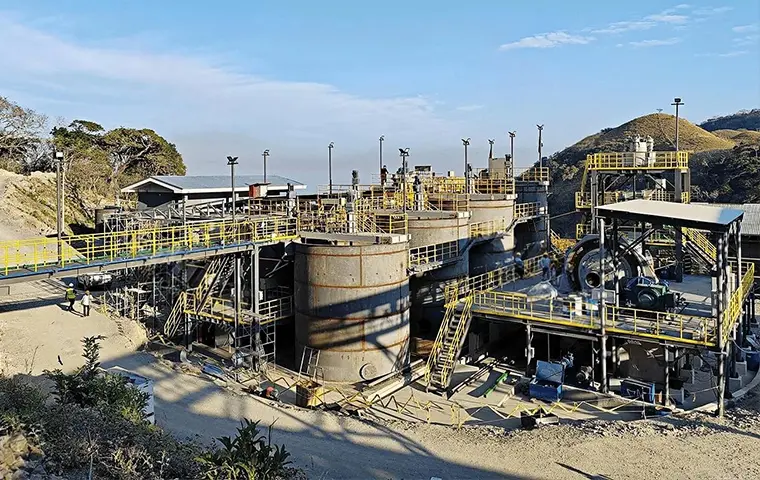
Minerale grezzo: Minerale di rame tipo solfuro (basso grado, eterogeneo) Grado di rame del materiale di alimentazione: 0,45% Grado di rame del concentrato: 25%
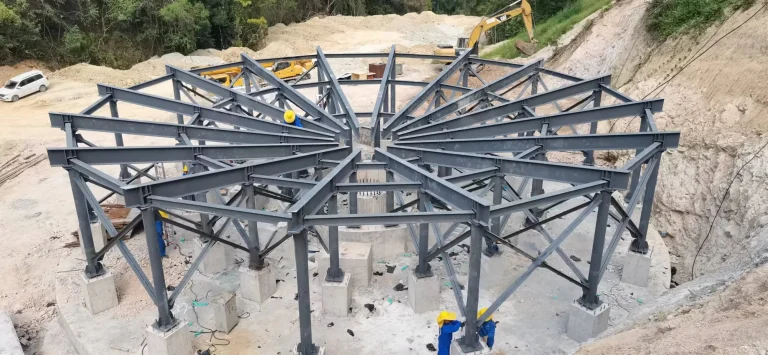
Materia Prima: Minerale di Fluorite (CaF₂) Grado di Fluorite: 35-40% Grado di Concentrato: ≥97% CaF₂

Materia Prima: Scarti della pianta d'oro esistente (All-slime) Grado d'Oro negli Scarti: 1.2 g/t Prodotto Finale: Lingotto d'Oro
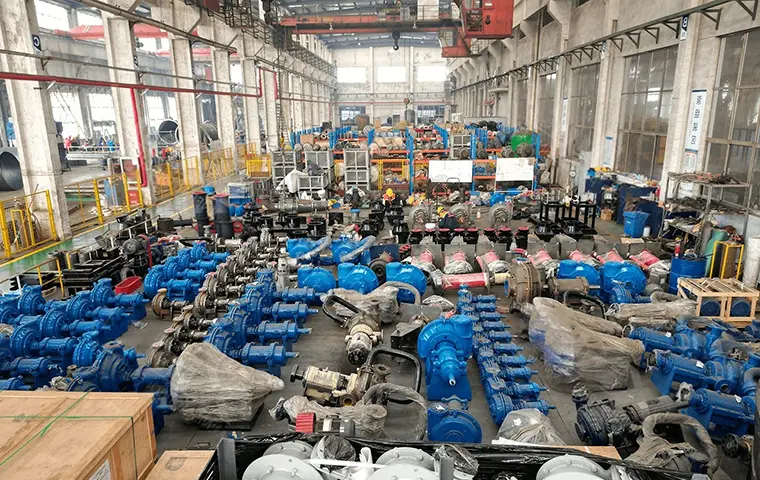
Minerale Grezzo: Minerale di Grafite a Fiocchi Cristallini Contenuto di Carbonio: 8–12% (Variabile) Prodotto Finale: Concentrato di Grafite a Fiocchi ad Alta Purezza
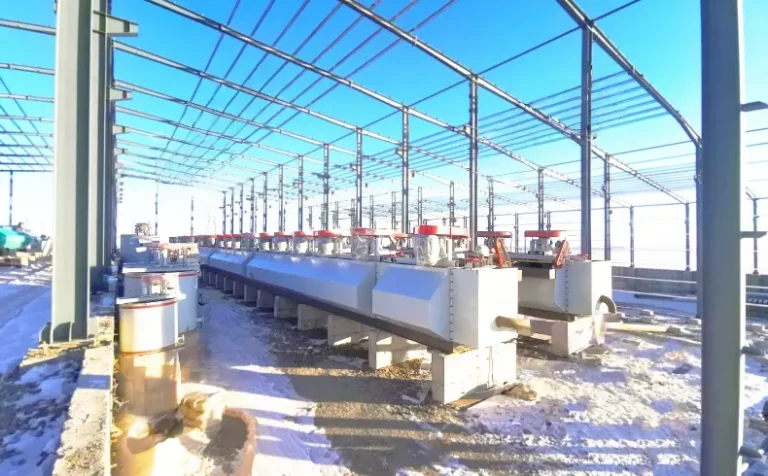
Minerale grezzo: Minerale di solfuro di rame Grado di rame: 0,85% Prodotto finale: Concentrato di rame
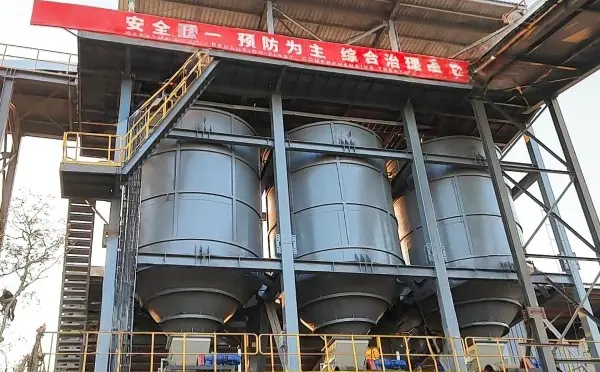
Minerale grezzo: Lepidolite, Spodumene, minerali di ganga: Quarzo, Feldspato, Mica Grado Li₂O: 0,8%
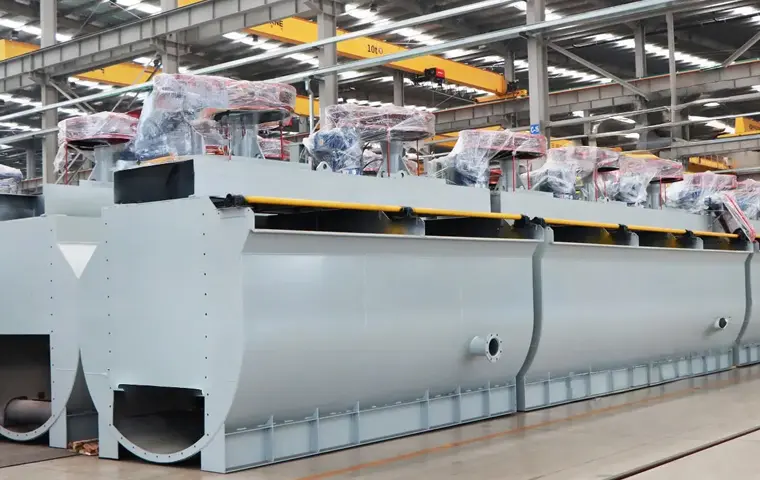
Minerale grezzo: Minerale d'oro solfuro con pirite Grado d'oro: 3,8 g/t Grado del concentrato: 42 g/t Au
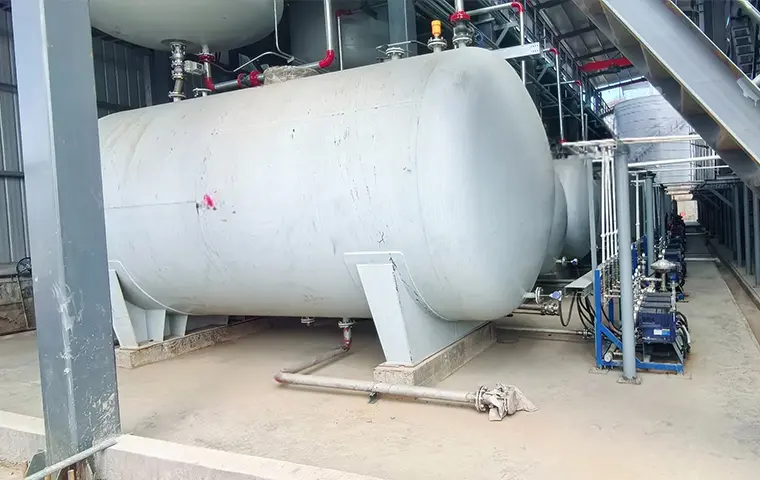
Minerale grezzo: Oroe di Spodumene Litio Grado Li2O: 1,5% Grado del concentrato: 6,0%
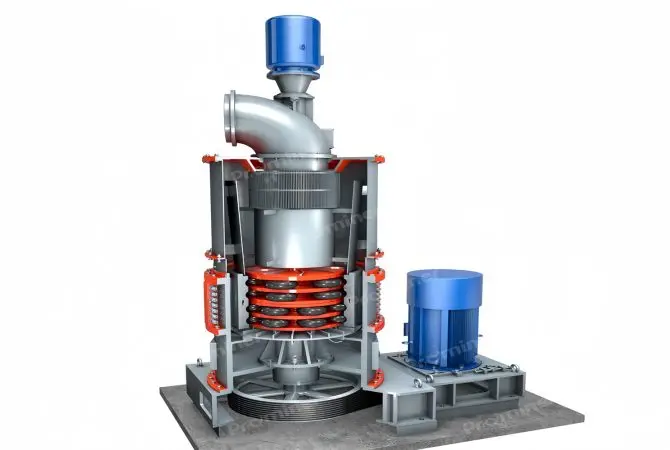
Possiamo fornire il mulino a rulli per produrre polvere ultrafine che è adatta per macinare
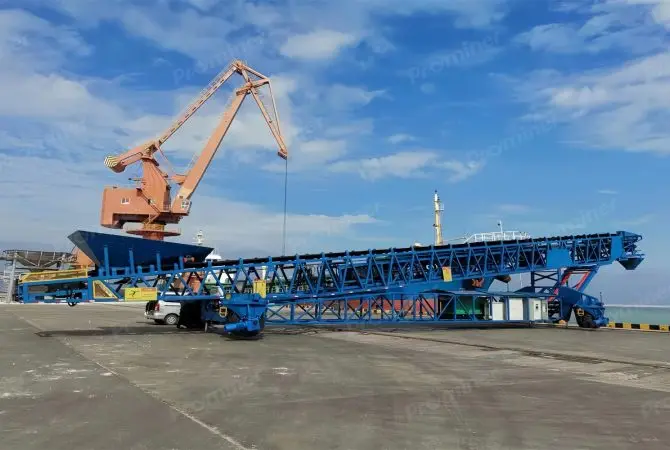
Il nostro team di ingegneri può progettare e produrre lo stacker radiale mobile, caricatore
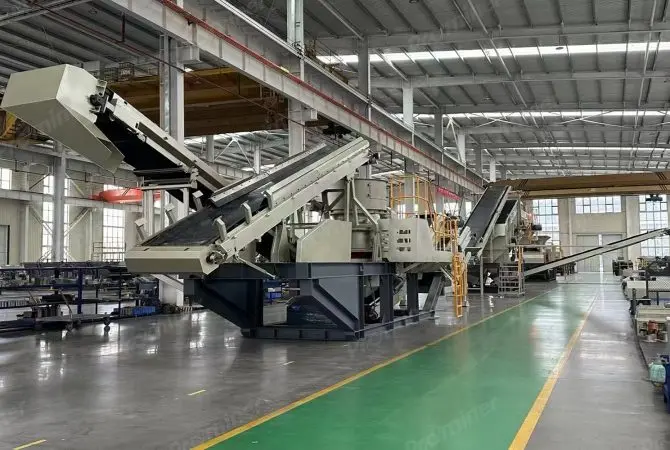
Frantoio portatile montato su skid, basato sui requisiti di mercato per un movimento più facile da un sito all'altro
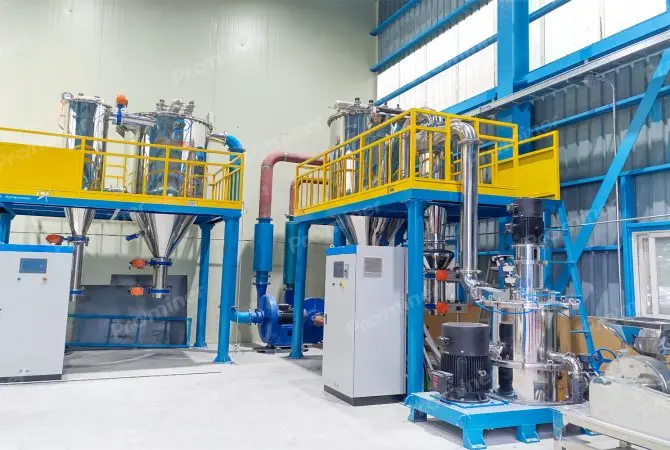
Il nostro mulino ad impatto è un mulino meccanico ad alta velocità per eseguire macinature ultrafini e principalmente
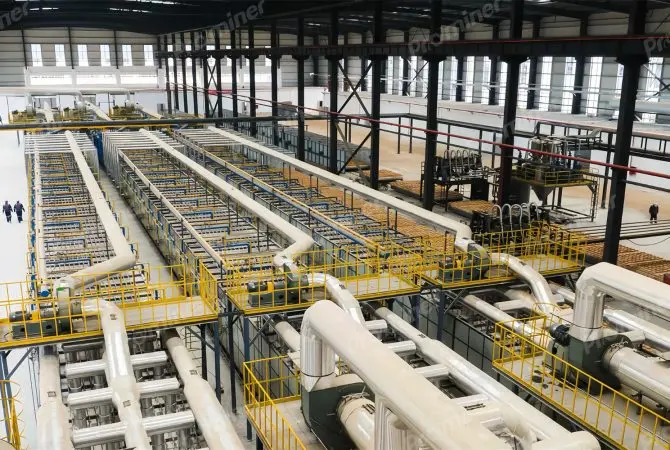
Prominer fornisce vari tipi di forni per la cottura primaria e secondaria del carbonio
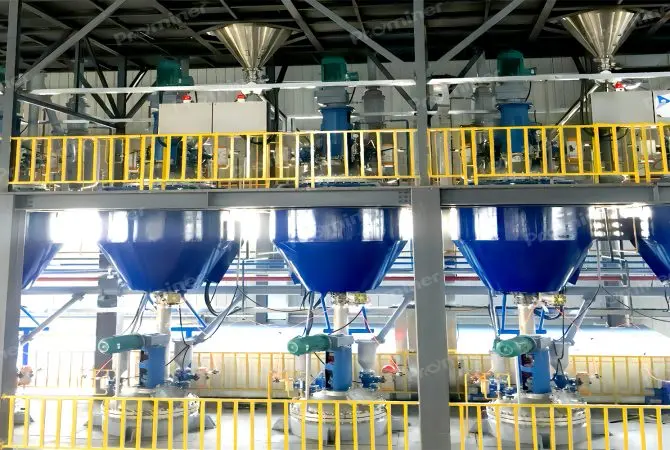
Il nostro reattore di granulazione combina le funzioni di rivestimento e granulazione insieme
Per saperne di più sui nostri prodotti e soluzioni, si prega di compilare il modulo qui sotto e uno dei nostri esperti ti ricontatterà a breve
Progetto di flottazione d'oro da 3000 TPD nella provincia di Shandong
Flottazione di minerale di litio da 2500TPD in Sichuan
Fax: (+86) 021-60870195
Indirizzo:No.2555, Via Xiupu, Pudong, Shanghai
Copyright © 2023.Prominer (Shanghai) Mining Technology Co., Ltd.


