



La lisciviazione in vat è una buona opzione per il proprietario del progetto per iniziare nella fase iniziale per risparmiare investimenti


/
/
What Key Aspects Should Be Considered in the Design of an Iron Ore Processing Plant?
Designing an iron ore processing plant requires a comprehensive approach that balances technical efficiency, economic viability, environmental responsibility, and operational safety. Each project presents unique challenges based on ore characteristics, location, and market requirements. Below are the key aspects that should be considered when planning and designing an iron ore processing plant.
The foundation of any successful processing plant design is a thorough understanding of the ore body. Detailed mineralogical and metallurgical testing must be conducted to determine:
These characteristics dictate the selection of beneficiation methods such as crushing, screening, gravity separation, magnetic separation, flotation, or a combination of processes. Without accurate ore characterization, plant performance and product quality can suffer significantly.
The process flow sheet outlines the sequence of operations required to convert raw ore into a marketable product. Key steps typically include:
Designing an efficient flow sheet involves optimizing recovery rates, minimizing energy consumption, and ensuring consistent product quality. Simulation software and pilot testing are often used to validate process design before full-scale implementation.
Determining the plant’s throughput capacity is critical. The design must consider:
Scalability is especially important in long-term mining projects. Designing modular systems or allocating space for additional equipment can reduce future expansion costs and downtime.
Selecting the right equipment ensures operational efficiency and reliability. Factors to consider include:
The plant layout should promote smooth material flow, minimize material handling distances, and reduce bottlenecks. Proper layout planning also enhances worker safety and simplifies maintenance activities.
Iron ore processing plants are resource-intensive operations. Sustainable management of water and energy is crucial.
Water management considerations include:
Energy efficiency measures may involve:
Reducing resource consumption lowers operating costs and improves environmental performance.
Environmental compliance is a central aspect of plant design. Regulatory requirements vary by region but commonly address:
Incorporating environmental safeguards from the early design stages reduces permitting delays and mitigates long-term liabilities.
Tailings management is one of the most critical elements of iron ore plant design. Engineers must determine:
Modern best practices increasingly favor dry stacking or paste tailings to reduce environmental risks and water consumption.
Advanced automation improves plant performance and reliability. Key technologies include:
Automation reduces human error, enhances process stability, and supports data-driven decision-making.
Safety must be integrated into every stage of plant design. Important factors include:
A well-designed plant minimizes risks to personnel while maintaining high productivity.
Finally, financial feasibility is a decisive factor. A comprehensive economic assessment should cover:
Balancing technical performance with cost efficiency ensures long-term profitability.
The design of an iron ore processing plant is a multidisciplinary task that requires careful consideration of geological, technical, environmental, and economic factors. By thoroughly evaluating ore characteristics, optimizing the process flow, selecting appropriate equipment, and prioritizing sustainability and safety, project developers can create efficient and resilient processing facilities that deliver consistent product quality and long-term value.
A: Le caratteristiche minerali variano significativamente anche all'interno della stessa massa mineraria. Un test professionale (come analisi chimica, XRD e SEM) assicura che il diagramma di flusso sia ottimizzato per il tuo specifico grado di minerale e dimensione di liberazione. Questo previene incompatibilità costose delle attrezzature e garantisce i tassi di recupero più elevati possibili per il tuo progetto.
A: Manteniamo un magazzino permanente di componenti di usura essenziali (come rivestimenti per frantoi, griglie e materiale per macinazione). Per i clienti internazionali, forniamo un elenco di “pezzi di ricambio raccomandati per 2 anni” con l'acquisto iniziale. Il supporto tecnico è disponibile 24 ore su 24, 7 giorni su 7 tramite video remoto, e possono essere organizzate visite in loco per esigenze di manutenzione complesse.
A: Sì. Inviamo un team di ingegneri meccanici ed elettrici senior sul posto per supervisionare l'installazione, la messa in servizio e il collaudo del carico dell'attrezzatura. Forniamo anche una formazione completa sul campo per i vostri operatori locali per garantire un funzionamento regolare a lungo termine.
A: Assolutamente. Siamo specializzati nella fornitura di servizi EPCM (Ingegneria, Approvvigionamento, Gestione della Costruzione). Questo include tutto, dalla prima analisi del minerale e progettazione della miniera, alla produzione di attrezzature, logistica e integrazione dell'impianto su larga scala, garantendo una transizione senza soluzione di continuità da campo verde alla produzione.
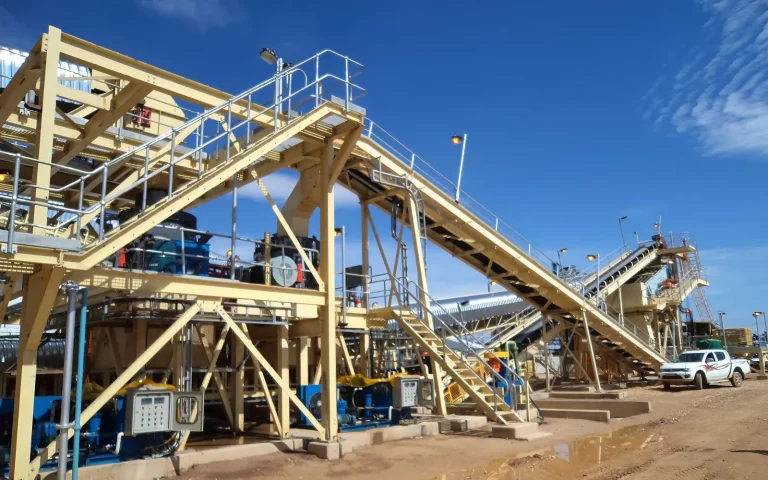
La lisciviazione in vat è una buona opzione per il proprietario del progetto per iniziare nella fase iniziale per risparmiare investimenti
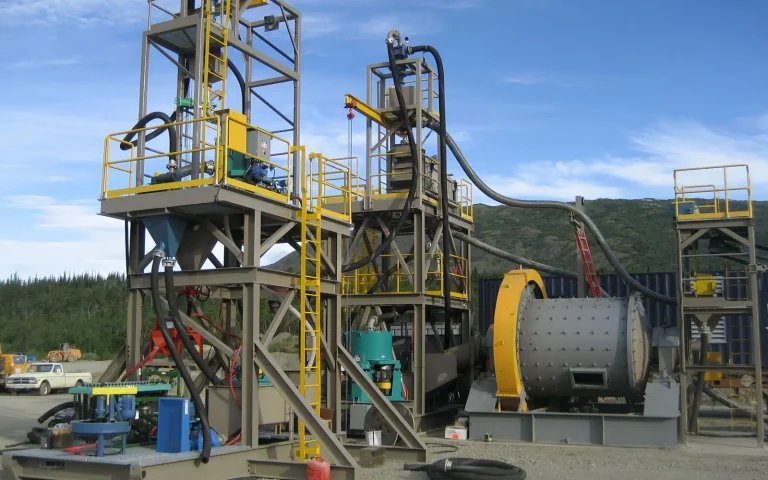
Il minerale esogeno più noto è l'oro alluvionale, noto anche come oro da placers. L'oro alluvionale si riferisce
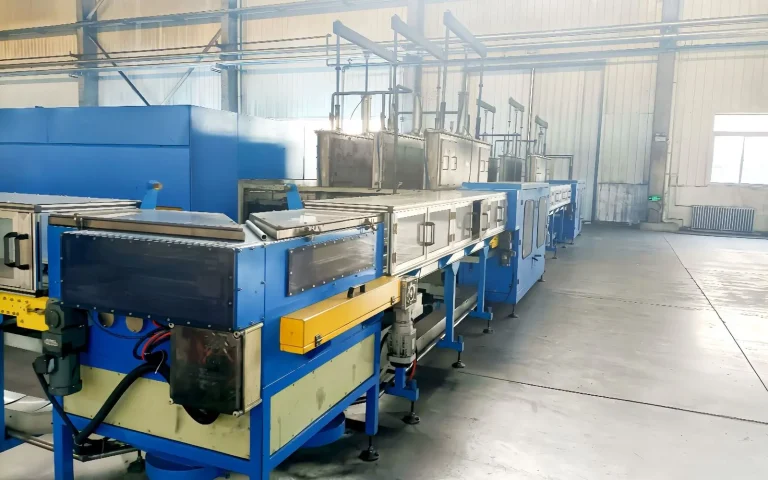
Il materiale dell'anodo in carbonio duro è il più preferito per la commercializzazione delle batterie a ioni di sodio

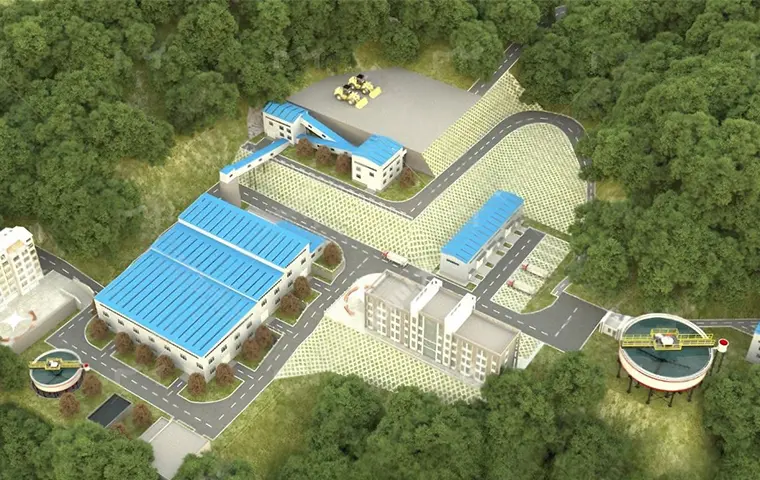
Materie Prime: Minerale di Fluorite (CaF₂) Grado di Fluorspar: 35% CaF₂ Grado di Concentrato: 97% CaF₂
Minerale grezzo: Minerale di fosfato ad alta silice Grado di P2O5: 22% Contenuto di SiO2: 35%
Minerale Grezzo: Oro Ossidato Alluviale / da Roccia Dura (con oro a vaglio libero) Grado d'Oro: 2.5 g/t Percentuale di Recupero dell'Oro: > 88%
Minerale Grezzo: Minerale d'Oro Rame Tipo Solfuro Grado d'Oro: 4 g/t
Materia prima: anodo in grafite artificiale, anodo in grafite naturale
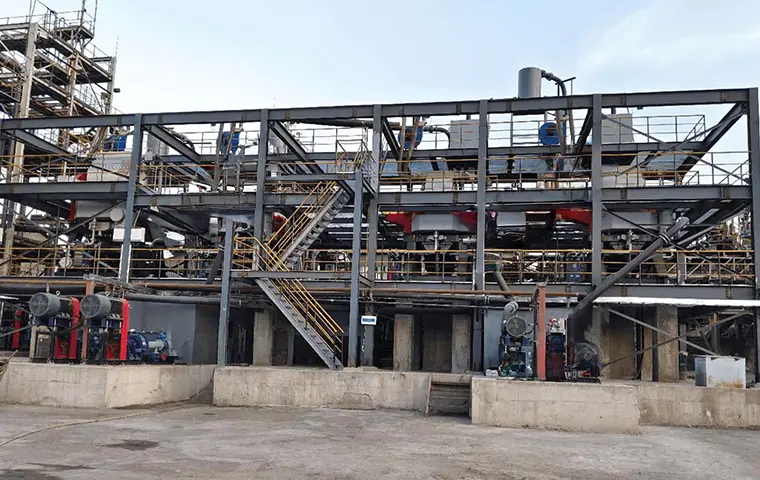
Minerale grezzo: Minerale di cromo sudafricano Gradazione originale di Cr₂O₃: 38% Gradazione del concentrato potenziato: 46%
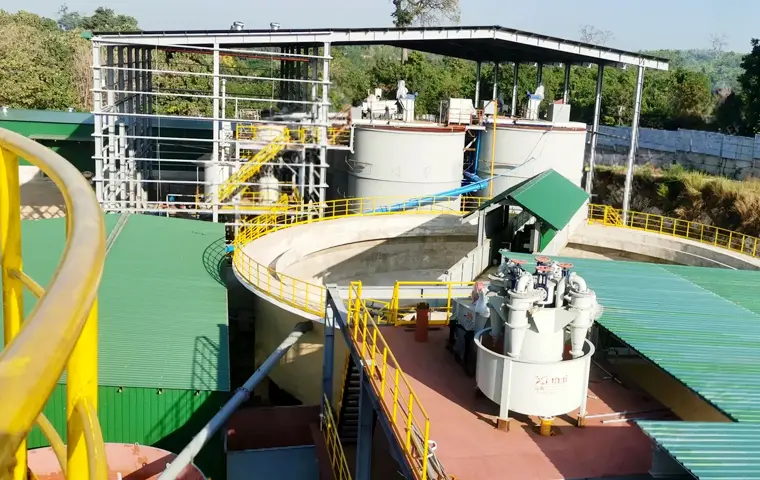
Minerale grezzo: Ossidiana e minerale d'oro solforato duale (refrattario in parte) Grado d'oro: 3,5-4,2 g/t Prodotto finale: Doré d'oro (Au ≥96,5%)
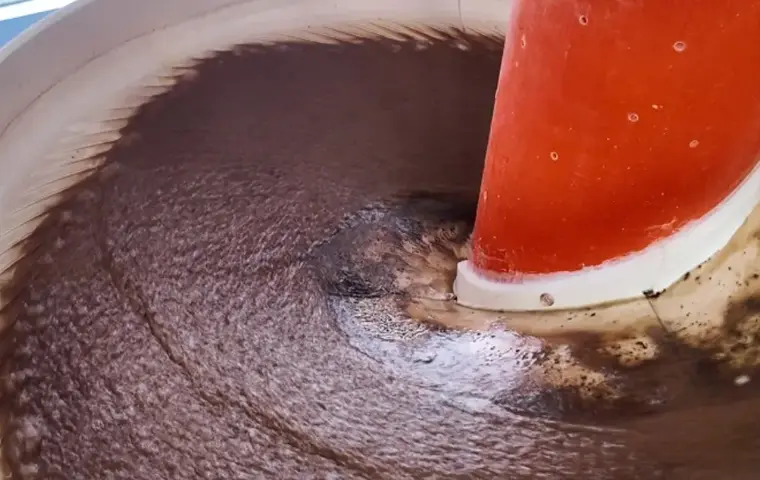
Materia prima: residuo di minerale di ferro Capacità di lavorazione: 800 tonnellate al giorno
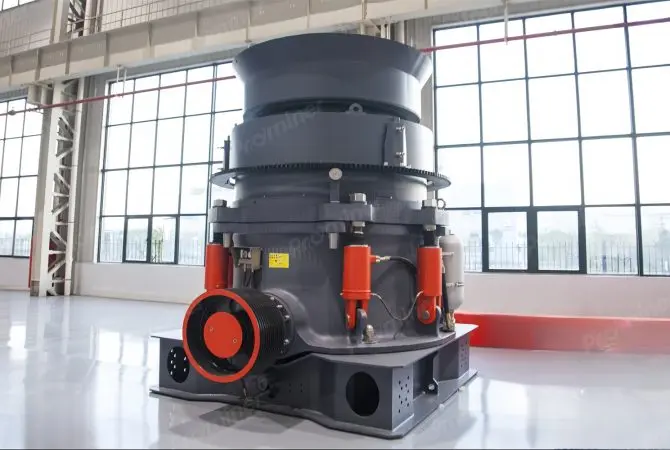
Il frantoio conico idraulico a multi-cilindro combina la velocità del frantoio, l'eccentricità e il profilo della cavità
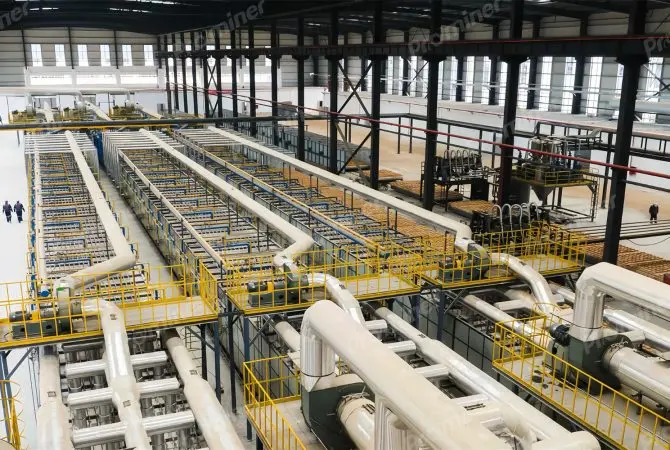
Prominer fornisce vari tipi di forni per la cottura primaria e secondaria del carbonio
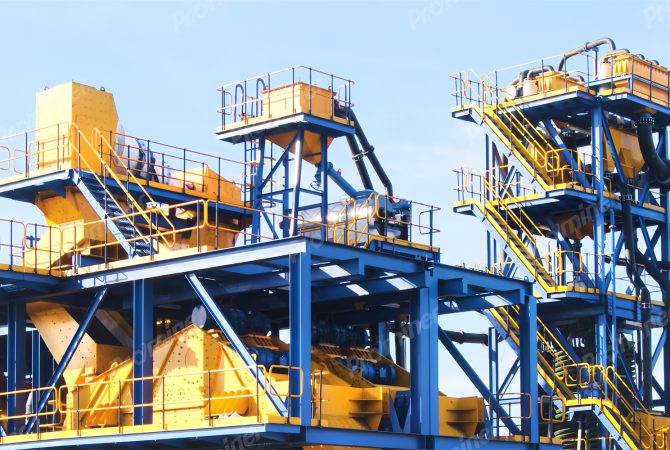
Prominer può fornire diversi separatori magnetici LIMS (Low Intensity Magnetic Separator)
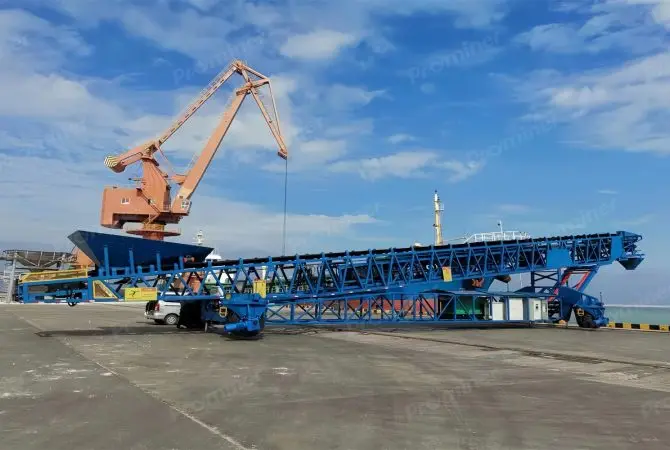
Il nostro team di ingegneri può progettare e produrre lo stacker radiale mobile, caricatore
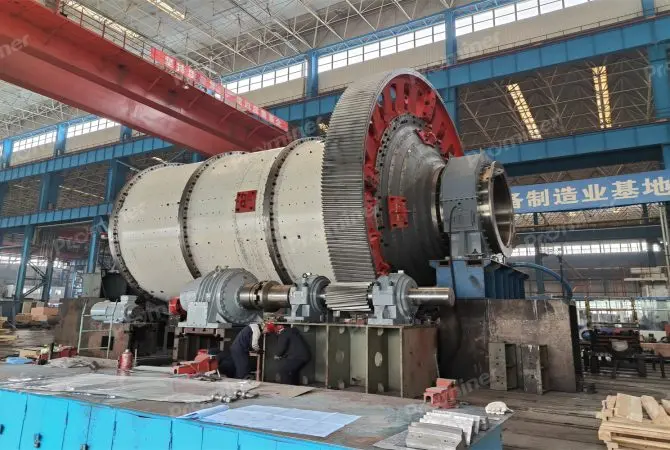
Possiamo progettare e produrre un mulino a sfere di tipo grate per la macinazione primaria dei minerali
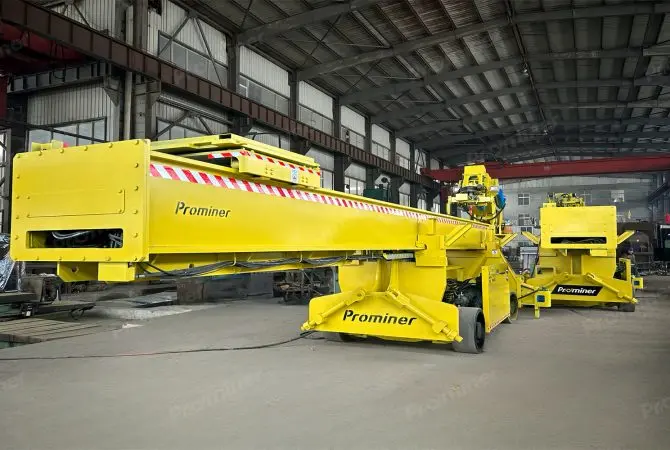
Possiamo progettare e fabbricare la macchina di rinnovo del mulino (o chiamata manipolatore di rinnovo del mulino)
Per saperne di più sui nostri prodotti e soluzioni, si prega di compilare il modulo qui sotto e uno dei nostri esperti ti ricontatterà a breve
Progetto di flottazione d'oro da 3000 TPD nella provincia di Shandong
Flottazione di minerale di litio da 2500TPD in Sichuan
Fax: (+86) 021-60870195
Indirizzo:No.2555, Via Xiupu, Pudong, Shanghai
Copyright © 2023.Prominer (Shanghai) Mining Technology Co., Ltd.


