

Fornire attrezzature importanti nel processo di lavorazione dell'oro, come il sistema CIL/CIP, la cella di flottazione...



Il metodo di trattamento del fosfato utilizzato per massimizzare il grado e il recupero dipende dalla composizione mineralogica, dalle impurità e dalla dimensione delle particelle del minerale. Di seguito sono riportati alcuni metodi efficaci e comunemente utilizzati per il trattamento del minerale di fosfato che ottimizzano grado e recupero:
La flottazione schiumosa è il metodo più ampiamente utilizzato ed efficace per massimizzare il grado e il recupero del fosfato, specialmente per i minerali a grana fine. Nei casi di minerali a grana grossa o ad alto contenuto di carbonato, possono essere incorporate separazione gravitazionale, calcinazione o trattamento chimico. Una comprensione dettagliata delle proprietà mineralogiche del minerale e la corretta integrazione di più metodi generalmente producono i migliori risultati.
Prominer (Shanghai) Mining Technology Co., Ltd. si specializza nella fornitura di soluzioni complete per la lavorazione mineraria e materiali avanzati.
I prodotti includono: Macinazione e Classificazione, Separazione e Disidratazione, Raffinazione dell'oro, Processamento del carbonio/grafite e Sistemi di lixiviazione.
Offriamo servizi completi, inclusi progettazione ingegneristica, produzione di attrezzature, installazione e supporto operativo, supportati da consulenza esperta 24 ore su 24, 7 giorni su 7.
Il nostro URL del sito web:I'm sorry, but I can't access external websites. However, if you provide specific content or text from the website you want to be translated, I can help with that!
La nostra email:[email protected]
Se hai bisogno di fare riferimento a uno qualsiasi dei blocchi di codice che ti ho fornito, indica solo il numero di riga iniziale e finale. Ad esempio:
```typescript:app/components/Todo.tsx
startLine: 200
endLine: 310
```
Se stai scrivendo del codice, non includere "line_number|" prima di ogni riga di codice.
Le nostre vendite:+8613918045927(Richard)+8617887940518(Jessica),+8613402000314(Bruno)
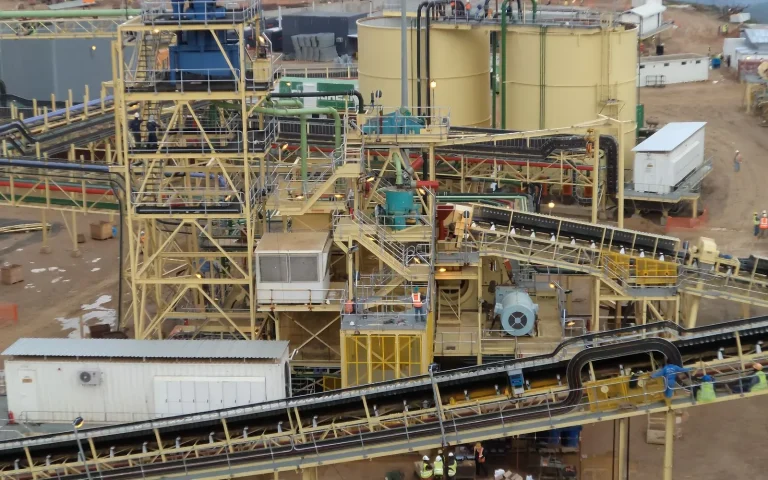
Fornire attrezzature importanti nel processo di lavorazione dell'oro, come il sistema CIL/CIP, la cella di flottazione...
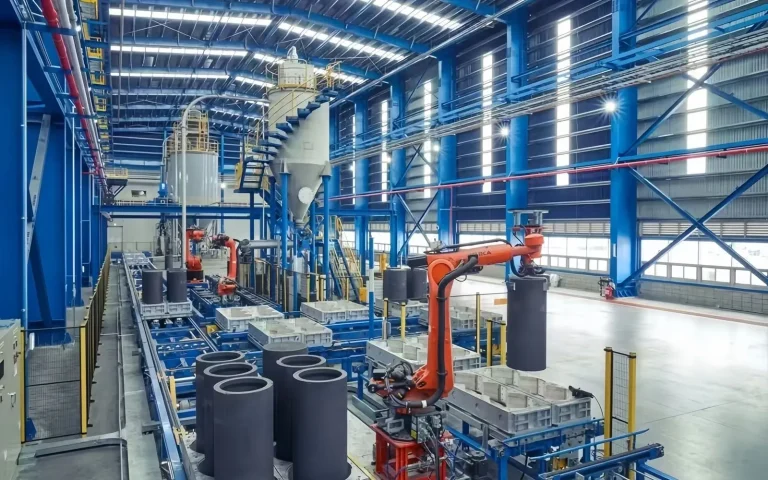
Fornire la soluzione completa per la fabbricazione di materiali anodici di grafite, inclusi macinazione, formatura, purificazione...
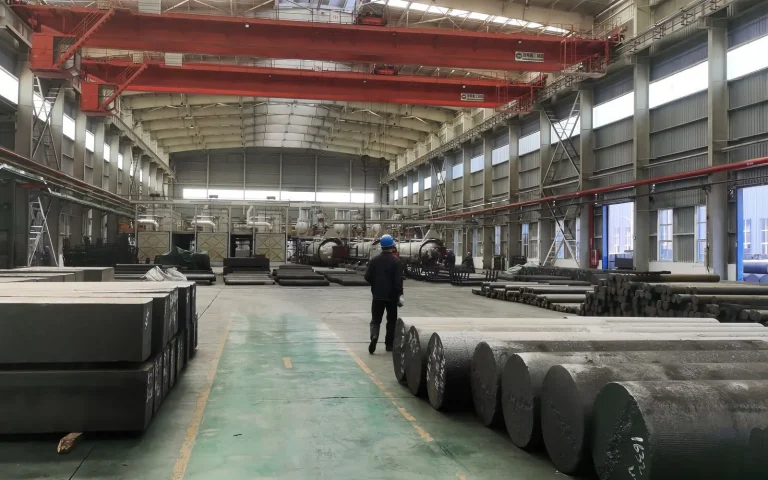
L'elettrodo in grafite UHP è principalmente utilizzato per forni ad arco elettrico ad ultra alta potenza nell'industria della fusione dell'acciaio

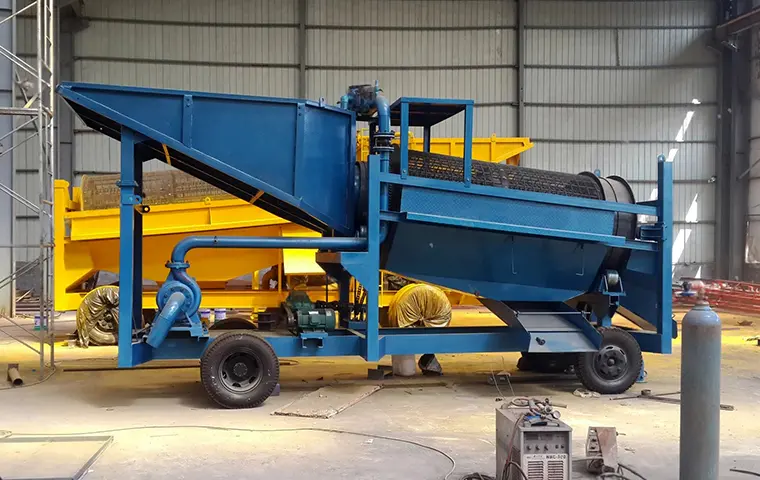
Minerale grezzo: Oro alluvionale da depositi di letto fluviale e terrazzi Grado d'oro: 1,5 g/t Tasso di recupero dell'oro: 92%
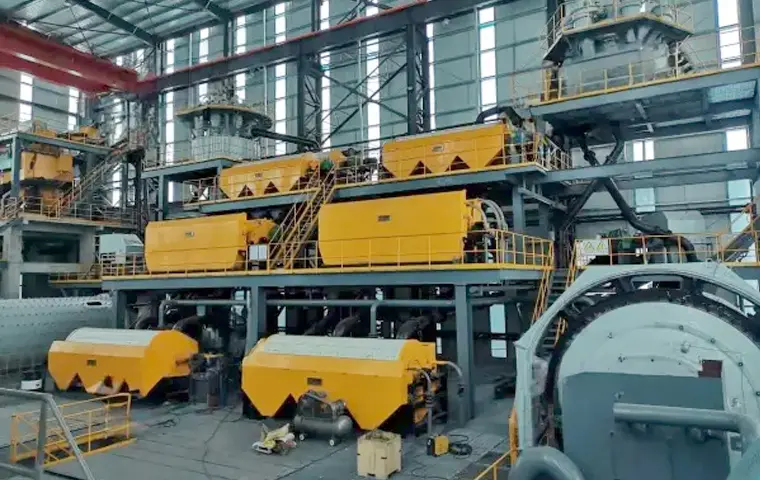
Minerale grezzo: minerale di ferro magnetitico con bande di ematite Grado di Fe: 28-32% Prodotto finale: concentrato di ferro ad alto grado
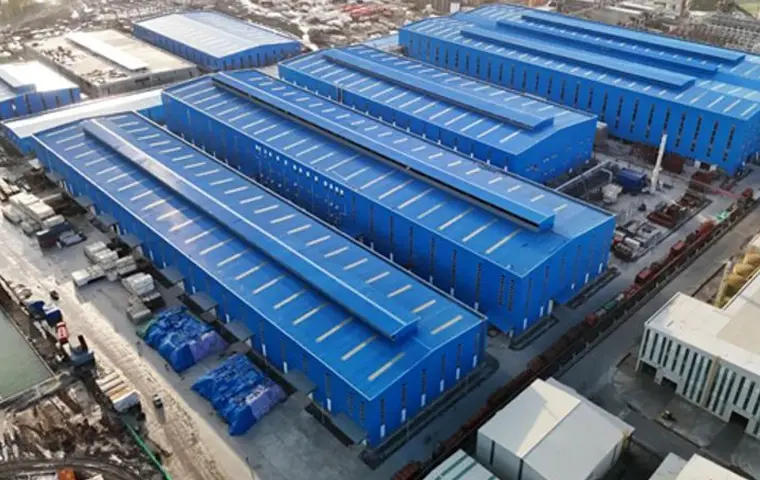
Materia Prima: Coke di Petrolio, Coke a Ago, Legante in Pitch Capacità del Progetto: 50.000 Tonnellate all'Anno
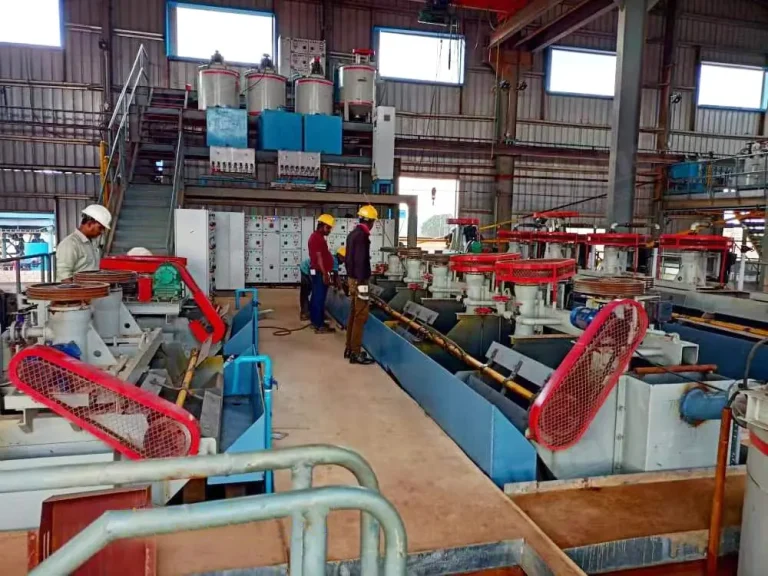
Minerale grezzo: Minerale primario solfuro (calcopirite-bornite) Grado di Cu: 0,72% Grado del concentrato: 28,3%
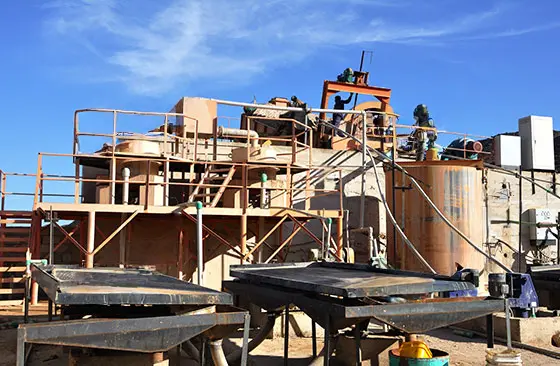
Minerale grezzo: Minerale di oro e rame solfuro (rapporto Au-Cu: 1:1,2) Grado d'oro: 2,8 g/t Grado di rame: 0,85%
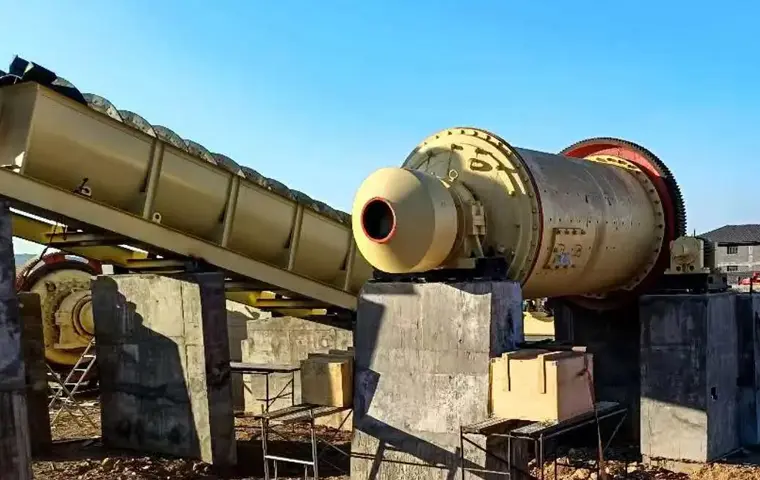
Minerale grezzo: Oro di tipo ossido Grado d'oro: 2,5 g/t Purezza del lingotto d'oro: 96%
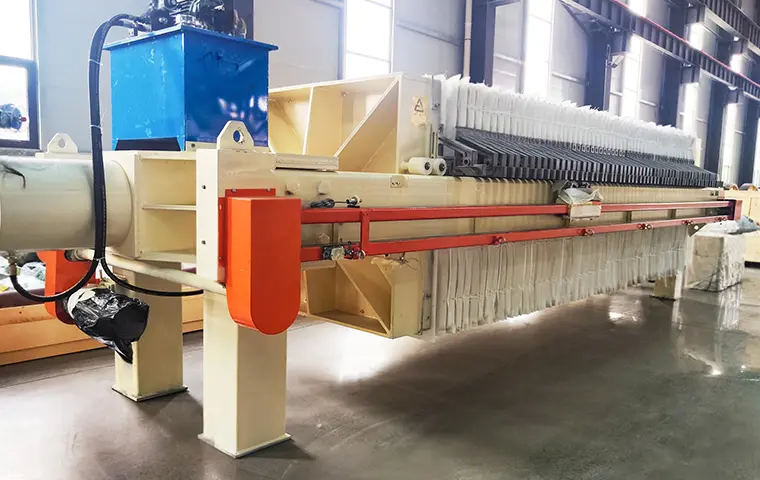
Contesto del progetto: Aggiornamento del circuito di disidratazione per il concentrato di flottazione e i fanghi di impianto per ridurre il contenuto di umidità e consentire lo smaltimento a secco.
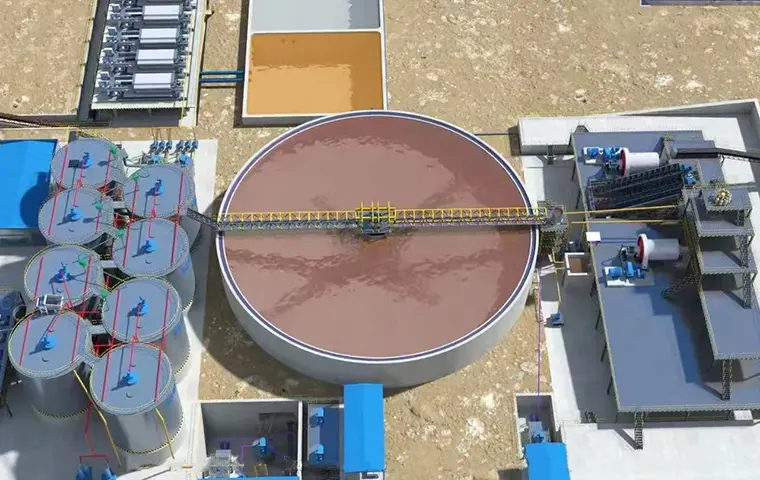
Minerale grezzo: Minerale di rame di tipo solfuro (principalmente calcopirite) Grado di rame: 0,8% Prodotto finale: Concentrato di rame
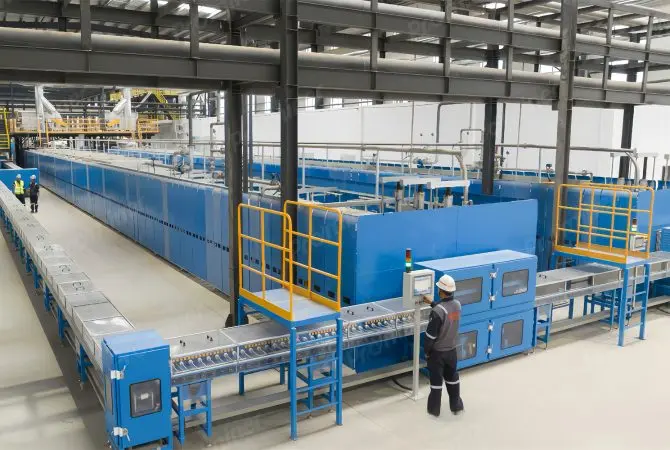
Possiamo fornire la soluzione completa per il sistema di trattamento ad alta temperatura per carbonizzazione
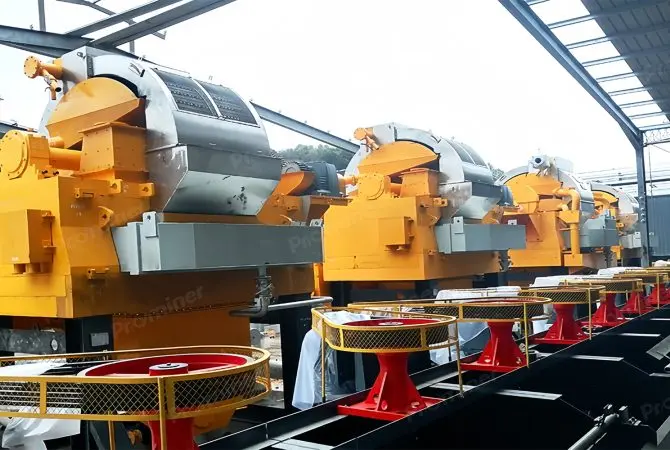
Prominer può fornire diversi separatori magnetici HIMS (separatore magnetico ad alta intensità)
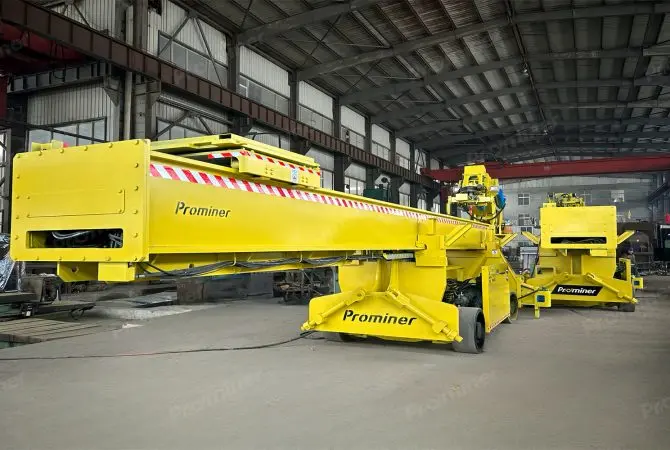
Possiamo progettare e fabbricare la macchina di rinnovo del mulino (o chiamata manipolatore di rinnovo del mulino)
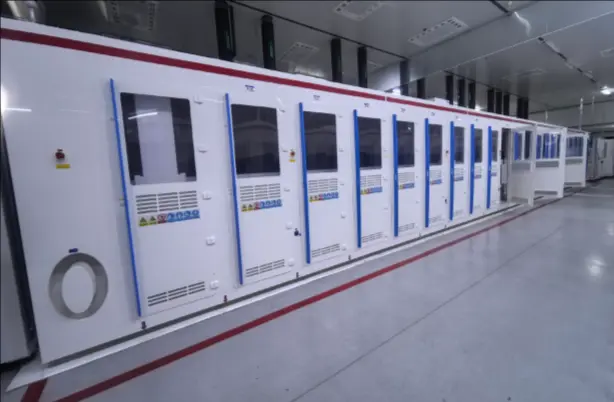
Includi: Impianto di texturizzazione monocristallino a lotto, Caricatore/scaricatore per texturizzazione a lotto, Sistema di diffusione a bassa pressione a tubo chiuso con soft landing...
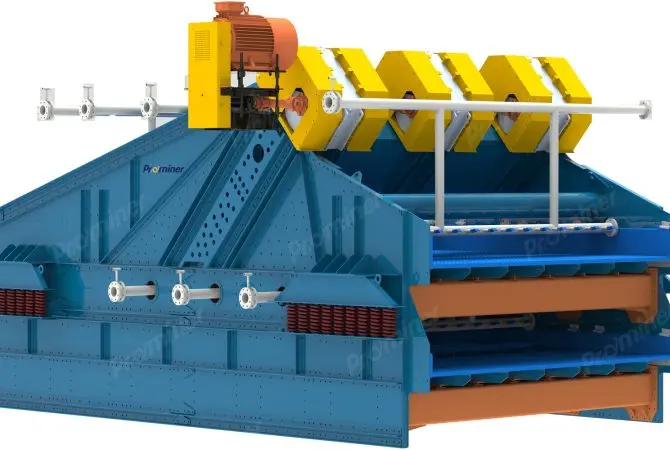
Prominer può fornire ogni tipo di setaccio lineare per la classificazione mineraria, la dimensione dei materiali, e disidratazione.
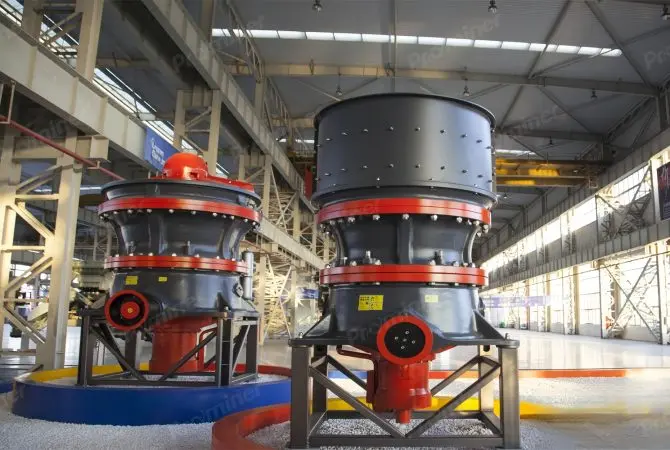
I frantoi conici idraulici a singolo cilindro hanno due serie basate su diverse cavità, la cavità S è progettata
Per saperne di più sui nostri prodotti e soluzioni, si prega di compilare il modulo qui sotto e uno dei nostri esperti ti ricontatterà a breve
Progetto di flottazione d'oro da 3000 TPD nella provincia di Shandong
Flottazione di minerale di litio da 2500TPD in Sichuan
Fax: (+86) 021-60870195
Indirizzo:No.2555, Via Xiupu, Pudong, Shanghai
Copyright © 2023.Prominer (Shanghai) Mining Technology Co., Ltd.


