Crappellite Removal in Phosphate: Why Flotation Beats Magnetic Separation 3:1 on OPEX?
The decision between using flotation and magnetic separation for the removal of crappellite (dolomite and silicate minerals) in phosphate ore processing often boils down to operating expenditure (OPEX) and efficiency. Flotation typically beats magnetic separation on OPEX by a margin of approximately 3:1 due to the following factors:
1. Selective Targeting of Impurities
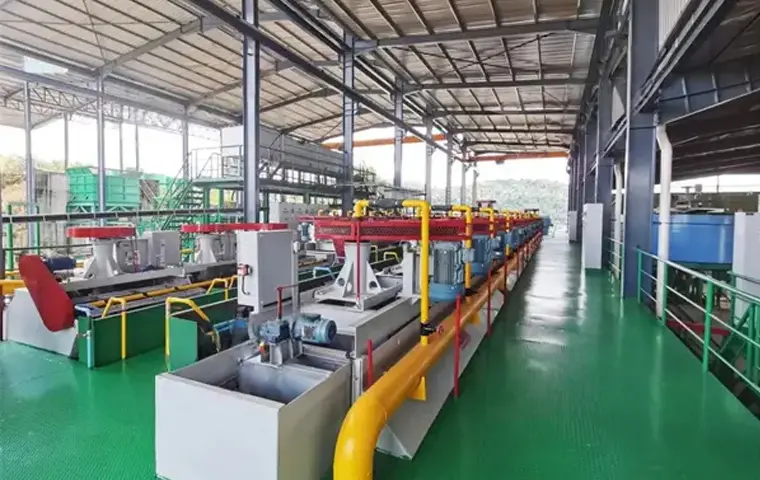
- フローテーション: Utilizes tailored reagents and surfactants that selectively bind to crappellite particles. This allows for precise separation based on mineral surface chemistry, especially in phosphate ores with closely intertwined impurities like dolomite and silicates. It separates impurities such as crappellite efficiently without requiring large energy inputs.
- 磁気分離: Relies on differences in magnetic susceptibility, which is inherently less selective for non-magnetic impurities like dolomite and silicates. This technique struggles when removing crappellite unless paired with costly preprocessing methods.
2. Energy Consumption
- フローテーション: Typically has a lower energy demand because it does not rely on the generation of strong magnetic fields or high mechanical forces. Most of the cost is associated with the chemical reagents and water management.
- 磁気分離: Requires significant energy to operate electromagnets or permanent magnets, especially at high throughput rates or when trying to achieve fine particle separations. The equipment’s electrical power requirements can drastically increase OPEX in large-scale operations.
3. Equipment Costs
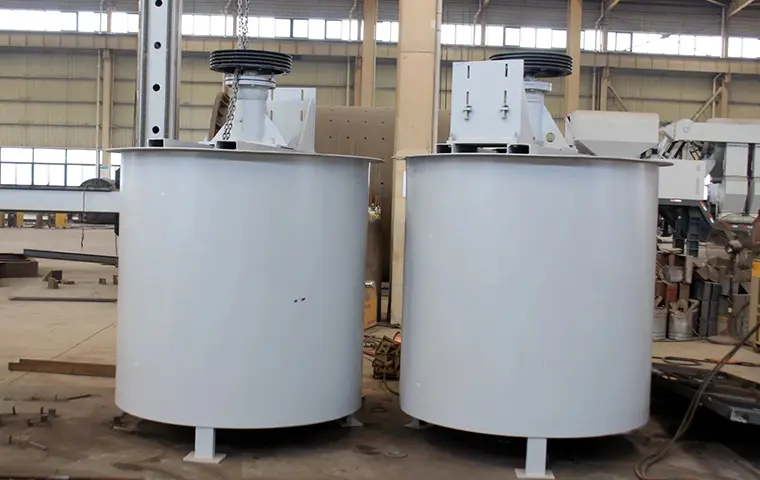
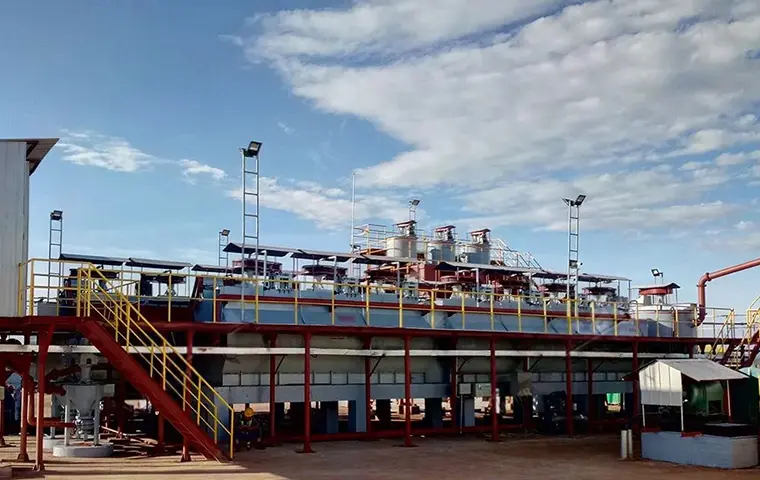
- フローテーション: The equipment (flotation cells, mixers, and pumps) tends to be less expensive to operate over time due to simpler, standardized designs and lower wear-and-tear. Maintenance costs are relatively moderate.
- 磁気分離: High-performance magnetic separators are expensive to procure, install, and maintain. The cost of wear parts (like magnetic coils and drum surfaces) can also add significantly to OPEX over time.
4. Adaptability to Ore Variability
- フローテーション: Handles variability in ore composition effectively by adjusting reagent types and dosages, making the process more adaptable to different phosphate deposits.
- 磁気分離: Can struggle with ores that contain mixed impurities or low magnetic susceptibility minerals like dolomite and crappellite. Achieving effective separation requires pre-concentration steps, which drive up costs.
5. Water Usage
- While both processes consume water, flotation often has better closed-loop systems to recover and recycle water, reducing overall costs in areas where water needs to be managed carefully.
Why Flotation Beats Magnetic Separation 3:1 on OPEX:
Flotation not only achieves a higher level of selectivity and efficiency but also avoids the high energy and equipment costs associated with magnetic separation. While magnetic separation is valuable for removing magnetic contaminants, it tends to falter when dealing with impurities like crappellite. The scalability, adaptability, and lower per-ton processing costs associated with flotation make it the preferred method for crappellite removal in phosphate processing.
FAQ(よくある質問)
A:鉱物の特性は、同じ鉱床内でも大きく異なります。プロのテスト(化学分析、XRD、SEMなど)は、フローチャートが特定の鉱石グレードと解放サイズに最適化されていることを保証します。これにより、高価な機器のミスマッチを防ぎ、プロジェクトのために可能な限り高い回収率を保証します。
A: 当社は、コア摩耗部品(例えば、クラッシャーライナー、スクリーンメッシュ、グラインディングメディア)の常時在庫を維持しています。国際的な顧客には、初回購入時に推奨される「2年用予備部品リスト」を提供しています。技術サポートは、リモートビデオを通じて24時間年中無休で利用可能であり、複雑なメンテナンスニーズには現地訪問を手配することもできます。
A: はい。私たちは、機器の設置、試運転、負荷テストを監督するために、シニア機械エンジニアと電気エンジニアのチームを現地に派遣します。また、地元のオペレーターが円滑に長期的に運用できるよう、包括的な現地トレーニングも提供します。
A: もちろんです。私たちはEPCM(エンジニアリング、調達、建設管理)サービスを提供することを専門としています。これには、初期の鉱石テストや鉱山設計から、設備製造、物流、フルスケールのプラント統合まで、緑地から生産へのシームレスな移行を確保するすべてが含まれます。