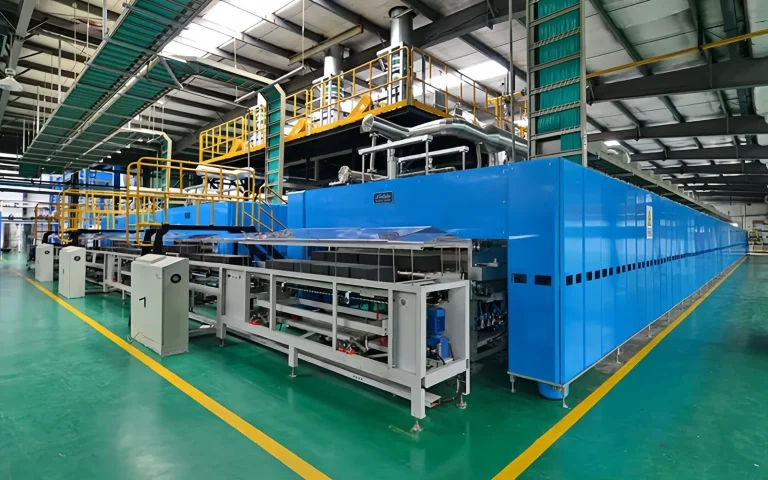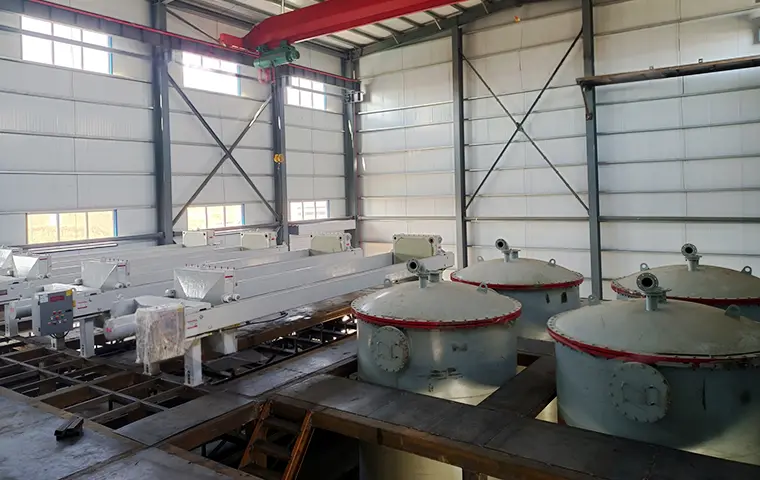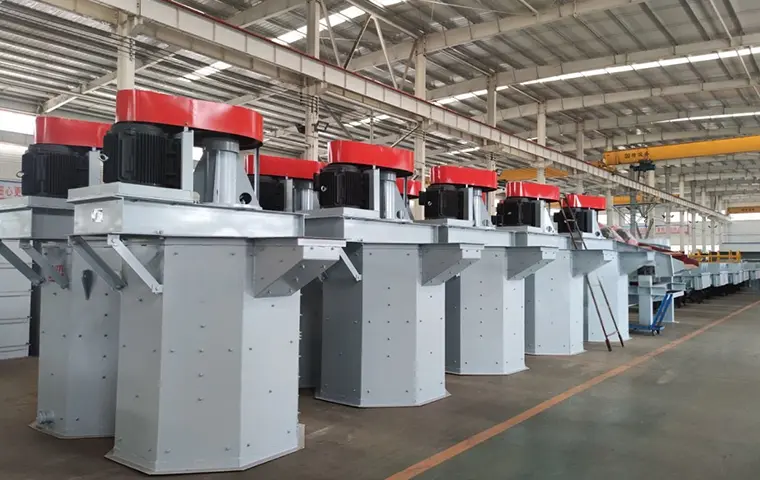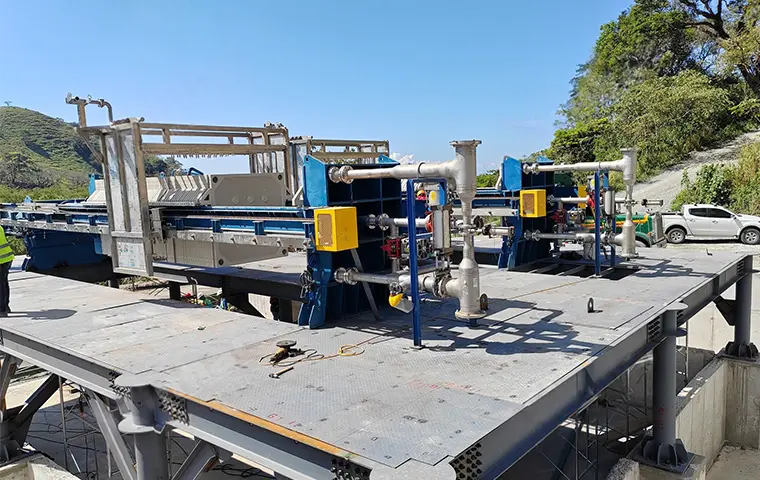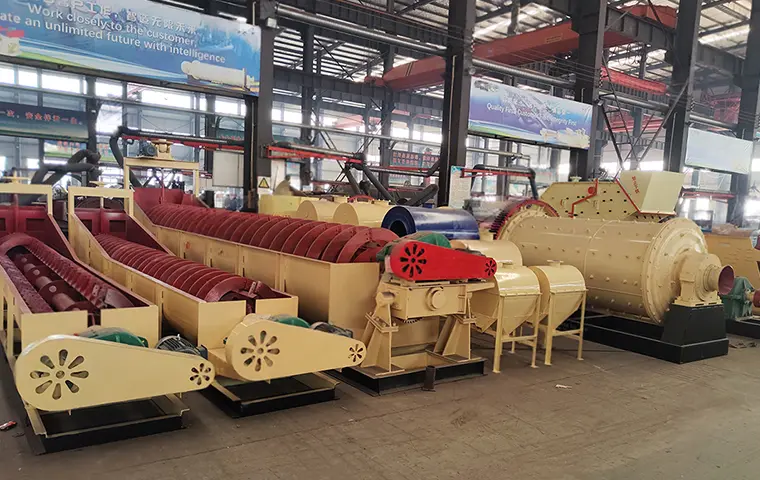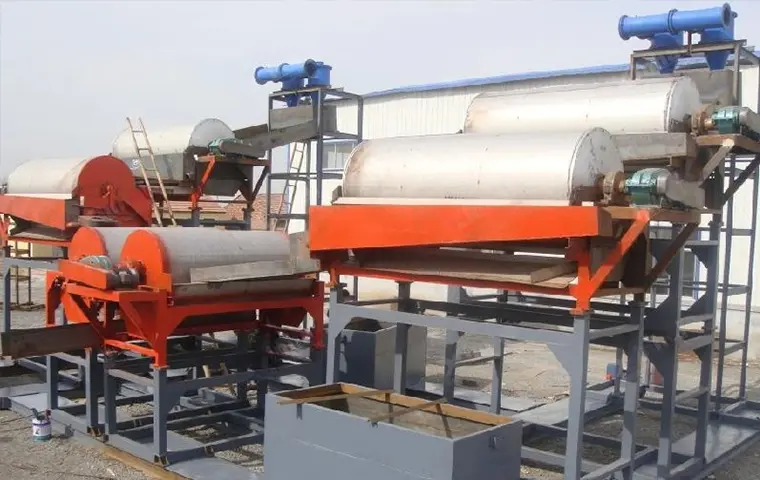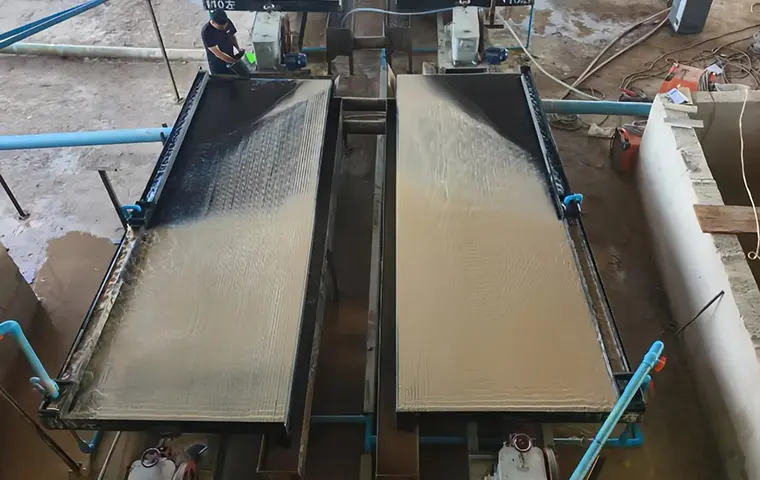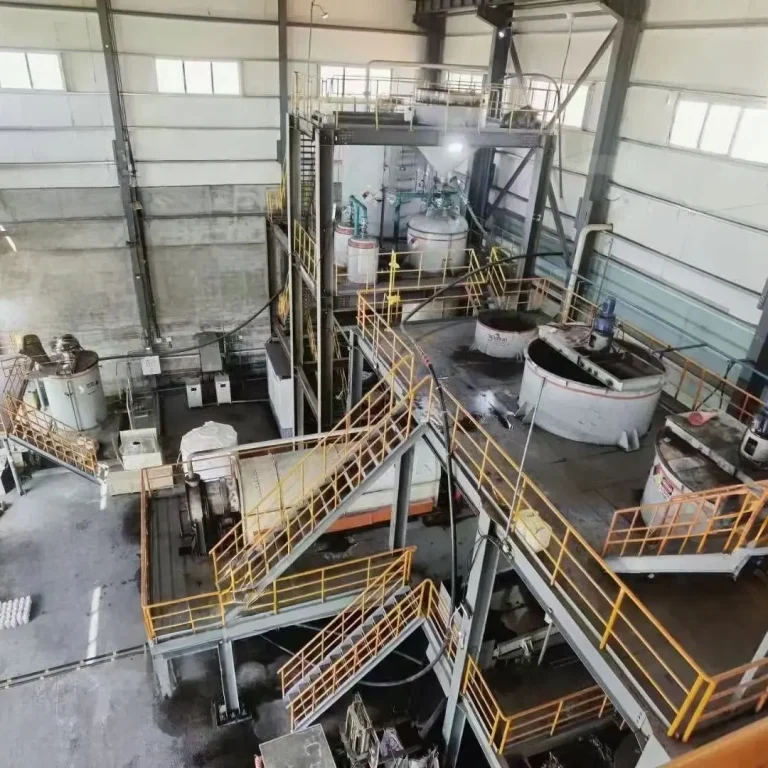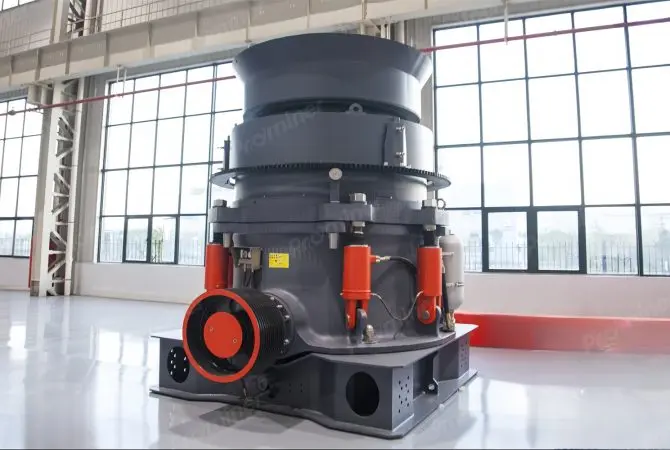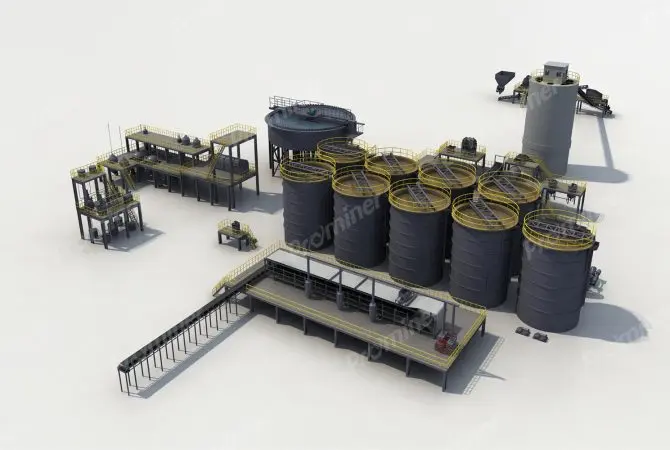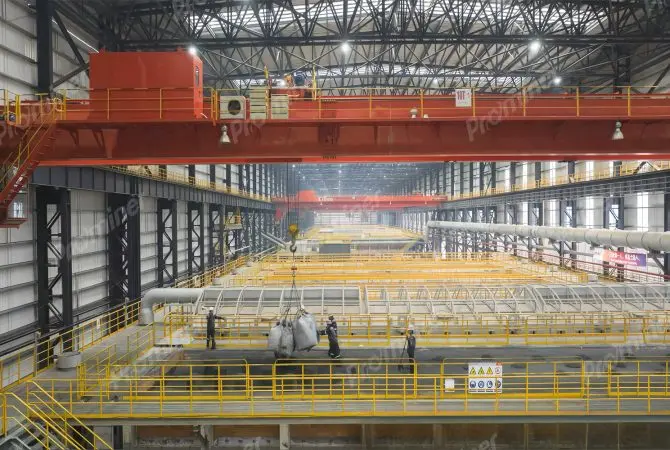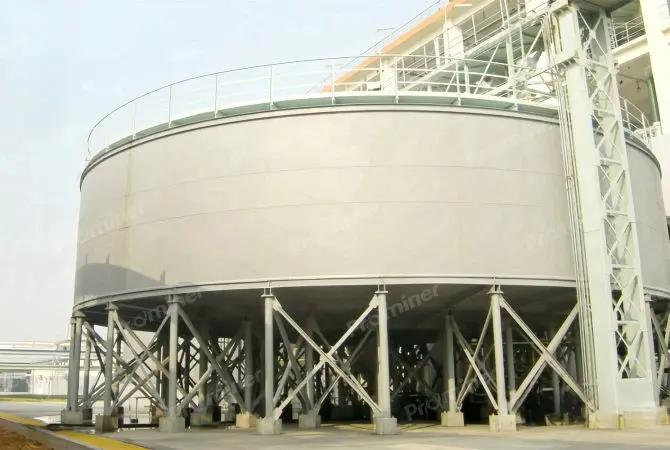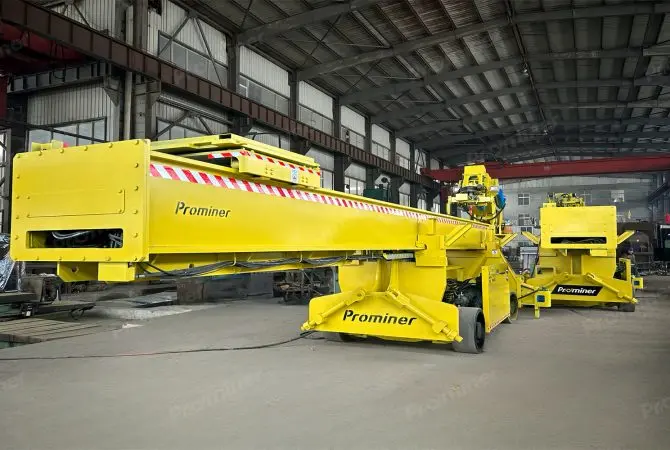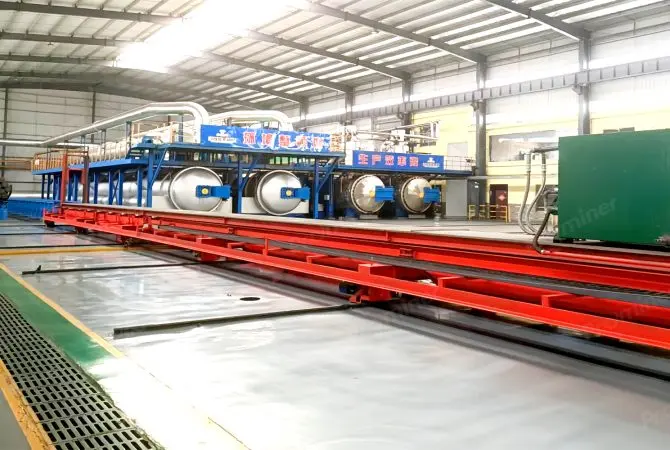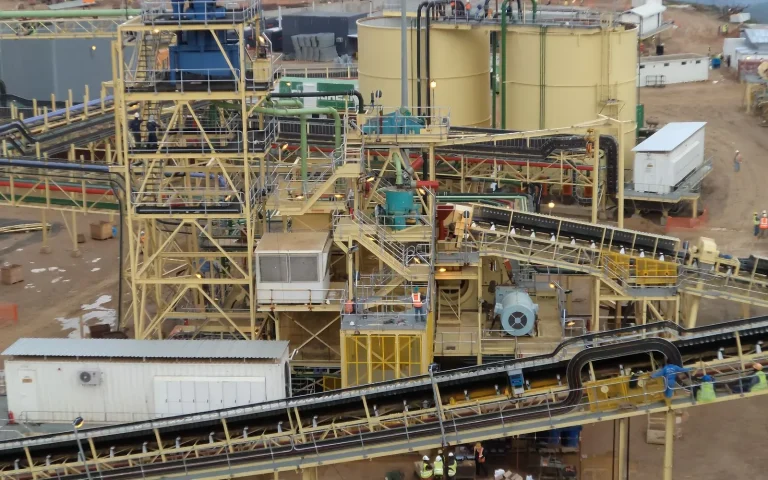
金鉱石処理プロセスにおける重要な設備、例えばCIL/CIPシステム、フロテーションセル…




Selective flotation is a critical process in the beneficiation of copper-nickel sulfide ores. Since copper and nickel minerals often occur together and exhibit similar surface properties, achieving effective separation requires precise control of reagent systems, pulp chemistry, and process parameters. Below are the key strategies to improve selective flotation performance.
A detailed mineralogical study is the foundation of successful selective flotation. Copper-nickel sulfide ores commonly contain:
Understanding mineral associations, grain size distribution, and liberation characteristics helps determine the appropriate grinding fineness and reagent regime. In many cases, copper and nickel minerals are closely intergrown, requiring staged grinding and flotation.
Adequate liberation of copper and nickel minerals is essential for selective separation. Overgrinding can produce fine particles that reduce flotation selectivity, while undergrinding leads to poor mineral liberation.
ベストプラクティスには次のものが含まれます:
Proper grinding improves reagent selectivity and enhances flotation efficiency.
Selective flotation of copper-nickel sulfide ores is typically achieved through priority flotation, which includes:
In this approach:
This staged process ensures better grade and recovery control.
Reagent selection is crucial for achieving separation between copper and nickel minerals.
コレクター
抑制剤
活性剤
Careful reagent dosage control is essential to prevent unwanted mineral activation.
Pulp chemistry significantly influences flotation selectivity.
High pH conditions help depress pyrite and pyrrhotite, improving copper-nickel separation.
Copper-nickel ores often contain serpentine and talc, which can:
Mitigation methods include:
Effective slime management enhances concentrate grade and recovery.
Modern flotation plants use real-time monitoring systems to optimize performance:
Advanced process control systems help maintain stable flotation conditions and maximize separation efficiency.
Selective flotation performance can vary with ore variability. Continuous laboratory and pilot-scale testing ensures:
Regular test work supports long-term operational stability and economic efficiency.
Achieving selective flotation in copper-nickel sulfide ore processing requires a comprehensive approach that integrates mineralogical analysis, controlled grinding, selective reagent schemes, pulp chemistry management, and advanced process control. By combining these strategies, operators can significantly improve concentrate grade, recovery rates, and overall plant performance.
A:鉱物の特性は、同じ鉱床内でも大きく異なります。プロのテスト(化学分析、XRD、SEMなど)は、フローチャートが特定の鉱石グレードと解放サイズに最適化されていることを保証します。これにより、高価な機器のミスマッチを防ぎ、プロジェクトのために可能な限り高い回収率を保証します。
A: 当社は、コア摩耗部品(例えば、クラッシャーライナー、スクリーンメッシュ、グラインディングメディア)の常時在庫を維持しています。国際的な顧客には、初回購入時に推奨される「2年用予備部品リスト」を提供しています。技術サポートは、リモートビデオを通じて24時間年中無休で利用可能であり、複雑なメンテナンスニーズには現地訪問を手配することもできます。
A: はい。私たちは、機器の設置、試運転、負荷テストを監督するために、シニア機械エンジニアと電気エンジニアのチームを現地に派遣します。また、地元のオペレーターが円滑に長期的に運用できるよう、包括的な現地トレーニングも提供します。
A: もちろんです。私たちはEPCM(エンジニアリング、調達、建設管理)サービスを提供することを専門としています。これには、初期の鉱石テストや鉱山設計から、設備製造、物流、フルスケールのプラント統合まで、緑地から生産へのシームレスな移行を確保するすべてが含まれます。

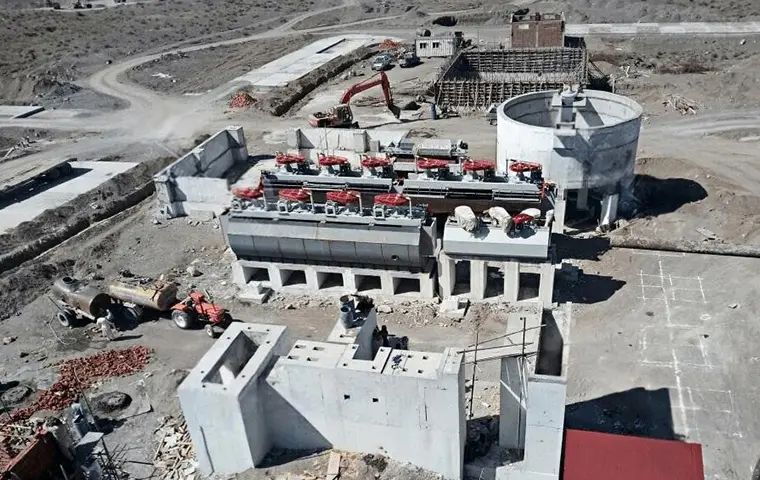
原鉱: ニッケルコバルト laterite鉱石(リモナイト層とサプロライト層) 平均供給品位: Ni: 1.2%、Co: 0.15%
私たちの製品とソリューションについて詳しく知るためには、以下のフォームに記入してください。私たちの専門家の一人がすぐにご連絡いたします
ファックス: (+86) 021-60870195
住所:中国、上海、浦東、秀浦路2555号
著作権 © 2023.プロマイナー(上海)鉱業技術有限公司