How to Choose Between Different Iron Ore Beneficiation Processes?
Choosing the right iron ore beneficiation process depends on multiple factors related to the ore’s characteristics, economic considerations, and operational requirements. Below are the key steps and factors to guide the decision-making process:
1. Analyze Ore Characteristics
Understanding the physical and chemical properties of the ore is essential for selecting the beneficiation method. Key parameters include:
- Ore composition: Determine the percentage of iron content and impurities (e.g., silica, alumina, phosphorus, sulfur).
- 鉱物学: Identify the dominant iron-bearing minerals (e.g., hematite, magnetite, goethite, siderite) and associated gangue minerals.
- 粒度分布: Evaluate the size of the ore particles, as it influences grinding and separation processes.
- 鉱石硬度: Determines the energy and equipment needed for communition.
2. Assess Ore Processing Requirements
- Grade of iron ore: Lower-grade ores may require more complex processes to achieve the desired product quality.
- 解放サイズ: The process must effectively separate iron minerals from gangue material.
- Reduction and separation efficiency: Maximize recovery and minimize losses during beneficiation.
3. Evaluate Available Beneficiation Techniques
Common iron ore beneficiation processes include:
A. Magnetic Separation
- Suitable for magnetite ore with high magnetic susceptibility.
Low energy costs and highly efficient, but ineffective for hematite and other non-magnetic ores.
B. Flotation
- Suitable for fine-grained ore and ores with silica or other impurities.
Requires chemical reagents; involves fine grinding and particle sorting in froth.
C. Gravity Separation
- Ideal for coarse-grained iron ores with distinct density differences between iron minerals and gangue.
Techniques include jigging, shaking tables, or spirals.
D. Crushing, Grinding, and Sizing
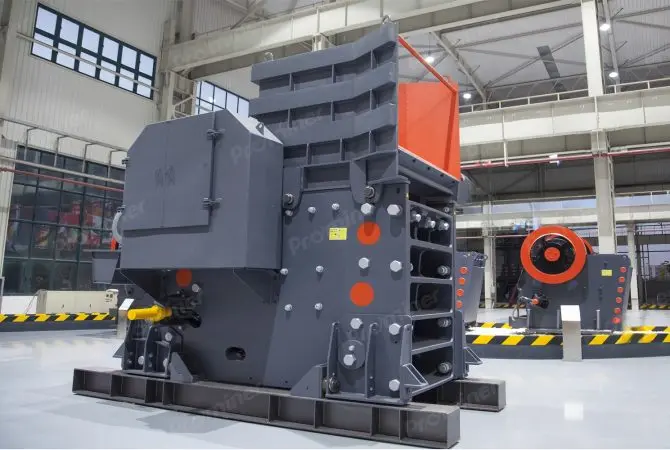
- Initial stages to achieve optimal liberation of ore phases.
Necessary for all types of iron ore beneficiation processes.
E. Selective Agglomeration
Used for fine and ultra-fine particles, where selective binding occurs between iron minerals to facilitate separation.
F. Chemical Processes (e.g., Hydrometallurgy)
- Used for ores with high levels of phosphorus, sulfur, or other impurities.
Rarely used due to higher costs and complexity.
G. Sintering and Pelletizing
- Often complement beneficiation, converting concentrated ore into usable feedstock for steel production.
4. Economic and Operational Considerations
- コスト効率: Assess the cost of equipment, energy consumption, reagent use, and labor.
- スケーラビリティ: Determine whether the chosen process can handle the expected production scale.
- Environment regulations: Ensure the beneficiation process complies with environmental standards.
- Availability of resources: Consider accessibility to water, energy, and raw material inputs.
5. Pilot Testing and Simulation
Before committing to a full-scale operation:
- Conduct small-scale tests to validate the effectiveness of various processes.
- Use modeling software to simulate beneficiation efficiency and predict outcomes.
6. Consider the End-Use Application
- Steel producers often specify the grade and characteristics of iron ore concentrates required.
- Ensure the chosen process meets product specifications for the intended market.
7. Hybrid Approaches
Some ores benefit from combining multiple beneficiation methods, e.g.:
- Pre-concentration through gravity followed by flotation.
- Magnetic separation combined with flotation for both magnetite and hematite ores.
8. Industry Benchmarks and Case Studies
- Examine proven processes in similar mines and ores.
- Leverage industry knowledge from consultants or technical specialists.
By thoroughly analyzing the ore, assessing economic and environmental factors, and testing different approaches, you can select an optimal beneficiation process tailored to your specific operation.
FAQ(よくある質問)
A:鉱物の特性は、同じ鉱床内でも大きく異なります。プロのテスト(化学分析、XRD、SEMなど)は、フローチャートが特定の鉱石グレードと解放サイズに最適化されていることを保証します。これにより、高価な機器のミスマッチを防ぎ、プロジェクトのために可能な限り高い回収率を保証します。
A: 当社は、コア摩耗部品(例えば、クラッシャーライナー、スクリーンメッシュ、グラインディングメディア)の常時在庫を維持しています。国際的な顧客には、初回購入時に推奨される「2年用予備部品リスト」を提供しています。技術サポートは、リモートビデオを通じて24時間年中無休で利用可能であり、複雑なメンテナンスニーズには現地訪問を手配することもできます。
A: はい。私たちは、機器の設置、試運転、負荷テストを監督するために、シニア機械エンジニアと電気エンジニアのチームを現地に派遣します。また、地元のオペレーターが円滑に長期的に運用できるよう、包括的な現地トレーニングも提供します。
A: もちろんです。私たちはEPCM(エンジニアリング、調達、建設管理)サービスを提供することを専門としています。これには、初期の鉱石テストや鉱山設計から、設備製造、物流、フルスケールのプラント統合まで、緑地から生産へのシームレスな移行を確保するすべてが含まれます。