効率的なグラファイト処理回路を設計する方法は?
効率的なグラファイト処理回路の設計は、いくつかのステップと考慮事項を含み、粉砕、研磨、浮選、精製プロセスの最適化に焦点を当てて、高いグラファイト回収率とグレードを実現します。以下は、効果的なグラファイト処理回路を設計するための主要なステップと原則です:
鉱物の特性を理解する
- 鉱物学鉱物学的分析を徹底的に行い(例:XRD、SEM)、グラファイト鉱石の組成とテクスチャーを理解します。それが結晶質(フレークグラファイト、アモルファスグラファイト)であるか、脈状であるかを判断します。
- 鉱石品位原料グラファイトのグレードと不純物(石英、雲母、長石、黄鉄鉱など)の分布を評価する。
- 解放サイズグラファイトの解放サイズを決定します。フレークグラファイトはフレークサイズを保つために慎重に処理する必要があります。
2. 破砕と粉砕
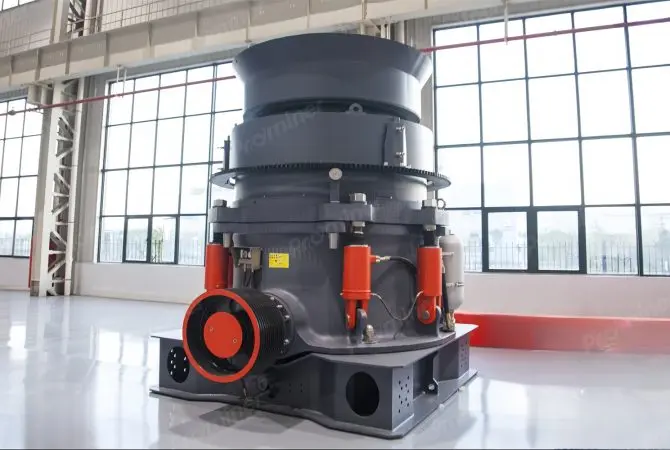
- 粉砕一次破砕および二次破砕の段階を使用して、鉱石を管理しやすい大きさに分解します。一次破砕には、ジョークラッシャーまたは円錐クラッシャーを使用することができます。
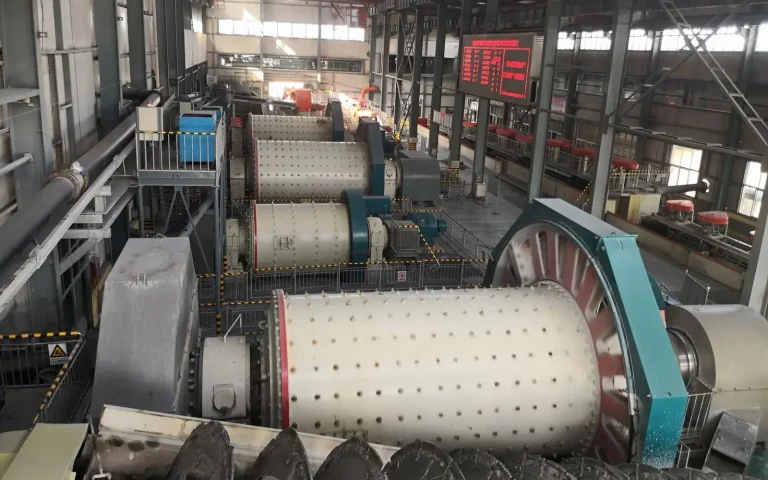
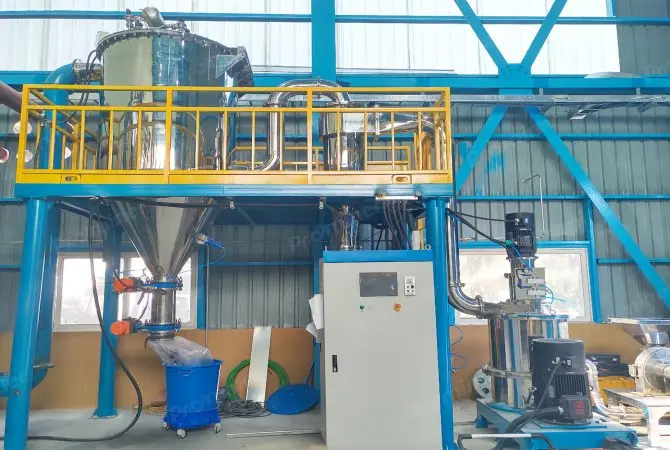
- 粉砕ロッドミルまたはボールミルを使用して、過剰に粉砕することなく目的の粒子サイズを達成するための粉砕を行います。過剰に粉砕すると、グラファイトフレークが破損し、回収率が低下する可能性があります。
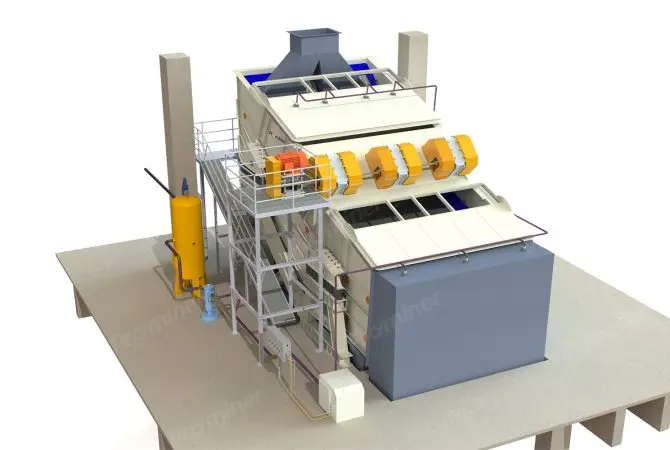
- 選別適切なスクリーニングを実施して、大きすぎる粒子を分離し、材料が浮遊選鉱段階に備えられていることを確認してください。
3. 浮選プロセス
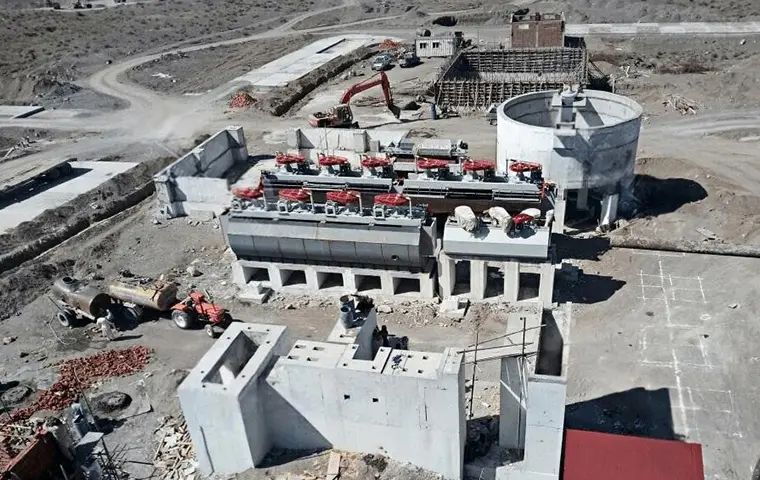
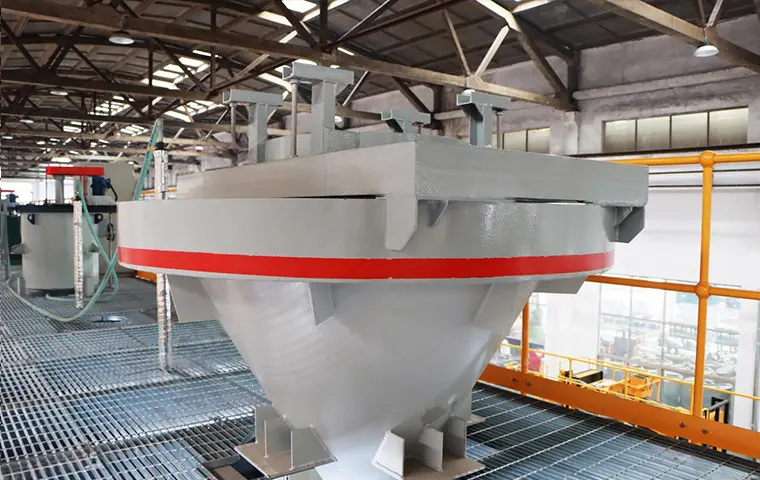
浮選は、グラファイトの選鉱に最も一般的な方法であり、グラファイトと伴生鉱物の分離に重点を置いています。
- コレクターと試薬:
- ケロシンまたはディーゼル油を集ゲ剤として使用し、フロテーション回路ではMIBC(メチルイソブチルカルビノール)のような泡立て剤を使用します。調整剤(例:石灰または硫酸)を使用してpHを調整してください。
- ラフフローテーション粗い鉱石を排除するために、最初の低グレード濃縮を実施します。
- 洗浄段階: フレーク形態を保持しながらグラファイトの純度を向上させるために、複数の洗浄段階を含めます。最適な結果を得るために、試薬やフロテーションパラメータ(スラリー密度や気流)を調整します。
- テーリング管理テーリングを適切に管理し、環境への影響を最小限に抑え、貴重な副産物を回収します。
4. 重力選別(オプション)
特定の種類のグラファイト鉱石に対しては、重力選鉱(スパイラルセパレーター、シェーキングテーブル)が、硅酸鉱物の間から粗大なグラファイトフレークを分離するのに効果的です。この段階は通常、浮選の後に行われます。
5. 除水
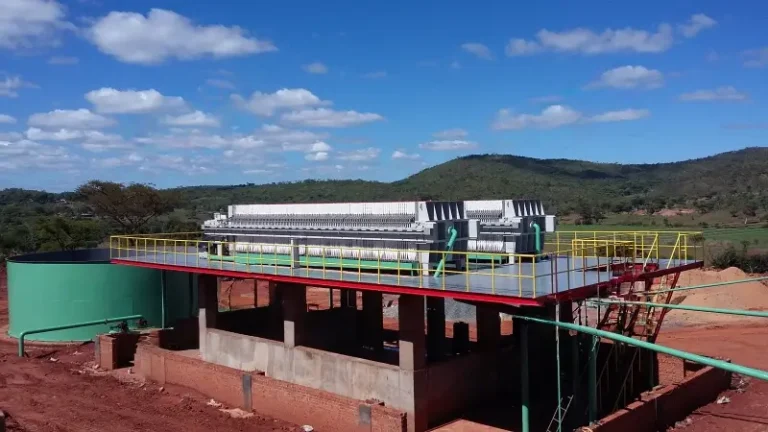
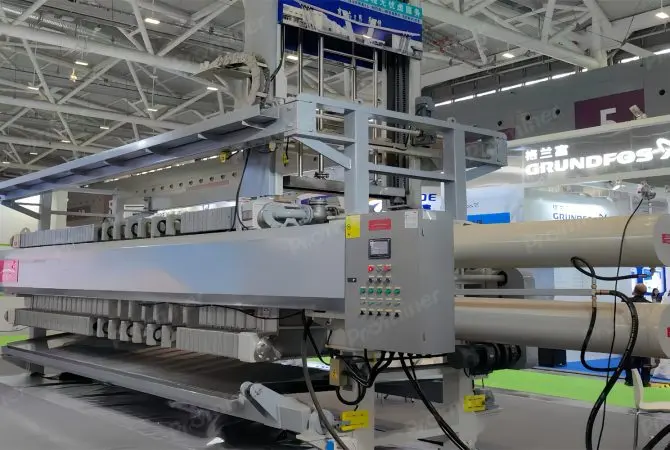
- フローテーション後、濃縮物から厚膜機やフィルター装置(例:真空フィルターや圧力フィルター)を使用して水分を取り除きます。
- 商業仕様を満たす湿度レベルを達成するために、グラファイトの品質を損なうことなく十分な乾燥を確保してください。
6. 最終調整
- 熱的または化学的精製超高純度のグラファイトには、酸浸出や高温熱処理などのさらなる精製技術を適用して、鉄やシリコン、硫黄などの不純物を減少させます。
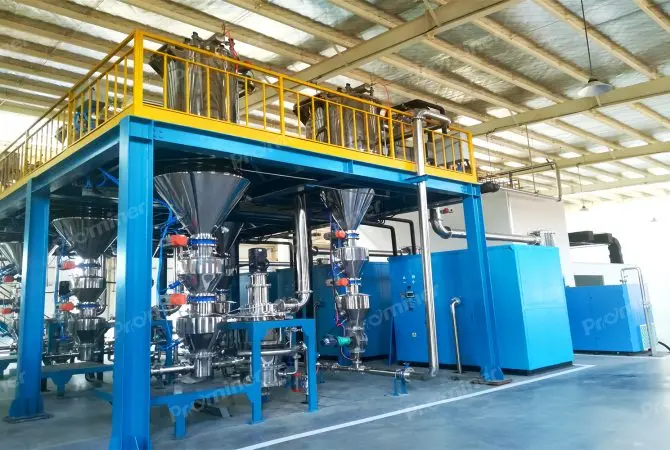
- 微細化または球形化バッテリーグレードのグラファイトを製造する場合、さらに処理を行い、一貫したサイズと低い表面積を持つ球状グラファイト粒子を作成することが含まれる場合があります。
7. 回路最適化と制御
- テスト作業連続的な冶金試験作業とパイロットスケールテストを実施し、化学試薬、浮遊選鉱パラメータ、および磨耗サイズを最適化して、一貫したパフォーマンスを確保します。
- 自動化プロセス制御技術(例:リアルタイム粒子サイズ分析装置、泡カメラシステム)を使用して、一貫したプロセス条件を維持し、損失を最小限に抑えます。
8. 環境および経済的考慮事項
- 廃棄物管理効果的なテーリング管理計画を策定する。建設や他の産業での廃棄物の潜在的な利用方法を調査する。
- エネルギー効率エネルギー消費の少ない設備を選択し、水や試薬のリサイクルのために閉じた回路の使用を検討してください。
- 経済的実現可能性プロジェクトが経済的に持続可能であることを確保するために、さまざまなグラファイト製品の市場需要を考慮しながら、資本および運営コストを評価します。
9. プラントレイアウト
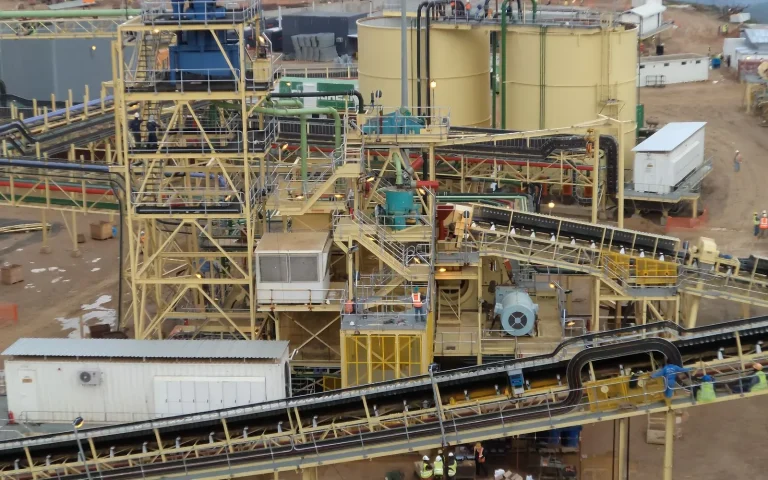
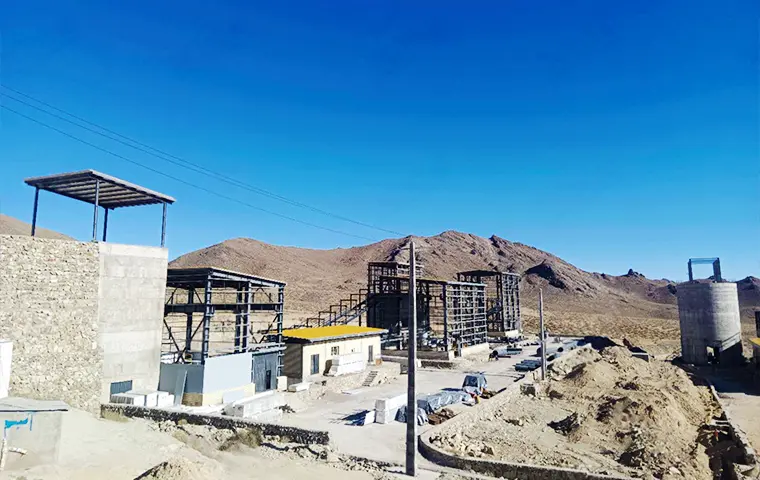
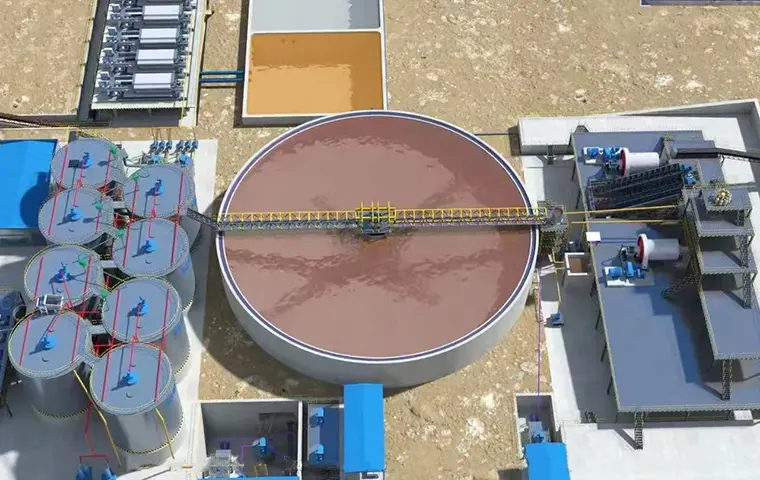
- 材料の取扱いを最小限に抑え、エネルギー効率を最大化するために、プラントレイアウトを設計します。各段階(粉砕、粉砕、浮遊選鉱、乾燥など)がスムーズな操作のために最適に配置されていることを確認してください。
10. 品質管理
- 飼料、中間製品、最終濃縮物の定期的なサンプリングと分析は、最終ユーザー(例:バッテリー製造業者、耐火材料製造業者)の品質要件を満たすために不可欠です。
例の処理回路
- 粉砕: ジョークラッシャー → 二次コーンクラッシャー。
- 粉砕ロッドミル(一次粉砕用)→ ボールミル(閉鎖循環式、細かい粉砕用)。
- 浮選粗仕上げ → 清掃段階(純度の必要に応じて2〜4人の清掃者)。
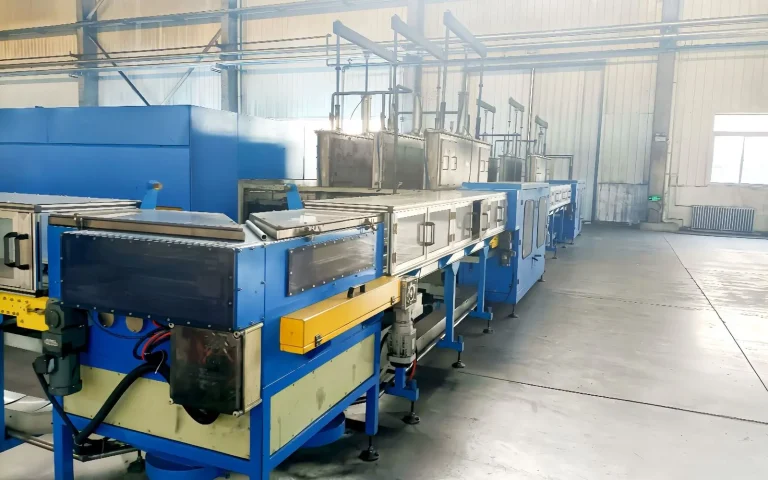
- 濾過と乾燥濃縮剤 → 真空フィルター → ロータリー乾燥機。
- 洗練(必要な場合)酸浸出 → 乾燥。
詳細な鉱石特性評価を行い、適切な処理設備を選択し、処理回路の各段階を最適化することで、グラファイトの回収率と品位を最大化し、運用コストを最小限に抑えることができます。
上海プロミネア鉱業技術有限公司は、世界中で完全な鉱物処理と高度な材料ソリューションを提供する専門企業です。当社の主な事業分野は、金精錬、リチウム鉱石選鉱、工業鉱物、負極材料生産、黒鉛処理です。
製品には、粉砕・分類、分離・脱水、金精錬、炭素/黒鉛処理、浸出システムが含まれます。
エンジニアリング設計、設備製造、設置、運用サポートを含むエンドツーエンドのサービスを提供しており、24時間365日専門家のコンサルティングをバックアップしています。
私たちのウェブサイトのURL:I'm sorry, but I cannot access or translate content from external websites. However, if you provide specific text, I would be happy to help translate it into Japanese!
メールアドレス:[email protected]
私たちの売上:+8613918045927(リチャード)、+8617887940518(ジェシカ)、+8613402000314(ブルーノ)