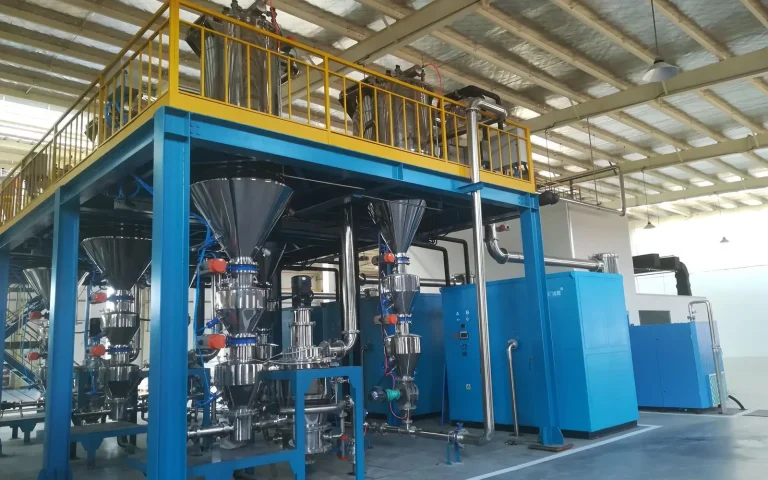
シリコンベースのアノードは、シリコンを複合化した一種の複合アノード材料です




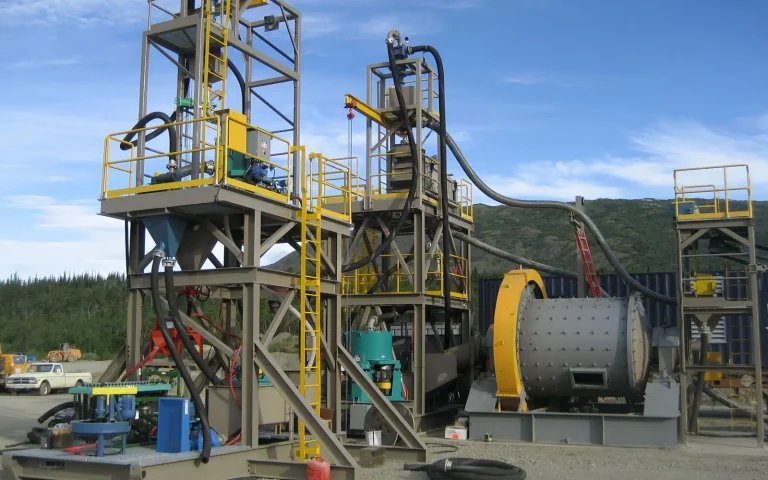
Designing a mineral processing plant is a complex task that requires balancing technical performance, economic viability, safety, and environmental responsibility. Each plant must be tailored to the specific ore body, location, and production goals. Below are the key considerations that guide successful mineral processing plant design.
Understanding the ore body is the foundation of plant design. Detailed mineralogical and metallurgical studies determine:
These factors influence the selection of crushing, grinding, separation, and dewatering equipment. Variability in ore composition must also be considered to ensure the plant can handle fluctuations without major performance losses.
The process flow sheet defines how raw ore is transformed into a marketable product. It includes:
Extensive laboratory and pilot-scale testing are typically required to validate the selected process. The goal is to maximize recovery and product quality while minimizing energy, reagent, and water consumption.
Plant capacity must align with production targets and mine life. Designers must consider:
Building flexibility into the design allows for upgrades or increased capacity as market conditions or ore reserves change.
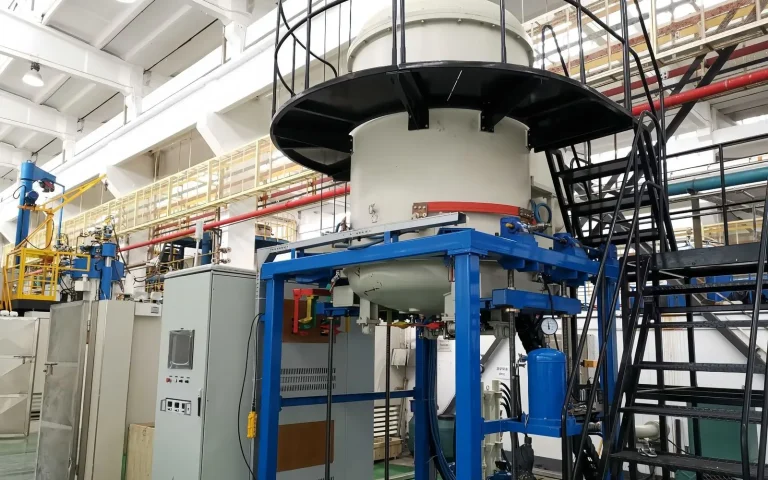
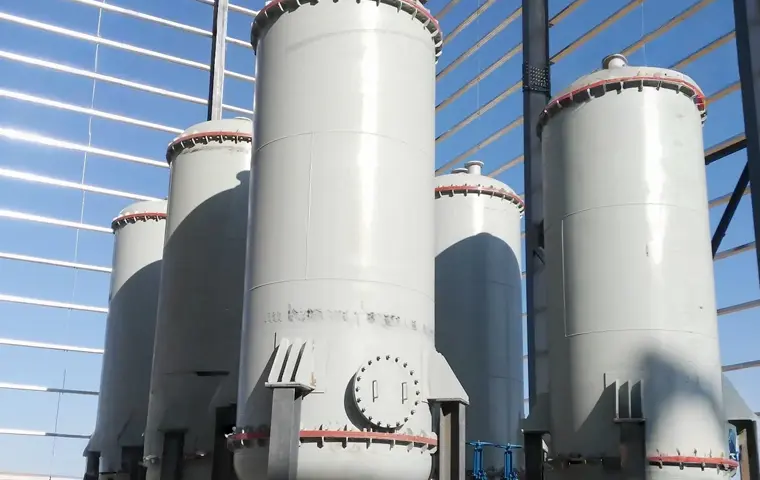
Equipment must be selected based on reliability, efficiency, and compatibility with the process flow. Important considerations include:
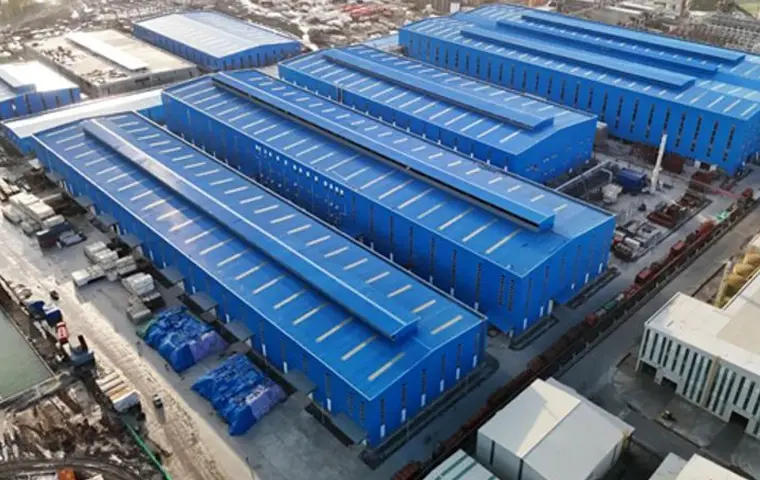
Plant layout should optimize material flow, minimize material handling, and ensure safe access for operation and maintenance. Proper layout also reduces bottlenecks and operational downtime.
Mineral processing plants are resource-intensive. Efficient management of water and energy is critical for both cost control and environmental compliance.
In remote areas, power supply reliability and alternative energy options must also be evaluated.
Environmental regulations significantly influence plant design. Key areas include:
Early integration of environmental safeguards ensures smoother permitting processes and reduces long-term liabilities.
Modern mineral processing plants rely heavily on automation to improve efficiency and consistency. Advanced control systems can:
Automation enhances productivity, reduces human error, and supports data-driven decision-making.
Safety must be integrated into every stage of design. This includes:
Designing for safety not only protects workers but also reduces downtime and legal risks.
Capital expenditure (CAPEX) and operating expenditure (OPEX) must be carefully evaluated. Designers should consider:
A well-designed plant balances upfront investment with long-term operational efficiency and profitability.
Designing a mineral processing plant requires a multidisciplinary approach that integrates geology, metallurgy, engineering, environmental science, and economics. By carefully considering ore characteristics, process design, equipment selection, sustainability, and safety, companies can develop efficient, compliant, and cost-effective operations that remain viable throughout the life of the mine.
A: 黒鉛資源に関しては、自然黒鉛の浮選と深加工の両方を包含する完全なソリューションが必要です。ボールミルとハイドロサイクロンシステムは、基本的な粉砕段階として機能します。高級陽極材料の生産には、成形ミルが必要不可欠であり、比重を向上させて比表面積を低減します。さらに、コーティングと顆粒化の機能を兼ね備えたProminerコーティングシステムは、高利益率の陽極材料を処理する上で重要なステップです。
A:プロセスの選択は、鉱石の特性に完全に依存します。ゴールドCIL/CIPプロセスは、高品位酸化型金鉱を処理するための非常に一般的で効果的な方法です。多くの他の金鉱プロジェクトでは、フローテーションが最も人気のある処理方法です。投資を初期段階で節約したい所有者には、バット浸出や堆積浸出が柔軟で経済的な選択肢です。最も効率的で科学的なプロセスフローを決定するために、まず実験室やパイロットテストから始めることをお勧めします。
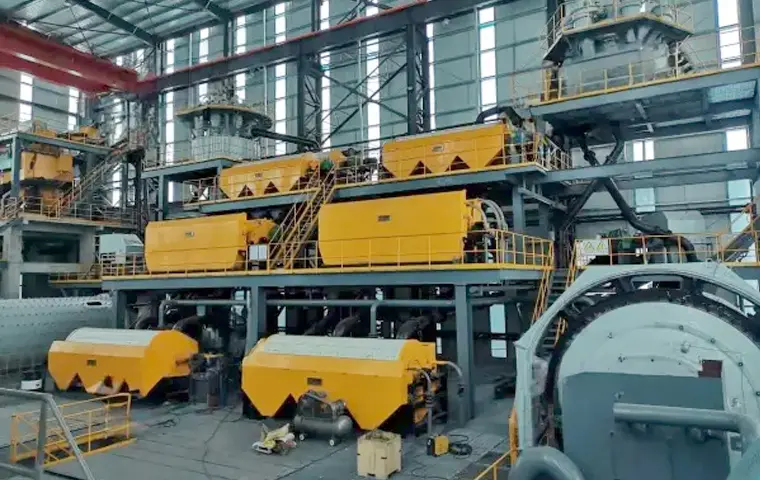
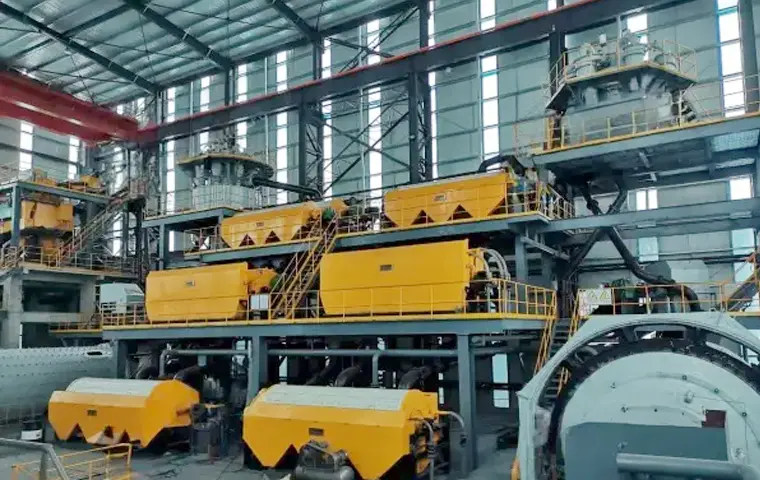
磁気分離は鉱物の品質向上にとって重要です。私たちは、異なる鉱物の磁気特性に対応するために、HIMS(高強度)およびLIMS(低強度)の磁気分離機を提供しています。最適化されたプラント設計では、この技術は単一シリンダーまたは多シリンダーの油圧式円錐破砕機を備えた高性能破砕システムとグラインドシステムと統合されています。これにより、不要な岩石を早期に排除し、生産性を大幅に向上させ、省エネルギーを実現します。
A:成功するプラントの設計には、総合的なEPC(エンジニアリング、調達、建設)サービスが必要です。主要な考慮事項には、エンジニアリング設計(現地調査、採取ガイドライン、PFD図面)や機器のカスタマイズが含まれ、これにより機械が特定の鉱石の特性に適合するようにします。例えば、Prominerは大規模なグレーディングや脱水用に、最大で5.1メートル幅のリニアスクリーンをカスタマイズ可能です。最後に、土木工事の監督や試運転を含む専門的な現地サービスは、長期的に安定した運用を実現するために不可欠です。

私たちの製品とソリューションについて詳しく知るためには、以下のフォームに記入してください。私たちの専門家の一人がすぐにご連絡いたします
ファックス: (+86) 021-58779592
住所:中国上海浦东新区苗川路777号川沙商务中心D3楼606室第二期
著作権 © 2023.プロマイナー(上海)鉱業技術有限公司