Which Flotation Techniques Separate Chalcopyrite from Pyrrhotite?
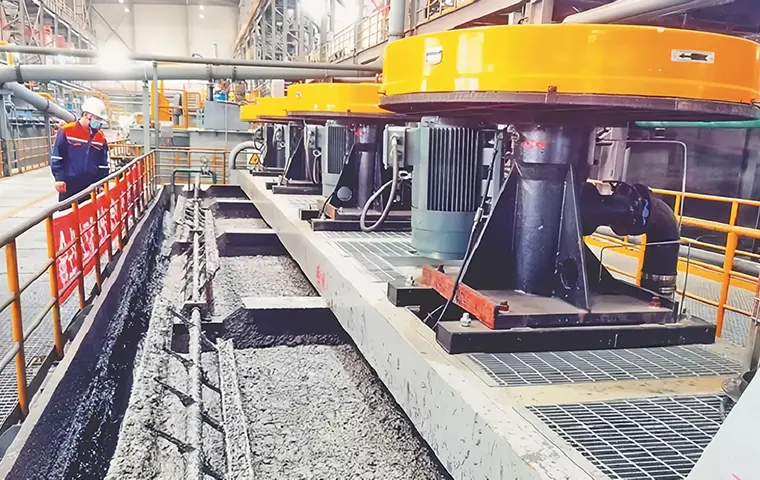
The flotation techniques used to separate chalcopyrite (a copper-iron sulfide mineral) from pyrrhotite (an iron sulfide mineral) typically involve differences in their surface properties and interaction with flotation reagents. To achieve effective separation, froth flotation with appropriate reagents and conditions is employed. Below are the main techniques used for their separation:
1. Selective Depression of Pyrrhotite
- Pyrrhotite can be selectively depressed using reagents that inhibit its flotation, allowing chalcopyrite to remain floatable. Common depressants include:
- Lime (CaO): Adjusts pH to alkaline conditions, which can depress pyrrhotite while allowing chalcopyrite to float.
- Sodium metabisulfite (SMBS): Acts as a reducing agent and depresses pyrrhotite by altering its surface chemistry.
- Sodium cyanide (NaCN): Sometimes used as a depressant for pyrrhotite to improve chalcopyrite selectivity. However, its use is limited due to environmental concerns.
2. pH Control
- pH plays a critical role in the separation process:
- Chalcopyrite floats well in slightly alkaline conditions (pH ~9-10).
- Pyrrhotite tends to depress at higher pH levels (above ~9.5).
- Lime or other alkaline reagents are commonly used to control pH during flotation.
3. Use of Collectors
- Collectors like xanthates (such as potassium amyl xanthate, PAX) selectively bind to chalcopyrite, making it more hydrophobic and promoting its flotation.
- Collectors often have reduced affinity for pyrrhotite under optimized conditions.
4. Oxidation/Surface Pretreatment
- Surface oxidation of pyrrhotite can enhance its depression. For example:
- Conditioning with oxygen or hydrogen peroxide can render pyrrhotite less floatable by forming hydrophilic iron oxide layers on its surface.
- Chalcopyrite remains relatively less affected by this process and stays floatable.
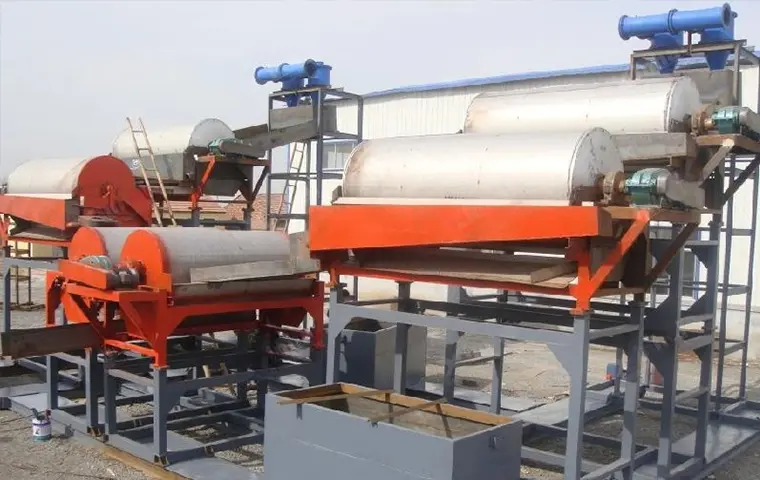
5. Magnetic Separation as a Pre-Treatment
- Pyrrhotite exhibits magnetic properties, whereas chalcopyrite is non-magnetic.
- Magnetic separation can be used prior to flotation to remove pyrrhotite, improving the efficiency of later flotation steps.
6. Modified Reagents/Approaches
- Advanced reagents, such as new polymer-based depressants or selective flotation reagents, may be employed to separate the two minerals more effectively.
- Specialized reagents are developed for specific ore types and processing conditions.
Practical Considerations
- The efficiency of chalcopyrite-pyrrhotite separation depends on factors like mineral liberation size, ore composition, and the presence of other interfering minerals.
- Process optimization, including reagent dosages and flotation parameters, is crucial to achieving high recovery and concentrate grades.
In practice, a combination of these techniques is tailored to the specific ore being processed in order to achieve successful separation of chalcopyrite from pyrrhotite.
上海プロミネア鉱業技術有限公司は、世界中で完全な鉱物処理と高度な材料ソリューションを提供する専門企業です。当社の主な事業分野は、金精錬、リチウム鉱石選鉱、工業鉱物、負極材料生産、黒鉛処理です。
製品には、粉砕・分類、分離・脱水、金精錬、炭素/黒鉛処理、浸出システムが含まれます。
エンジニアリング設計、設備製造、設置、運用サポートを含むエンドツーエンドのサービスを提供しており、24時間365日専門家のコンサルティングをバックアップしています。
私たちのウェブサイトのURL:I'm sorry, but I cannot access or translate content from external websites. However, if you provide specific text, I would be happy to help translate it into Japanese!
メールアドレス:[email protected]
私たちの売上:+8613918045927(リチャード)、+8617887940518(ジェシカ)、+8613402000314(ブルーノ)