Which Processing Strategy Fits Your Phosphate Ore Deposit?
Determining the appropriate processing strategy for a phosphate ore deposit depends on various factors, including the ore’s mineralogical composition, texture, impurities, and local economic and environmental considerations. Below is an overview of some common factors and strategies to help identify the best fit for processing your specific phosphate ore deposit.
1. Understand the Characteristics of Your Deposit
鉱物学的組成: Is the phosphate in the form of apatite, fluorapatite, or other minerals?
Grade of Phosphate: What is the P2O5 content in the ore? Low-grade deposits require different processing strategies compared to high-grade deposits.
不純物: What contaminants are present (e.g., silica, clay, dolomite, iron, or heavy metals)?
Grain Size and Texture: Coarse-grained versus fine-grained ore impacts the type of beneficiation required.
Location and Economics: Evaluate operational costs (energy, water, etc.) and transportation logistics.
2. Choose a Beneficiation Approach
The primary aim of phosphate beneficiation is to separate the phosphate-rich material from impurities to achieve the desired P2O5 content.
a)Physical Methods
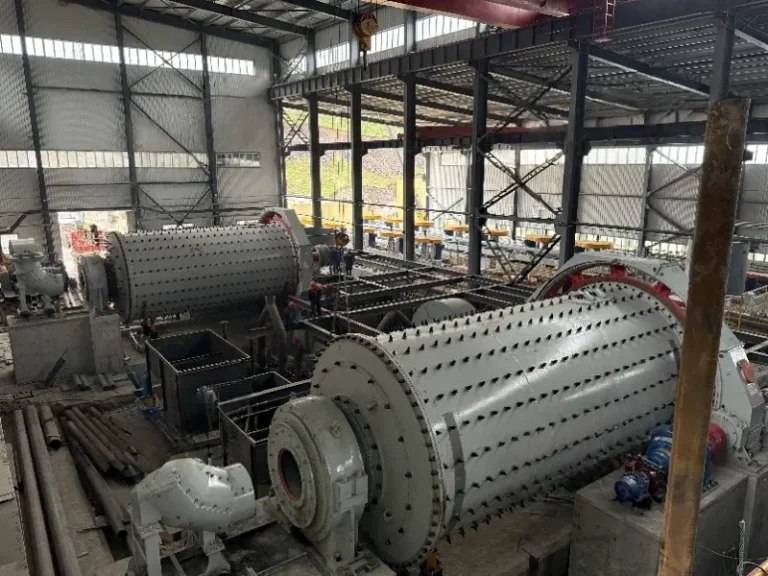
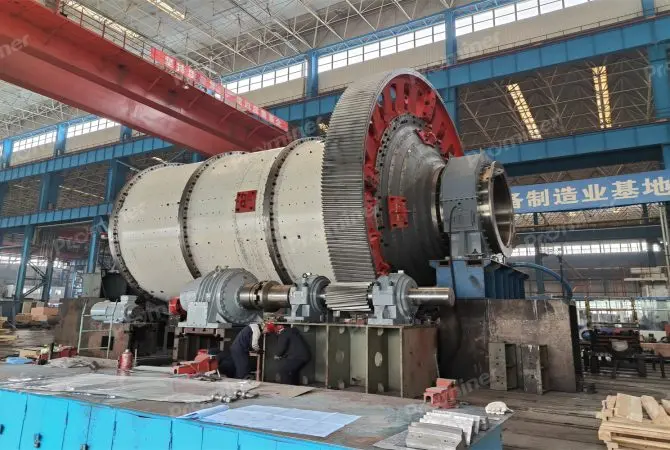
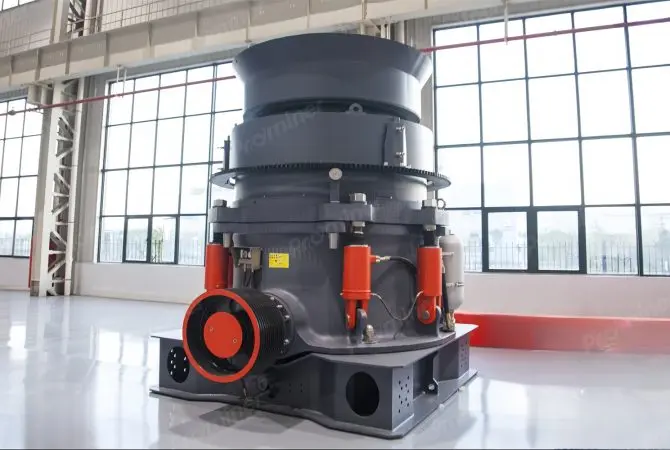
Comminution and Screening: Crushing and grinding to reduce the ore size and separate coarse particles.
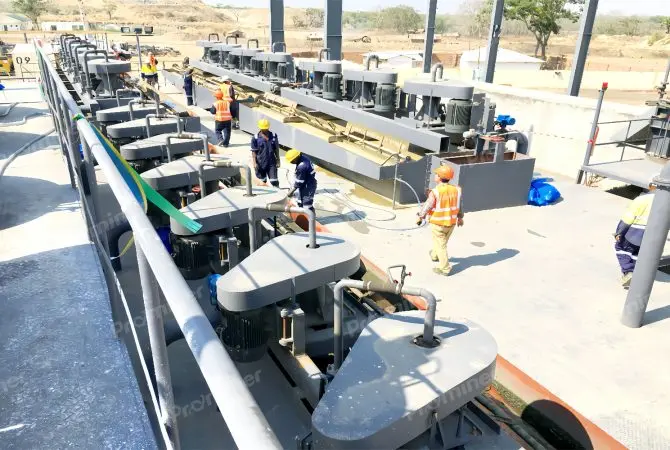
浮選: Common in phosphate ore processing, particularly for fine-grained deposits. For example:
直接浮選 is used to float phosphate minerals selectively.
逆浮選 removes silicates or carbonates as gangue.
重力選鉱: Effective for coarse, heavy phosphate ore with minimal impurities.
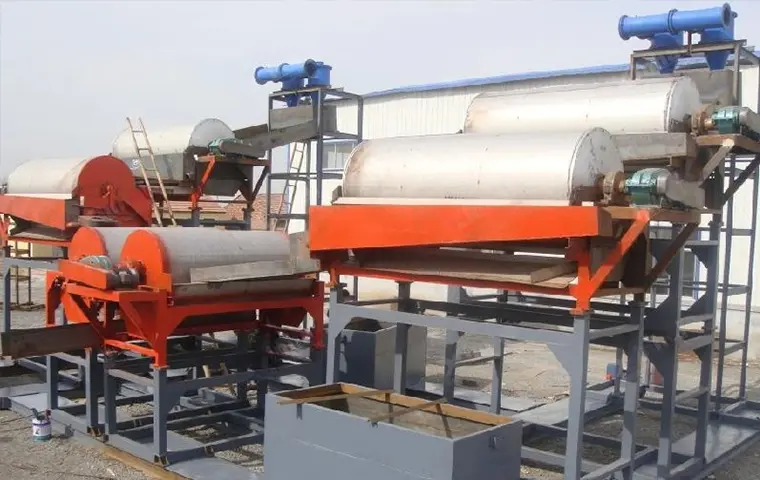
磁気分離機
: Useful when the ore has magnetic impurities like iron oxides.
b)Chemical Methods
酸浸出: Used when there are carbonate impurities or when dissolution of unwanted minerals is required.
微粒子除去: For ore with a high fraction of clay and slime, fine particles are removed before further processing.
Organic Reagents: Innovative reagents and surfactants are sometimes applied to enhance flotation efficiency.
c)熱処理
焼成: Used when the ore contains dolomite or organic material. Heating decomposes carbonates and organics, improving ore quality. However, it is energy-intensive and less commonly used today.
3. Environmental and Water Management
Ensure that the strategy aligns with local environmental regulations.
Evaluate wastewater reuse options to reduce water consumption in flotation and beneficiation processes.
Consider choosing dry processing methods when water availability is limited.
4. Tailings and Byproduct Management
Efficiently manage the tailings (waste rock or slurry) to minimize environmental impacts.
Consider recovering valuable byproducts such as rare earth elements if present in the phosphate ore.
5. Pilot Testing
Conduct mineralogical analyses and beneficiation testing in a laboratory or pilot plant. This step will help determine the most effective method for processing your specific deposit.
6. Scale and Production Setup
Large, high-grade deposits may justify more capital-intensive methods, whereas cost-effective strategies may be preferred for smaller deposits.
Scalability of the processing strategy should align with the deposit size and projected output.
Flotation with advanced grinding and potential for rare earth recovery.
Final Considerations
Each ore deposit’s unique properties require a tailored approach. Work with experts to conduct comprehensive tests and feasibility studies to determine the best method. Additionally, consider sustainability practices and emerging technologies to improve recovery rates and reduce environmental impacts.
What methods are best suited will depend on your data and testing results.