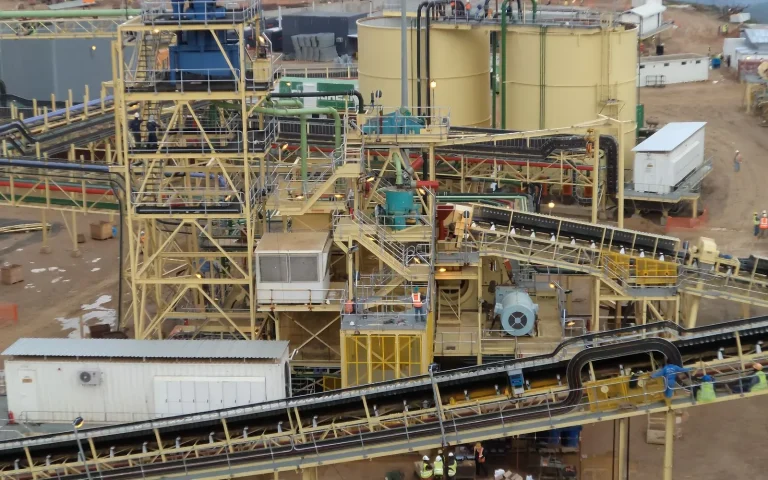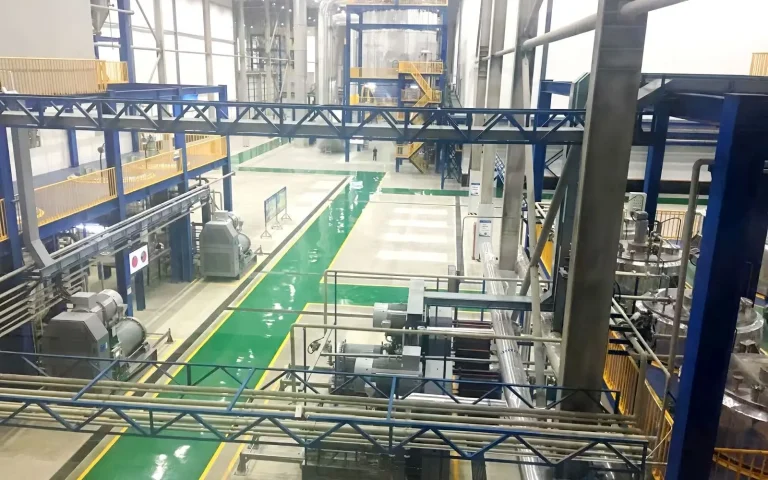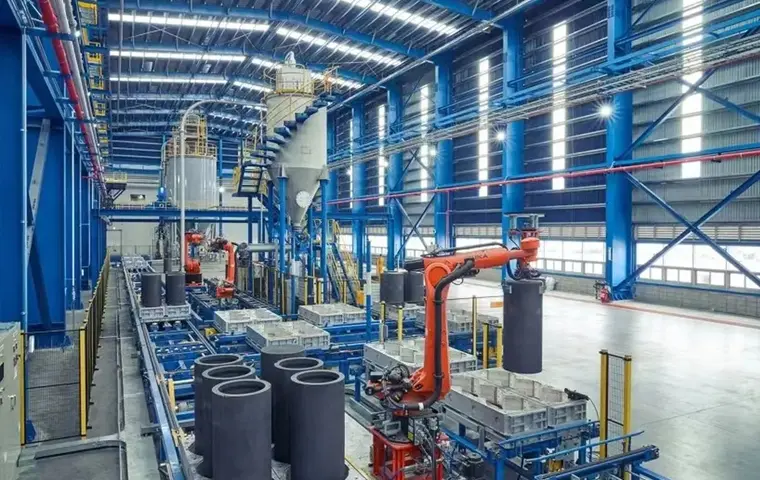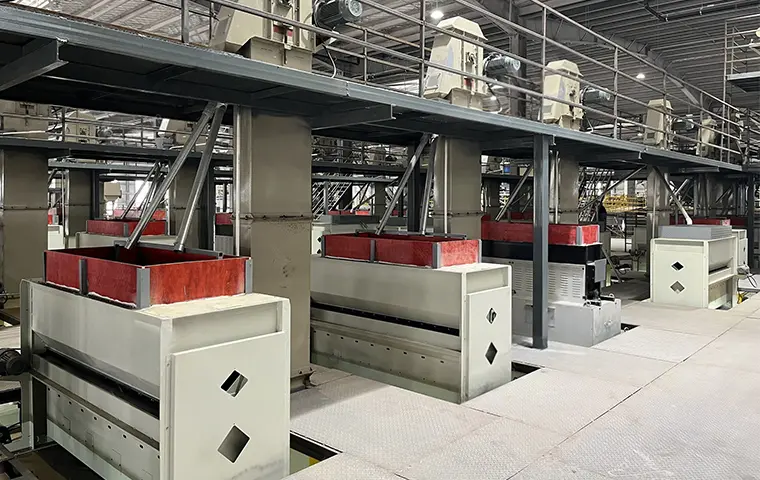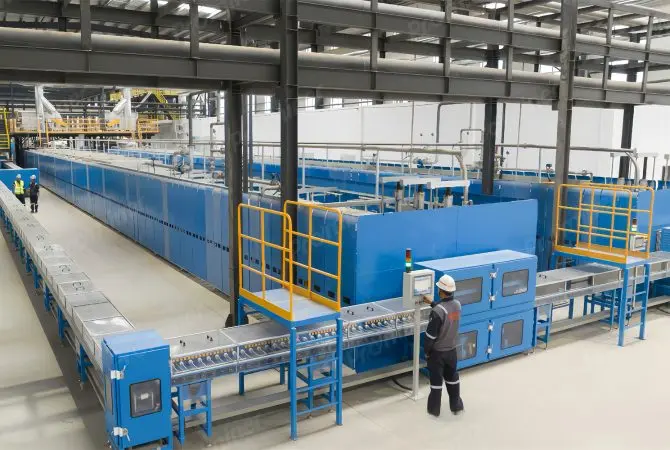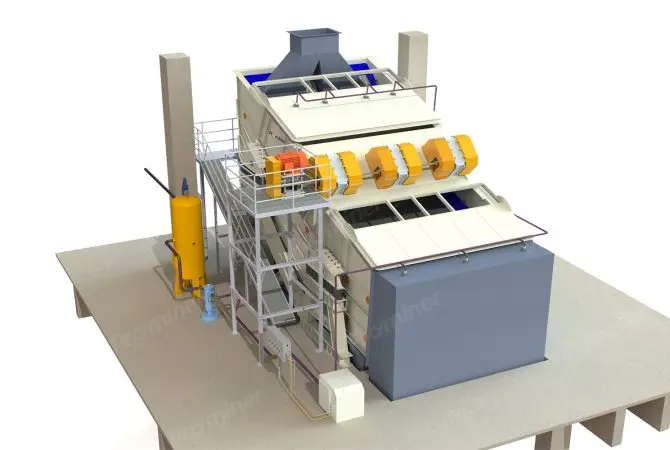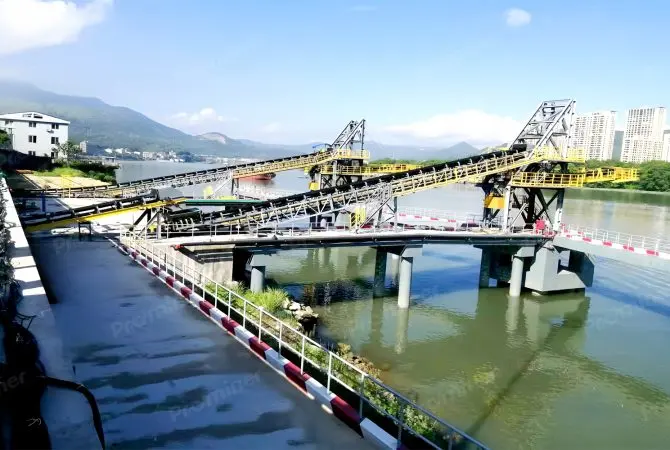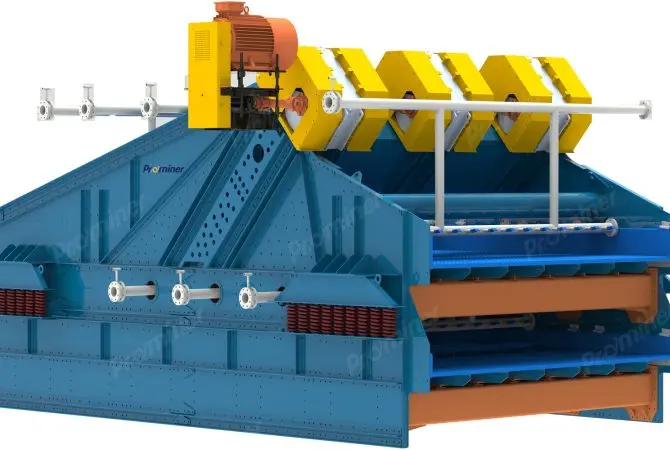

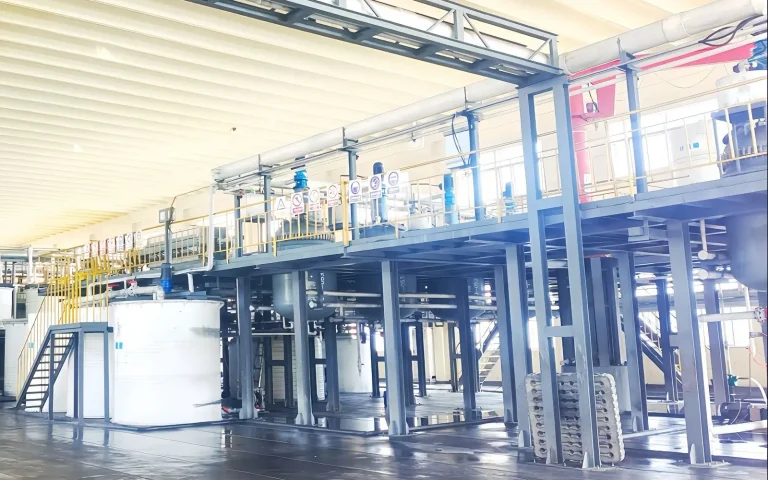
フレークグラファイトは、ハイカーボングラファイト、高純度グラファイト、膨張グラファイトを生産するために使用できます


/
/
Why is “More Crushing and Less Grinding” a Wise Way to Save Energy and Improve Productivity?
In mineral processing and aggregate production, crushing and grinding are two essential size-reduction stages. However, they differ significantly in energy consumption. Crushing typically uses compressive forces to reduce large rocks into smaller pieces, while grinding further reduces material into fine particles through impact and attrition.
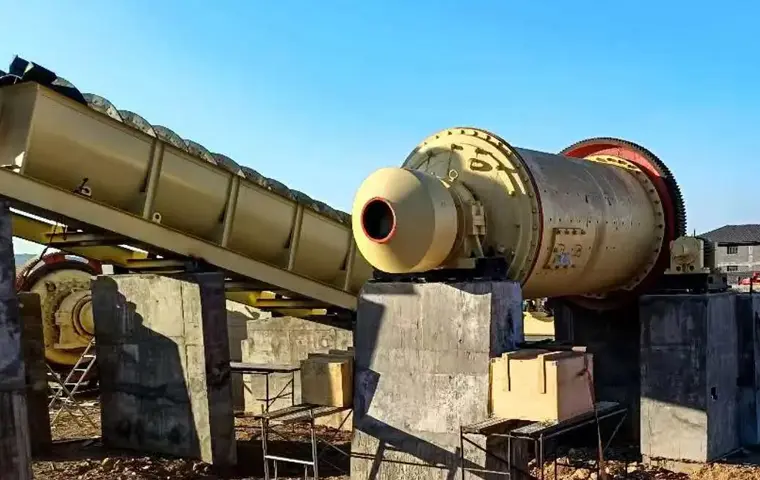
Grinding is far more energy-intensive than crushing. In fact, grinding processes—especially in ball mills or similar equipment—can account for up to 40–50% of total plant energy consumption. This is because grinding requires finer particle sizes, which demand exponentially greater energy input. By shifting more size reduction work to the crushing stage, operations can dramatically reduce overall energy usage.
The concept of “more crushing and less grinding” involves maximizing particle size reduction during the crushing stage so that less work is required in the grinding stage. This is achieved by:
By producing finer material before it enters the mill, the grinding system operates under reduced load, improving both efficiency and throughput.
Energy savings are one of the most compelling reasons to adopt this approach. Crushing equipment generally consumes less energy per ton compared to grinding mills. When more work is done upfront in crushing:
In large-scale operations, even a small percentage reduction in grinding energy can translate into substantial annual cost savings.
When grinding mills process coarser, less optimized feed, their capacity is limited. However, if the feed is pre-crushed to a finer, more uniform size:
This leads to higher overall plant productivity without necessarily investing in additional grinding capacity. Essentially, better crushing enables the grinding circuit to operate closer to its optimal performance range.
Grinding equipment, such as ball mills and liners, is subject to significant wear due to continuous impact and abrasion. Excessive grinding workload accelerates component degradation.
By transferring more size reduction to the crushing stage:
Lower maintenance frequency means less downtime and higher operational availability.
A well-optimized crushing circuit produces more uniform feed material. Consistent feed size distribution improves the stability of downstream grinding and separation processes.
メリットには以下が含まれます:
Stable operation not only enhances product quality but also simplifies process control.
Energy efficiency directly correlates with environmental performance. Lower energy consumption means:
As industries face increasing environmental regulations and carbon reduction targets, adopting “more crushing and less grinding” becomes both an economic and strategic decision.
“More crushing and less grinding” is a wise strategy because it addresses one of the most energy-intensive stages in mineral processing. By shifting more size reduction work to the crushing phase, operations can reduce energy consumption, increase throughput, lower maintenance costs, and improve overall process stability.
In a competitive and sustainability-driven industrial environment, optimizing the balance between crushing and grinding is not just a technical improvement—it is a smart business decision.
A:鉱物の特性は、同じ鉱床内でも大きく異なります。プロのテスト(化学分析、XRD、SEMなど)は、フローチャートが特定の鉱石グレードと解放サイズに最適化されていることを保証します。これにより、高価な機器のミスマッチを防ぎ、プロジェクトのために可能な限り高い回収率を保証します。
A: 当社は、コア摩耗部品(例えば、クラッシャーライナー、スクリーンメッシュ、グラインディングメディア)の常時在庫を維持しています。国際的な顧客には、初回購入時に推奨される「2年用予備部品リスト」を提供しています。技術サポートは、リモートビデオを通じて24時間年中無休で利用可能であり、複雑なメンテナンスニーズには現地訪問を手配することもできます。
A: はい。私たちは、機器の設置、試運転、負荷テストを監督するために、シニア機械エンジニアと電気エンジニアのチームを現地に派遣します。また、地元のオペレーターが円滑に長期的に運用できるよう、包括的な現地トレーニングも提供します。
A: もちろんです。私たちはEPCM(エンジニアリング、調達、建設管理)サービスを提供することを専門としています。これには、初期の鉱石テストや鉱山設計から、設備製造、物流、フルスケールのプラント統合まで、緑地から生産へのシームレスな移行を確保するすべてが含まれます。

私たちの製品とソリューションについて詳しく知るためには、以下のフォームに記入してください。私たちの専門家の一人がすぐにご連絡いたします
ファックス: (+86) 021-60870195
住所:中国、上海、浦東、秀浦路2555号
著作権 © 2023.プロマイナー(上海)鉱業技術有限公司