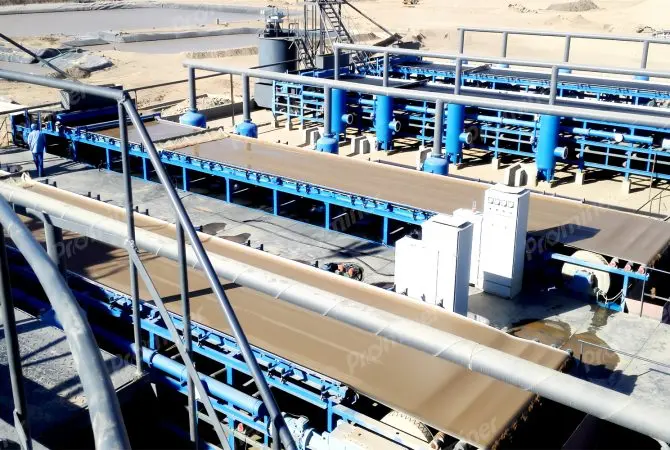
Twardy materiał anody węglowej jest najbardziej preferowanym materiałem do komercjalizacji baterii sodowo-jonowych


/
/
What Are Effective Methods for Quartz Processing via Flotation and Chemical Beneficiation?


Quartz is one of the most abundant minerals in the Earth’s crust and is widely used in glassmaking, ceramics, electronics, and high-purity silicon applications. However, raw quartz often contains impurities such as iron oxides, feldspar, mica, clay minerals, and heavy minerals. To meet industrial quality standards—especially for high-purity quartz—advanced processing techniques such as flotation and chemical beneficiation are employed.
Below is an overview of effective methods used in quartz purification.
The effectiveness of quartz beneficiation depends on the type and distribution of impurities. Common contaminants include:
The primary goal of processing is to increase SiO₂ content while minimizing metallic and non-metallic impurities. High-end industries, such as semiconductor and photovoltaic manufacturing, may require silica purity levels above 99.9%.
Flotation is one of the most efficient techniques for separating quartz from associated minerals based on differences in surface properties.
In this method, quartz is floated while impurities are depressed. Cationic collectors such as amines are commonly used under acidic or neutral pH conditions.
Key steps include:
This method is particularly effective when quartz is the primary valuable mineral.
Reverse flotation is widely used in quartz beneficiation. Instead of floating quartz, impurities such as feldspar and iron-bearing minerals are floated away.
Reverse flotation is often preferred for high-purity quartz production because it improves selectivity and reduces silica loss.
Iron impurities significantly affect quartz quality. Targeted flotation can remove iron-bearing minerals using:
This combination improves overall purification results.
When physical and flotation methods are insufficient to meet purity standards, chemical beneficiation is applied to remove trace contaminants.
Acid leaching is one of the most effective chemical purification techniques. It removes iron oxides and other metallic impurities from quartz surfaces and grain boundaries.
Common acids used:
Leaching is typically conducted under controlled temperature and agitation to maximize reaction efficiency.
For ultra-high purity quartz, mixed acid systems (e.g., HCl + HF) are used. This method:
Strict safety and environmental protocols are required due to the corrosive and toxic nature of these chemicals.
In some cases, alkali treatment followed by calcination helps loosen impurity phases before acid leaching. Thermal treatment can also:
This pre-treatment step increases the effectiveness of subsequent chemical purification.
The most effective quartz processing plants combine multiple techniques in a staged approach:
This integrated process maximizes silica recovery while achieving high purity levels suitable for demanding industrial applications.
Several factors affect flotation and chemical beneficiation performance:
Careful optimization of these parameters is essential to achieve both high recovery rates and superior product quality.
Effective quartz processing requires a combination of physical separation, flotation techniques, and chemical beneficiation. Flotation is highly efficient for removing feldspar, mica, and iron-bearing minerals, while acid leaching ensures the removal of trace contaminants for high-purity applications.
By integrating these methods into a well-designed process flow, producers can achieve the stringent purity standards required in modern industries such as glass manufacturing, electronics, and solar energy production.
A: W przypadku zasobów grafitu, kompletne rozwiązanie powinno obejmować zarówno flotację grafitu naturalnego, jak i głęboką obróbkę. Młynek kulowy oraz system hydrocyclonów służą jako podstawowy etap mielenia. Dla zaawansowanej produkcji materiałów anody, niezbędny jest prasa formująca, która poprawia gęstość mączki i redukuje powierzchnię właściwą. Dodatkowo, system powlekania Prominer, łączący funkcje powlekania i granulacji, jest kluczowym etapem w przetwarzaniu wysokoprawnych materiałów anody.
A: Wybór procesu całkowicie zależy od cech rudy. Proces Gold CIL/CIP jest bardzo popularnym i skutecznym sposobem przetwarzania rud złota typu tlenkowego o dużej zawartości. Dla wielu innych projektów złota, flotacja pozostaje najpopularniejszą metodą przetwarzania. Dla właścicieli chcących zaoszczędzić na inwestycjach na etapie początkowym, opcje takie jak leaching w zbiornikach lub heap leaching są elastycznymi i ekonomicznymi rozwiązaniami. Zalecamy rozpoczęcie od testów laboratoryjnych i pilotażowych, aby wyznaczyć najbardziej efektywny i naukowo uzasadniony schemat procesu.
A: Magnetyczne separacja jest kluczowa dla wzbogacania minerałów. Oferujemy separatory magnetyczne HIMS (o wysokiej intensywności) oraz LIMS (o niskiej intensywności), aby obsługiwać różne właściwości magnetyczne minerałów. W zoptymalizowanym projekcie zakładu technologia ta jest zintegrowana z wysokowydajnym systemem kruszenia—wykorzystującym jedno- lub wielocylindrowe hydrauliczne kruszarki stożkowe—oraz systemem mielenia. Zapewnia to wczesne odrzucanie odpadów skalnych, co znacznie poprawia wydajność i oszczędza energię.
A: Projektowanie udanej instalacji wymaga kompleksowej usługi EPC (Inżynieria, Zaopatrzenie i Budowa). Kluczowe aspekty obejmują projektowanie inżynieryjne (badania terenowe, wskazówki dotyczące próbki, rysunki PFD) oraz dostosowanie urządzeń, aby zapewnić zgodność maszyn z konkretnymi cechami rudy. Na przykład, Prominer może dostosować taśmowe przenośniki o szerokości do 5,1 m do dużego sortowania i osuszania. Wreszcie, profesjonalne usługi na miejscu, w tym nadzór nad pracami ziemnymi i uruchomieniem, są kluczowe dla długoterminowej stabilnej eksploatacji.
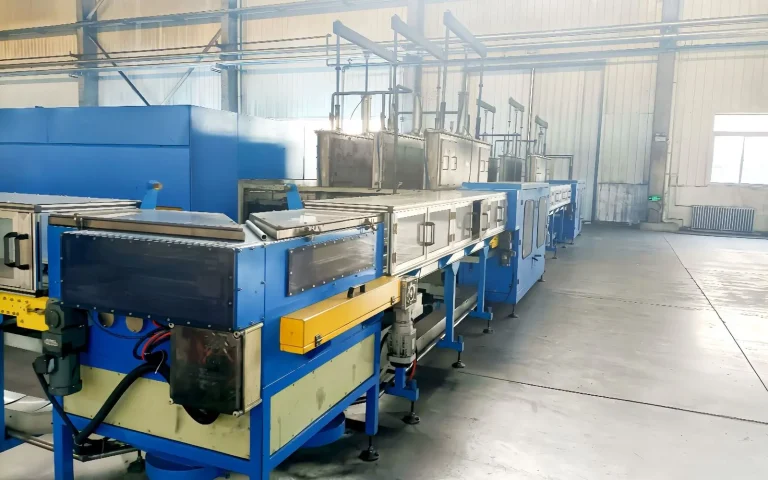
Twardy materiał anody węglowej jest najbardziej preferowanym materiałem do komercjalizacji baterii sodowo-jonowych
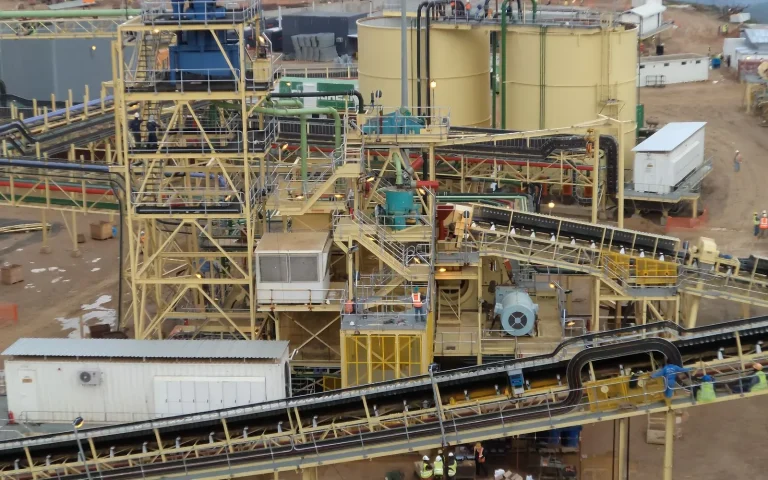
Flotacja jest najpopularniejszym sposobem przetwarzania w projektach przetwarzania rudy złota. Ponieważ proces flotacji
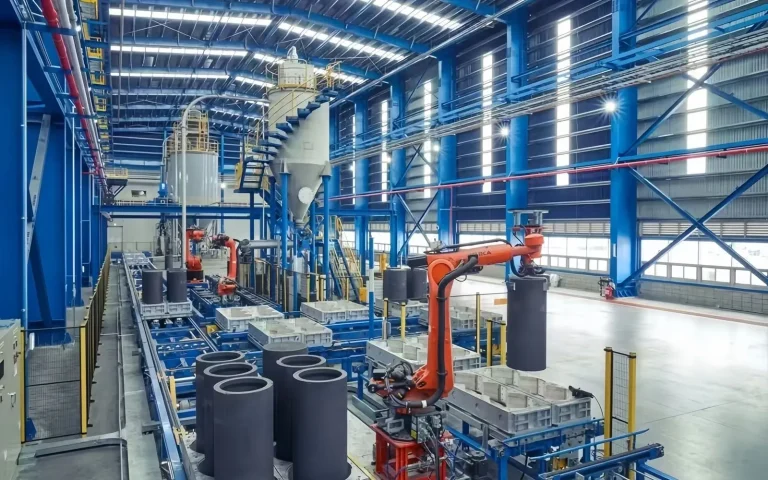
Zapewniamy pełne rozwiązanie do produkcji anod grafitowych, obejmujące mielenie, formowanie, oczyszczanie…

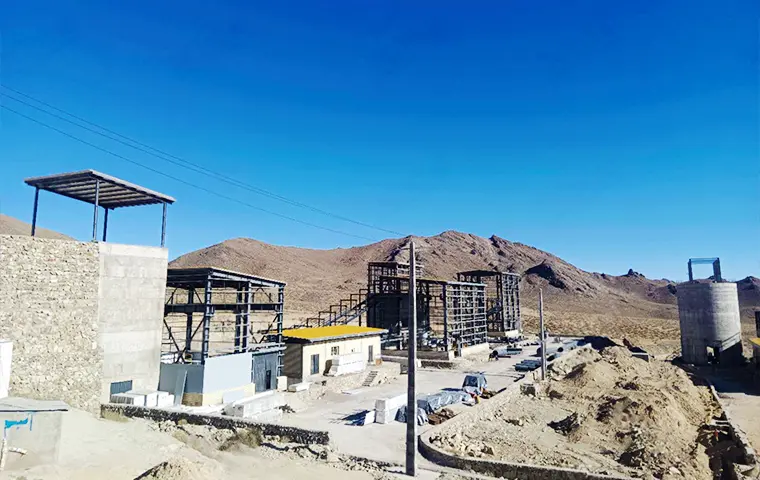
Surowa ruda: Ruda miedzi typu siarczkowego Klasa miedzi: 0,8% Produkt końcowy: Koncentrat miedzi
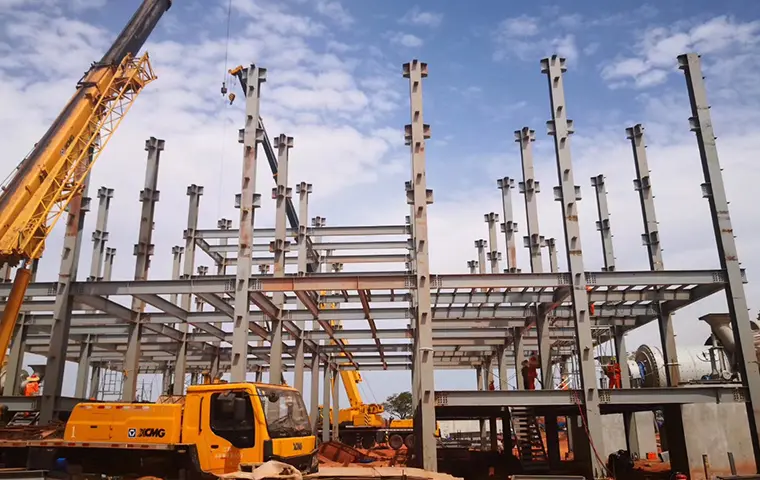
Zlokalizowany w Gwinei, ten dużego rozmiaru projekt posiada zdolność przetwórczą 15 000 TPD (Tonów na dobę).

Surowiec: Glinka hektoritowa bogata w lit (Li₂O: 0,6-1,0%) Produkt końcowy: Węglan litu klasy bateryjnej
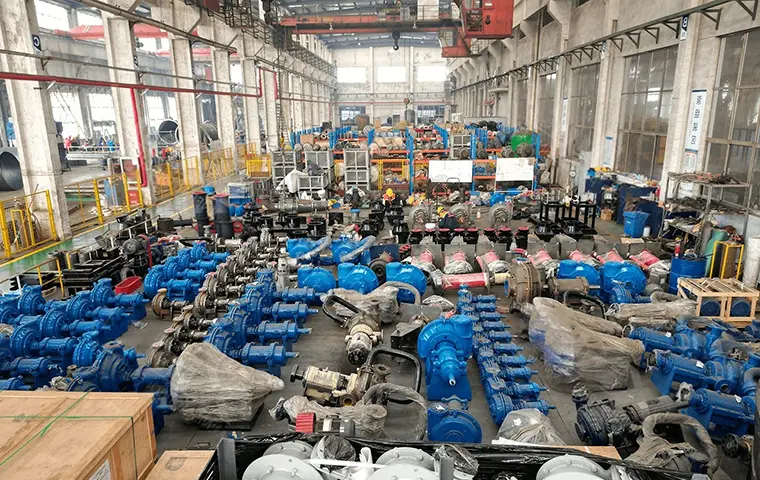
Surowa ruda: Kryształowy grafit w płatkach. Zawartość węgla w surowcu: 8–12% (zmienne). Produkt końcowy: Wysokopureczny koncentrat grafitu w płatkach.
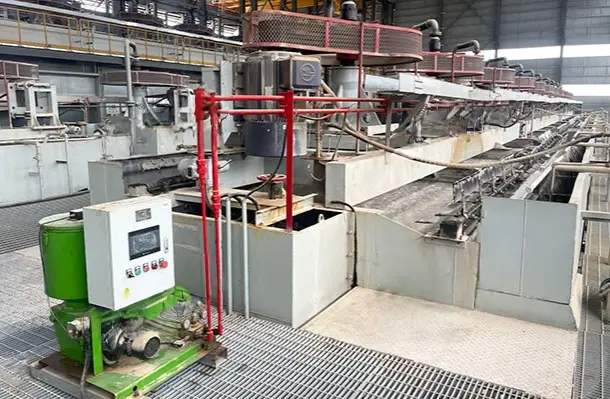
Surowa ruda: Ruda złota i miedzi typu porfir, zawartość złota: 0,8-1,5 g/t, zawartość miedzi: 0,6-0,9%
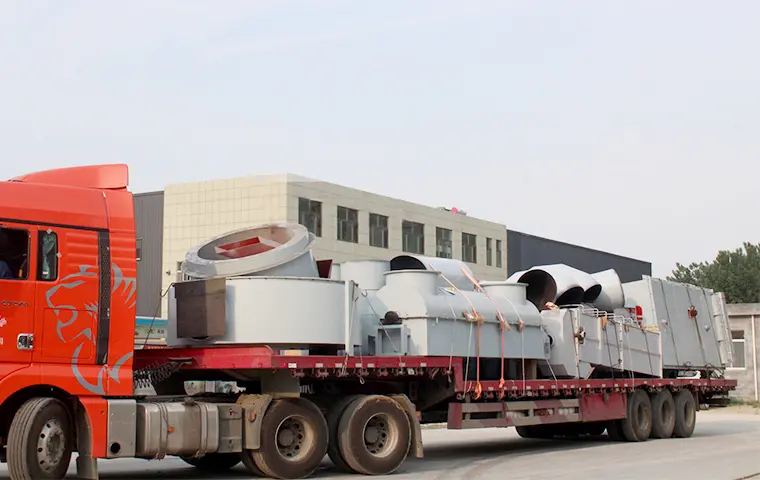
Surowiec: Rudę kwarcu Typ projektu: Dostawa i wsparcie instalacji sprzętu
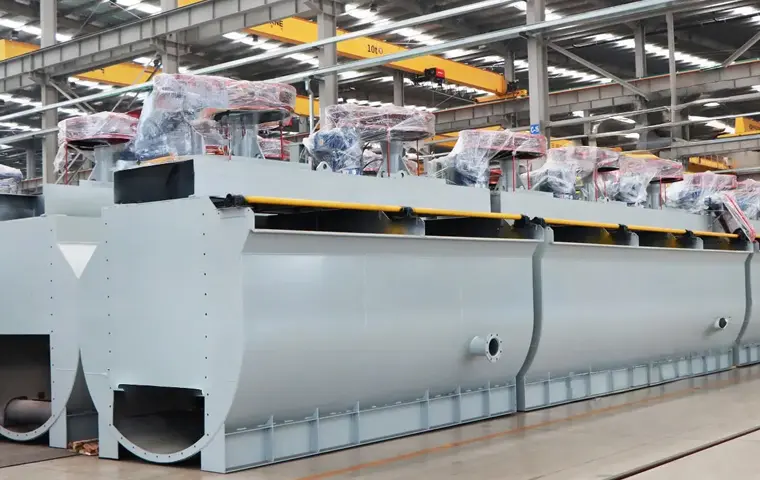
Surowa ruda: Ruda złota typu siarczkowego z pirytem Zawartość złota: 3,8 g/t Stopień koncentratu: 42 g/t Au
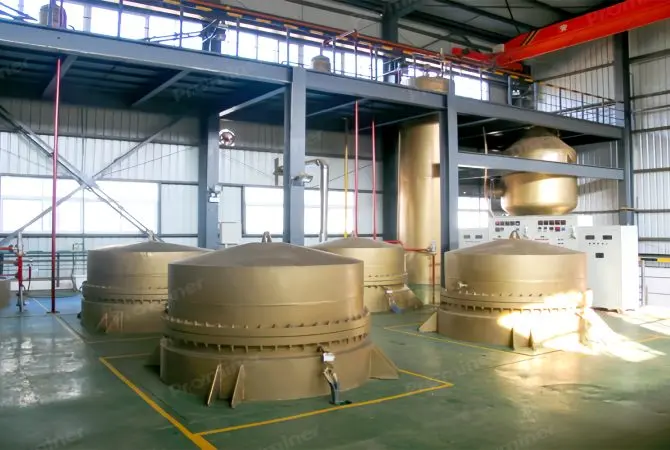
Prominer może zaprojektować i dostarczyć kompletny system rafinacji i przetapiania dla projektu CIL złota
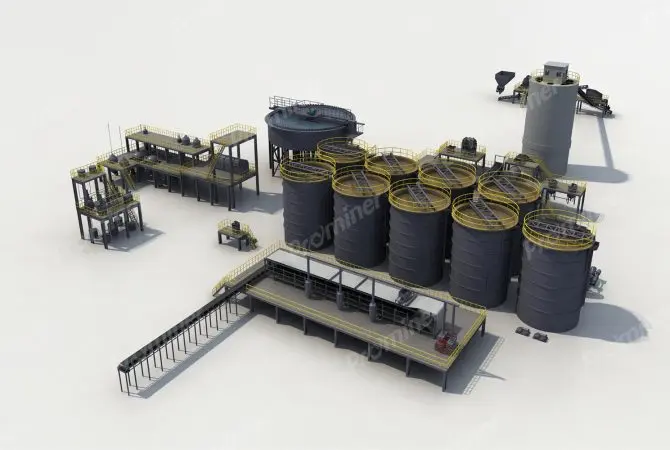
Prominer może dostarczyć kompleksowe rozwiązanie dla systemu CIL (węgiel w leaching)
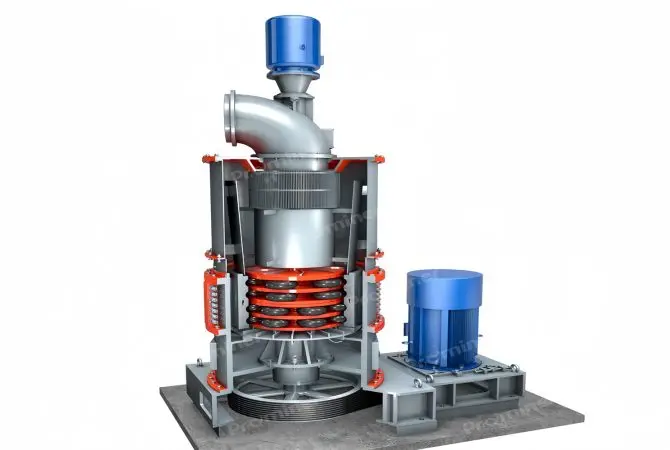
Możemy dostarczyć młyn walcowy do produkcji ultradrobnego proszku, który nadaje się do mielenia.
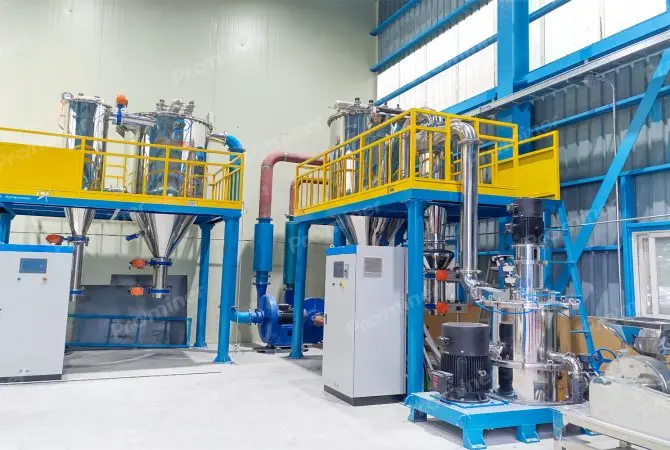
Nasza młyn uderzeniowy to wysokowydajny mechaniczny młyn do ultradrobnego mielenia i głównie
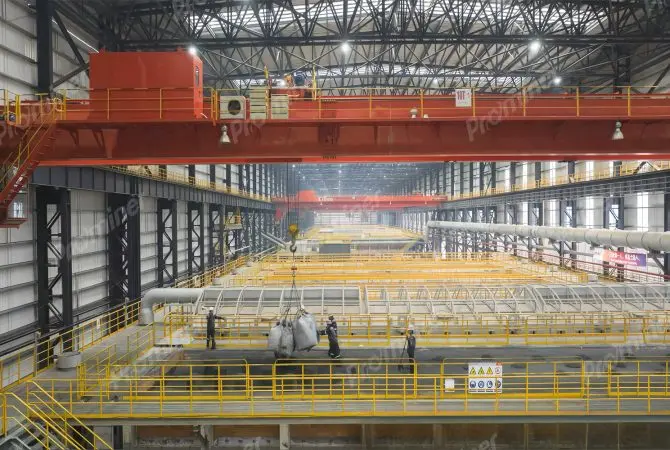
Możemy dostarczyć różne typy pieców grafityzacyjnych do zmiany materiału węglowego
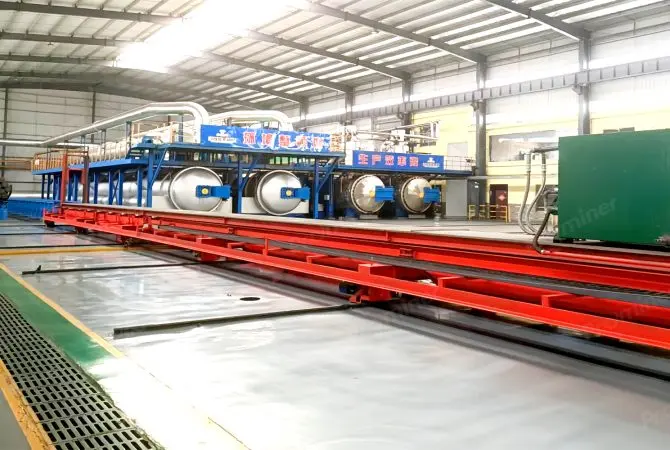
Możemy zapewnić wysokociśnieniową impregnację typu gorącego wewnątrz i zimnego na zewnątrz dla grafitu po wypaleniu
Aby dowiedzieć się więcej o naszych produktach i rozwiązaniach, prosimy o wypełnienie poniższego formularza, a jeden z naszych ekspertów skontaktuje się z Tobą wkrótce
Projekt flotacji złota 3000 TPD w prowincji Shandong
Flotacja rudy litu 2500 TPD w Syczuanie
Faks: (+86) 021-58779592
Adres:Pokój 606, Budynek D3, Etap II, Centrum Biznesowe Chuansha, 777 Long, Droga Miaochuan, Dzielnica Pudong Nowy, Szanghaj, Chiny
Prawa autorskie © 2023.Prominer (Shanghai) Mining Technology Co., Ltd.