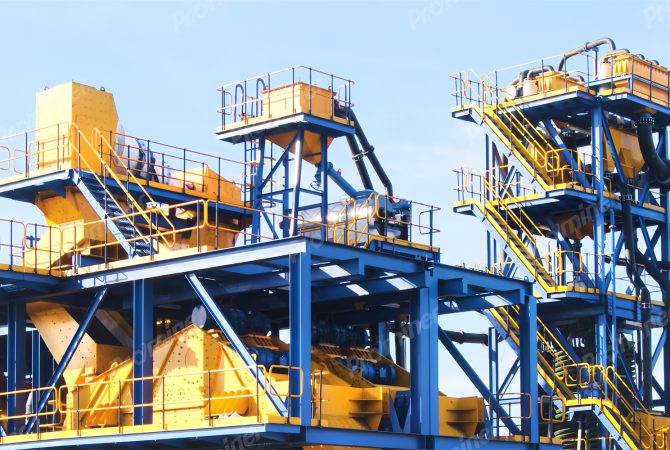
Cung cấp thiết bị quan trọng trong quá trình xử lý quặng vàng, chẳng hạn như hệ thống CIL/CIP, tế bào nổi…




Gold cyanidation remains one of the most widely used methods for extracting gold from ore due to its efficiency, scalability, and cost-effectiveness. However, increasing environmental regulations, rising operational costs, and declining ore grades have made optimization essential. Improving cyanidation performance involves enhancing recovery rates, reducing reagent consumption, minimizing environmental impact, and improving overall process efficiency.
Below are key strategies for optimizing gold cyanidation processes.
Effective cyanidation begins with proper ore preparation. Gold particles must be sufficiently liberated from surrounding minerals to allow cyanide solution access.
Optimizing crushing and grinding can:
Particle size distribution should be carefully controlled. Over-grinding increases energy costs and may create slimes that interfere with downstream processes, while under-grinding reduces gold recovery due to incomplete liberation.
Regular mineralogical analysis helps determine the ideal grind size for maximum recovery.
Cyanide concentration plays a crucial role in dissolution efficiency. Insufficient cyanide reduces gold recovery, while excessive cyanide increases costs and environmental risks.
Key optimization practices include:
pH control is equally important. Maintaining a pH between 10 and 11 prevents the formation of toxic hydrogen cyanide (HCN) gas and ensures stable leaching conditions. Lime is typically used to regulate pH levels.
Automated dosing systems can significantly improve both safety and reagent efficiency.
Gold dissolution in cyanide requires oxygen. Insufficient dissolved oxygen slows reaction rates and reduces overall recovery.
Các phương pháp tối ưu hóa bao gồm:
In some operations, pure oxygen injection significantly improves leach rates compared to air, reducing leach time and increasing throughput.
Maintaining proper slurry density also enhances mass transfer between gold particles and the leaching solution.
Some ores contain gold locked within sulfide minerals or associated with preg-robbing carbonaceous material. These refractory ores require pre-treatment before cyanidation.
Common pre-treatment methods include:
These processes break down sulfide matrices, exposing gold particles and significantly improving cyanide leaching efficiency.
For preg-robbing ores, adding activated carbon during leaching (CIL process) can prevent gold loss.
In Carbon-in-Pulp (CIP) and Carbon-in-Leach (CIL) systems, activated carbon adsorbs dissolved gold. Poor carbon management can result in gold losses and reduced efficiency.
Các chiến lược tối ưu hóa bao gồm:
Regular acid washing and thermal reactivation restore carbon adsorption capacity and improve overall gold recovery.
Cyanide consumption can increase due to reactions with base metals such as copper and zinc. Identifying and managing cyanide-consuming minerals is critical.
Strategies include:
The SART (Sulphidization, Acidification, Recycling, and Thickening) process is particularly effective in operations with high copper content, allowing cyanide recovery and copper by-product generation.
Modern gold plants increasingly rely on digital technologies and automation to enhance cyanidation performance.
Các công cụ nâng cao bao gồm:
Data-driven optimization enables faster response to process fluctuations, stabilizes recovery rates, and reduces operating costs.
Environmental compliance is a major driver of cyanidation optimization. Proper detoxification of tailings reduces environmental risks and improves sustainability.
Common detoxification methods include:
Optimizing detoxification ensures residual cyanide levels meet regulatory standards while minimizing reagent consumption.
Water recycling from tailings storage facilities also reduces freshwater usage and operating costs.
Optimizing gold cyanidation processes requires a comprehensive approach that integrates mineralogical understanding, process control, reagent management, and environmental stewardship. By improving ore preparation, managing cyanide and oxygen levels, implementing appropriate pre-treatment, and leveraging automation technologies, operations can achieve higher recovery rates, lower costs, and improved sustainability.
As ore grades decline and environmental expectations rise, continuous optimization is no longer optional—it is essential for maintaining profitability and long-term operational success.
A: Đối với nguồn tài nguyên graphit, một giải pháp toàn diện nên bao gồm cả quá trình tuyển nổi graphit tự nhiên và xử lý sâu. Hệ thống máy nghiền bi và hydrocyclone đóng vai trò là giai đoạn nghiền cơ bản. Để sản xuất nguyên liệu cực âm tiên tiến, máy định hình là cần thiết để cải thiện độ dày của mạch và giảm diện tích bề mặt riêng. Ngoài ra, hệ thống phủ của Prominer, kết hợp chức năng phủ và tạo hạt, là một bước quan trọng trong quá trình chế biến nguyên liệu cực âm có lợi nhuận cao.
A: Việc lựa chọn quy trình hoàn toàn phụ thuộc vào đặc điểm của quặng. Quy trình Gold CIL/CIP là một phương pháp phổ biến và hiệu quả để xử lý quặng vàng oxit loại khả năng cao. Đối với nhiều dự án vàng khác, tuyển nổi vẫn là phương pháp xử lý phổ biến nhất. Đối với các chủ dự án muốn tiết kiệm đầu tư ở giai đoạn ban đầu, tuyển nổi bể hoặc tuyển nổi đống là các lựa chọn linh hoạt và kinh tế. Chúng tôi đề xuất bắt đầu bằng các thử nghiệm phòng thí nghiệm và thử nghiệm thí điểm để xác định quy trình hiệu quả nhất và theo phương pháp khoa học.
A: Phân loại từ trường là yếu tố quan trọng để nâng cấp khoáng sản. Chúng tôi cung cấp các máy tách từ HIMS (Cường độ cao) và LIMS (Cường độ thấp) để xử lý các đặc tính từ trường khác nhau của khoáng sản. Trong thiết kế nhà máy tối ưu, công nghệ này được tích hợp cùng hệ thống tuyển nổi có hiệu suất cao—sử dụng máy nghiền hình nón thủy lực đơn hoặc đa trụ, và hệ thống nghiền. Điều này đảm bảo loại bỏ đá thải ngay từ đầu, giúp tăng năng suất đáng kể và tiết kiệm năng lượng.
A: Thiết kế một nhà máy thành công đòi hỏi dịch vụ EPC (Kỹ thuật, Mua sắm và Thi công) toàn diện. Các yêu cầu chính bao gồm thiết kế kỹ thuật (khảo sát địa điểm, hướng dẫn lấy mẫu và bản vẽ PFD) và tùy chỉnh thiết bị để đảm bảo máy móc phù hợp với đặc điểm quặng cụ thể. Ví dụ, Prominer có thể tùy chỉnh các máy sàng thẳng lên đến chiều rộng 5,1m để phân loại và rút nước quy mô lớn. Cuối cùng, dịch vụ chuyên nghiệp tại hiện trường, bao gồm giám sát công trình dân dụng và vận hành thử, là yếu tố then chốt cho hoạt động ổn định lâu dài.
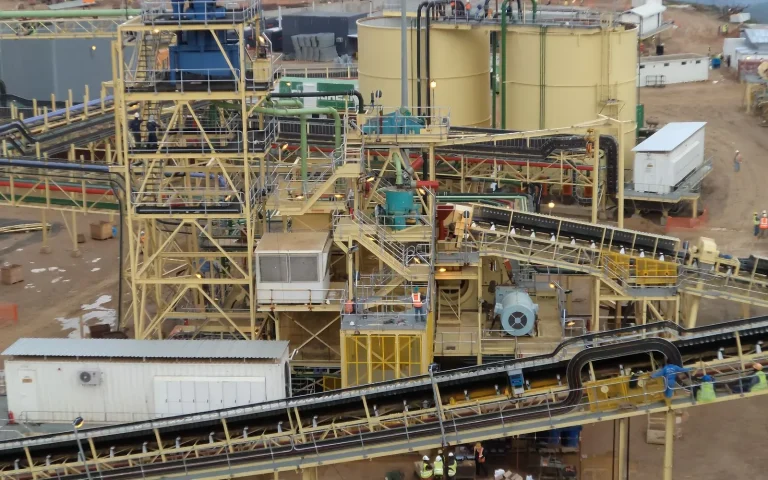
Cung cấp thiết bị quan trọng trong quá trình xử lý quặng vàng, chẳng hạn như hệ thống CIL/CIP, tế bào nổi…
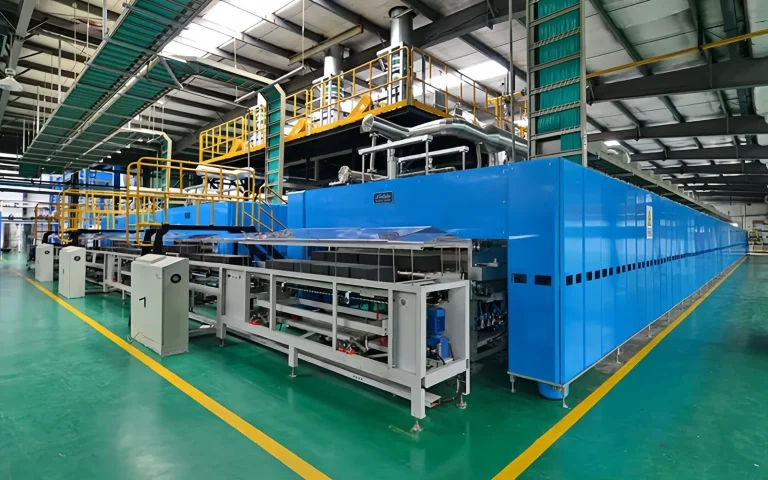
Vật liệu anode than chì nhân tạo chủ yếu được làm từ coke dầu có hàm lượng lưu huỳnh thấp và chất lượng cao
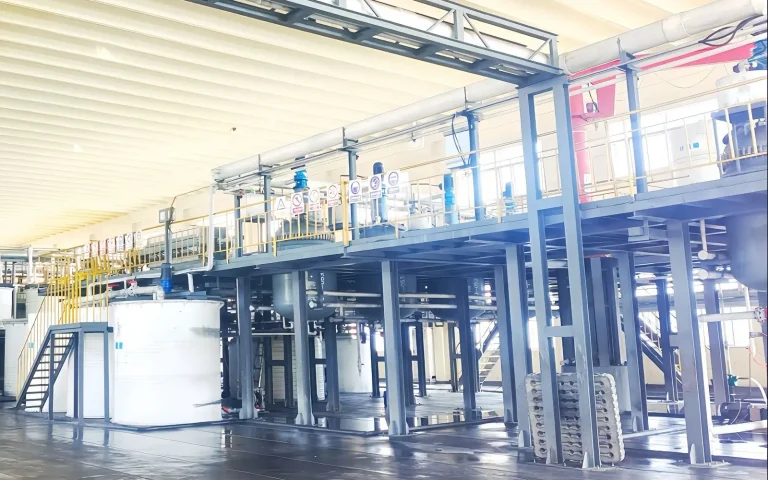
Than chì flake có thể được sử dụng để sản xuất than chì carbon cao, than chì độ tinh khiết cao, than chì mở rộng

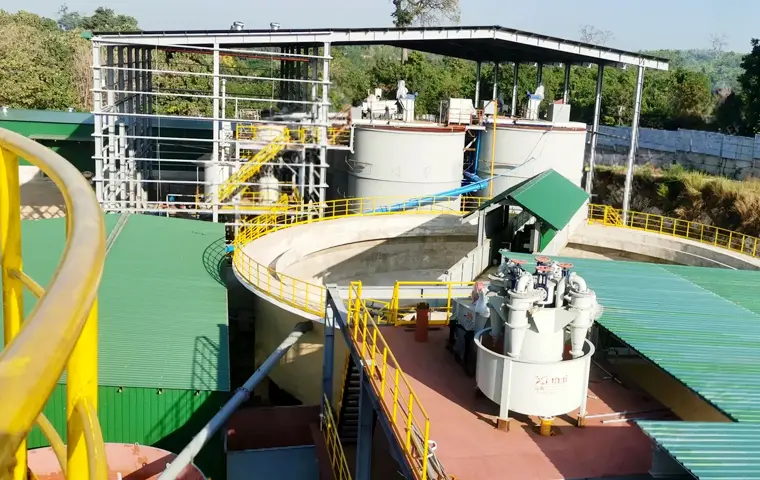
Quặng thô: Quặng vàng oxide & sulfide kép (khó xử lý ở một số phần) Hàm lượng vàng: 3.5-4.2 g/t Sản phẩm cuối: Vàng doré (Au ≥96.5%)
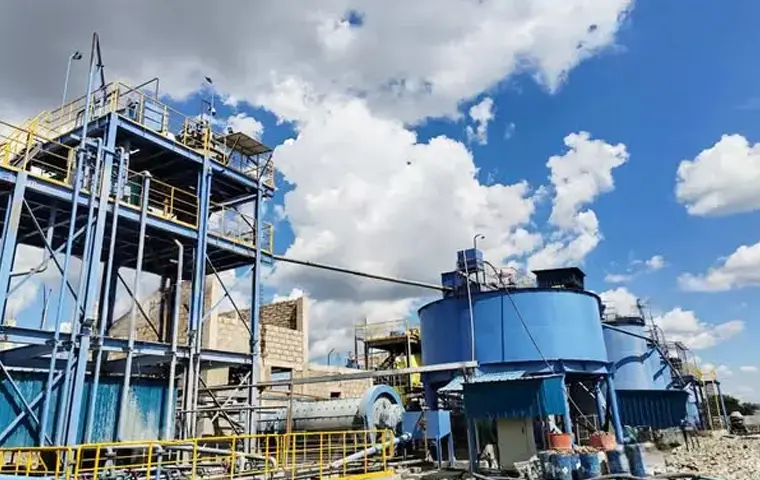
Nguyên liệu: Quặng đồng-vàng, Độ tinh khiết đồng: 1,2%, Độ tinh khiết vàng: 1,5 g/t, Tỷ suất thu hồi: đồng 89%, vàng 88%
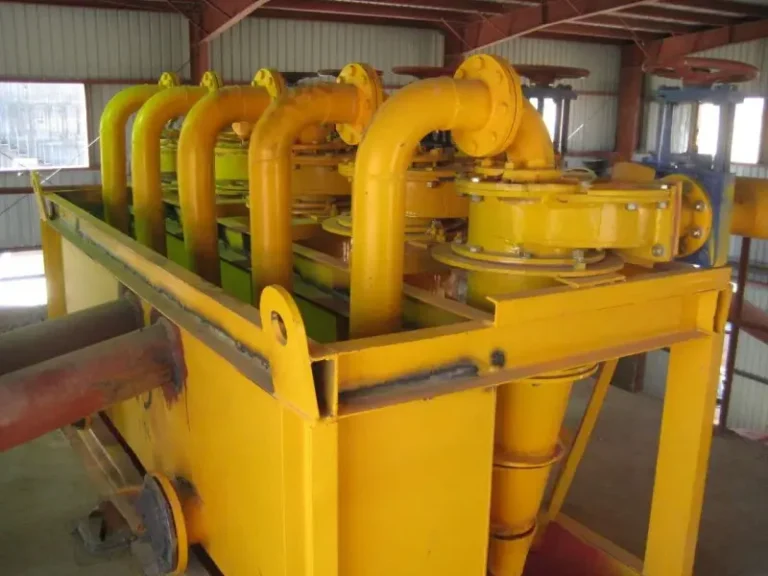
Quặng thô: Quặng thiếc bùn (Cassiterite) Độ tinh khiết thiếc: 0,8% Độ tinh khiết sản phẩm tập trung: 65%
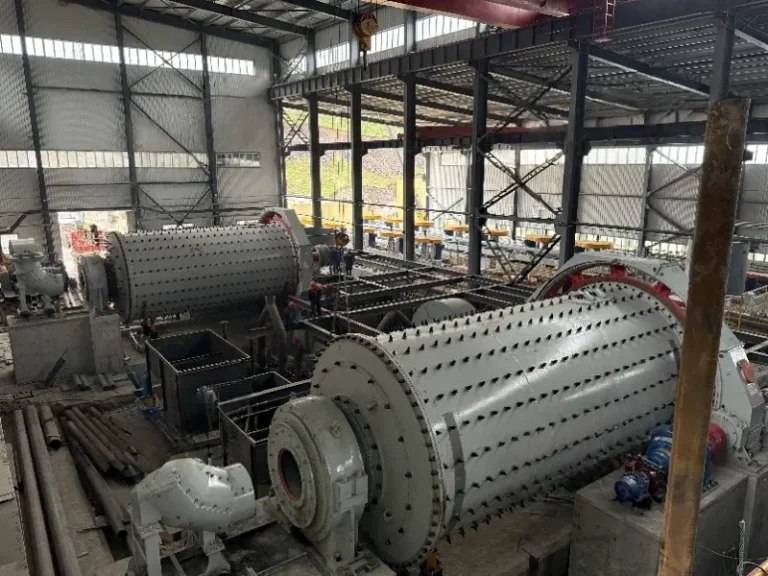
Nguyên liệu: Quặng niken laterit loại limonit, hàm lượng Ni: 1,2%, hàm lượng Co: 0,12%
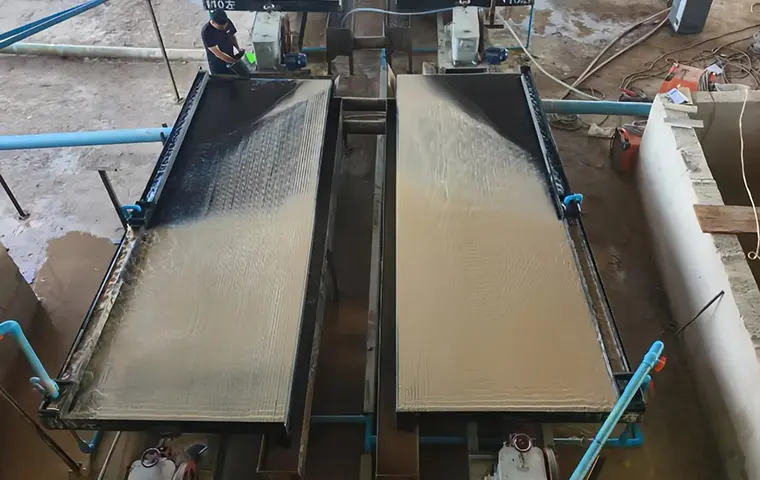
Quặng thô: Quặng sulfide antimon với mạch thạch anh Tỷ lệ Sb: 3.5% Tỷ lệ tinh chế: 55%
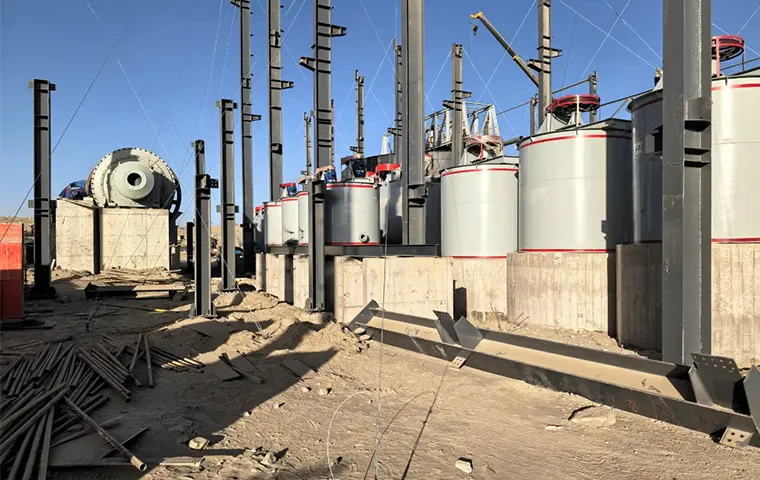
Quặng thô: Quặng vàng chuyển tiếp & ôxít (có một ít sulfide) Đầu vào độ grade vàng: 2.5 g/t Sản phẩm cuối: Thỏi vàng Doré
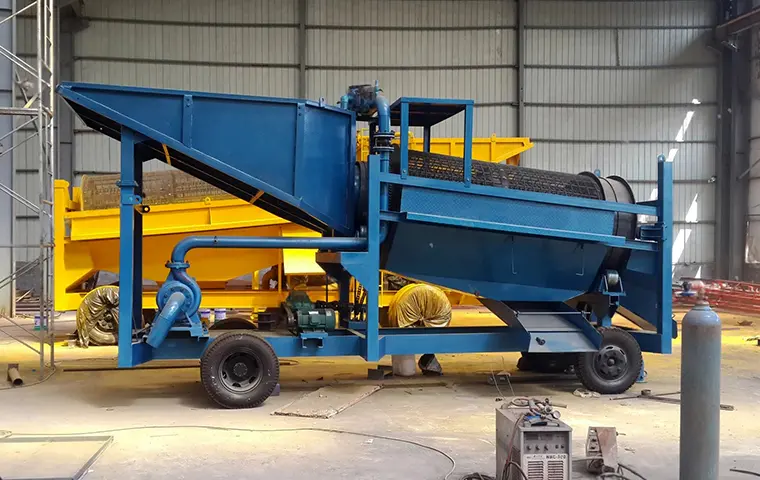
Quặng thô: Quặng vàng phù sa từ lòng sông và các mỏ trầm tích trên cao. Tỷ lệ vàng: 1,5 g/t. Tỷ lệ thu hồi vàng: 92%.
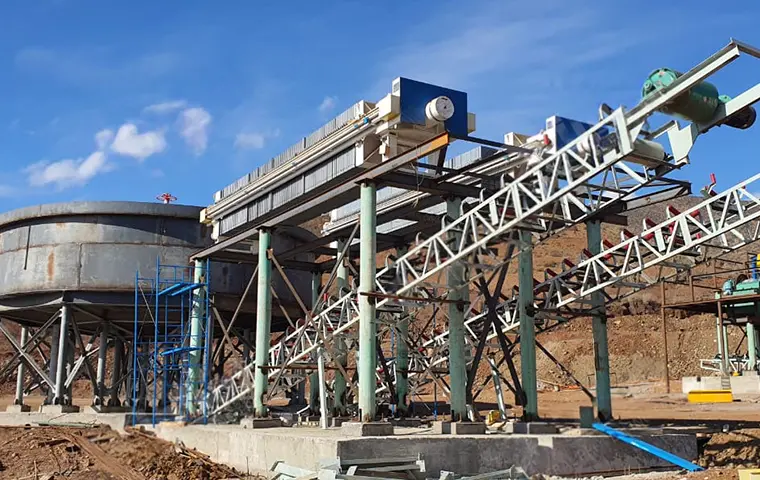
Từ thử nghiệm trong phòng thí nghiệm đến bàn giao cuối cùng, Prominer đã cung cấp một giải pháp tùy chỉnh 20 TPH.
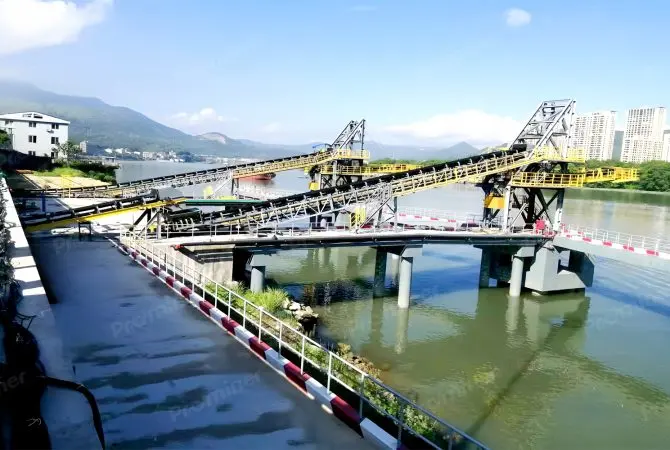
Chúng tôi có thể cung cấp giải pháp băng tải cho nhiều mục đích khác nhau bao gồm băng tải nghiêng dốc
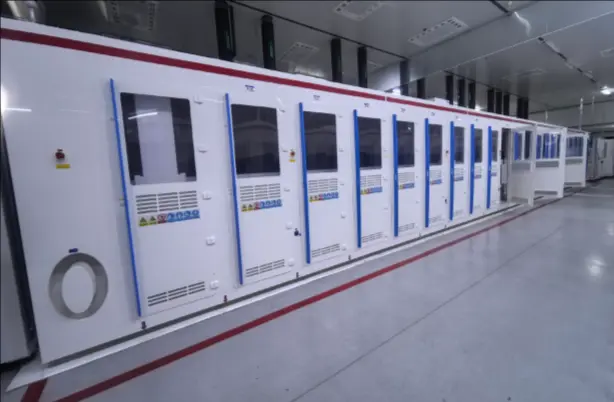
Bao gồm: Thiết bị tạo văn bản lô đơn tinh thể, tải/xả lô tạo văn bản, áp suất thấp…
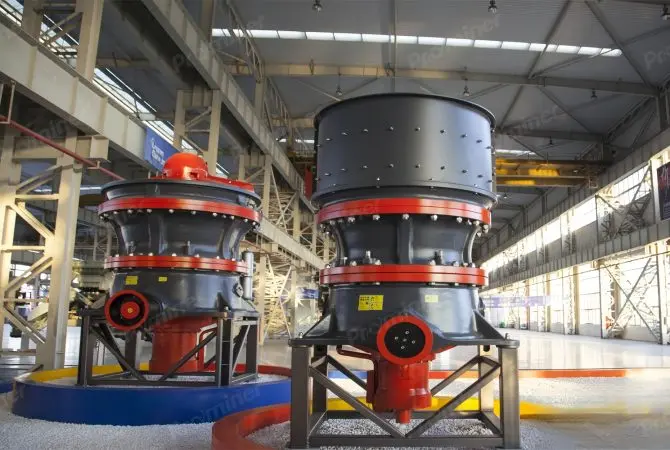
Máy nghiền cone thủy lực đơn xi-lanh có hai loại dựa trên hình dạng buồng khác nhau, buồng hình S được thiết kế
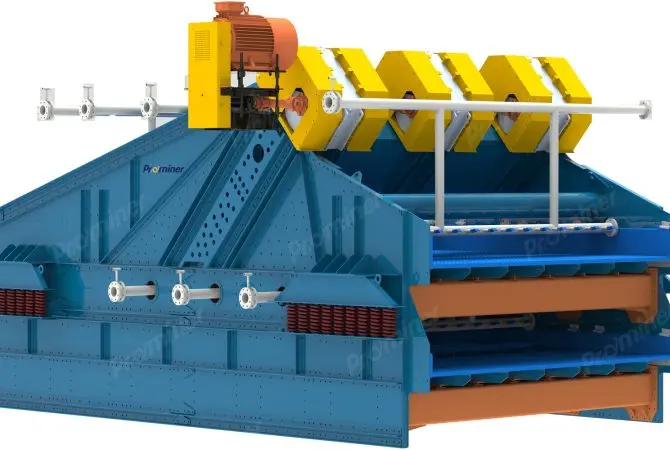
Prominer có thể cung cấp tất cả các loại màn hình tuyến tính cho phân loại khoáng sản, kích thước vật liệu, tách nước
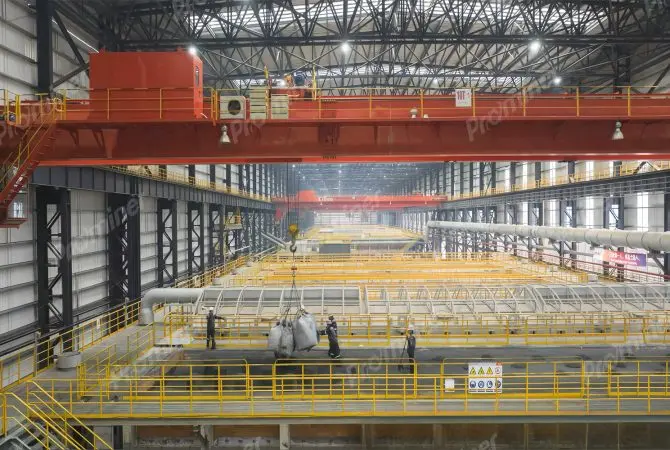
Chúng tôi có thể cung cấp nhiều loại lò graphit hóa cho việc thay đổi vật liệu carbon
Để tìm hiểu thêm về sản phẩm và giải pháp của chúng tôi, vui lòng điền vào mẫu dưới đây và một trong những chuyên gia của chúng tôi sẽ liên lạc lại với bạn sớm
Dự án tuyển nổi vàng 3000 TPD ở tỉnh Shandong
Tuyển nổi quặng lithium 2500 TPD ở Tứ Xuyên
Fax: (+86) 021-58779592
Địa chỉ:Phòng 606, Tòa nhà D3, Giai đoạn II, Trung tâm Thương mại Chuansha, 777 Đường Long, Đường Miaochuan, Khu vực Phố Đông, Thượng Hải, Trung Quốc
Bản quyền © 2023.Công ty TNHH Công nghệ Khai thác Prominer (Thượng Hải)