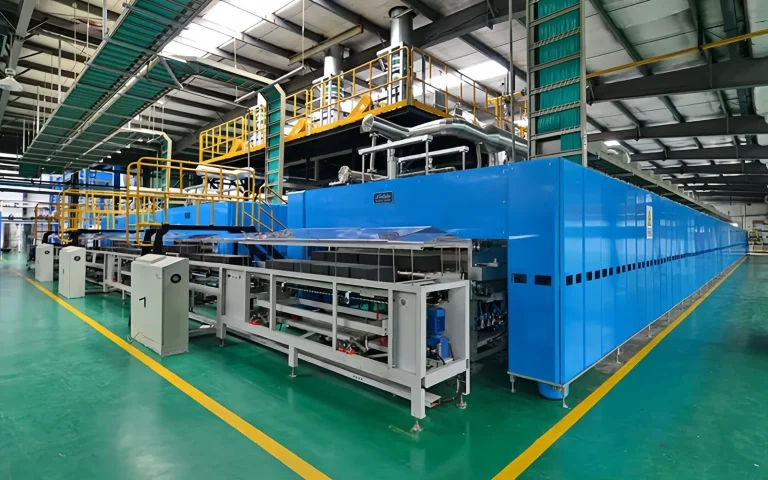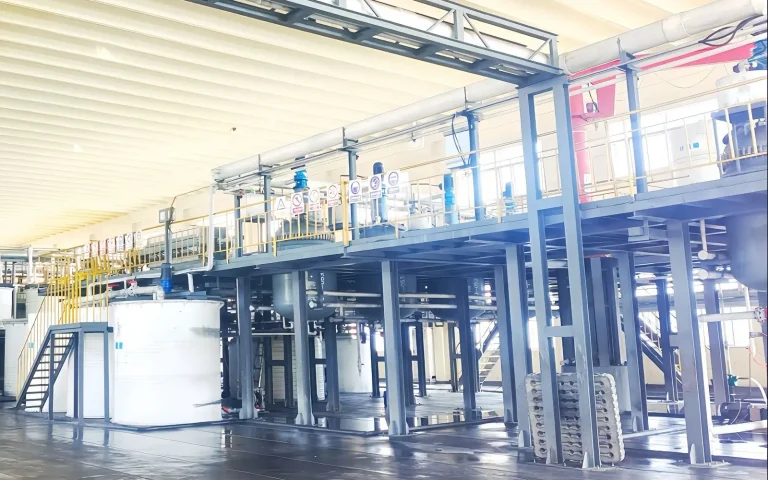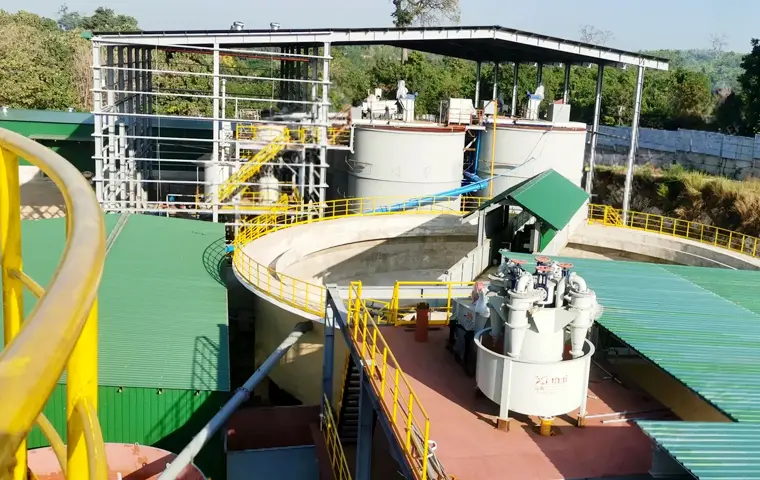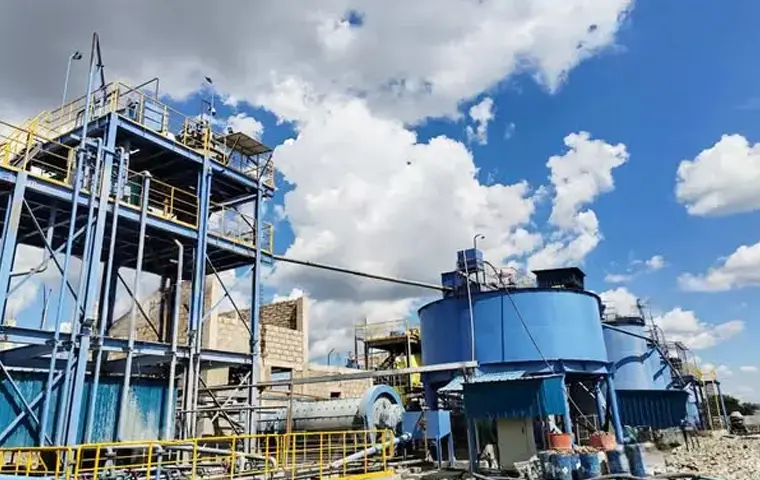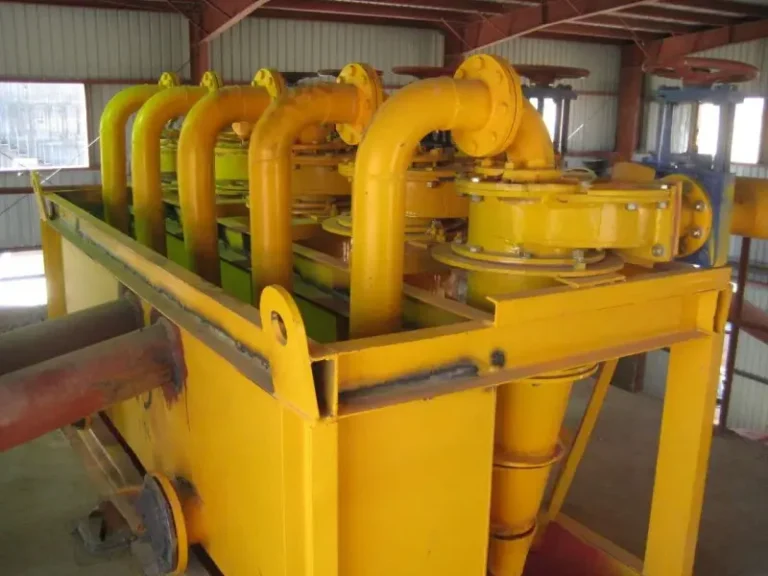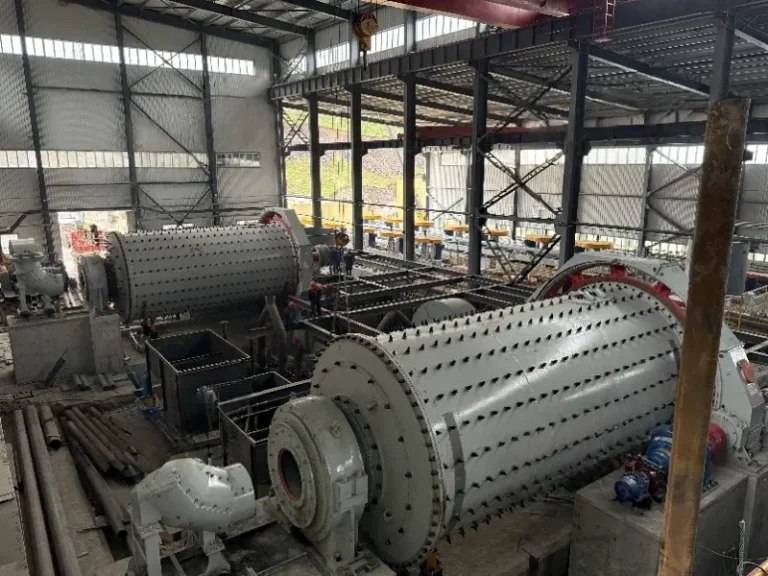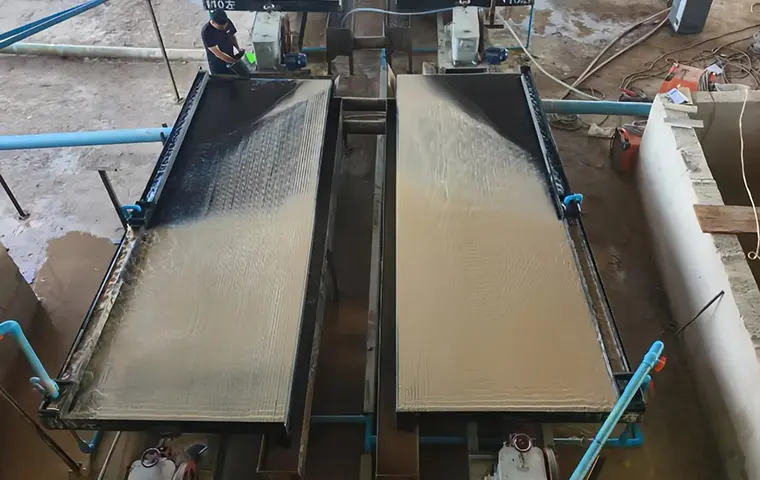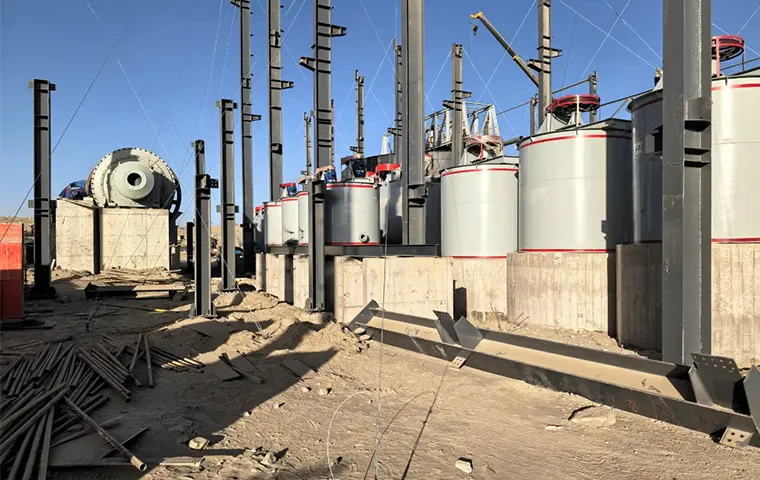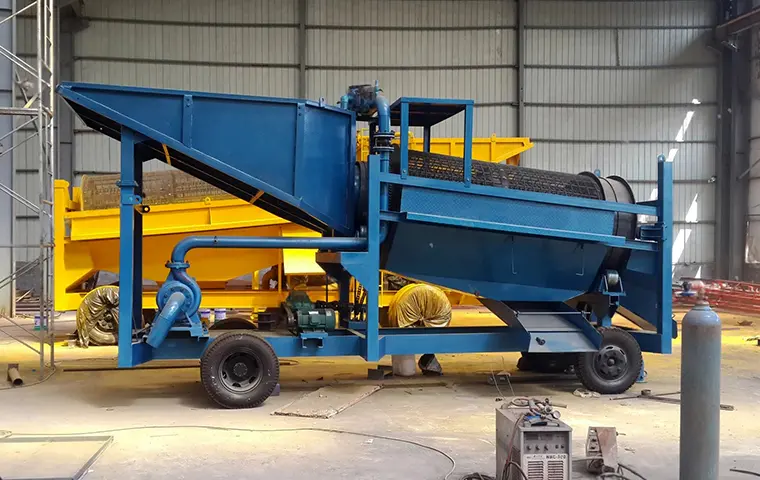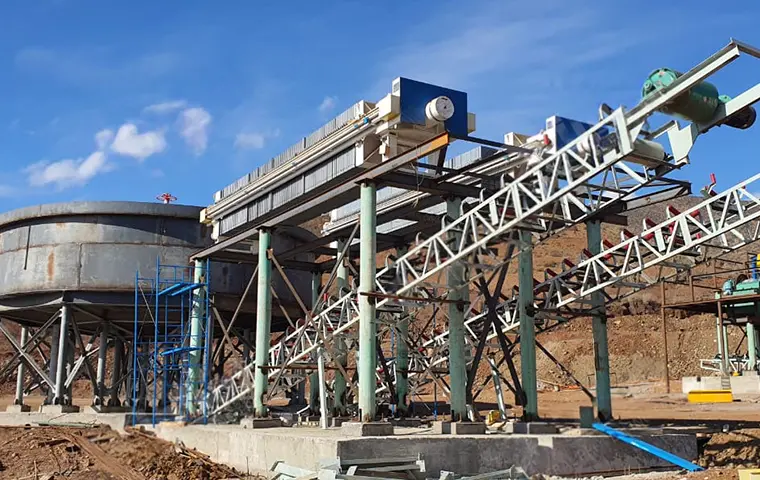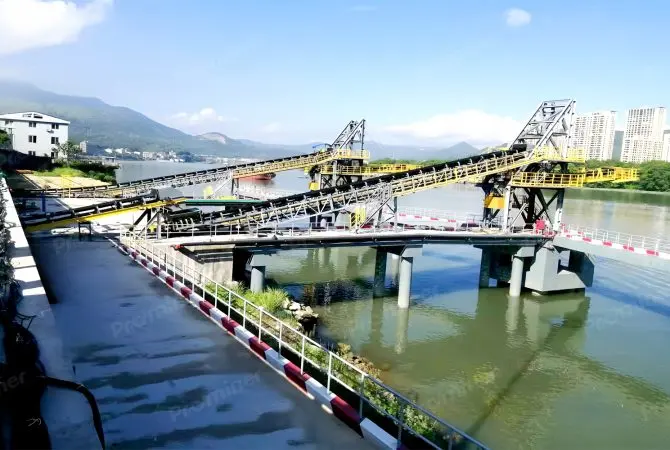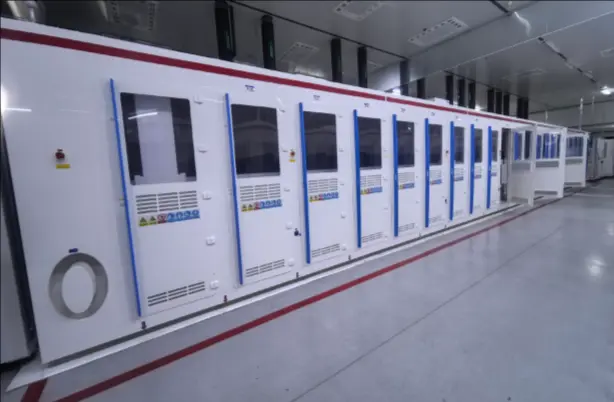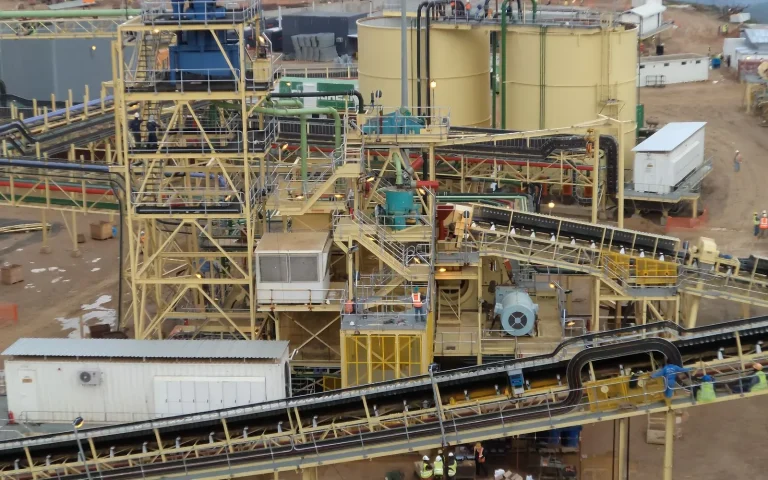
金鉱石処理プロセスにおける重要な設備、例えばCIL/CIPシステム、フロテーションセル…




Gold cyanidation remains one of the most widely used methods for extracting gold from ore due to its efficiency, scalability, and cost-effectiveness. However, increasing environmental regulations, rising operational costs, and declining ore grades have made optimization essential. Improving cyanidation performance involves enhancing recovery rates, reducing reagent consumption, minimizing environmental impact, and improving overall process efficiency.
Below are key strategies for optimizing gold cyanidation processes.
Effective cyanidation begins with proper ore preparation. Gold particles must be sufficiently liberated from surrounding minerals to allow cyanide solution access.
Optimizing crushing and grinding can:
Particle size distribution should be carefully controlled. Over-grinding increases energy costs and may create slimes that interfere with downstream processes, while under-grinding reduces gold recovery due to incomplete liberation.
Regular mineralogical analysis helps determine the ideal grind size for maximum recovery.
Cyanide concentration plays a crucial role in dissolution efficiency. Insufficient cyanide reduces gold recovery, while excessive cyanide increases costs and environmental risks.
Key optimization practices include:
pH control is equally important. Maintaining a pH between 10 and 11 prevents the formation of toxic hydrogen cyanide (HCN) gas and ensures stable leaching conditions. Lime is typically used to regulate pH levels.
Automated dosing systems can significantly improve both safety and reagent efficiency.
Gold dissolution in cyanide requires oxygen. Insufficient dissolved oxygen slows reaction rates and reduces overall recovery.
最適化手法には:
In some operations, pure oxygen injection significantly improves leach rates compared to air, reducing leach time and increasing throughput.
Maintaining proper slurry density also enhances mass transfer between gold particles and the leaching solution.
Some ores contain gold locked within sulfide minerals or associated with preg-robbing carbonaceous material. These refractory ores require pre-treatment before cyanidation.
Common pre-treatment methods include:
These processes break down sulfide matrices, exposing gold particles and significantly improving cyanide leaching efficiency.
For preg-robbing ores, adding activated carbon during leaching (CIL process) can prevent gold loss.
In Carbon-in-Pulp (CIP) and Carbon-in-Leach (CIL) systems, activated carbon adsorbs dissolved gold. Poor carbon management can result in gold losses and reduced efficiency.
最適化戦略には次のようなものがあります:
Regular acid washing and thermal reactivation restore carbon adsorption capacity and improve overall gold recovery.
Cyanide consumption can increase due to reactions with base metals such as copper and zinc. Identifying and managing cyanide-consuming minerals is critical.
Strategies include:
The SART (Sulphidization, Acidification, Recycling, and Thickening) process is particularly effective in operations with high copper content, allowing cyanide recovery and copper by-product generation.
Modern gold plants increasingly rely on digital technologies and automation to enhance cyanidation performance.
高度なツールには以下が含まれます:
Data-driven optimization enables faster response to process fluctuations, stabilizes recovery rates, and reduces operating costs.
Environmental compliance is a major driver of cyanidation optimization. Proper detoxification of tailings reduces environmental risks and improves sustainability.
Common detoxification methods include:
Optimizing detoxification ensures residual cyanide levels meet regulatory standards while minimizing reagent consumption.
Water recycling from tailings storage facilities also reduces freshwater usage and operating costs.
Optimizing gold cyanidation processes requires a comprehensive approach that integrates mineralogical understanding, process control, reagent management, and environmental stewardship. By improving ore preparation, managing cyanide and oxygen levels, implementing appropriate pre-treatment, and leveraging automation technologies, operations can achieve higher recovery rates, lower costs, and improved sustainability.
As ore grades decline and environmental expectations rise, continuous optimization is no longer optional—it is essential for maintaining profitability and long-term operational success.
A: 黒鉛資源に関しては、自然黒鉛の浮選と深加工の両方を包含する完全なソリューションが必要です。ボールミルとハイドロサイクロンシステムは、基本的な粉砕段階として機能します。高級陽極材料の生産には、成形ミルが必要不可欠であり、比重を向上させて比表面積を低減します。さらに、コーティングと顆粒化の機能を兼ね備えたProminerコーティングシステムは、高利益率の陽極材料を処理する上で重要なステップです。
A:プロセスの選択は、鉱石の特性に完全に依存します。ゴールドCIL/CIPプロセスは、高品位酸化型金鉱を処理するための非常に一般的で効果的な方法です。多くの他の金鉱プロジェクトでは、フローテーションが最も人気のある処理方法です。投資を初期段階で節約したい所有者には、バット浸出や堆積浸出が柔軟で経済的な選択肢です。最も効率的で科学的なプロセスフローを決定するために、まず実験室やパイロットテストから始めることをお勧めします。
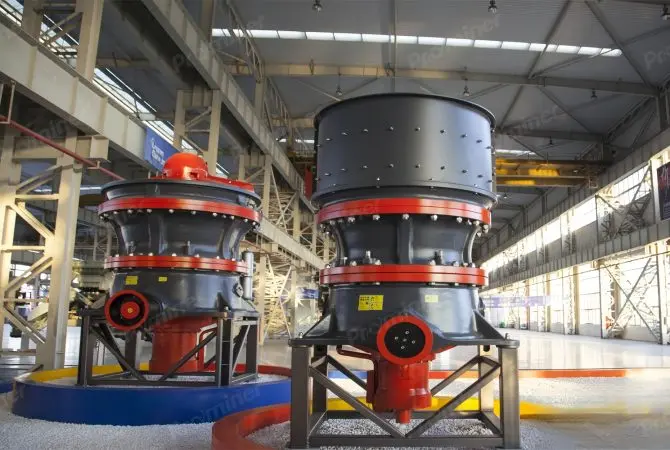
磁気分離は鉱物の品質向上にとって重要です。私たちは、異なる鉱物の磁気特性に対応するために、HIMS(高強度)およびLIMS(低強度)の磁気分離機を提供しています。最適化されたプラント設計では、この技術は単一シリンダーまたは多シリンダーの油圧式円錐破砕機を備えた高性能破砕システムとグラインドシステムと統合されています。これにより、不要な岩石を早期に排除し、生産性を大幅に向上させ、省エネルギーを実現します。
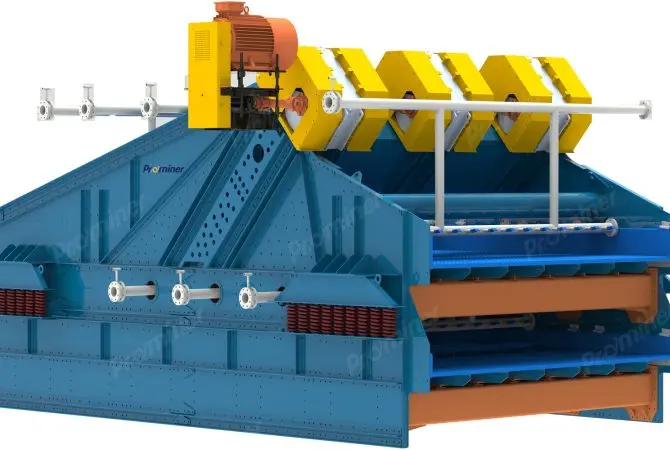
A:成功するプラントの設計には、総合的なEPC(エンジニアリング、調達、建設)サービスが必要です。主要な考慮事項には、エンジニアリング設計(現地調査、採取ガイドライン、PFD図面)や機器のカスタマイズが含まれ、これにより機械が特定の鉱石の特性に適合するようにします。例えば、Prominerは大規模なグレーディングや脱水用に、最大で5.1メートル幅のリニアスクリーンをカスタマイズ可能です。最後に、土木工事の監督や試運転を含む専門的な現地サービスは、長期的に安定した運用を実現するために不可欠です。

私たちの製品とソリューションについて詳しく知るためには、以下のフォームに記入してください。私たちの専門家の一人がすぐにご連絡いたします
ファックス: (+86) 021-58779592
住所:中国上海浦东新区苗川路777号川沙商务中心D3楼606室第二期
著作権 © 2023.プロマイナー(上海)鉱業技術有限公司