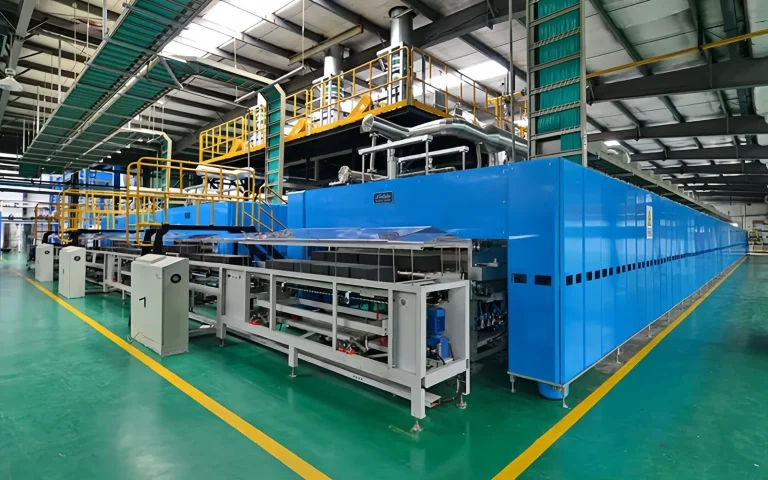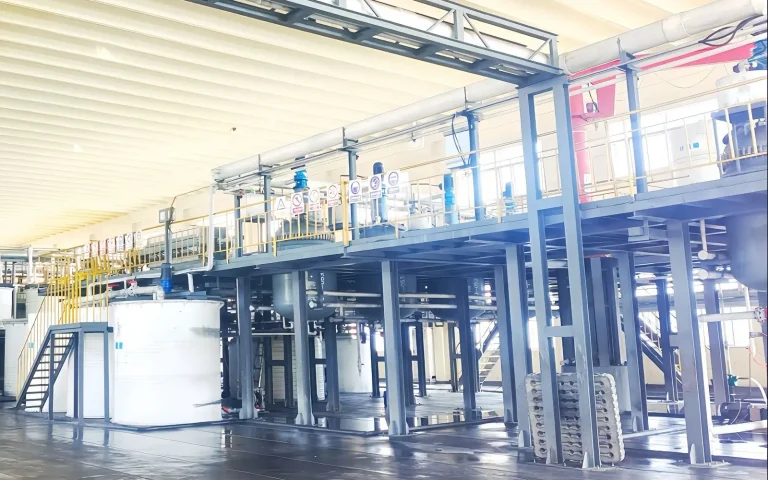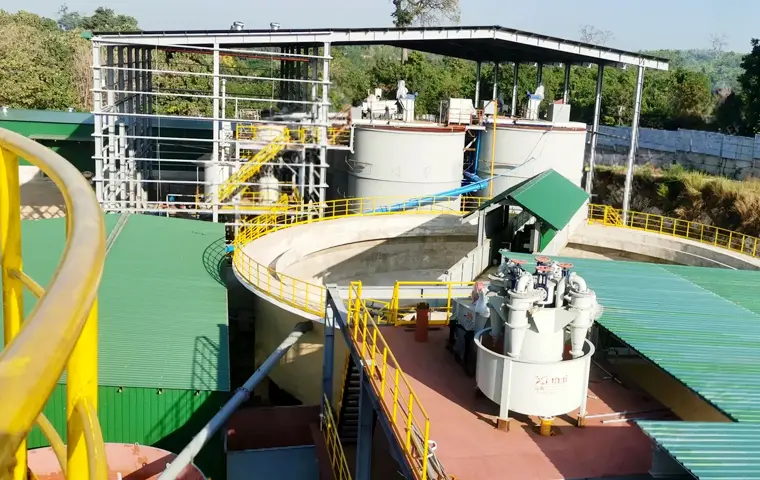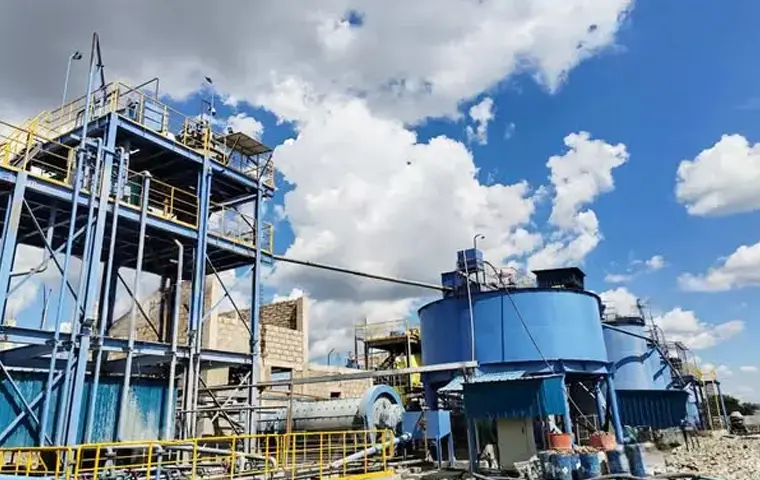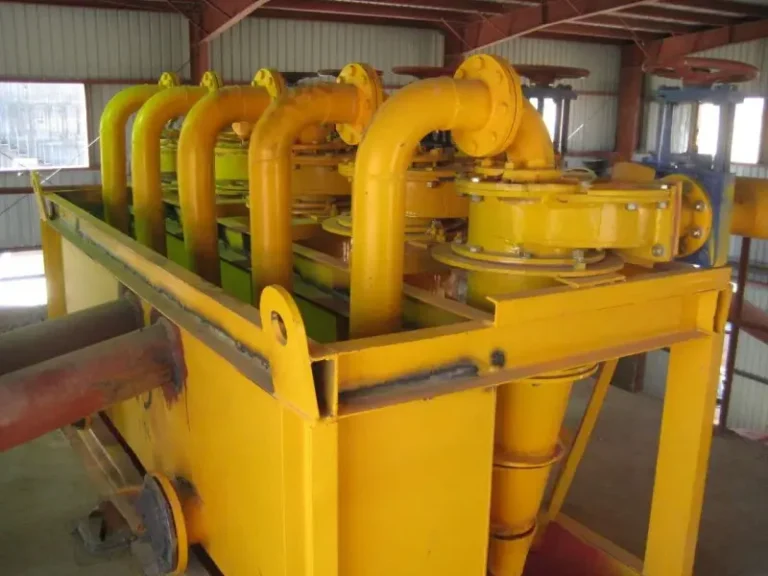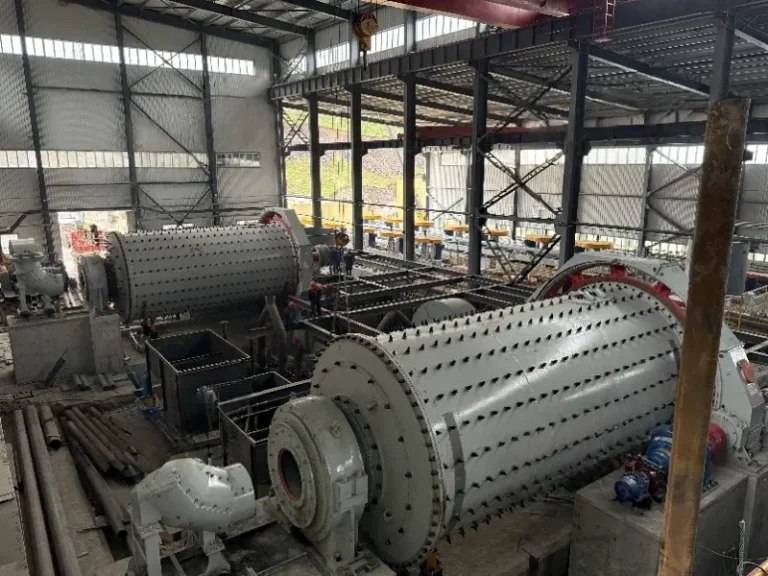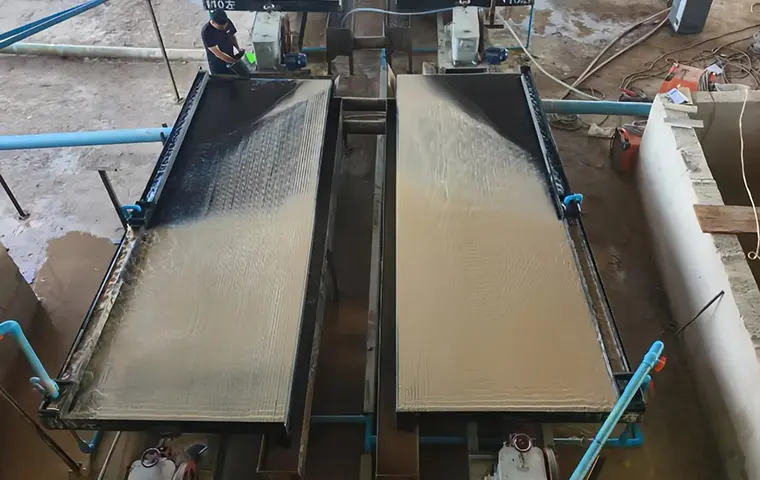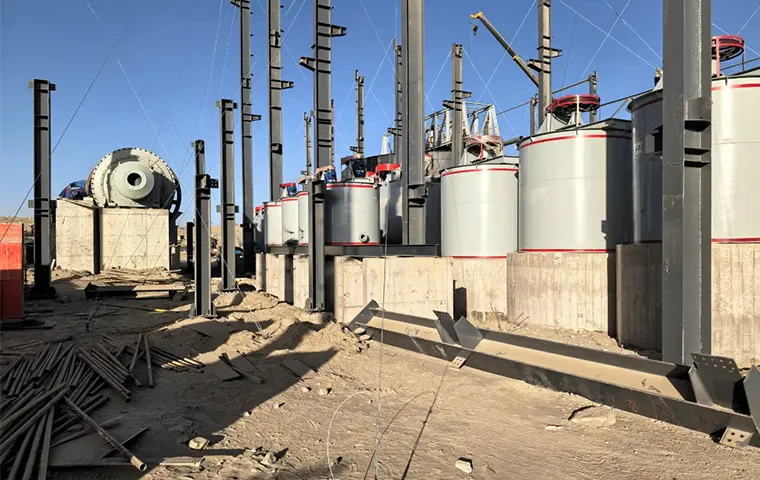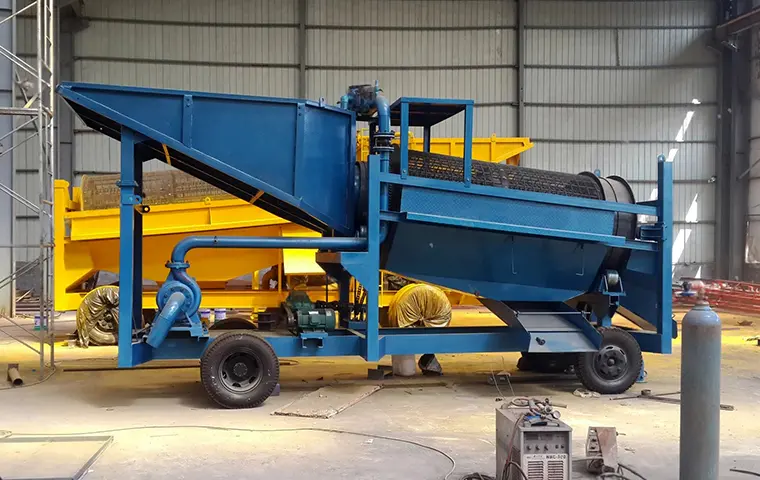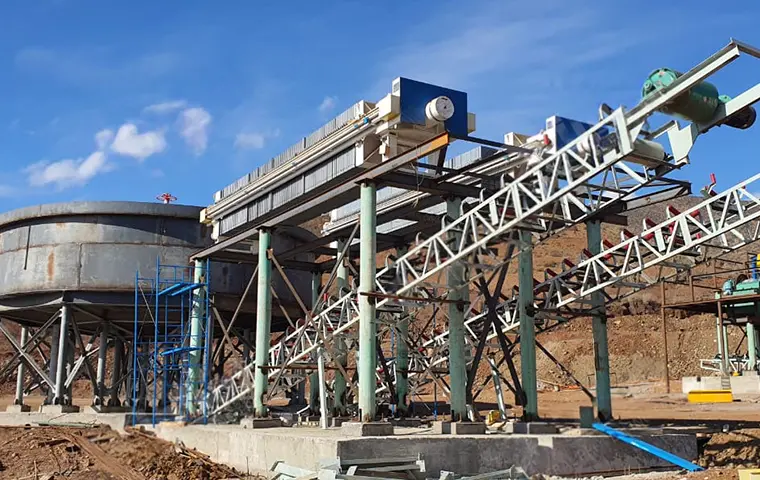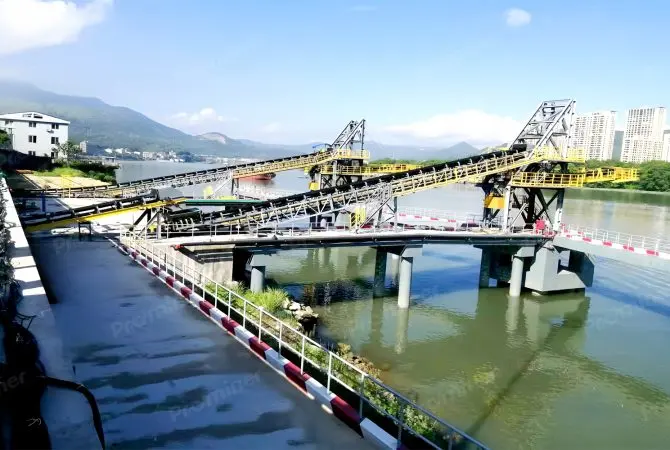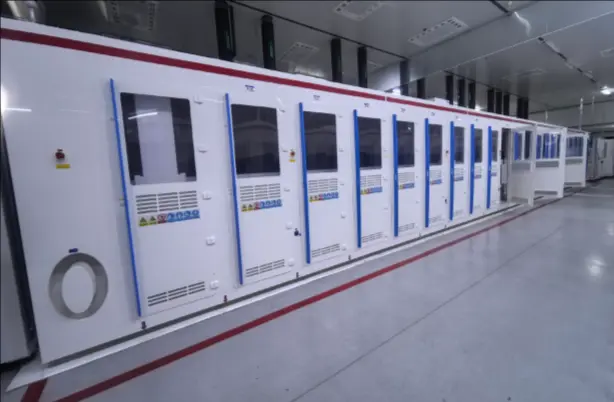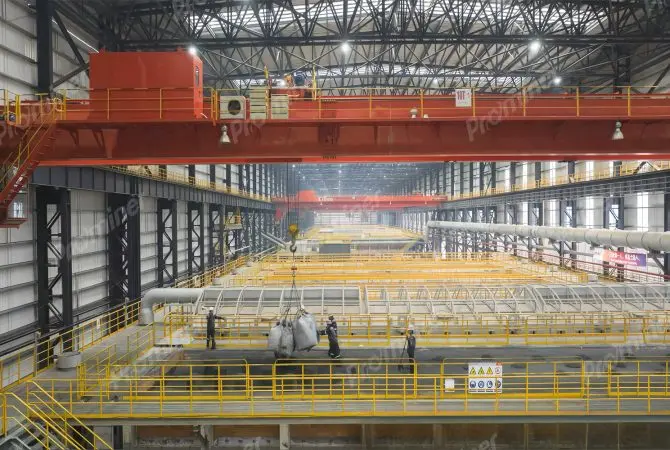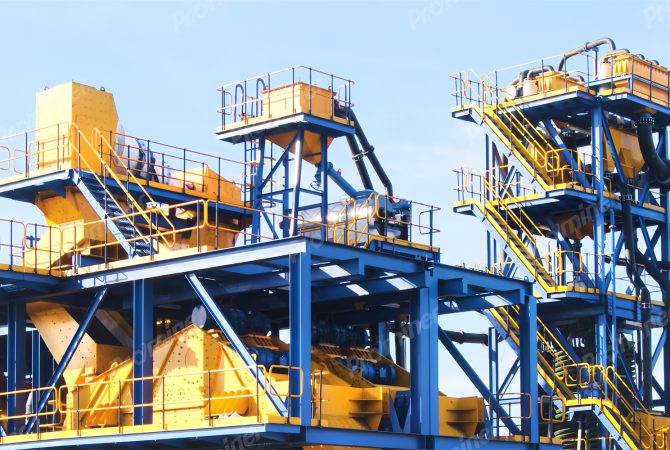
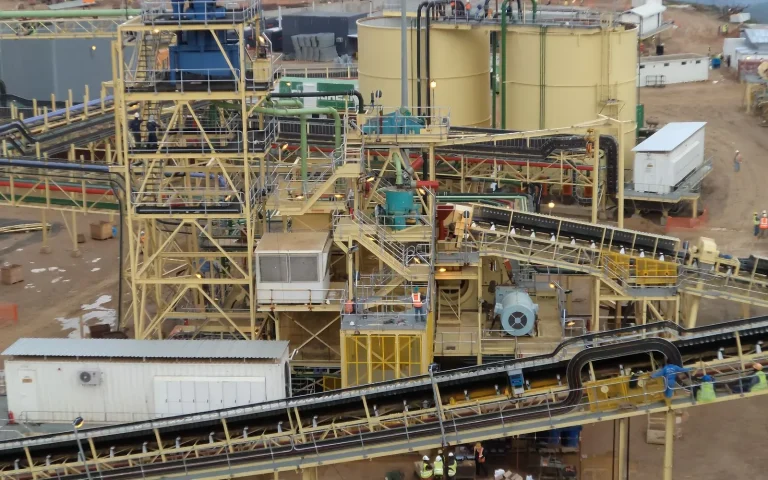
提供金矿精炼工艺中的重要设备,例如 CIL/CIP 系统、浮选池等。



Gold cyanidation remains one of the most widely used methods for extracting gold from ore due to its efficiency, scalability, and cost-effectiveness. However, increasing environmental regulations, rising operational costs, and declining ore grades have made optimization essential. Improving cyanidation performance involves enhancing recovery rates, reducing reagent consumption, minimizing environmental impact, and improving overall process efficiency.
Below are key strategies for optimizing gold cyanidation processes.
Effective cyanidation begins with proper ore preparation. Gold particles must be sufficiently liberated from surrounding minerals to allow cyanide solution access.
Optimizing crushing and grinding can:
Particle size distribution should be carefully controlled. Over-grinding increases energy costs and may create slimes that interfere with downstream processes, while under-grinding reduces gold recovery due to incomplete liberation.
Regular mineralogical analysis helps determine the ideal grind size for maximum recovery.
Cyanide concentration plays a crucial role in dissolution efficiency. Insufficient cyanide reduces gold recovery, while excessive cyanide increases costs and environmental risks.
Key optimization practices include:
pH control is equally important. Maintaining a pH between 10 and 11 prevents the formation of toxic hydrogen cyanide (HCN) gas and ensures stable leaching conditions. Lime is typically used to regulate pH levels.
Automated dosing systems can significantly improve both safety and reagent efficiency.
Gold dissolution in cyanide requires oxygen. Insufficient dissolved oxygen slows reaction rates and reduces overall recovery.
优化方法包括:
In some operations, pure oxygen injection significantly improves leach rates compared to air, reducing leach time and increasing throughput.
Maintaining proper slurry density also enhances mass transfer between gold particles and the leaching solution.
Some ores contain gold locked within sulfide minerals or associated with preg-robbing carbonaceous material. These refractory ores require pre-treatment before cyanidation.
Common pre-treatment methods include:
These processes break down sulfide matrices, exposing gold particles and significantly improving cyanide leaching efficiency.
For preg-robbing ores, adding activated carbon during leaching (CIL process) can prevent gold loss.
In Carbon-in-Pulp (CIP) and Carbon-in-Leach (CIL) systems, activated carbon adsorbs dissolved gold. Poor carbon management can result in gold losses and reduced efficiency.
优化策略包括:
Regular acid washing and thermal reactivation restore carbon adsorption capacity and improve overall gold recovery.
Cyanide consumption can increase due to reactions with base metals such as copper and zinc. Identifying and managing cyanide-consuming minerals is critical.
Strategies include:
The SART (Sulphidization, Acidification, Recycling, and Thickening) process is particularly effective in operations with high copper content, allowing cyanide recovery and copper by-product generation.
Modern gold plants increasingly rely on digital technologies and automation to enhance cyanidation performance.
高级工具包括:
Data-driven optimization enables faster response to process fluctuations, stabilizes recovery rates, and reduces operating costs.
Environmental compliance is a major driver of cyanidation optimization. Proper detoxification of tailings reduces environmental risks and improves sustainability.
Common detoxification methods include:
Optimizing detoxification ensures residual cyanide levels meet regulatory standards while minimizing reagent consumption.
Water recycling from tailings storage facilities also reduces freshwater usage and operating costs.
Optimizing gold cyanidation processes requires a comprehensive approach that integrates mineralogical understanding, process control, reagent management, and environmental stewardship. By improving ore preparation, managing cyanide and oxygen levels, implementing appropriate pre-treatment, and leveraging automation technologies, operations can achieve higher recovery rates, lower costs, and improved sustainability.
As ore grades decline and environmental expectations rise, continuous optimization is no longer optional—it is essential for maintaining profitability and long-term operational success.
A:对于石墨资源,完整的解决方案应涵盖天然石墨浮选和深加工。球磨机和水力旋流器系统作为基础研磨阶段。对于高端负极材料的生产,成型机是必不可少的,以提高悬滴密度并降低比表面积。此外,Prominer涂层系统结合了涂层和颗粒成型功能,是加工高利润负极材料的关键步骤。
A:工艺选择完全取决于矿石的特性。金CIL/CIP工艺是一种非常流行且有效的高品位氧化型金矿石处理方法。对于许多其他金矿项目,浮选仍然是最受欢迎的处理方法。为了节省初期投资,缸浸或堆浸是灵活且经济的选择。我们建议首先进行实验室和试验检测,以确定最有效和科学的工艺流程。
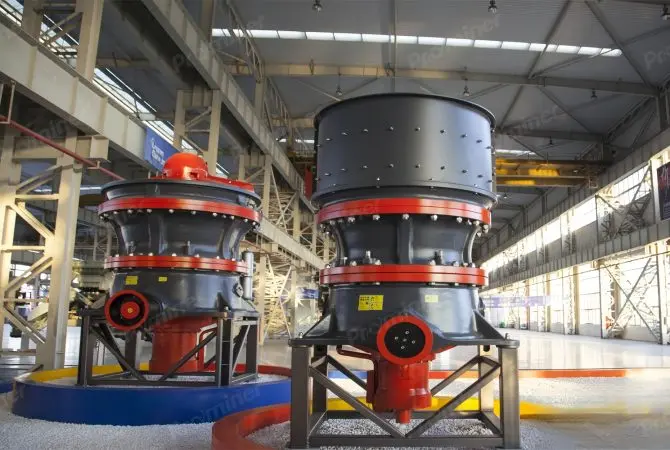
A:磁选在矿物提品中至关重要。我们提供高强度磁选(HIMS)和低强度磁选(LIMS)两种磁选设备,以应对不同矿物的磁性特性。在优化的矿厂设计中,该技术与高性能破碎系统相结合——采用单缸或多缸液压圆锥破碎机——以及研磨系统。这确保在早期就能剔除废石,大大提高生产效率并节省能源。
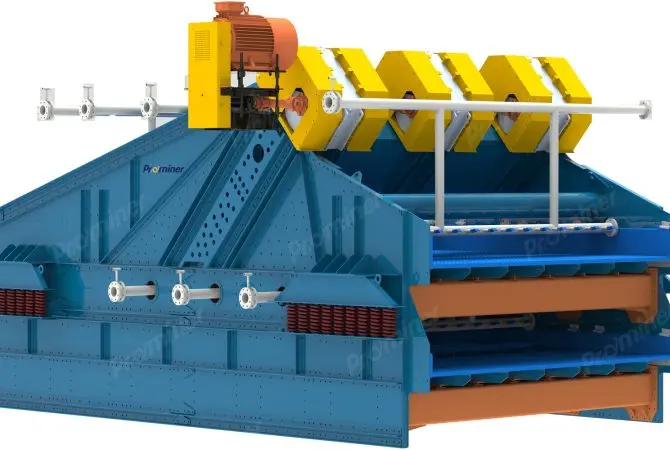
A:设计成功的矿厂需要全面的EPC(工程、采购、施工)服务。关键考虑因素包括工程设计(现场勘测、取样指导和流程图(PFD)图纸)以及设备定制,以确保机械符合特定矿石特性。例如,普睿玛可以定制宽度达5.1米的直线筛,用于大规模分级和脱水。最后,专业的现场服务,包括土建监督和调试,对于长期稳定运行至关重要。

如需了解更多关于我们产品和解决方案的信息,请填写以下表格,我们的一位专家将尽快与您联系
传真:(+86) 021-58779592
地址:上海市浦东新区苗川路777号川沙商务中心D3栋二期606室
版权 © 2023.与石(上海)矿业科技有限公司