

Hartkohleanodenmaterial ist das bevorzugte Material für die Kommerzialisierung von Natrium-Ionen-Batterien


/
/
Wie man die Kosten für Fluorit-Flotationsreagenzien um 40 % senken kann, ohne die Qualität zu beeinträchtigen?


Die Reduzierung der Kosten für Flotationsreagenzien von Fluorit um 40 % bei gleichbleibender Qualität erfordert ein strategisches Gleichgewicht zwischen Prozessoptimierung, alternativer Reagenzauswahl und Effizienzsteigerungen. Im Folgenden sind spezifische Strategien aufgeführt, um dieses Ziel zu erreichen:
Für eine hypothetische Flussspat-Floatationsanlage:
Durch die methodische Optimierung von Flotationsprozessen, die Verwendung kostengünstiger Reagenzien und die Verbesserung der Betriebspraktiken ist es möglich, erhebliche Kostensenkungen zu erreichen, ohne die Produktqualität zu beeinträchtigen.
A: Die Mineralmerkmale variieren erheblich, selbst innerhalb des gleichen Erzkörpers. Ein professioneller Test (wie chemische Analyse, Röntgenbeugung und Elektronenmikroskopie) gewährleistet, dass das Flussdiagramm für Ihre spezifische Erzqualität und Freisetzungsgröße optimiert ist. Dies verhindert kostspielige Fehlanpassungen der Ausrüstung und garantiert die höchstmöglichen Rückgewinnungsraten für Ihr Projekt.
A: Wir halten einen ständigen Lagerbestand an Kernverschleißteilen (wie Brecherverkleidungen, Siebgewebe und Mahlinnen). Für internationale Kunden stellen wir eine empfohlene „Ersatzteil-Liste für 2 Jahre“ mit dem Erstkauf zur Verfügung. Technische Unterstützung ist rund um die Uhr über Video-Remote verfügbar, und vor Ort Besuche können für komplexe Wartungsbedürfnisse arrangiert werden.
A: Ja. Wir schicken ein Team von erfahrenen Maschinenbau- und Elektroingenieuren zur Baustelle, um die Installation, Inbetriebnahme und Lasttests der Ausrüstung zu überwachen. Wir bieten auch umfassende Schulungen vor Ort für Ihre örtlichen Bediener an, um einen reibungslosen Betrieb auf lange Sicht zu gewährleisten.
A: Absolut. Wir sind auf die Bereitstellung von EPCM-Dienstleistungen (Engineering, Procurement, Construction Management) spezialisiert. Dazu gehört alles von der ersten Erzprüfung und dem Minendesign über die Fertigung von Ausrüstungen, Logistik bis hin zur vollständigen Integration von Anlagen, um einen nahtlosen Übergang von der grünen Wiese zur Produktion zu gewährleisten.
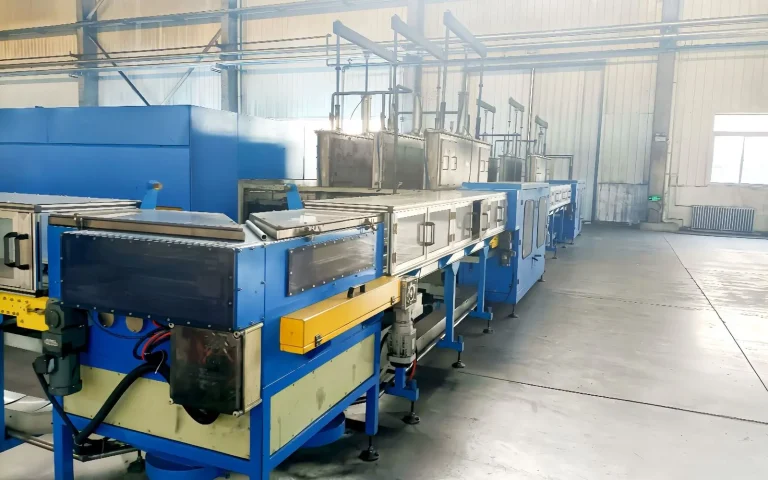
Hartkohleanodenmaterial ist das bevorzugte Material für die Kommerzialisierung von Natrium-Ionen-Batterien
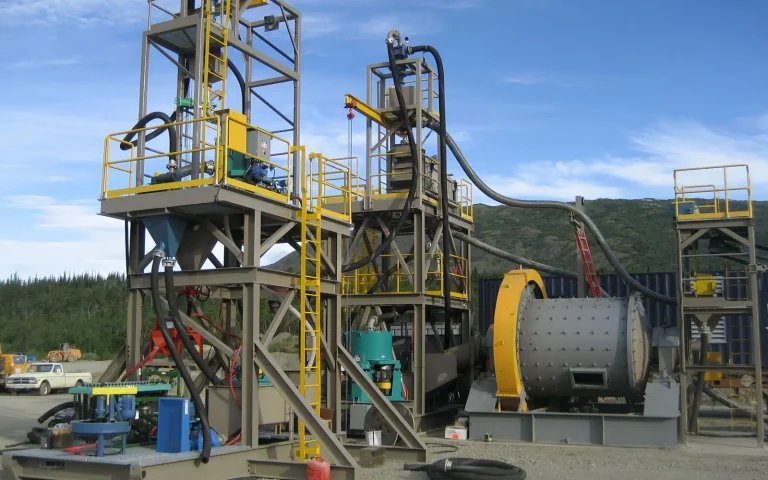
Das bekannteste der exogenen Erze ist Alluvialgold, das auch als Placer-Gold bezeichnet wird. Alluvialgold bezieht sich auf
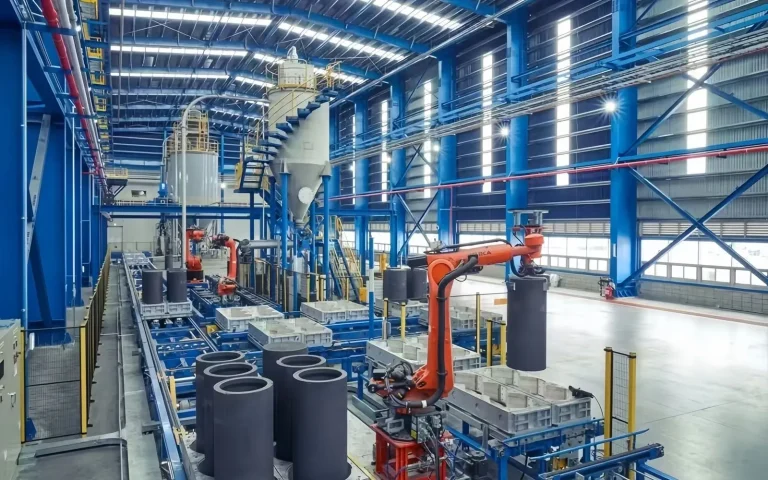
Prominer kann die vollständige Lösung zur Herstellung von Materialien für natürliche Graphitanoden einschließlich Mahlen bereitstellen.

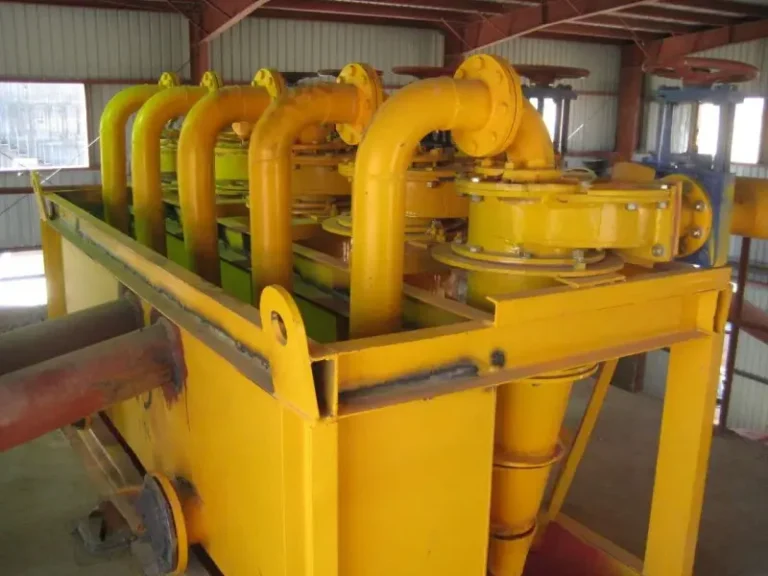
Roherz: Alluviales Zinn-Erz (Cassiterit) Zinn-Gehalt: 0,8 % Konzentrat-Gehalt: 65 %
Rohmaterial: Quarzit (SiO₂: 97,8%) Photovoltaik-Qualität: SiO₂ ≥ 99,99 %, Fe₂O₃ ≤ 10 ppm
Roherz: Sulfidtyp-Molybdänerz (hauptsächlich Molybdänit) Mo-Gehalt: 0,15 % Konzentratsgehalt: 45 % Mo
Rohmineral: Hochgradiges Wollastonit-Erz mit assoziiertem Granat und Diopsid Futtergehalt: 65-70% Wollastonit
Kapazitätsziel: Die Verarbeitungsfähigkeit von 500 TPD auf 850 TPD schrittweise erhöhen, ohne die Produktion zu stoppen.
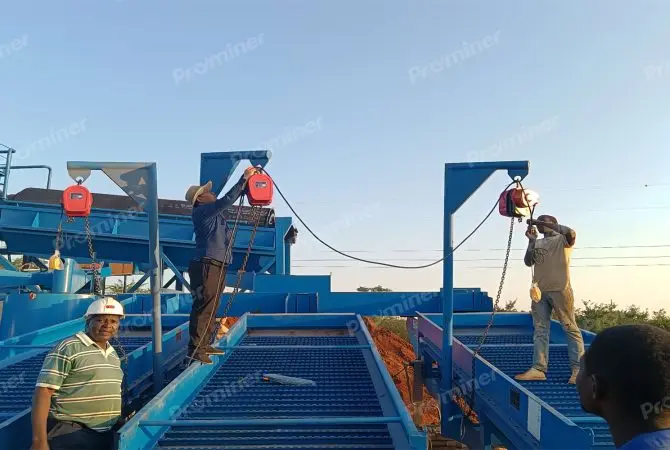
Rohmineral: Alluvialgolderz von Flussbett Goldgehalt: 0,8 g/t
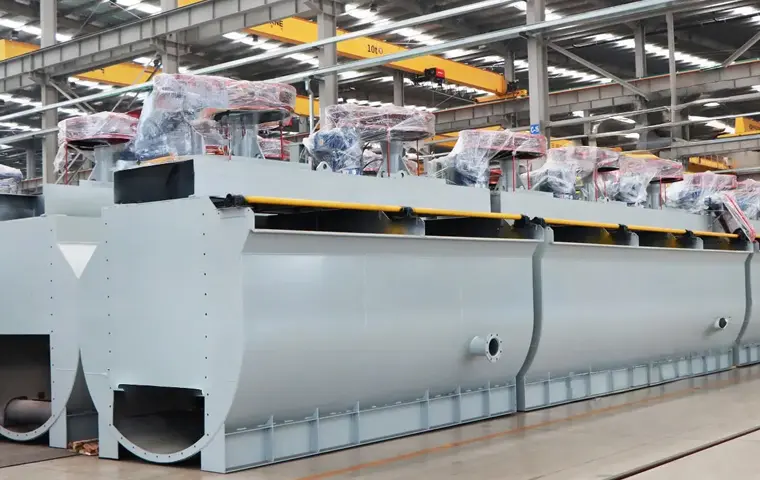
Roherz: Sulfidisches Golderz mit Pyrit Goldgehalt: 3,8 g/t Konzentrat-Gehalt: 42 g/t Au
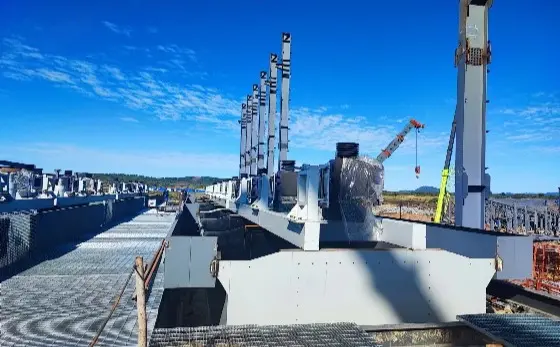
Rohmaterial: Lithium-Pegmatit-Erz (spodumenreich) Li₂O-Gehalt: 1,2 % Endprodukt: Batterie-Lithium
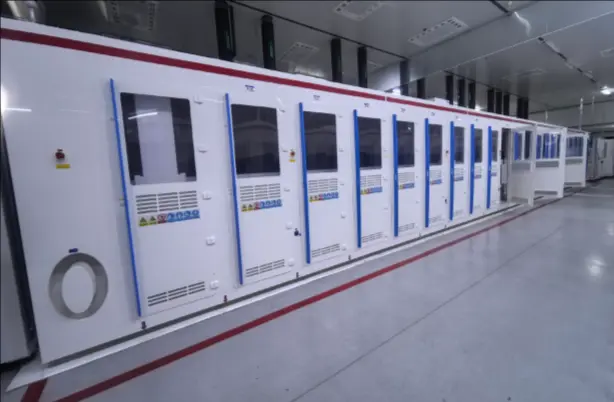
einkaufen Sie: Einkristalline Batch-Texturierungsanlage, Batch-Texturierungs-Belader/Entlader, Niederdruck-Softlanding-Geschlossenes-Rohr-Diffusionsystem
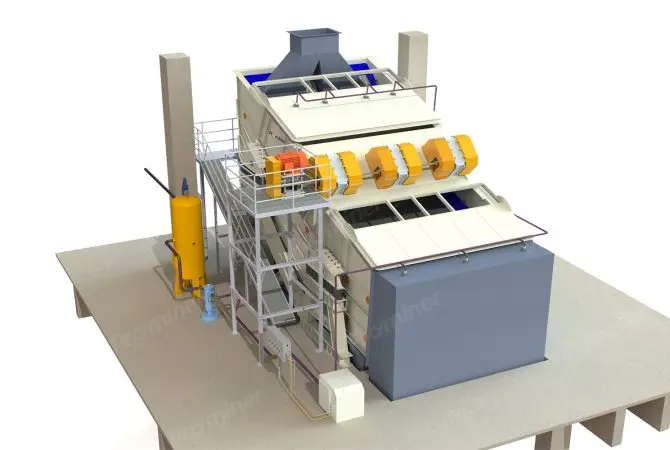
Flip-Flow-Siebplatte dehnt sich weiterhin aus und zieht sich zusammen, um hohe Beschleunigungsraten zu erreichen
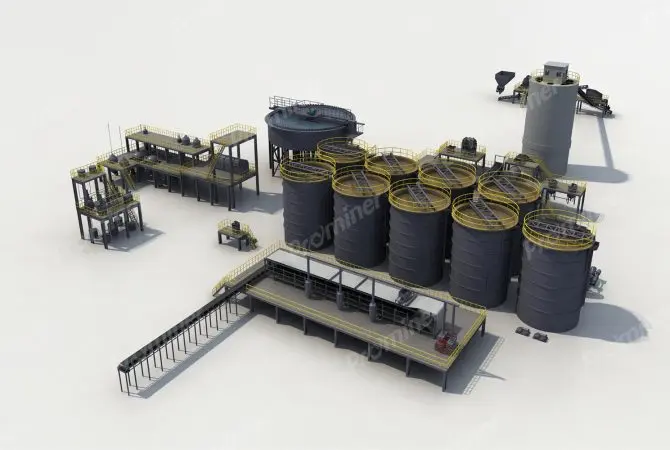
Prominer kann die komplette Lösung für das CIL (Carbon in Leaching)-System bereitstellen
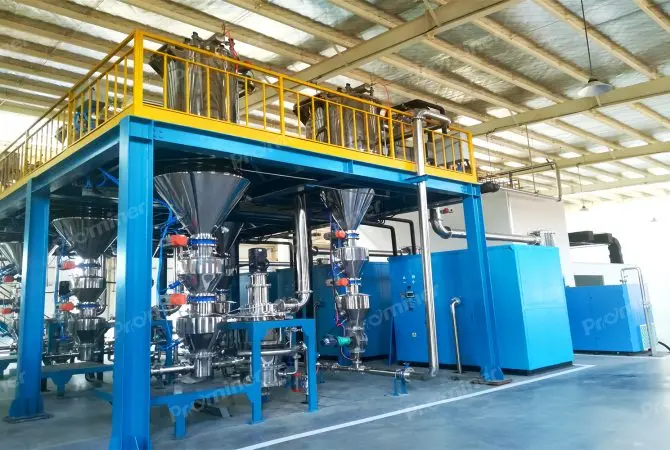
Die Jet-Mühle wird auch als Wirbelschicht-Jet-Mühle bezeichnet, da sie mehrere Düsen verwendet, um einen Luftstrom in Schallgeschwindigkeit zu erzeugen.
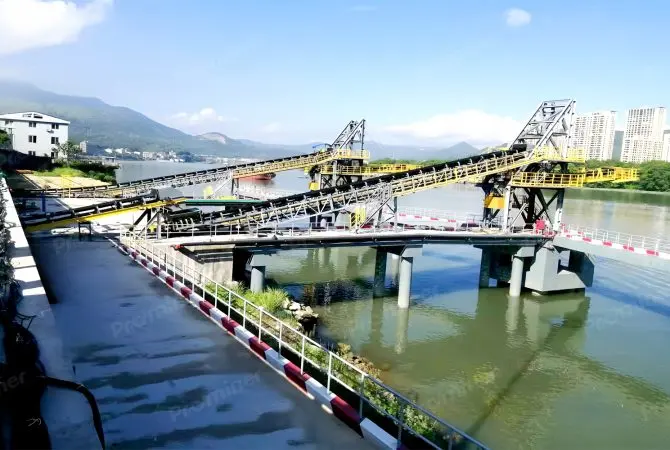
Wir können Lösungen für Bandförderer zu verschiedenen Zwecken anbieten, einschließlich steil geneigter Bandförderer
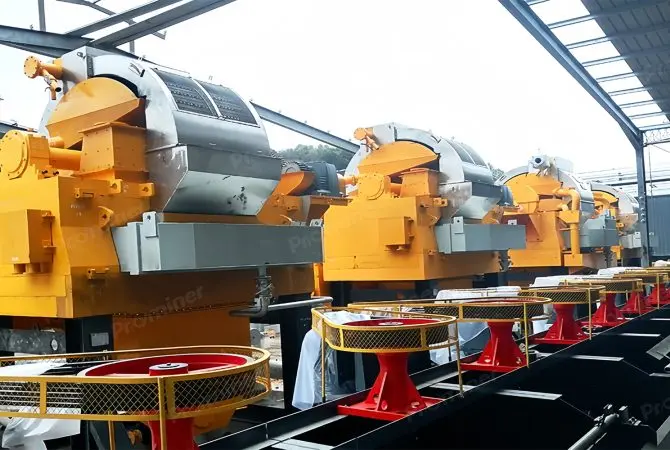
Prominer kann verschiedene HIMS (Hochintensitäts-Magnetseparatoren) bereitstellen
Um mehr über unsere Produkte und Lösungen zu erfahren, füllen Sie bitte das untenstehende Formular aus, und einer unserer Experten wird sich in Kürze bei Ihnen melden.
3000 TPD Goldflotationsprojekt in der Provinz Shandong
2500 TPD Lithiumerzfloation in Sichuan
Fax: (+86) 021-60870195
Adresse:Nr. 2555, Xiupu Straße, Pudong, Shanghai
Urheberrecht © 2023.Prominer (Shanghai) Mining Technology Co., Ltd.


