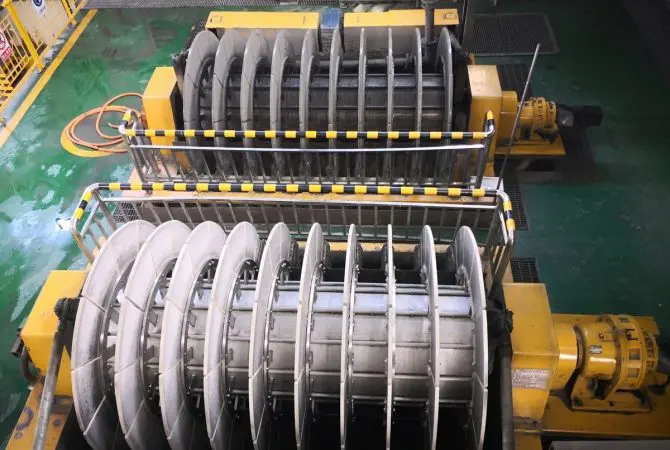
Künstliche Graphitanodenmaterialien bestehen hauptsächlich aus hochwertigem, schwermetallfreiem Petroleumkoks.


/
/
What Are the Best Techniques for Extracting Gold from High-Arsenic Ores?


Extracting gold from high-arsenic ores presents unique challenges due to environmental concerns and the complex nature of the ore. However, several techniques have been developed and refined to address these difficulties effectively. The best methods include:
Each technique requires assessing the specific composition of the ore, economic feasibility, and environmental regulations. Modern advancements prioritize sustainability and minimizing arsenic-related environmental hazards.
A: Die Mineralmerkmale variieren erheblich, selbst innerhalb des gleichen Erzkörpers. Ein professioneller Test (wie chemische Analyse, Röntgenbeugung und Elektronenmikroskopie) gewährleistet, dass das Flussdiagramm für Ihre spezifische Erzqualität und Freisetzungsgröße optimiert ist. Dies verhindert kostspielige Fehlanpassungen der Ausrüstung und garantiert die höchstmöglichen Rückgewinnungsraten für Ihr Projekt.
A: Wir halten einen ständigen Lagerbestand an Kernverschleißteilen (wie Brecherverkleidungen, Siebgewebe und Mahlinnen). Für internationale Kunden stellen wir eine empfohlene „Ersatzteil-Liste für 2 Jahre“ mit dem Erstkauf zur Verfügung. Technische Unterstützung ist rund um die Uhr über Video-Remote verfügbar, und vor Ort Besuche können für komplexe Wartungsbedürfnisse arrangiert werden.
A: Ja. Wir schicken ein Team von erfahrenen Maschinenbau- und Elektroingenieuren zur Baustelle, um die Installation, Inbetriebnahme und Lasttests der Ausrüstung zu überwachen. Wir bieten auch umfassende Schulungen vor Ort für Ihre örtlichen Bediener an, um einen reibungslosen Betrieb auf lange Sicht zu gewährleisten.
A: Absolut. Wir sind auf die Bereitstellung von EPCM-Dienstleistungen (Engineering, Procurement, Construction Management) spezialisiert. Dazu gehört alles von der ersten Erzprüfung und dem Minendesign über die Fertigung von Ausrüstungen, Logistik bis hin zur vollständigen Integration von Anlagen, um einen nahtlosen Übergang von der grünen Wiese zur Produktion zu gewährleisten.
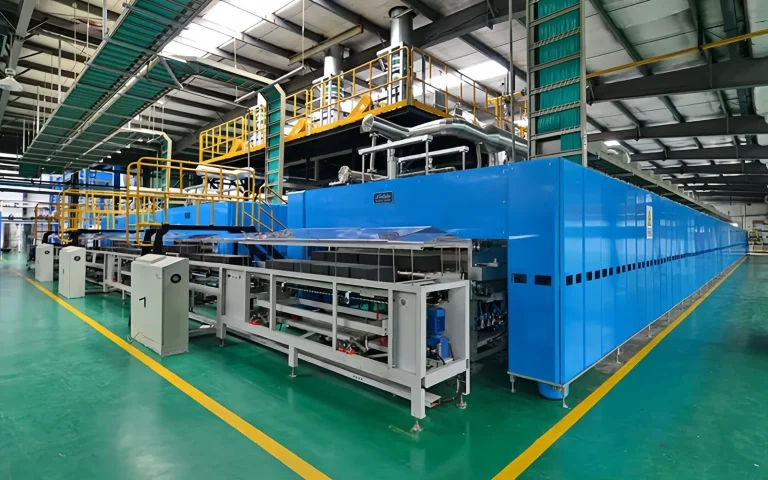
Künstliche Graphitanodenmaterialien bestehen hauptsächlich aus hochwertigem, schwermetallfreiem Petroleumkoks.
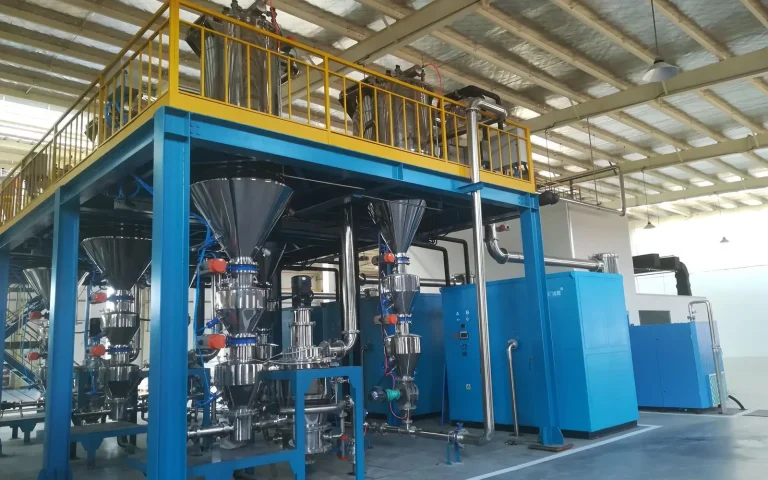
Siliziumbasierte Anoden sind eine Art von Verbundanodenmaterial durch Zusammensetzung von Silizium
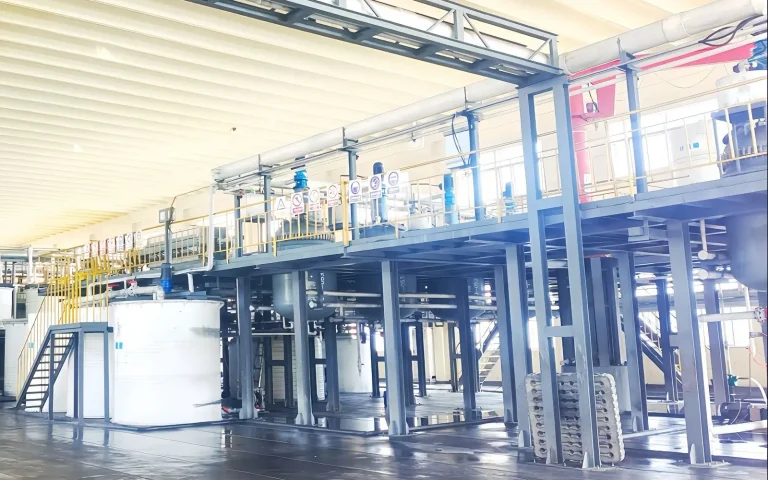
Flake-Graphit kann zur Herstellung von hochgradigem Graphit, hochreinem Graphit, expandierbarem Graphit verwendet werden.

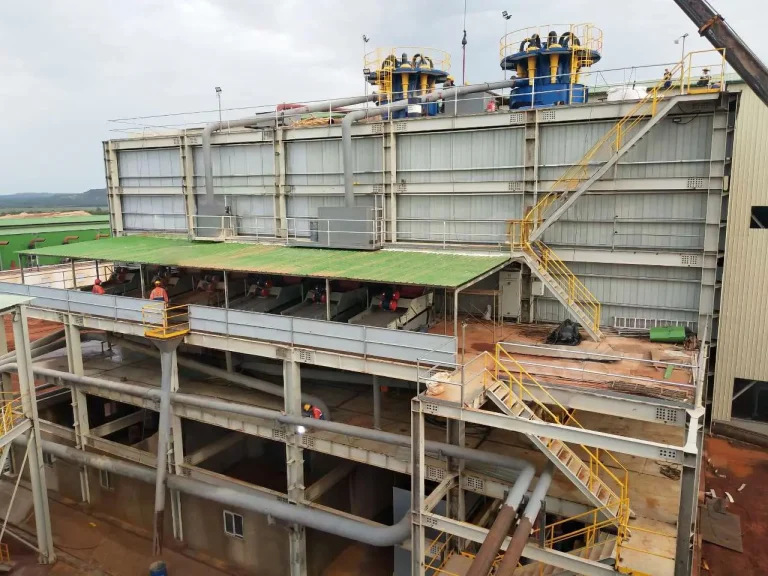
Roherz: Alluvialgold aus Flussablagerungen Goldgehalt: 0,7 g/t (durchschnittlich) Rückgewinnungsrate: 90 %
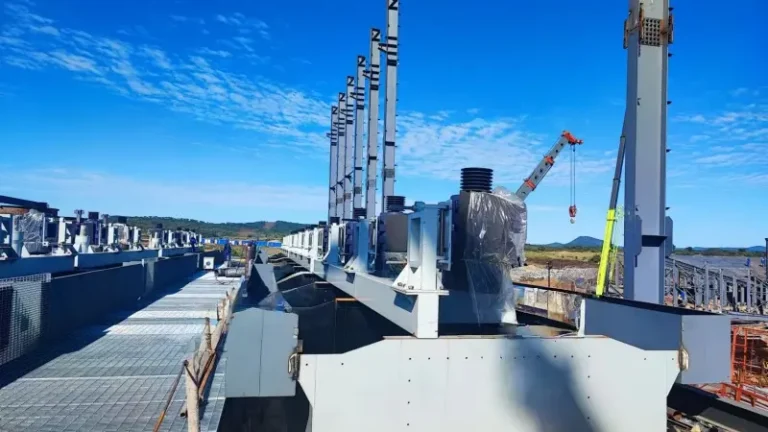
Rohstoff: Lithium-Sole (aus dem Lithium-Dreieck: Chile/Argentinien/Bolivien); Spodumen-Erz (aus Australien und China)
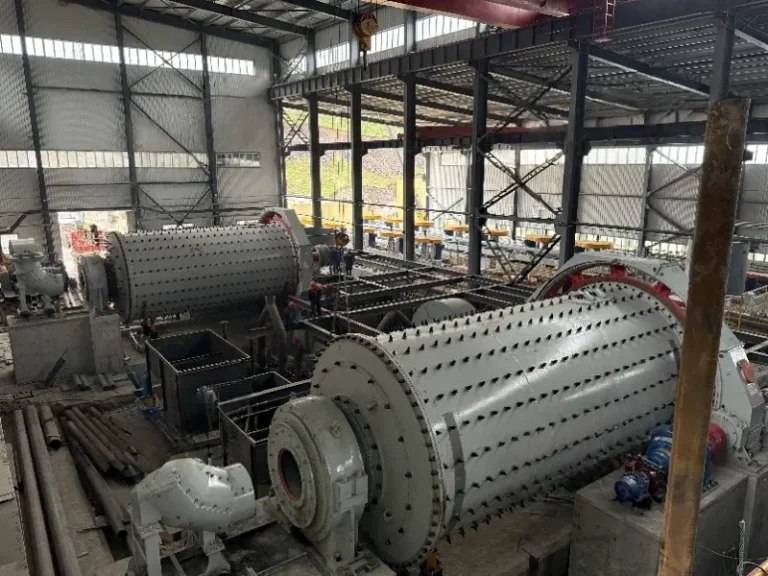
Roherz: Limonit-Laterit-Nickel-Erz Ni-Gehalt: 1,2 % Co-Gehalt: 0,12 %
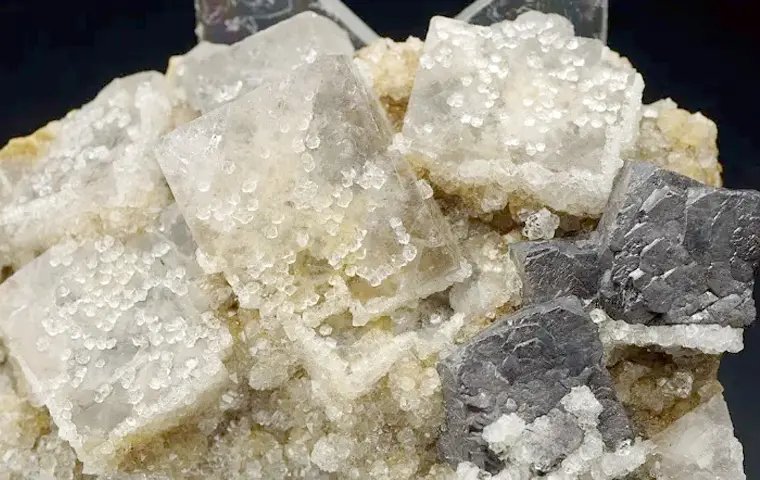
Rohmaterial: Polymetallisches Erz, das Galenit (PbS) und Fluorit (CaF₂) enthält Blei-Gehalt: 3,5% Fluorit-Gehalt: 35%

Rohmaterial: Bestehende Goldwerk-Rückstände (All-slime) Goldgehalt in den Rückständen: 1,2 g/t Endprodukt: Goldbarren
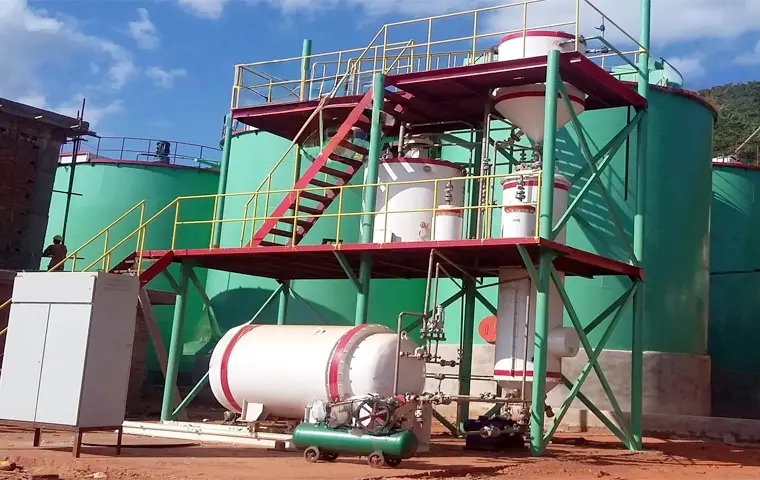
Roherz: Alluvialgold mit Magnetit & Hämatit (typischer Sierra-Madre-Lagerstätte)
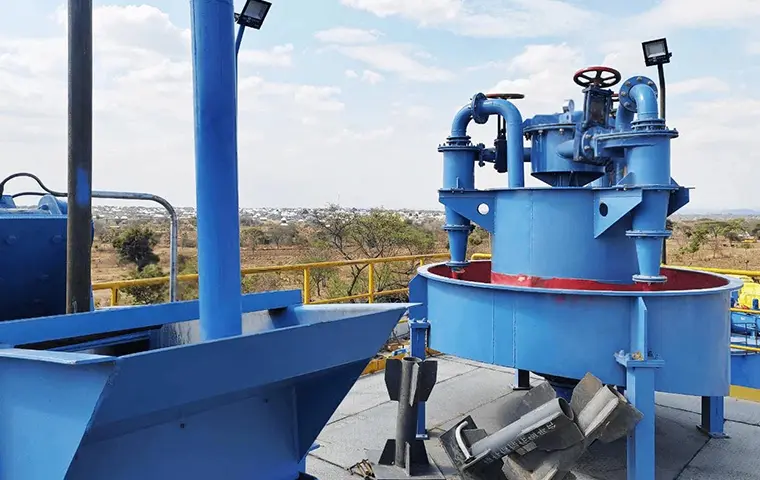
Kapazitätsziel: Die Verarbeitungsfähigkeit von 500 TPD auf 850 TPD schrittweise erhöhen, ohne die Produktion zu stoppen.
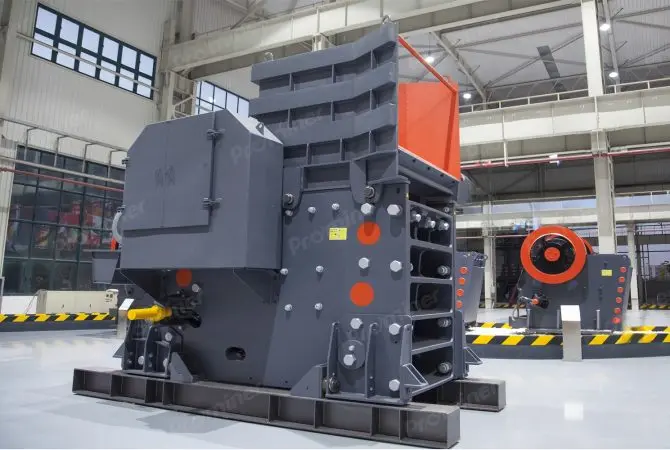
Backenbrecher, dessen Öffnungsgröße die maximale Zufuhrgröße bestimmt. Die Zerkleinerungskammer eines Backenbrechers
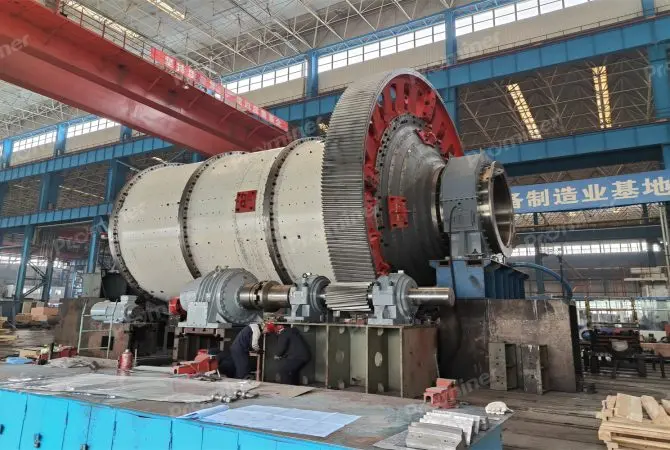
Wir können eine Gitterkugel-Mühle für die primäre Mineralvermahlung entwerfen und herstellen
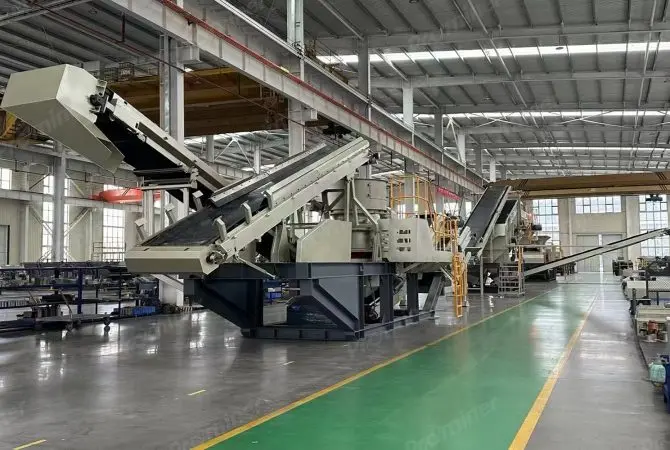
Skid-montierter tragbarer Crusher, basierend auf den Marktanforderungen für einfaches Bewegen von einem Standort
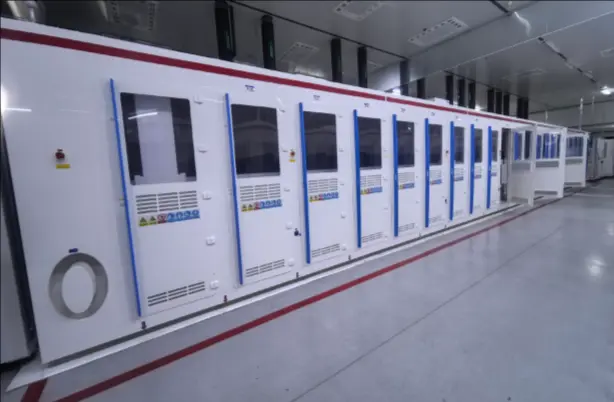
einkaufen Sie: Einkristalline Batch-Texturierungsanlage, Batch-Texturierungs-Belader/Entlader, Niederdruck-Softlanding-Geschlossenes-Rohr-Diffusionsystem
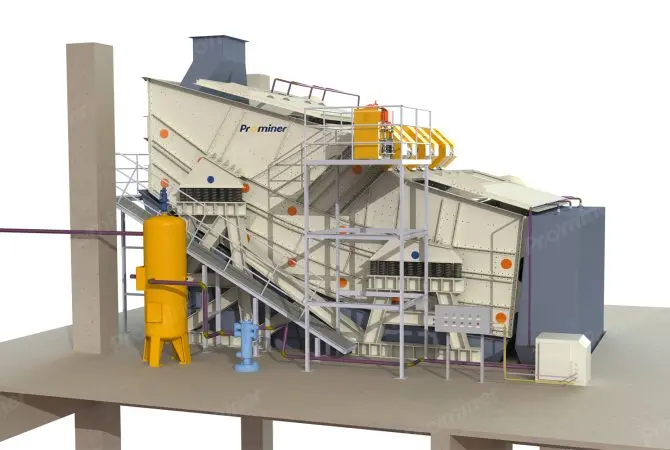
Das Bananensieb ist auch bekannt als Sieb mit konstanter Bettstärke. Prominer hat die Fähigkeit, trockene
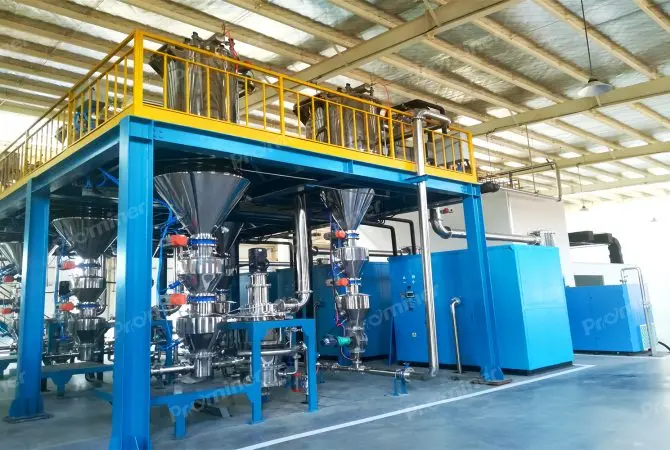
Die Jet-Mühle wird auch als Wirbelschicht-Jet-Mühle bezeichnet, da sie mehrere Düsen verwendet, um einen Luftstrom in Schallgeschwindigkeit zu erzeugen.
Um mehr über unsere Produkte und Lösungen zu erfahren, füllen Sie bitte das untenstehende Formular aus, und einer unserer Experten wird sich in Kürze bei Ihnen melden.
3000 TPD Goldflotationsprojekt in der Provinz Shandong
2500 TPD Lithiumerzfloation in Sichuan
Fax: (+86) 021-60870195
Adresse:Nr. 2555, Xiupu Straße, Pudong, Shanghai
Urheberrecht © 2023.Prominer (Shanghai) Mining Technology Co., Ltd.