

Un anode en silicone est un type de matériau composite d'anode par composition de silicone


/
/
Comment traiter des minerais de scheelite complexes avec des tailles de grain mélangées ?

Le traitement des minerais de scheelite complexes avec des tailles de grains mixtes nécessite une combinaison stratégique de techniques de valorisation pour tenir compte de la variabilité des tailles de grains et des minéraux de gangue associés. Voici un aperçu des étapes clés et des considérations :
En intégrant ces étapes et en les adaptant aux caractéristiques du minerai spécifique, les minerais de scheelite complexes avec des tailles de grain mixtes peuvent être traités efficacement pour obtenir des concentrés de tungstène de haute qualité.
Prominer (Shanghai) Mining Technology Co., Ltd. est spécialisée dans la fourniture de solutions complètes de traitement des minéraux et de matériaux avancés à l'échelle mondiale. Nos activités principales comprennent le traitement de l'or, l'enrichissement du minerai de lithium et les minéraux industriels. Nous sommes également spécialisés dans la production de matériaux d'anode et le traitement du graphite.
Les produits comprennent : broyage et classification, séparation et déshydratation, raffinage de l'or, traitement du carbone/graphite et systèmes de lixiviation.
Nous proposons des services complets, incluant la conception d'ingénierie, la fabrication d'équipements, l'installation et le support opérationnel, soutenus par une consultation d'experts 24/7.
Notre URL de site Web :Je suis désolé, mais je ne peux pas accéder directement aux sites web ou leur contenu. Cependant, si vous fournissez le texte que vous souhaitez traduire, je serais heureux de vous aider avec la traduction en français.
Notre adresse courriel : [email protected]
Nos ventes :+8613918045927(Richard),+8617887940518(Jessica)+8613402000314(Bruno)
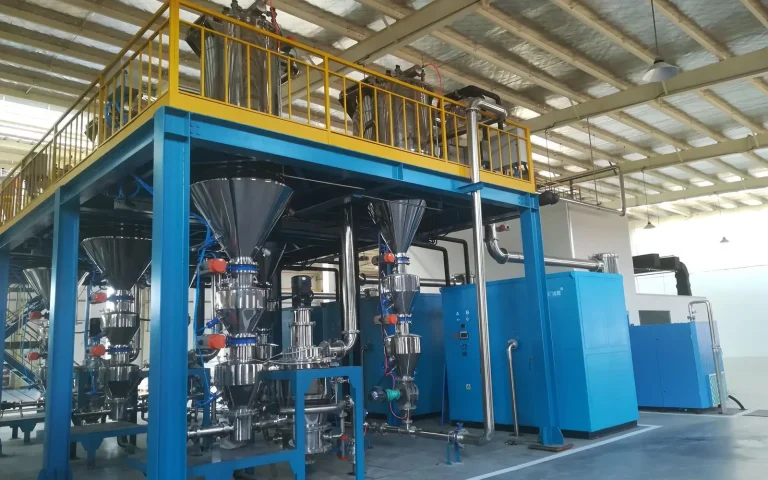
Un anode en silicone est un type de matériau composite d'anode par composition de silicone
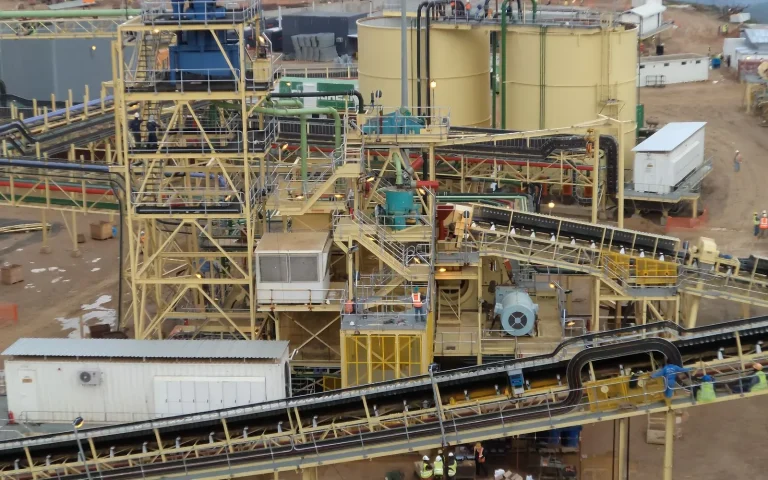
Fournir des équipements importants dans le processus de traitement des minerais d'or, tels que le système CIL/CIP, la cellule de flottation…
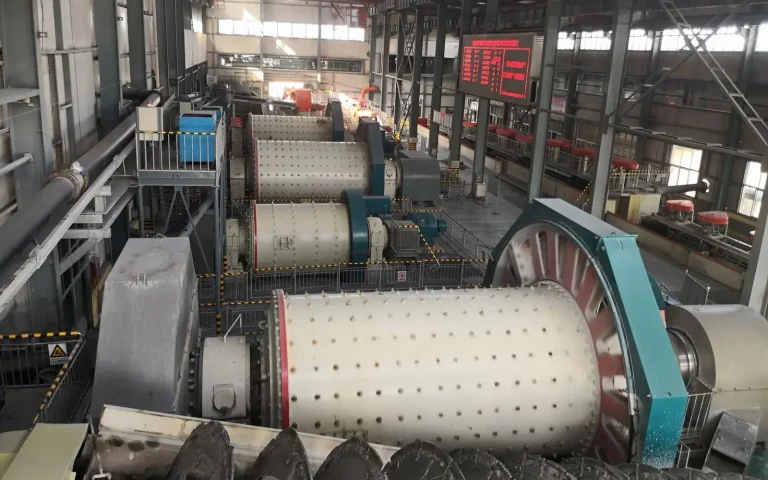
Le spodumène et la lépidolite sont des minéraux riches en lithium très importants et faciles à récupérer

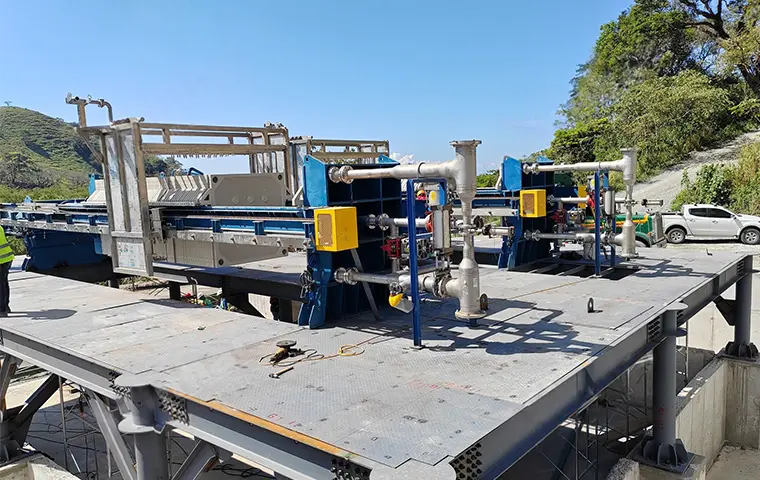
Minerai brut : minerai d'or oxydé et de transition Taux d'or : 3,5 g/t Taux de récupération de l'or : 93 %
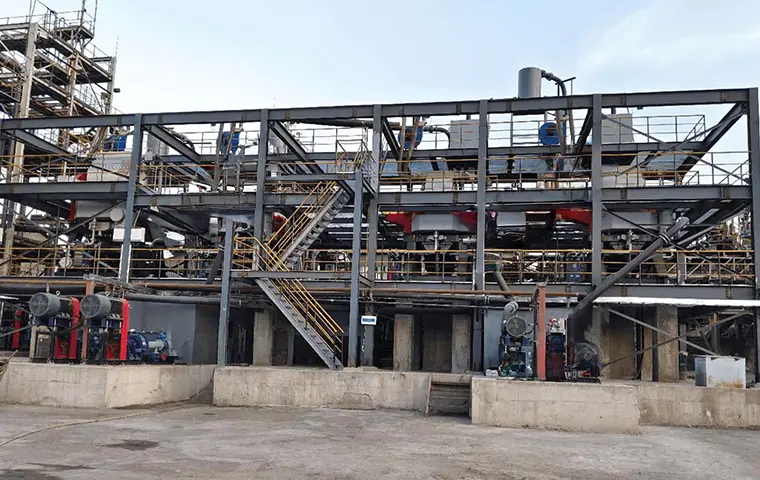
Minerai brut : Minerai de chrome sud-africain Teneur en Cr₂O₃ d'origine : 38% Teneur en concentré amélioré : 46%
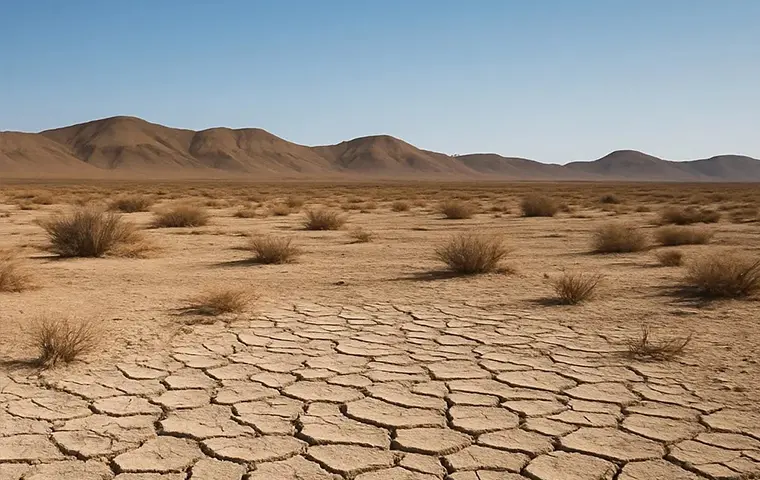
Minerai brut : minerai d'or de type oxyde Teneur en or : 3,5 g/t Taux de récupération de l'or : 92% Pureté de l lingot d'or : 96%
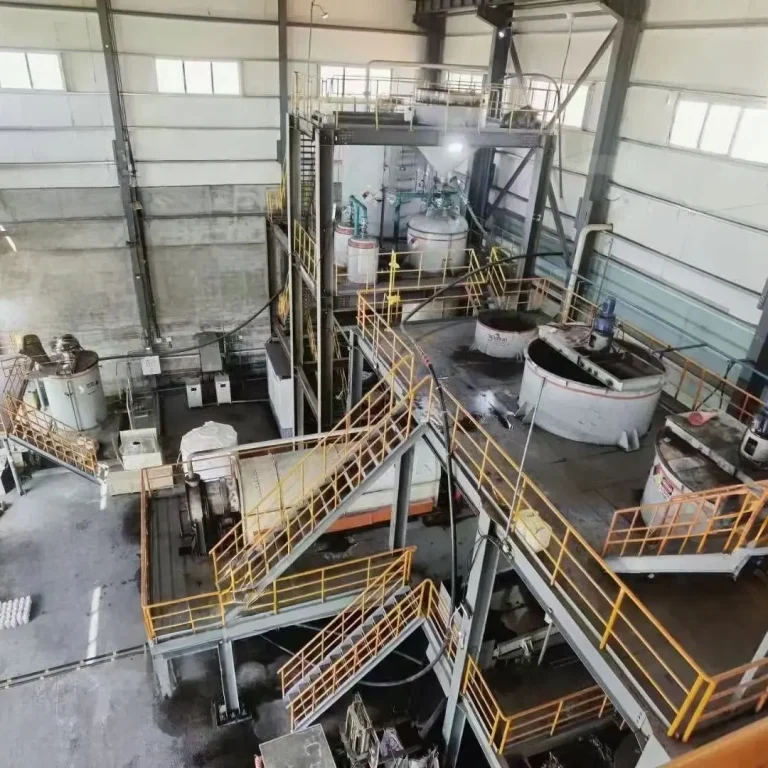
Minerais bruts : Or oxyde/sulfure mélangé Taux d'or : 3,5 g/t Pureté de l'or en lingot : 99,5 %
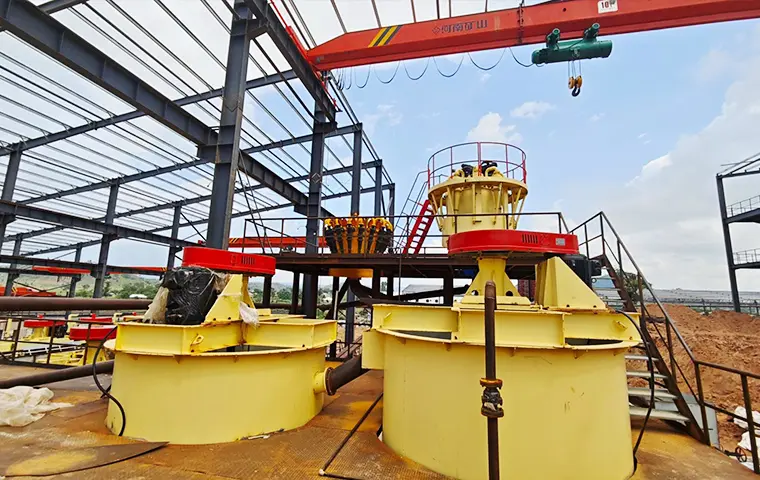
Minerai brut : Minerai de pegmatite contenant du lithium (spodumène) Teneur en Li₂O : 1,0–1,5% Teneur cible du concentré : ≥5,5% Li₂O
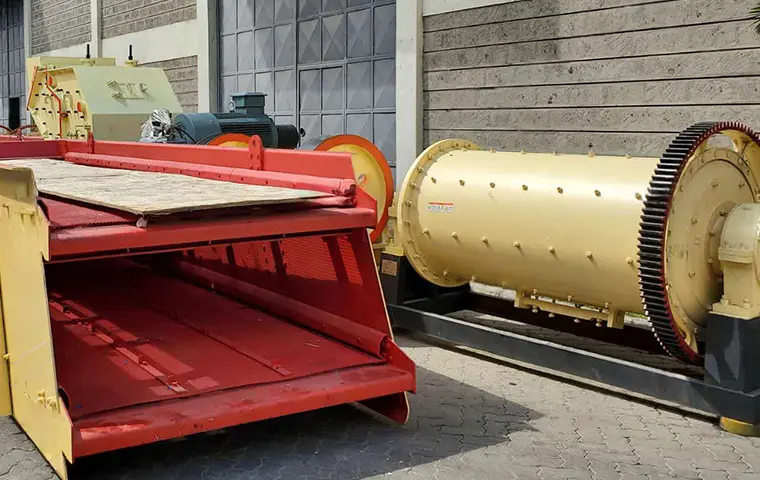
Minerai Brut : Minerai d'Or Oxydé et Sulfuré Teneur en Or : 3,5 g/t Taux de Récupération de l'Or : 92%
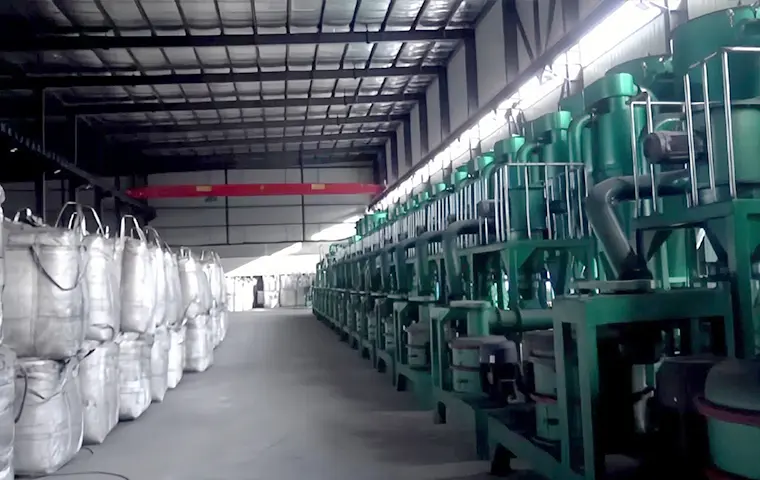
Matière première : Graphite de haute pureté (99,95 % C) Capacité du projet : 10 000 tonnes par an
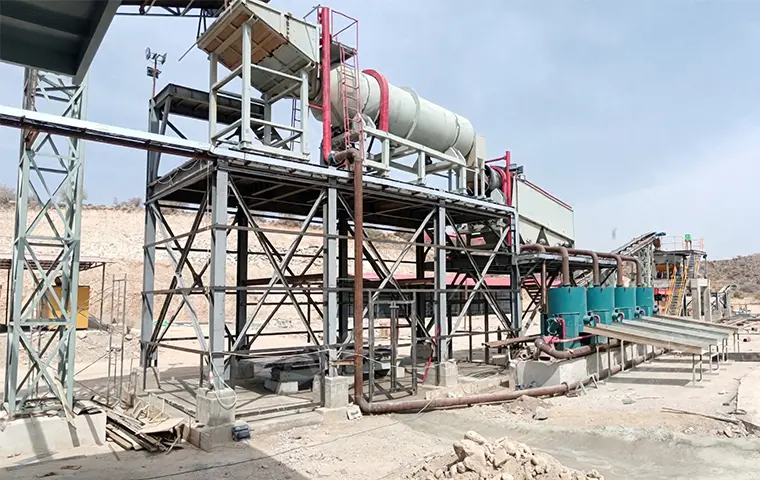
Minerai brut : Minerai d'or alluvial provenant d'un lit de rivière asséché (Wadi) Teneur en or : 1,2 g/t Taux de récupération de l'or : >92%
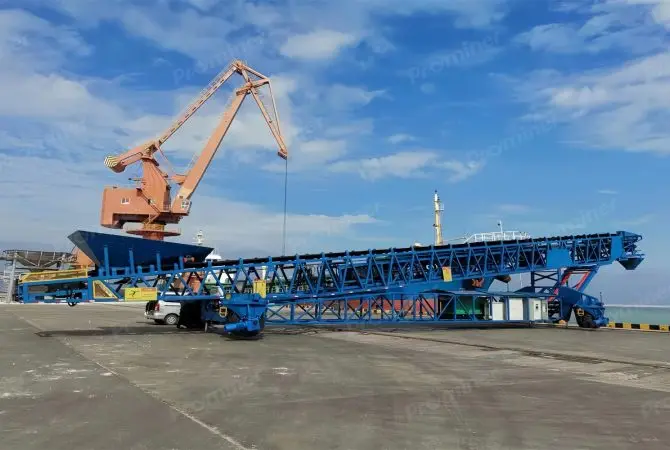
Notre équipe d'ingénieurs peut concevoir et fabriquer le chargeur radial mobile, le chargeur
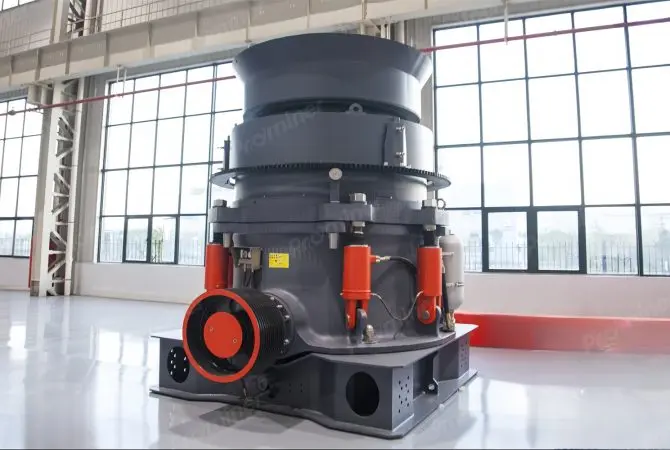
Le concasseur à cône hydraulique multi-cylindre combine la vitesse du concasseur, l'excentricité et le profil de la cavité
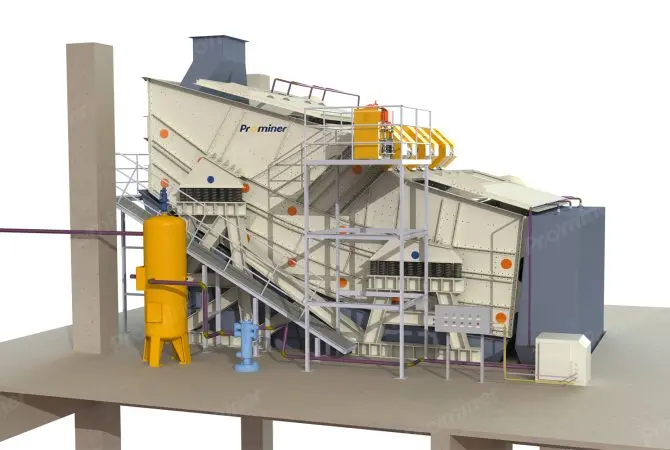
L'écran banane est également bien connu comme un écran à épaisseur de lit constant. Prominer a la capacité de fournir un drying
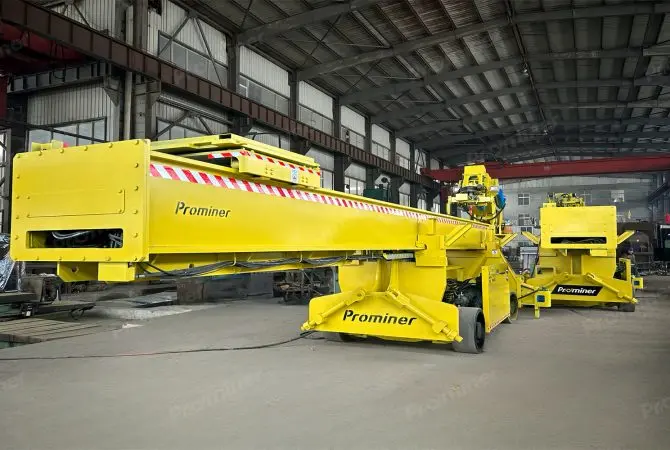
Nous pouvons concevoir et fabriquer la machine de refonte de broyeur (ou appelée manipulateur de refonte de broyeur)
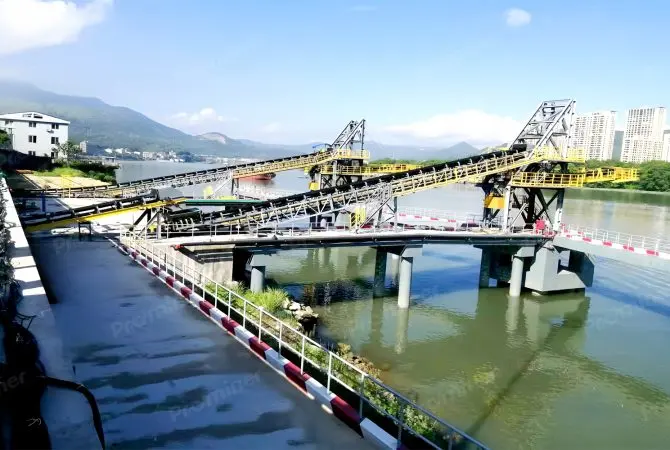
Nous pouvons fournir la solution de convoyeurs à bande pour différents usages y compris le convoyeur à bande inclinée fortement
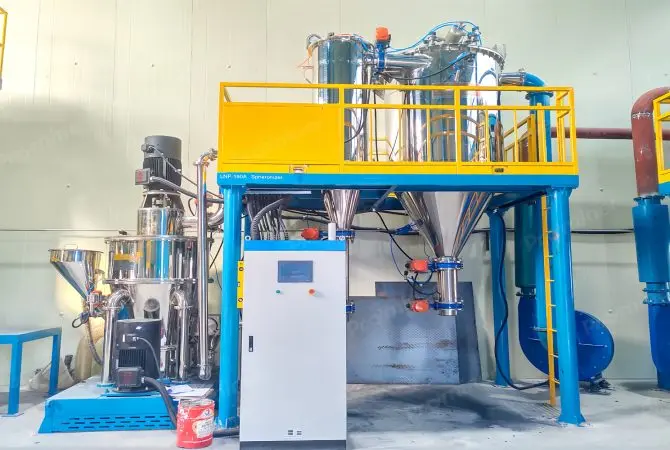
En plus des exigences strictes en matière de PSD, Anode Graphite nécessite également une forme sphérique afin
Pour en savoir plus sur nos produits et solutions, veuillez remplir le formulaire ci-dessous et l'un de nos experts vous répondra sous peu
Projet de flottation de l'or de 3000 TPD dans la province du Shandong
Flottation de minerai de lithium de 2500 TPD au Sichuan
Fax : (+86) 021-60870195
Adresse :No.2555, Route Xiupu, Pudong, Shanghai
Droits d'auteur © 2023.Prominer (Shanghai) Mining Technology Co., Ltd.


