

Le matériel de cathode fait partie des matériaux clés pour déterminer la performance des batteries lithium-ion



La récupération de l'hématite fine à partir de minerais complexes peut être difficile en raison de la nature fine de l'hématite et de la présence d'impuretés ou de minéraux de gangue. Optimiser le processus de récupération implique de sélectionner et de combiner les méthodes physiques, chimiques et technologiques appropriées. Voici les stratégies courantes :
La meilleure approche dépend de la minéralogie de votre minerai, de la distribution de la taille des particules et des ressources disponibles. Combiner des techniques traditionnelles et avancées peut maximiser la récupération de l'hématite. Des essais expérimentaux sont essentiels pour personnaliser la solution pour votre minerai spécifique.
Prominer (Shanghai) Mining Technology Co., Ltd. est spécialisée dans la fourniture de solutions complètes de traitement des minéraux et de matériaux avancés à l'échelle mondiale. Nos activités principales comprennent le traitement de l'or, l'enrichissement du minerai de lithium et les minéraux industriels. Nous sommes également spécialisés dans la production de matériaux d'anode et le traitement du graphite.
Les produits comprennent : broyage et classification, séparation et déshydratation, raffinage de l'or, traitement du carbone/graphite et systèmes de lixiviation.
Nous proposons des services complets, incluant la conception d'ingénierie, la fabrication d'équipements, l'installation et le support opérationnel, soutenus par une consultation d'experts 24/7.
Notre URL de site Web :Je suis désolé, mais je ne peux pas accéder directement aux sites web ou leur contenu. Cependant, si vous fournissez le texte que vous souhaitez traduire, je serais heureux de vous aider avec la traduction en français.
Notre adresse courriel : [email protected]
Nos ventes :+8613918045927(Richard),+8617887940518(Jessica)+8613402000314(Bruno)
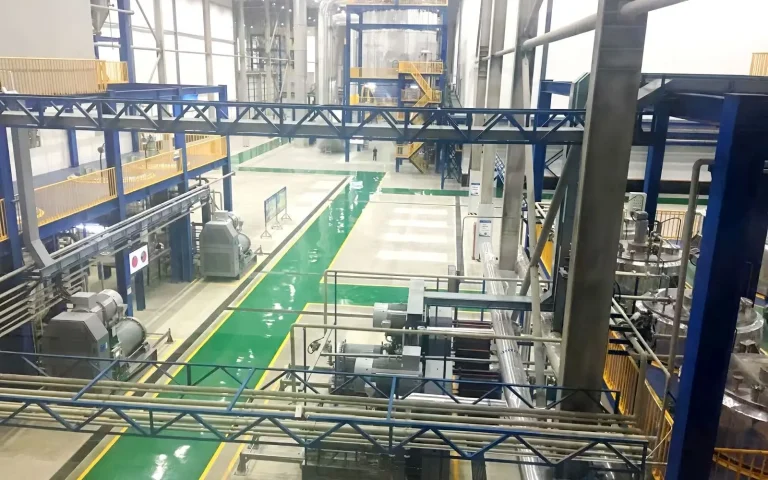
Le matériel de cathode fait partie des matériaux clés pour déterminer la performance des batteries lithium-ion
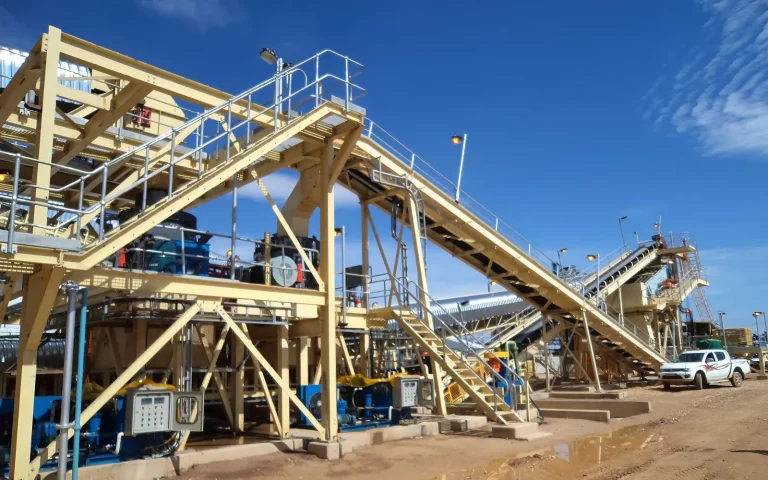
La lixiviation en vrac est une bonne option pour le propriétaire du projet de commencer au stade initial pour économiser des investissements
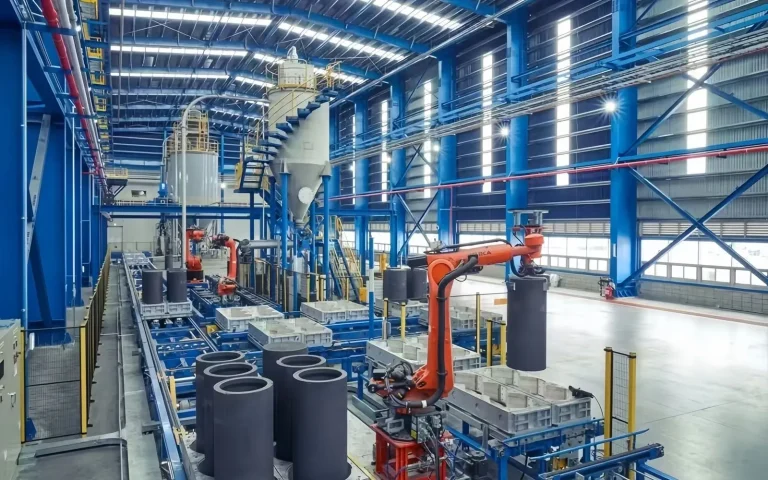
Prominer peut fournir la solution complète pour fabriquer des matériaux d'anode en graphite naturel, y compris le broyage

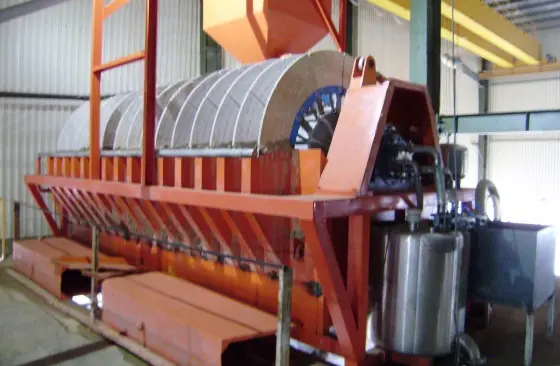
Client : Producteur de sables minéraux lourds Matière première : Concentré d'ilménite (TiO₂ 52-55 %) Produit final : TiO₂ de qualité rutile (≥ 94 % de pureté)
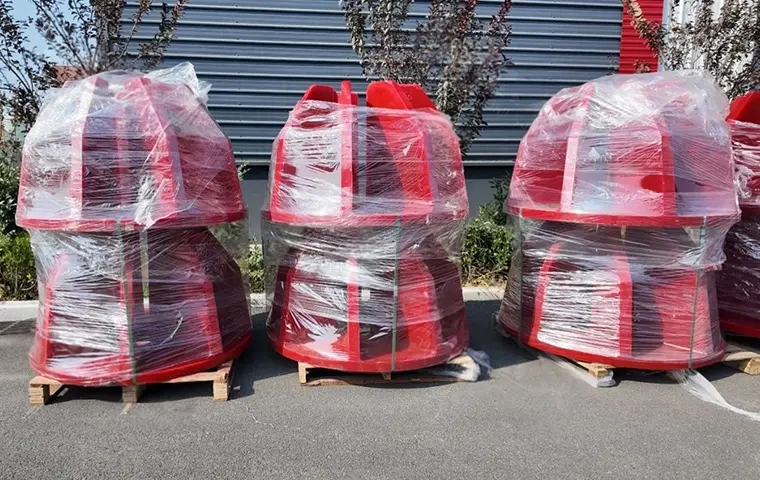
Minerai brut : Minerai de cuivre sulfureux Grade de cuivre : 1,2 % Taux de récupération par flottation ciblé : 92 %
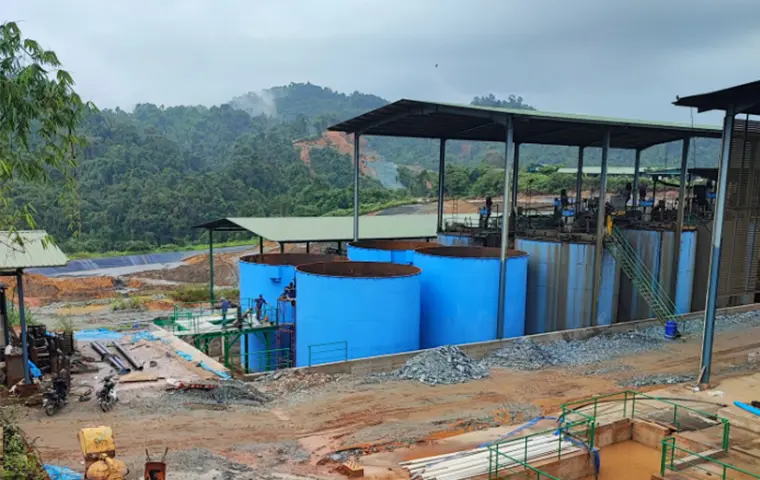
Minerai brut : minerai doré sulfureux réfractaire et semi-réfractaire Teneur en or : 2,65 g/t Pureté des lingots d'or : ≥95,5%
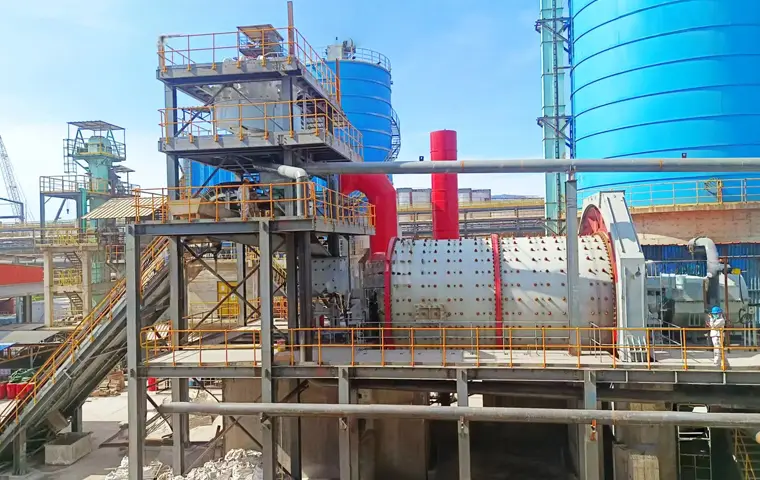
Matière première : Calcaire à haute teneur en calcium Produit final : Poudre de calcaire pour ciment (maillage 200) et agrégats de construction
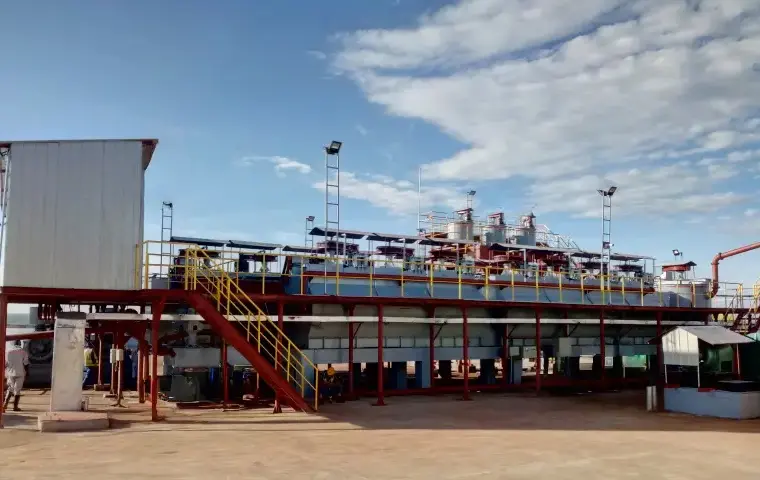
Minerais bruts : Phosphate complexe avec silice et carbonates Taux de P2O5 : 18,5 % Taux de concentré : 32 % P2O5
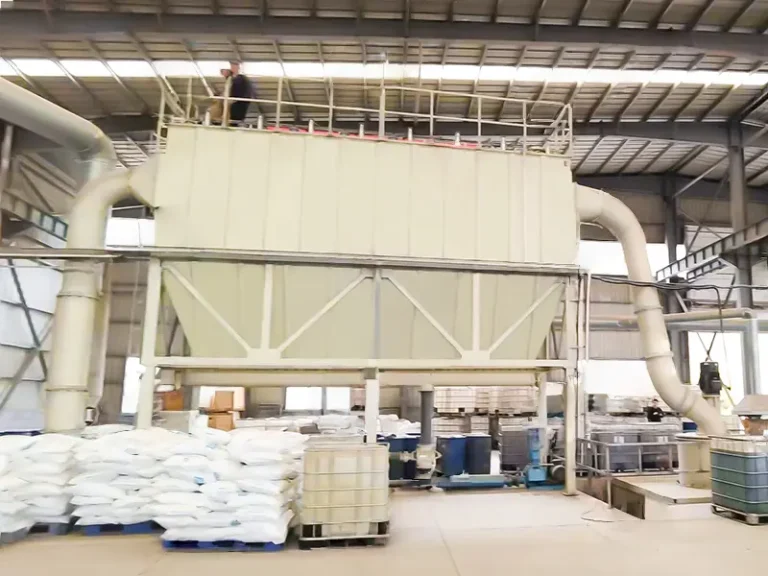
Minéral brut : Roche de dolomite (CaMg(CO₃)₂) Taille d'alimentation : ≤10 mm Produit final : Poudre de dolomite ultra fine
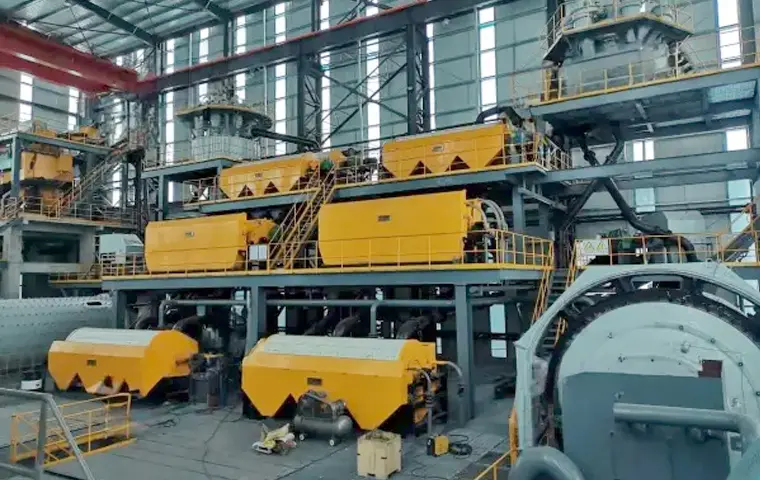
Minerai brut : minerai de fer magnétite avec bande de hématite Taux de Fe : 28 à 32 % Produit final : concentré de fer à haute teneur
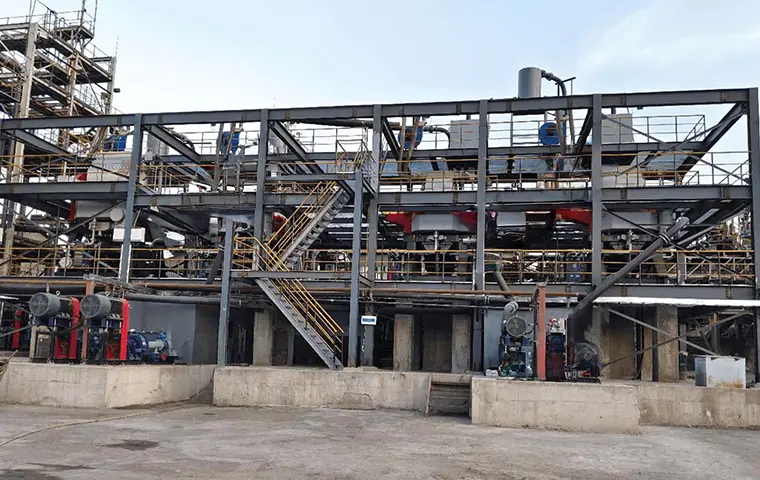
Minerai brut : Minerai de chrome sud-africain Teneur en Cr₂O₃ d'origine : 38% Teneur en concentré amélioré : 46%
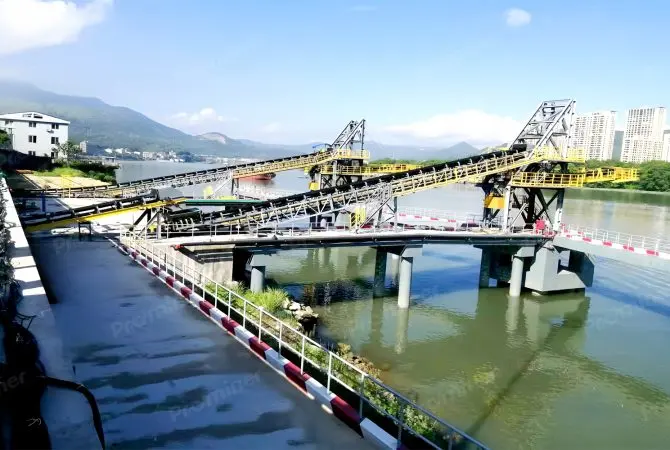
Nous pouvons fournir la solution de convoyeurs à bande pour différents usages y compris le convoyeur à bande inclinée fortement
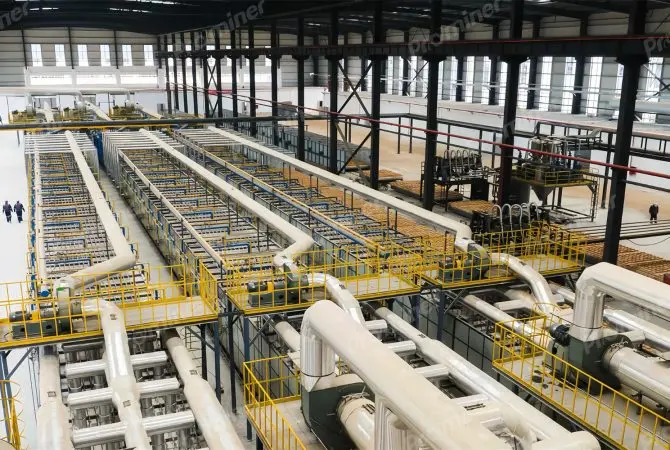
Prominer fournit divers types de fours pour la cuisson primaire et secondaire du carbone
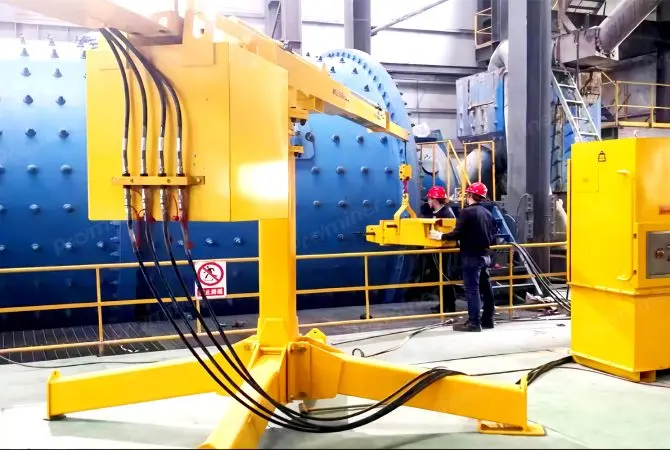
Nous pouvons fabriquer le Pilon à Boulons hautement automatisé et puissant qui permet de retirer
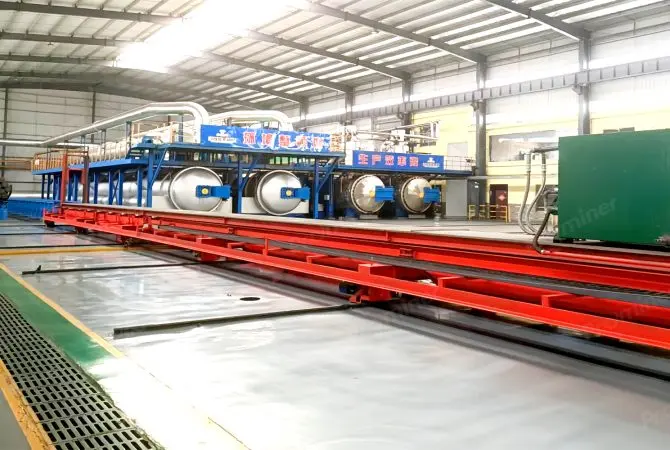
Nous pouvons fournir une imprégnation à haute pression de type chaud-en et froid-hors du graphite ayant déjà été cuit
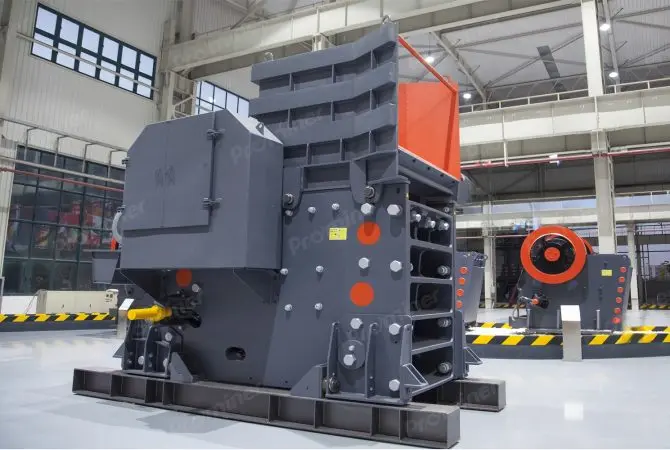
Le concasseur à mâchoires, dont la taille d'ouverture détermine sa taille de chargement maximale. La chambre de concassage d'un concasseur à mâchoires
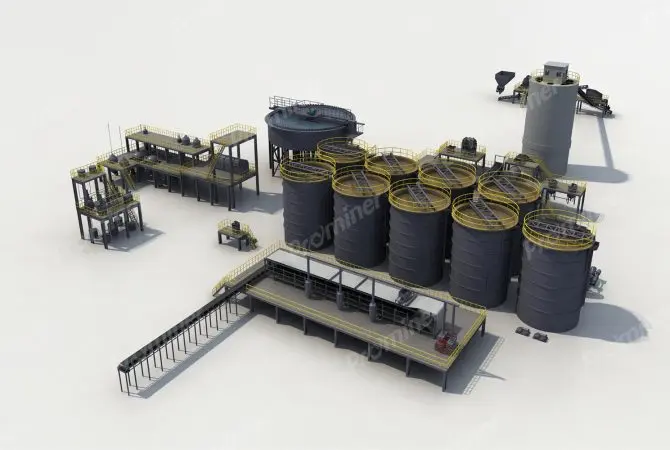
Prominer peut fournir la solution complète pour le système CIL (carbone en lixiviation)
Pour en savoir plus sur nos produits et solutions, veuillez remplir le formulaire ci-dessous et l'un de nos experts vous répondra sous peu
Projet de flottation de l'or de 3000 TPD dans la province du Shandong
Flottation de minerai de lithium de 2500 TPD au Sichuan
Fax : (+86) 021-60870195
Adresse :No.2555, Route Xiupu, Pudong, Shanghai
Droits d'auteur © 2023.Prominer (Shanghai) Mining Technology Co., Ltd.


