

Fournir des équipements importants dans le processus de traitement des minerais d'or, tels que le système CIL/CIP, la cellule de flottation…


/
/
Quelles méthodes de traitement des phosphates maximisent la qualité et le rendement ?

La méthode de traitement des phosphates utilisée pour maximiser la qualité et le taux de récupération dépend de la composition minéralogique, des impuretés et de la taille des particules du minerai. Voici quelques méthodes efficaces et couramment utilisées pour le traitement des minerais de phosphate qui optimisent la qualité et le taux de récupération :
Froth flotation is the most widely used and effective method for maximizing phosphate grade and recovery, especially for fine-grained ores. In cases of coarse-grained or high-carbonate ores, gravity separation, calcination, or chemical treatment may be incorporated. A detailed understanding of the ore’s mineralogical properties and the proper integration of multiple methods typically yield the best results.
Prominer (Shanghai) Mining Technology Co., Ltd. est spécialisée dans la fourniture de solutions complètes de traitement des minéraux et de matériaux avancés à l'échelle mondiale. Nos activités principales comprennent le traitement de l'or, l'enrichissement du minerai de lithium et les minéraux industriels. Nous sommes également spécialisés dans la production de matériaux d'anode et le traitement du graphite.
Les produits comprennent : broyage et classification, séparation et déshydratation, raffinage de l'or, traitement du carbone/graphite et systèmes de lixiviation.
Nous proposons des services complets, incluant la conception d'ingénierie, la fabrication d'équipements, l'installation et le support opérationnel, soutenus par une consultation d'experts 24/7.
Notre URL de site Web :Je suis désolé, mais je ne peux pas accéder directement aux sites web ou leur contenu. Cependant, si vous fournissez le texte que vous souhaitez traduire, je serais heureux de vous aider avec la traduction en français.
Notre adresse courriel : [email protected]
Nos ventes :+8613918045927(Richard),+8617887940518(Jessica)+8613402000314(Bruno)
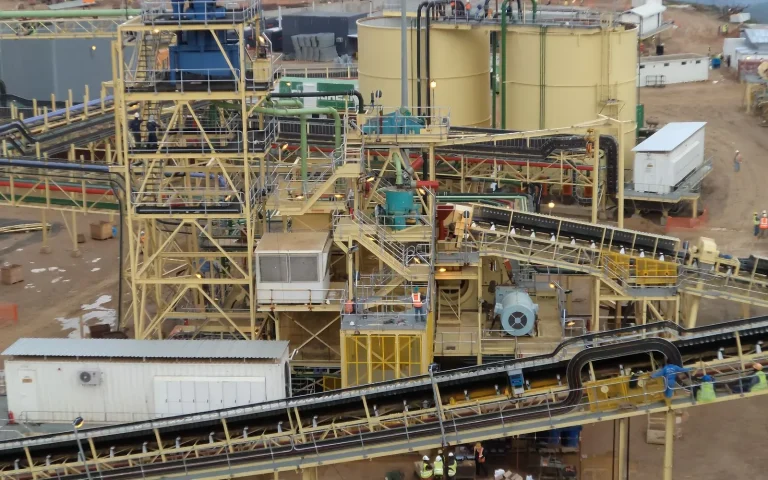
Fournir des équipements importants dans le processus de traitement des minerais d'or, tels que le système CIL/CIP, la cellule de flottation…
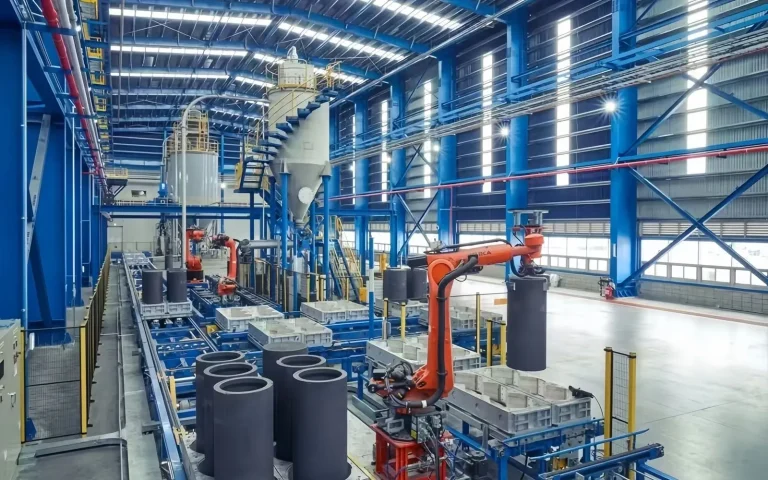
Fournir la solution complète pour la fabrication d'anodes en graphite, comprenant le broyage, le façonnage, la purification...
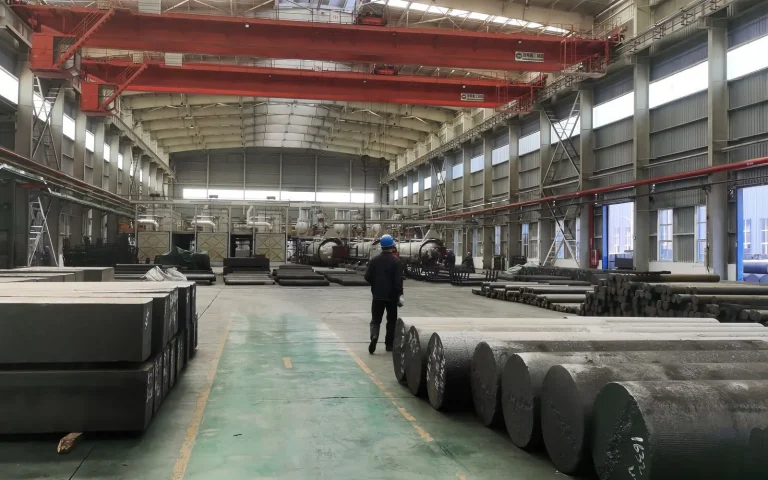
L'électrode en graphite UHP est principalement utilisée pour les fourneaux à arc électrique à ultra haute puissance dans l'industrie de la fusion de l'acier

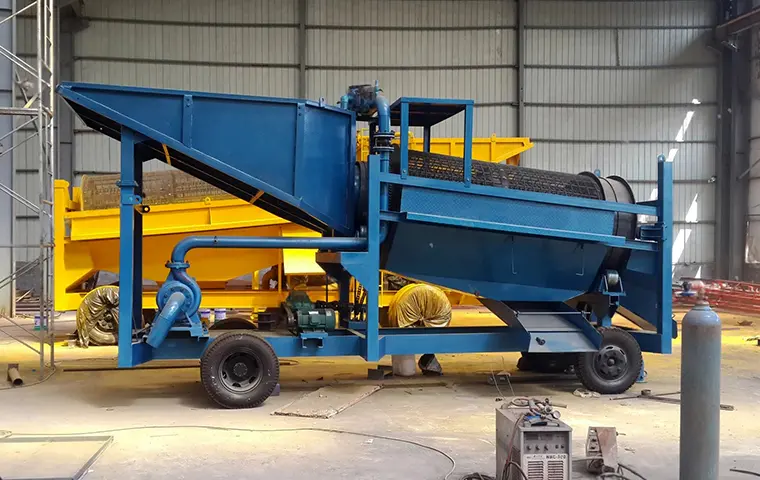
Minerai brut : minerai d'or alluvial provenant de dépôts de lit de rivière et de terrasses Teneur en or : 1,5 g/t Taux de récupération de l'or : 92 %
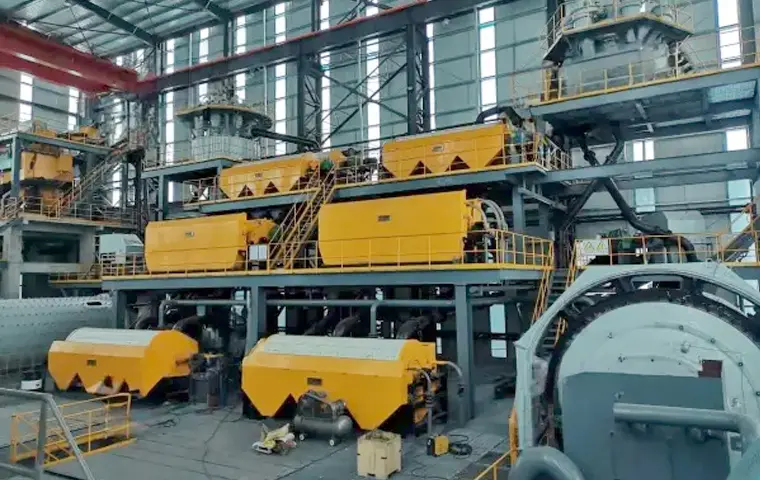
Minerai brut : minerai de fer magnétite avec bande de hématite Taux de Fe : 28 à 32 % Produit final : concentré de fer à haute teneur
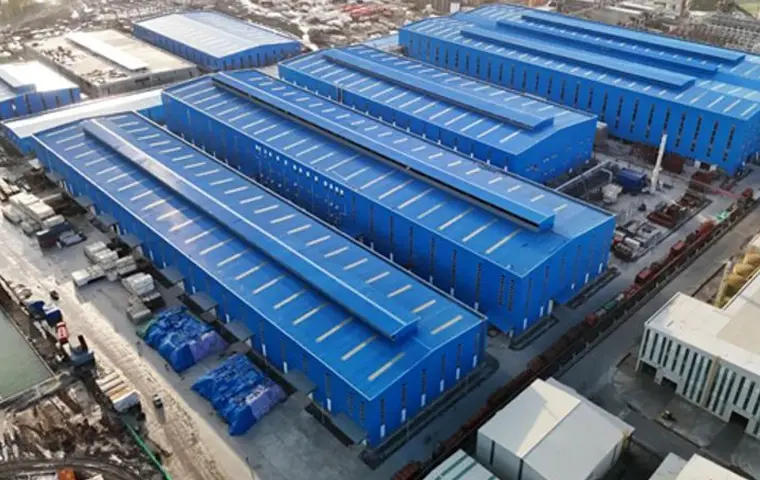
Matière première : Coke de pétrole, coke à aiguille, liant de pitch Capacité du projet : 50 000 tonnes par an
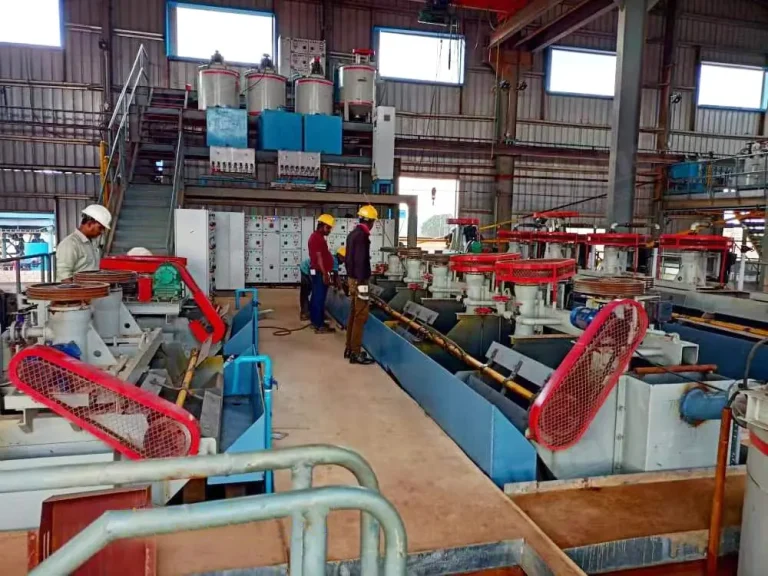
Minerais bruts : minerai de sulfure primaire (chalcopyrite-bornite) Teneur en Cu : 0,72 % Teneur dans le concentré : 28,3 %
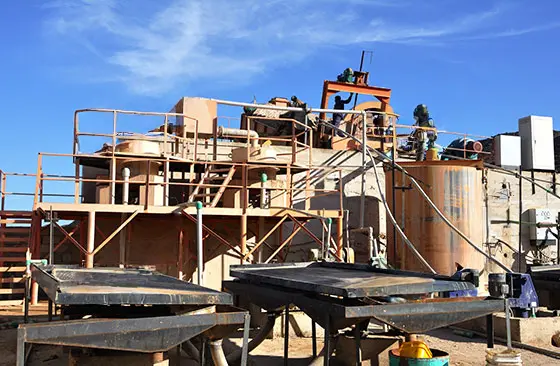
Minerai brut : Minerai d'or et de cuivre sulfuré (rapport Au-Cu : 1 : 1,2) Teneur en or : 2,8 g/t Teneur en cuivre : 0,85 %
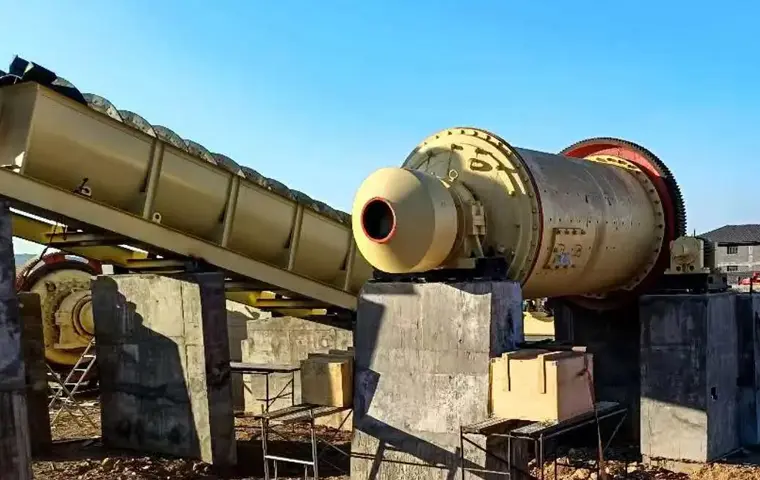
Minerai brut : Minerai d'or de type oxyde Teneur en or : 2.5 g/t Pureté de l'ingot d'or : 96%
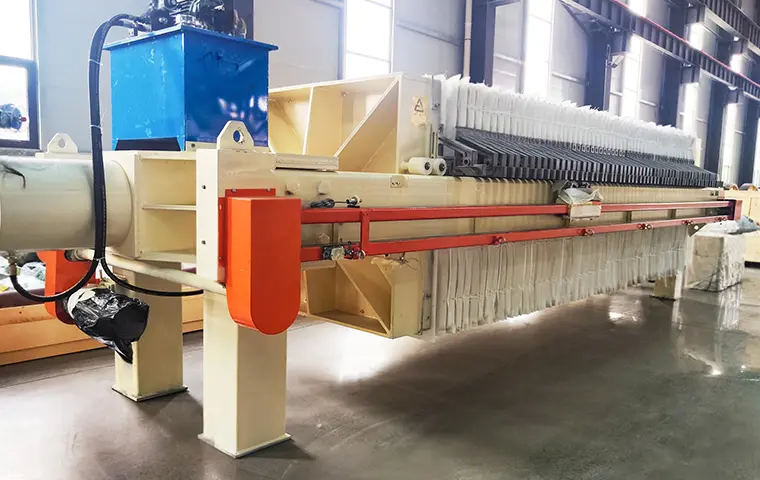
Contexte du projet : Amélioration du circuit de déshydratation pour le concentré de flottation et les stériles de l'usine afin de réduire la teneur en humidité et de permettre l'élimination en tas sec.
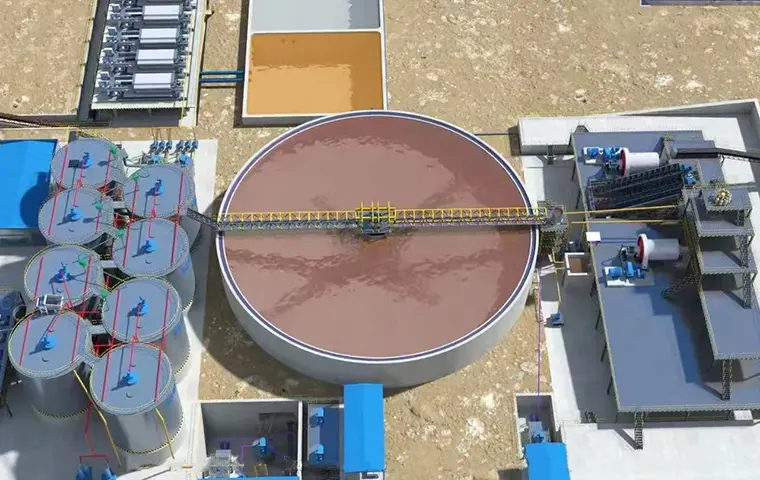
Minerai brut : Minerai de cuivre de type sulfure (principalement chalcopyrite) Taux de cuivre : 0,8 % Produit final : Concentré de cuivre
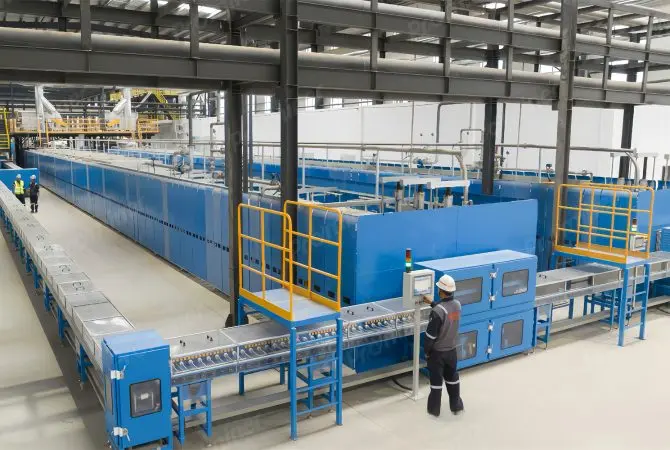
Nous pouvons fournir la solution complète pour le système de traitement par carbonisation à haute température
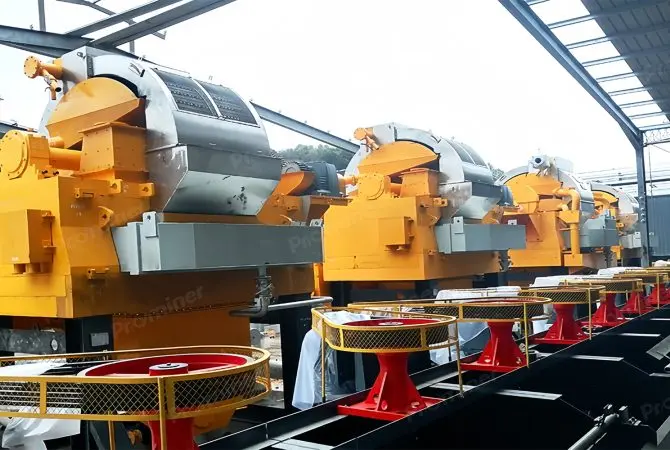
Prominer peut fournir différents séparateurs magnétiques HIMS (Séparateur Magnétique à Haute Intensité)
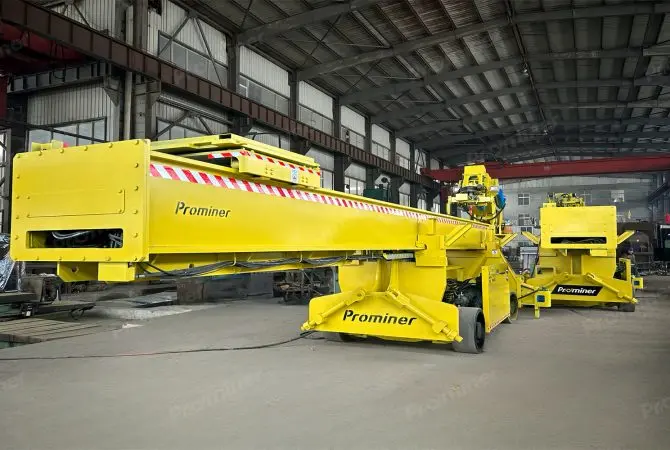
Nous pouvons concevoir et fabriquer la machine de refonte de broyeur (ou appelée manipulateur de refonte de broyeur)
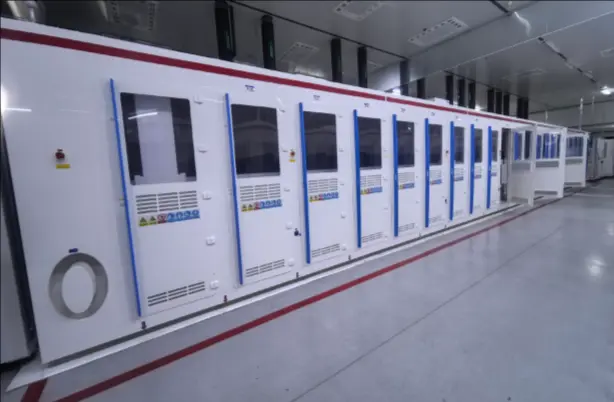
Y compris : équipement de texturation par lots monocristallin, chargeur/déchargeur de texturation par lots, basse pression...
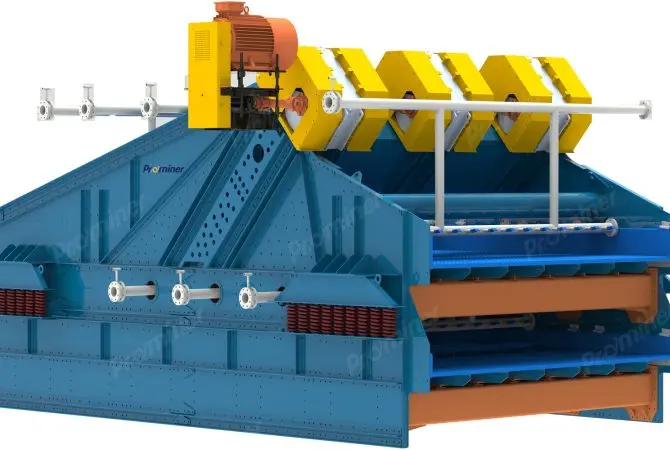
Prominer peut fournir tous les types de crible linéaire pour le classement des minéraux, le dimensionnement des matériaux, le déshydratation
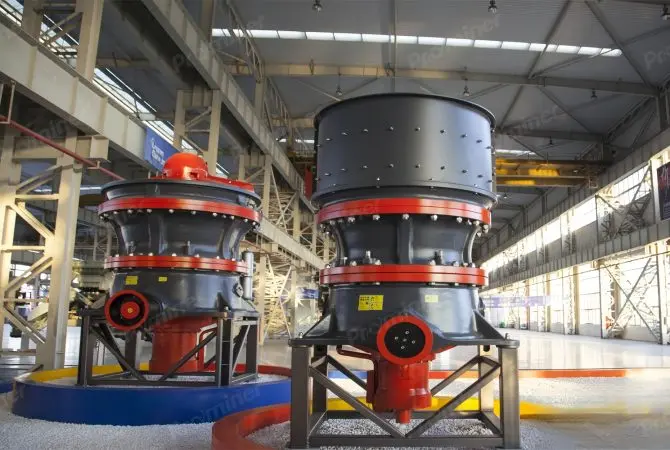
Le concasseur à cône hydraulique mono-cylindre a deux séries basées sur différentes cavités, la cavité S est conçue
Pour en savoir plus sur nos produits et solutions, veuillez remplir le formulaire ci-dessous et l'un de nos experts vous répondra sous peu
Projet de flottation de l'or de 3000 TPD dans la province du Shandong
Flottation de minerai de lithium de 2500 TPD au Sichuan
Fax : (+86) 021-60870195
Adresse :No.2555, Route Xiupu, Pudong, Shanghai
Droits d'auteur © 2023.Prominer (Shanghai) Mining Technology Co., Ltd.


