Crappellite Removal in Phosphate: Why Flotation Beats Magnetic Separation 3:1 on OPEX?
The decision between using flotation and magnetic separation for the removal of crappellite (dolomite and silicate minerals) in phosphate ore processing often boils down to operating expenditure (OPEX) and efficiency. Flotation typically beats magnetic separation on OPEX by a margin of approximately 3:1 due to the following factors:
1. Selective Targeting of Impurities
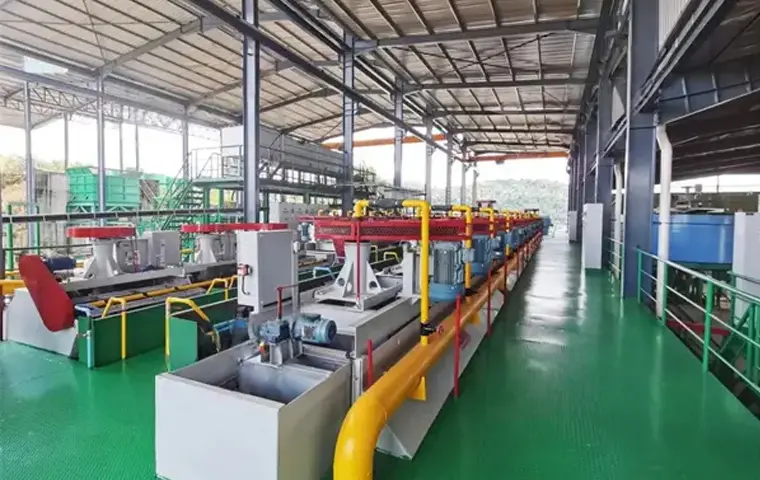
- 부유: Utilizes tailored reagents and surfactants that selectively bind to crappellite particles. This allows for precise separation based on mineral surface chemistry, especially in phosphate ores with closely intertwined impurities like dolomite and silicates. It separates impurities such as crappellite efficiently without requiring large energy inputs.
- 자기 분리: Relies on differences in magnetic susceptibility, which is inherently less selective for non-magnetic impurities like dolomite and silicates. This technique struggles when removing crappellite unless paired with costly preprocessing methods.
2. Energy Consumption
- 부유: Typically has a lower energy demand because it does not rely on the generation of strong magnetic fields or high mechanical forces. Most of the cost is associated with the chemical reagents and water management.
- 자기 분리: Requires significant energy to operate electromagnets or permanent magnets, especially at high throughput rates or when trying to achieve fine particle separations. The equipment’s electrical power requirements can drastically increase OPEX in large-scale operations.
3. Equipment Costs
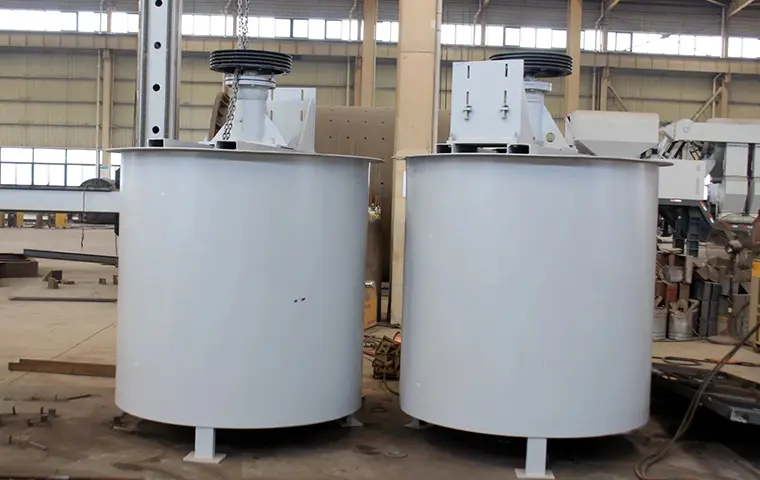
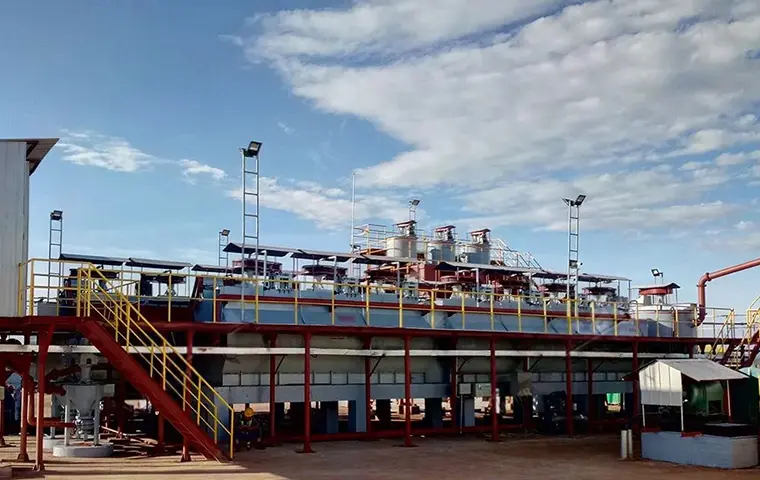
- 부유: The equipment (flotation cells, mixers, and pumps) tends to be less expensive to operate over time due to simpler, standardized designs and lower wear-and-tear. Maintenance costs are relatively moderate.
- 자기 분리: High-performance magnetic separators are expensive to procure, install, and maintain. The cost of wear parts (like magnetic coils and drum surfaces) can also add significantly to OPEX over time.
4. Adaptability to Ore Variability
- 부유: Handles variability in ore composition effectively by adjusting reagent types and dosages, making the process more adaptable to different phosphate deposits.
- 자기 분리: Can struggle with ores that contain mixed impurities or low magnetic susceptibility minerals like dolomite and crappellite. Achieving effective separation requires pre-concentration steps, which drive up costs.
5. Water Usage
- While both processes consume water, flotation often has better closed-loop systems to recover and recycle water, reducing overall costs in areas where water needs to be managed carefully.
Why Flotation Beats Magnetic Separation 3:1 on OPEX:
Flotation not only achieves a higher level of selectivity and efficiency but also avoids the high energy and equipment costs associated with magnetic separation. While magnetic separation is valuable for removing magnetic contaminants, it tends to falter when dealing with impurities like crappellite. The scalability, adaptability, and lower per-ton processing costs associated with flotation make it the preferred method for crappellite removal in phosphate processing.
자주 묻는 질문
A: 광물의 특성은 동일한 광맥 내에서도 상당히 다를 수 있습니다. 전문적인 테스트(화학 분석, XRD, SEM 등)는 흐름도가 귀하의 특정 광석 등급과 해방 크기에 최적화되도록 보장합니다. 이는 비용이 많이 드는 장비 불일치를 방지하고 귀하의 프로젝트에 대해 가능한 가장 높은 회수율을 보장합니다.
A: 우리는 핵심 소모품(예: 크러셔 라이너, 스크린 메시, 연마 매체)의 상시 재고를 유지합니다. 해외 고객을 위해 초기 구매 시 추천 “2년 예비 부품 목록”을 제공합니다. 기술 지원은 연중무휴 24시간 원격 비디오로 제공되며, 복잡한 유지보수 요구 사항에 대해 현장 방문도 조정할 수 있습니다.
A: 네. 우리는 장비의 설치, 시운전 및 하중 테스트를 감독하기 위해 현장에 고위 기계 및 전기 엔지니어 팀을 보냅니다. 또한 귀하의 현지 운영자를 위한 포괄적인 현장 교육을 제공하여 원활한 장기 운영을 보장합니다.
A: 확실히. 우리는 EPCM(엔지니어링, 조달, 건설 관리) 서비스를 제공하는 전문가입니다. 이에는 초기 광석 테스트와 광산 설계부터 장비 제조, 물류, 그리고 전체 규모의 플랜트 통합까지 모든 것이 포함되어 있으며, 이는 녹지에서 생산으로의 원활한 전환을 보장합니다.