황화 광석에서 금 플로타션 회수 최적화 방법은 무엇인가요?
금 플로테이션 회수 최적화는 광물학 이해, 적절한 시약 선택, 공정 매개변수 조정 및 적절한 운영 조건 보장을 포함합니다. 다음은 금 플로테이션 회수를 개선하기 위한 단계별 가이드입니다:
1. 광물학 이해하기
- 광물 특성
: 황금이 황화 광물(예: 황철석, 비소철석, 구리철석)과 어떻게 관련되어 있는지 파악하십시오. 황금이 자유로운 상태인지, 포위되어 있는지, 아니면 결정 구조의 일부인지 판단하십시오.
- 해방 테스트 수행QEMSCAN, XRD 또는 광학 현미경과 같은 도구를 사용하여 금이 해방된 정도를 평가하십시오. 적절한 해방을 위해서는 재분쇄가 필요할 수 있습니다.
- 산화 상태 결정하기산화 광석 또는 preg-robbing 탄소(예: 유기 탄소)가 포함된 광석은 특정 처리가 필요합니다.
- 입자 크기 분석: 부유 회수에 최적의 입자 크기를 달성하기 위해 분쇄 회로를 최적화합니다.
2. 연삭 최적화
- 금 함유 황화광석은 금 입자를 분리하여 부유 flotation을 위해 세밀한 분쇄가 종종 필요합니다.
- 과도한 분쇄를 피하십시오. 너무 미세한 입자는 선택성이 떨어지거나 "슬라임화"로 인해 회수율이 감소할 수 있습니다.
3. 올바른 수집기를 사용하세요.
- 황화물 수집가일반적으로 사용되는 집합체로는 잔테이트(예: 암모늄 아밀 잔테이트) 또는 다이티오인산염이 있습니다. 이들은 황화 광물과 부착된 금의 소수성을 촉진합니다.
- 금 특화 수집가부유하기 어려운 금 입자를 위해 전문 수집기가 필요할 수 있습니다.
- 시약 과용 피하기과다 투입된 집합체는 원치 않는 갱 채굴 광물의 부양 또는 거품 불안정성을 초래할 수 있습니다.
4. 거품기 및 거품 조절 조정
- 거품제 (예: MIBC, 알코올 또는 글리콜 기반 거품제)는 거품의 안정성과 선택성을 향상시킵니다.
- 거품기를 적절히 사용하여 안정적인 거품을 생성하면서 원료와 불순물이 농축물에 과도하게 혼입되는 것을 방지하십시오.
5. pH 조절
- 펄프의 pH는 플로타이션 성능에 상당한 영향을 미칩니다. 황화물의 경우, pH는 일반적으로 석회 또는 소다재를 사용하여 알칼리성 범위(pH 9-11)로 조정됩니다.
- 실험실에서 다양한 pH 수준을 테스트하십시오. 일부 금 함유 황화물은 특정 pH 범위에서 더 잘 작동할 수 있습니다.
6. 우울제와 활성제를 고려하라
- 억제제나트륨 사이안화물, 나트륨 메타비스울파이트 또는 유기 시약(예: CMC 또는 전분)과 같은 물질은 원하지 않는 황화 광물이 부풀어 오르는 것을 방지할 수 있습니다.
- 활성제(예: 황산구리)은 활성화가 필요한 특정 광물의 떠짐을 향상시킬 수 있습니다.
7. 맞춤 훈련 시간
- 시약을 혼합할 때 광물 표면에 적절하게 흡착될 수 있도록 충분한 조절 시간을 확보하십시오.
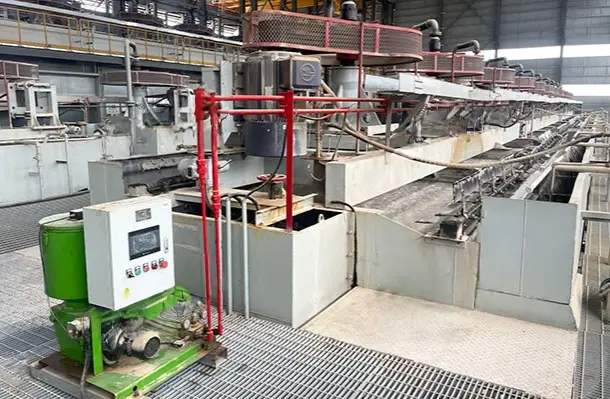
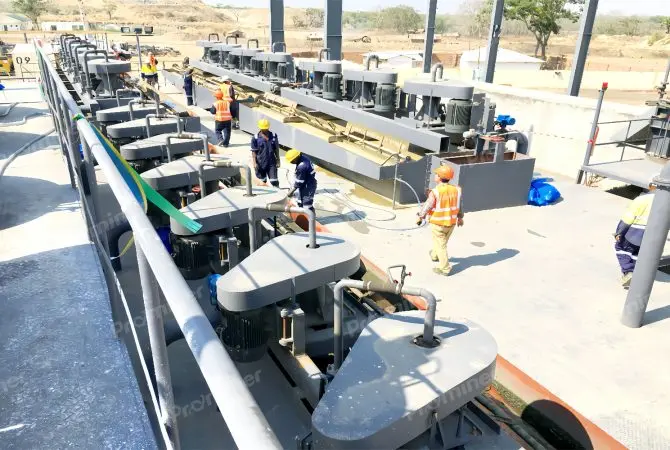
8. 플로테이션 셀 구성 및 공기 흐름
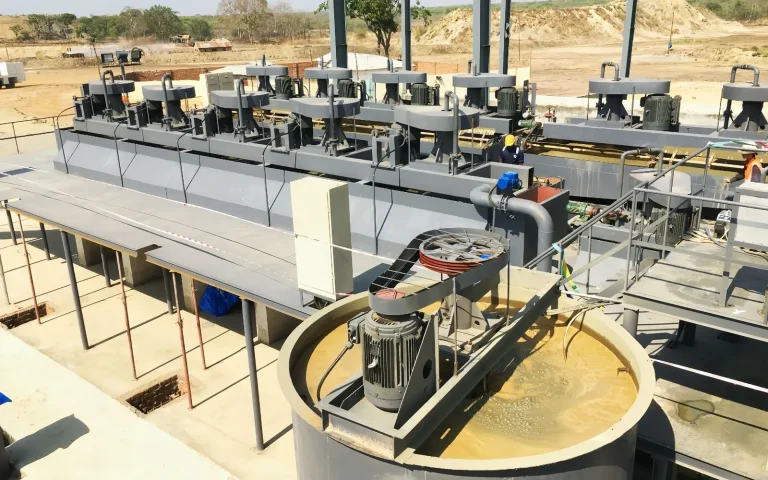
- 적절한 플로타이션 셀 설계와 공기 비율을 사용하십시오. 과도한 공기는 거품을 불안정하게 만들 수 있으며, 불충분한 공기는 회수를 감소시킬 수 있습니다.
- 열 부유 세포 또는 크기별 세포 구성과 같은 다양한 세포 유형을 테스트하여 어떤 것이 가장 효과적인지 확인하십시오.
9. 등급/회수 상충 최적화
- 높은 회수율은 종종 농축물의 품질을 저하시킵니다. 수익을 극대화하기 위해 균형을 찾으세요.
- 배치 또는 연속 테스트를 수행하여 회복과 등급 곡선을 모델링합니다.
10. 광물 표면 청소
- 표면 오염 물질이 소수성을 감소시킨다면 산, 열 또는 산화 생성물이나 불순물 코팅을 제거하기 위한 기타 방법과 같은 표면 세척 방법을 고려하십시오.
11. 벌크 플로테이션 대 선택적 플로테이션 고려하기
- 일괄 부상(모든 황화물을 한 번에 회수)과 선택적 부상(금 부상 전에 구리, 납 또는 아연 황화물을 분리)을 모두 테스트하여 가장 적합한 전략을 결정합니다.
12. 프리-로빙 광석 처리
- 임신 강탈 물질인 탄소 함유 물질은 용해된 금을 흡착하고 회수율을 낮출 수 있습니다. 탄소 침출(CIL) 또는 탄소 펄프(CIP) 단계를 추가하거나 케로센과 같은 유기 억제제를 사용하는 것을 고려하세요.
13. 재가공 및 청소 단계
- 황화물 입자에 금이 잠겨 있는 경우, 농축물을 재분쇄합니다. 정제 플로타이션 단계는 품질과 회수를 더욱 향상시킵니다.
14. 중력-부력 조합으로 테스트하십시오.
- 특정 광물에 대해서는 중력 분리(거친 자유 금을 회수하기 위해)와 부상 분리(황화물에 함유된 금을 회수하기 위해)를 조합하는 것이 효과적입니다.
15. 지속적인 모니터링 및 프로세스 제어
- 거품 행동, 시약 수준 및 슬러리 특성(예: pH, 밀도)을 모니터링하기 위해 자동 시스템을 사용하세요.
- 센서 및 제어 시스템의 온라인 데이터에 따라 부양 매개변수를 조정합니다.
16. 환경 및 운영 고려사항
- 위험한 시약 사용을 최소화하고 환경 규제를 준수하기 위해 폐기물을 적절히 관리합니다.
17. 사례별 솔루션
- 균 전처리, 압력 산화 또는 내화광에 대한 로스팅과 같은 다른 개입이 필요한지 조사하십시오.
음향 광물학 분석, 플로타시온 매개변수 정밀 조정, 그리고 공정 규율 유지를 통합함으로써, 황화광에서 금 회수의 상당한 향상을 종종 달성할 수 있습니다.
프로미너(상하이) 광업 기술 유한회사는 전 세계적으로 완벽한 광물 처리 및 고급 소재 솔루션을 제공하는 데 전문화되어 있습니다. 우리의 핵심 사업 분야는 다음과 같습니다: 금 처리, 리튬 광석 선광, 산업 광물, 음극재 생산 및 흑연 처리 전문 분야입니다.
제품은 다음과 같습니다: 분쇄 및 분급, 분리 및 건조, 금 정제, 탄소/흑연 처리 및 침출 시스템입니다.
엔지니어링 설계, 장비 제작, 설치 및 운영 지원을 포함한 종합적인 서비스를 제공하며, 24시간 연중무휴 전문가 상담을 제공합니다.
우리 웹사이트 URL:죄송하지만, 특정 웹사이트의 콘텐츠를 직접 번역할 수는 없습니다. 대신 해당 웹사이트의 내용을 요약하거나 구체적인 부분을 요청하시면 도와드릴 수 있습니다. 어떤 내용을 번역해 드릴까요?
저희 이메일:[email protected]
우리의 판매:+8613918045927(리차드),+8617887940518(제시카),+8613402000314(브루노)