Which Flotation Techniques Separate Chalcopyrite from Pyrrhotite?
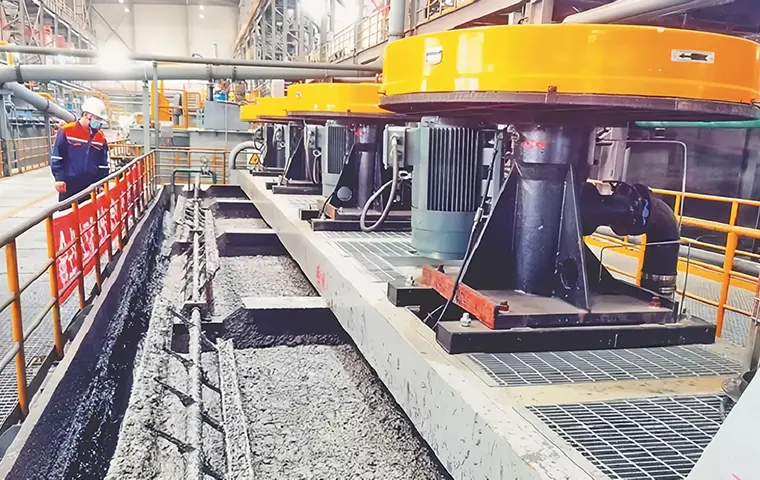
The flotation techniques used to separate chalcopyrite (a copper-iron sulfide mineral) from pyrrhotite (an iron sulfide mineral) typically involve differences in their surface properties and interaction with flotation reagents. To achieve effective separation, froth flotation with appropriate reagents and conditions is employed. Below are the main techniques used for their separation:
1. Selective Depression of Pyrrhotite
- Pyrrhotite can be selectively depressed using reagents that inhibit its flotation, allowing chalcopyrite to remain floatable. Common depressants include:
- Lime (CaO): Adjusts pH to alkaline conditions, which can depress pyrrhotite while allowing chalcopyrite to float.
- Sodium metabisulfite (SMBS): Acts as a reducing agent and depresses pyrrhotite by altering its surface chemistry.
- Sodium cyanide (NaCN): Sometimes used as a depressant for pyrrhotite to improve chalcopyrite selectivity. However, its use is limited due to environmental concerns.
2. pH Control
- pH plays a critical role in the separation process:
- Chalcopyrite floats well in slightly alkaline conditions (pH ~9-10).
- Pyrrhotite tends to depress at higher pH levels (above ~9.5).
- Lime or other alkaline reagents are commonly used to control pH during flotation.
3. Use of Collectors
- Collectors like xanthates (such as potassium amyl xanthate, PAX) selectively bind to chalcopyrite, making it more hydrophobic and promoting its flotation.
- Collectors often have reduced affinity for pyrrhotite under optimized conditions.
4. Oxidation/Surface Pretreatment
- Surface oxidation of pyrrhotite can enhance its depression. For example:
- Conditioning with oxygen or hydrogen peroxide can render pyrrhotite less floatable by forming hydrophilic iron oxide layers on its surface.
- Chalcopyrite remains relatively less affected by this process and stays floatable.
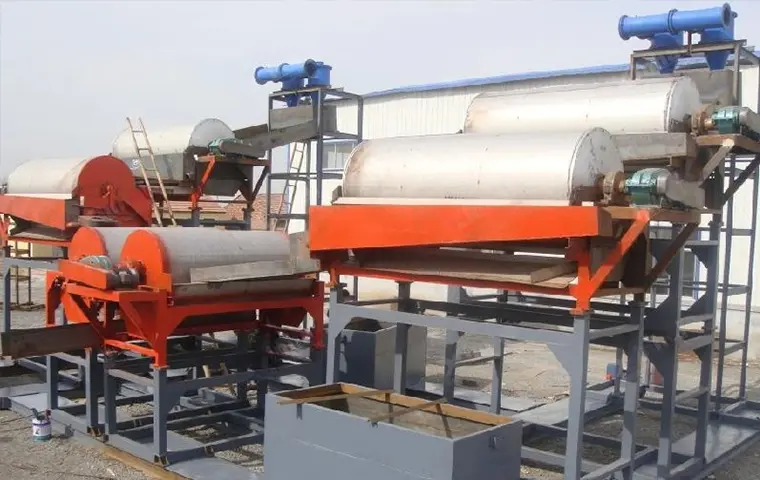
5. Magnetic Separation as a Pre-Treatment
- Pyrrhotite exhibits magnetic properties, whereas chalcopyrite is non-magnetic.
- Magnetic separation can be used prior to flotation to remove pyrrhotite, improving the efficiency of later flotation steps.
6. Modified Reagents/Approaches
- Advanced reagents, such as new polymer-based depressants or selective flotation reagents, may be employed to separate the two minerals more effectively.
- Specialized reagents are developed for specific ore types and processing conditions.
Practical Considerations
- The efficiency of chalcopyrite-pyrrhotite separation depends on factors like mineral liberation size, ore composition, and the presence of other interfering minerals.
- Process optimization, including reagent dosages and flotation parameters, is crucial to achieving high recovery and concentrate grades.
In practice, a combination of these techniques is tailored to the specific ore being processed in order to achieve successful separation of chalcopyrite from pyrrhotite.
프로미너(상하이) 광업 기술 유한회사는 전 세계적으로 완벽한 광물 처리 및 고급 소재 솔루션을 제공하는 데 전문화되어 있습니다. 우리의 핵심 사업 분야는 다음과 같습니다: 금 처리, 리튬 광석 선광, 산업 광물, 음극재 생산 및 흑연 처리 전문 분야입니다.
제품은 다음과 같습니다: 분쇄 및 분급, 분리 및 건조, 금 정제, 탄소/흑연 처리 및 침출 시스템입니다.
엔지니어링 설계, 장비 제작, 설치 및 운영 지원을 포함한 종합적인 서비스를 제공하며, 24시간 연중무휴 전문가 상담을 제공합니다.
우리 웹사이트 URL:죄송하지만, 특정 웹사이트의 콘텐츠를 직접 번역할 수는 없습니다. 대신 해당 웹사이트의 내용을 요약하거나 구체적인 부분을 요청하시면 도와드릴 수 있습니다. 어떤 내용을 번역해 드릴까요?
저희 이메일:[email protected]
우리의 판매:+8613918045927(리차드),+8617887940518(제시카),+8613402000314(브루노)